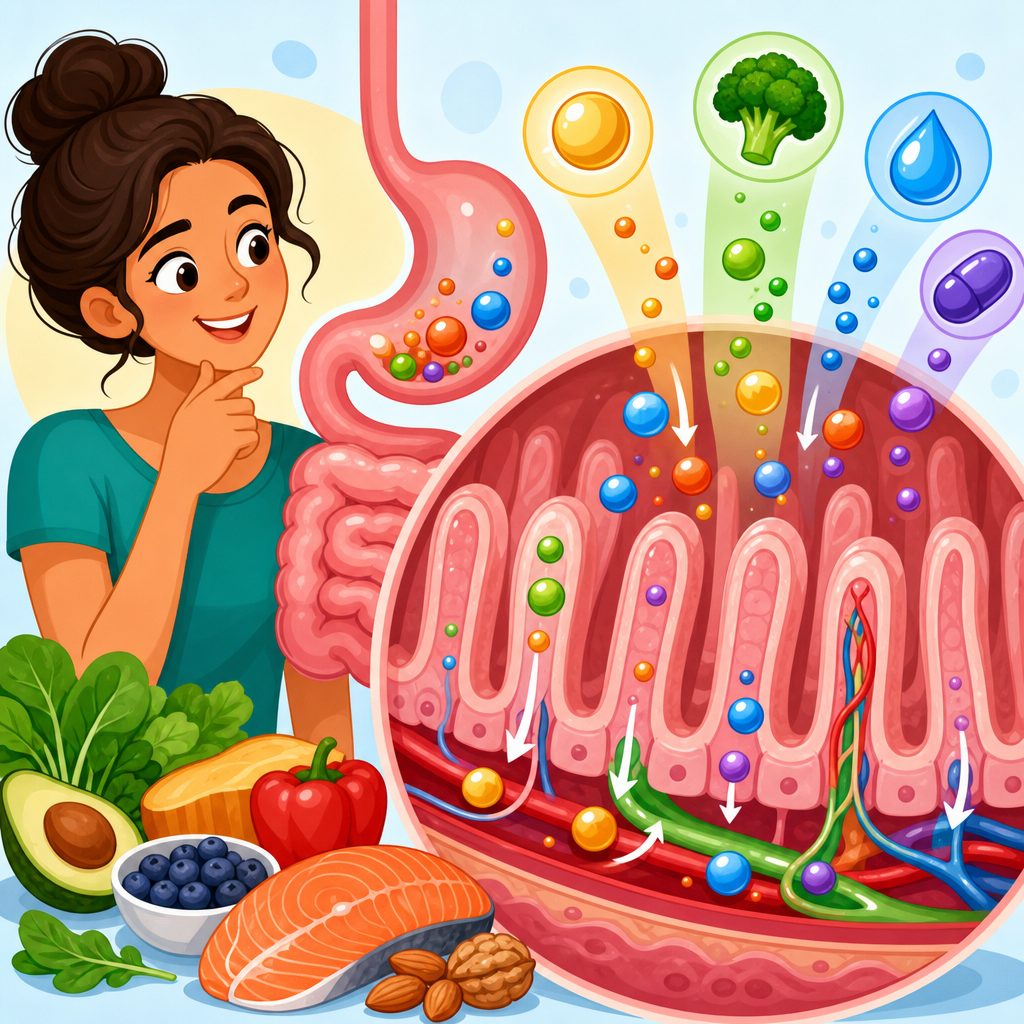
Dietary fiber, though often overlooked, plays an essential role in maintaining optimal digestive health and ensuring a balanced diet. In today’s fast-paced world, dietary fiber can sometimes be neglected in favor of more convenient or processed foods. However, incorporating adequate fiber into one’s diet is crucial for numerous bodily functions and overall well-being. Not only does fiber help with regular bowel movements, but it also plays a pivotal role in managing cholesterol, maintaining blood sugar levels, and contributing to satiety, which can support weight management. Understanding dietary fiber and its profound effects on digestion and health can guide individuals toward making better nutritional choices.
Fiber is a type of carbohydrate that the body can’t digest. While most carbohydrates are broken down into sugar molecules, fiber passes through the body undigested. Still, it provides myriad benefits for the digestive system. Essentially, fiber acts as a presence that can cleanse and move waste through the intestines, ensuring the digestive system operates smoothly. This characteristic classifies fiber primarily into two categories: soluble fiber and insoluble fiber, each offering distinct health benefits. Consistently consuming them affects different parts of the digestive process, ultimately contributing to the holistic wellness of individuals.
This article aims to delve into the significance of dietary fiber in maintaining digestive health as part of a balanced diet. We will explore the types of fiber, their sources, and the many ways they safeguard and enhance digestive health. We will also discuss the consequences of neglecting fiber intake and highlight strategies to incorporate more fiber into daily meals effectively. Through understanding and applying this knowledge, individuals can vastly improve their digestive health, leading to better quality of life and disease prevention, ultimately drawing attention to why dietary fiber should never be sidelined in any balanced diet.
Types and Sources of Dietary Fiber
Dietary fiber is primarily categorized into two types: soluble and insoluble fiber. Each type functions differently and benefits the body in unique ways. Soluble fiber dissolves in water to form a gel-like substance. It can help lower glucose levels and blood cholesterol, providing a key line of defense against heart disease and diabetes. Common sources of soluble fiber include oats, peas, beans, apples, citrus fruits, carrots, barley, and psyllium.
On the other hand, insoluble fiber does not dissolve in water. Instead, it adds bulk to stool, aiding its passage through the digestive system and regularizing bowel movements. It is vital for preventing constipation and promoting regularity. Foods rich in insoluble fiber include whole-wheat flour, wheat bran, nuts, beans, and vegetables like cauliflower, green beans, and potatoes.
Both types of fiber are crucial, and a varied diet typically includes foods that contain both. While fibrous vegetables and fruits are well-known sources of fiber, many whole grains, nuts, and seeds are also ample providers. Whole grains such as brown rice, whole wheat, quinoa, and barley can significantly bolster fiber intake when included in meals. Moreover, nuts such as almonds and walnuts not only provide healthy fats but also contribute to fiber consumption.
The Impact of Fiber on Digestive Health
Fiber’s role in digestive health is profound. Regular fiber consumption aids digestion and helps maintain an efficient digestive tract. The primary contribution of fiber is its ability to increase stool bulk and facilitate its passage, which prevents issues like constipation. This improvement in digestive transit also reduces the risk of developing diverticular disease and enhances the health of gut microbiota.
Soluble fiber in particular enhances digestion by extending the duration it takes for foods to travel through the stomach and small intestines. This slowing down of digestion enables more thorough nutrient absorption and delivers steadier energy release. Soluble fiber also acts as a prebiotic, feeding beneficial gut bacteria and encouraging a healthier microbiome.
Insoluble fiber, while less fermentable than its soluble counterpart, is essential in maintaining the intestines’ motility. By keeping the contents of the gut moving smoothly, it diminishes the risk of developing hemorrhoids and other gastrointestinal complications. Moreover, insoluble fiber can bind with water to add bulk to bowel movements, simplifying elimination and reducing strain on the digestive system. This role is especially crucial for individuals struggling with irregular bowel habits.
Protective Nature Against Diseases
Apart from enhancing overall digestive function, dietary fiber also provides protective qualities against various diseases. Fiber consumption has been linked to a lower risk of developing several chronic conditions, including heart disease, type 2 diabetes, and certain cancers. Notably, both types of fiber have benefits that collectively promote cardiovascular health.
Soluble fiber plays a central role in lowering cholesterol levels. By binding to cholesterol in the digestive system and facilitating its excretion, it reduces overall blood cholesterol, decreasing the risk of arterial blockage. This attribute can, in turn, lower blood pressure and prevent strokes. Similarly, fiber’s role in stabilizing blood sugar levels contributes to the prevention and management of type 2 diabetes.
The diet’s fiber content is also associated with reduced colon cancer risk. While the precise mechanisms remain the subject of ongoing study, it is hypothesized that fiber’s bulking action may dilute potential carcinogens and decrease the time waste spends in the digestive tract. This reduces the likelihood of the cells lining the colon becoming damaged by harmful substances.
Consequences of Inadequate Fiber Intake
Neglecting an adequate fiber intake can lead to several adverse health outcomes, predominantly affecting digestive health. Insufficient fiber can result in constipation, a condition characterized by difficult or infrequent bowel movements. Persistent constipation can lead to additional complications, such as diverticulitis, hemorrhoids, or even colorectal cancer due to chronic strain.
A low-fiber diet can also contribute to weight gain and obesity. Without fiber to promote fullness and reduce appetite, individuals may consume excessive calories, leading to weight gain over time. Additionally, inadequate fiber intake can contribute to the development of cardiovascular diseases due to its influence on cholesterol and blood sugar levels.
The absence of fiber-rich foods can destabilize blood sugar levels, increasing the risk of developing type 2 diabetes and associated metabolic syndromes. Sudden spikes in blood sugar, often seen with low-fiber meals, can result in energy crashes, excessive hunger, and cravings, further exacerbating weight issues and associated health risks.
Incorporating More Fiber into the Diet
Increasing dietary fiber intake requires both awareness and deliberate action. It is essential to gradually incorporate fiber-rich foods to adjust the digestive system and prevent discomfort. A simple strategy is substituting refined grains with whole grains. For instance, using brown rice instead of white rice, and opting for whole-wheat bread or pasta.
Another effective approach is incorporating more fruits and vegetables into meals. Emphasizing whole, rather than processed, versions augments their natural fiber content. Fresh fruits such as berries, pears, and oranges, as well as vegetables like broccoli, carrots, and potatoes with skins, are excellent choices.
Beans, peas, and lentils are among the most potent sources of fiber. Including them in soups, salads, or stews can significantly elevate fiber intake. Meanwhile, snacking on nuts and seeds, or topping cereals and yogurt with them, provides fiber-rich options that are both convenient and nutritious.
Increasing fiber should be accompanied by increased water intake. This helps in utilizing fiber’s potential fully, preventing issues like bloating or constipation that arise from dry fiber in the gut. As fiber absorbs water, adequate fluid intake is crucial to foster optimal digestion and nutrient absorption.
Conclusion
Dietary fiber is indispensable for maintaining a balanced diet and ensuring digestively robust health. As a nutrient that often lacks glamour compared to proteins and fats, fiber is foundational in preventing digestive maladies and promoting sustained health. Its ability to support regular bowel movements, improve cholesterol levels, stabilize blood sugar, and decrease disease risk emphasizes its centrality in healthy nutrition.
Understanding fiber’s significance enables individuals to make smarter dietary choices, appreciating the value of both soluble and insoluble fibers available through a combination of fruits, vegetables, whole grains, nuts, and seeds. By recognizing fiber’s myriad benefits and understanding the dangers of its neglect, one can cultivate better eating habits conducive to long-term wellness.
In sum, placing a pronounced emphasis on dietary fiber within any nutritional plan is not merely advisable but critical. Its profound effects on digestive health, disease prevention, and general well-being establish fiber as an essential dietary component that should undoubtedly be given prominence. By integrating fiber-rich foods into daily intake, individuals carve a path toward a healthier and more balanced life.
Frequently Asked Questions
1. What is dietary fiber, and why is it important for digestive health?
Dietary fiber refers to plant-based carbohydrates that, unlike sugars and starches, cannot be digested by our bodies. It might seem odd to eat something our bodies can’t digest, but that’s precisely why fiber is so important. It travels through our digestive system, helping to keep it clean and healthy by regulating bowel movements. Fiber adds bulk to the stool, making it easier to pass and reducing the risk of constipation. Additionally, fiber-rich foods can act as prebiotics, feeding the friendly bacteria in our gut. This connection between dietary fiber and our digestive health underscores why it’s an indispensable element of a balanced diet.
2. How does dietary fiber affect cholesterol levels?
The impact of dietary fiber on cholesterol is particularly significant, especially when it comes to soluble fiber, which dissolves in water to form a gel-like substance. This type of fiber can help lower cholesterol levels by interfering with the absorption of dietary cholesterol in the bloodstream. It binds to cholesterol particles and removes them from the body before they can contribute to plaque formation in the arteries. This process ultimately reduces overall blood cholesterol levels, notably improving heart health. By consistently incorporating soluble fiber-rich foods, such as oats, lentils, and fruits, into your diet, you create a natural defense against heart disease.
3. What role does fiber play in managing blood sugar levels?
Fiber, particularly soluble fiber, plays a crucial role in moderating blood sugar levels. When consumed, it slows down the digestion and absorption of carbohydrates, resulting in a more gradual rise in blood glucose levels post-meal. This can be especially beneficial for individuals managing type 2 diabetes or those at risk of developing it. The extended digestion time provides a steadier energy release, reducing spikes in blood sugar that can lead to long-term health issues. Foods high in fiber, like whole grains, vegetables, and legumes, should be staples in your diet if you’re aiming to maintain balanced glucose levels.
4. What are the best sources of dietary fiber, and how much should one consume daily?
Excellent sources of dietary fiber include a wide variety of fruits and vegetables, with their skins left intact whenever possible. Whole grains, nuts, seeds, and legumes are also fiber-rich superstars. The recommended daily fiber intake varies by age and sex but generally aligns with about 25 grams per day for adult women and 38 grams per day for adult men, according to dietary guidelines. However, most people fall short of these recommendations. To meet daily needs, focus on whole, minimally processed foods. For example, swapping white bread with whole-grain bread, enjoying whole fruits over juice, and including a serving of beans or lentils in meals can help increase your fiber intake significantly.
5. Are there any tips for incorporating more fiber into one’s diet without causing digestive discomfort?
Increasing dietary fiber should be a gradual process to avoid digestive discomfort, such as bloating and gas. Here are some strategies to ease the transition: start by slowly adding fiber-rich foods to your daily diet, ensuring you stay hydrated by drinking plenty of water—fiber works best when it absorbs water. Incorporate a variety of fiber types from different foods, which can also help ease digestive adaptation. Pair high-fiber foods with meals rather than all at once; for instance, introduce legumes as a side dish to your protein. Lastly, listen to your body and adjust your fiber intake accordingly, giving your digestive system time to adjust while reaping the plethora of health benefits.