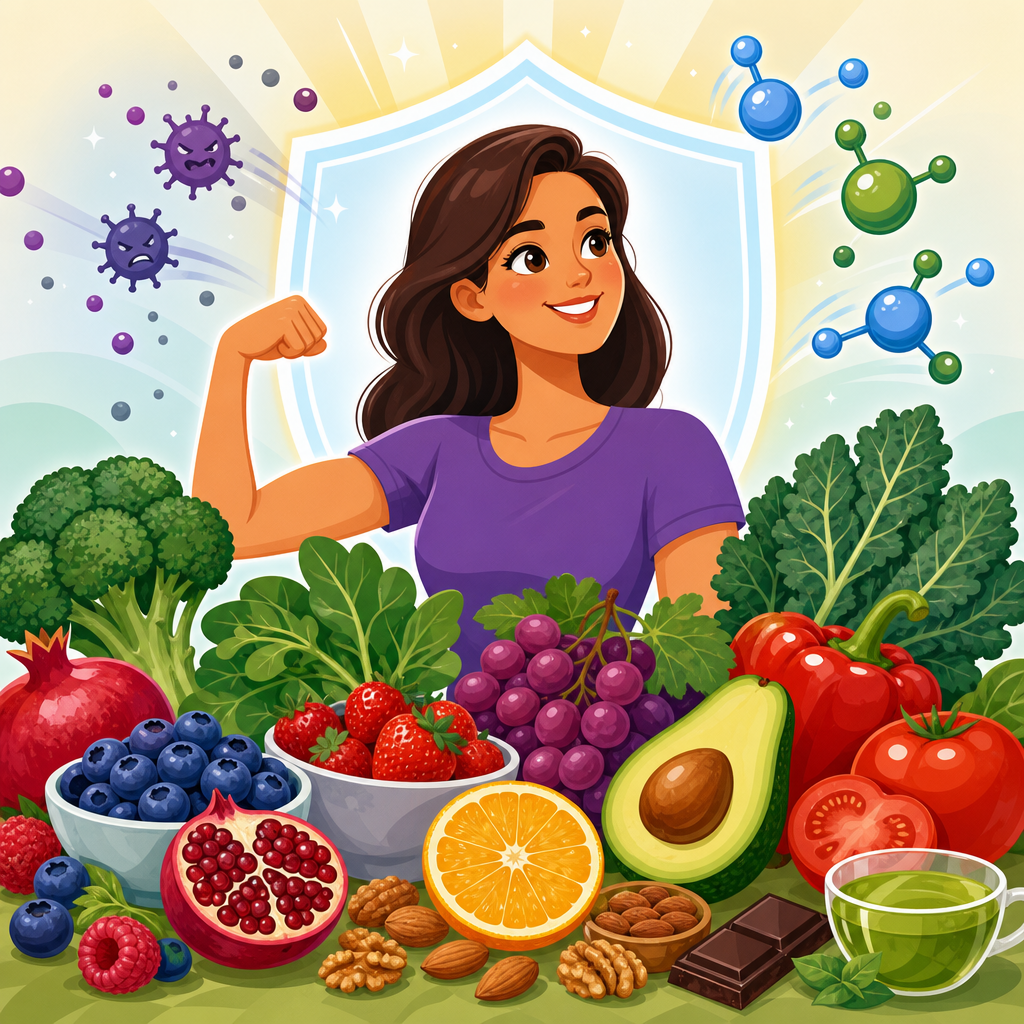
Antioxidants protect the body from unstable molecules that can damage cells, tissues, and DNA, making them one of the most important concepts in nutrition basics. When people ask why antioxidants matter, the practical answer is simple: they help your body manage oxidative stress, a normal process that rises with metabolism, exercise, pollution exposure, smoking, illness, and aging. I have worked with nutrition content and evidence reviews long enough to see one recurring problem: antioxidants are often treated as miracle compounds or dismissed as supplement marketing. Neither view is accurate. The importance of antioxidants lies in how they support essential body functions every day, especially immune defense, cardiovascular health, brain function, skin integrity, and cellular repair.
To understand the importance of antioxidants, start with the definition. An antioxidant is a substance that can neutralize free radicals, which are highly reactive molecules formed during normal energy production and in response to environmental stressors. Free radicals are not inherently bad; the body uses some reactive species in cell signaling and immune activity. Trouble begins when their production outpaces the body’s defenses. That imbalance is called oxidative stress. Over time, oxidative stress can contribute to inflammation and cellular wear linked with chronic disease and faster aging. Antioxidants from food and the body’s own internal systems help maintain balance rather than eliminate oxidation entirely.
Several key terms matter here. Free radicals include reactive oxygen species and reactive nitrogen species. Oxidative stress refers to the mismatch between oxidant production and antioxidant protection. Endogenous antioxidants are the body’s built-in defenses, such as glutathione, superoxide dismutase, and catalase. Dietary antioxidants come from foods, especially fruits, vegetables, legumes, nuts, seeds, tea, coffee, herbs, spices, and some whole grains. Well-known nutrients with antioxidant roles include vitamin C, vitamin E, selenium, and carotenoids such as beta-carotene, lycopene, lutein, and zeaxanthin. Polyphenols, including flavonoids and anthocyanins, also contribute significantly, though they work in more complex ways than a simple “free radical sponge” description suggests.
This topic matters because antioxidant support is not a niche concern for athletes or wellness enthusiasts. It affects everyone. Your body constantly produces energy in mitochondria, uses immune cells to fight pathogens, repairs damaged tissue, and adapts to stress. Each of those processes can generate reactive compounds. A diet rich in antioxidant-containing whole foods helps reinforce the systems that keep those reactions controlled. In practical terms, understanding the importance of antioxidants helps people make better daily choices: eat more berries and leafy greens, use olive oil and nuts instead of ultra-processed snacks, and view supplements cautiously unless there is a specific need. As a hub topic within nutrition basics, antioxidants connect directly to healthy eating patterns, micronutrients, inflammation, and long-term disease prevention.
How antioxidants work inside the body
Antioxidants support the body by interrupting damaging chain reactions. Free radicals can steal electrons from nearby molecules, destabilizing cell membranes, proteins, and genetic material. Antioxidants donate electrons without becoming dangerously reactive themselves, which helps stop that chain. The process is more coordinated than most articles suggest. Vitamin E, for example, protects fatty parts of cell membranes from lipid peroxidation. Vitamin C can help regenerate oxidized vitamin E. Selenium supports glutathione peroxidase, an enzyme that reduces peroxides. These systems do not work in isolation; they form a network, which is one reason whole foods consistently outperform single “supernutrient” thinking.
The body also manufactures powerful antioxidant defenses. Glutathione is often called the master antioxidant because it participates in detoxification and redox balance in nearly every cell. Enzymes such as superoxide dismutase convert superoxide radicals into less reactive compounds, while catalase and glutathione peroxidase further break down hydrogen peroxide. In my experience reviewing research, this is where people often misunderstand antioxidant biology. You do not simply consume antioxidants and erase all oxidative stress. Instead, nutrition helps maintain the conditions your internal defense systems need to function efficiently. Adequate protein, minerals, sleep, and overall diet quality all influence this process.
Oxidative stress is also context dependent. Intense exercise temporarily increases free radical production, but that does not mean exercise is harmful. In fact, training stimulates beneficial adaptation partly through controlled oxidative signaling. The same principle applies to immunity. White blood cells generate reactive molecules to destroy pathogens. The goal is balance, not suppression. This is why high-dose antioxidant supplementation around workouts remains controversial; some studies suggest it may blunt certain training adaptations in specific contexts. Food-first intake, by contrast, supports resilience without overwhelming normal signaling pathways.
Why antioxidants matter for core body functions
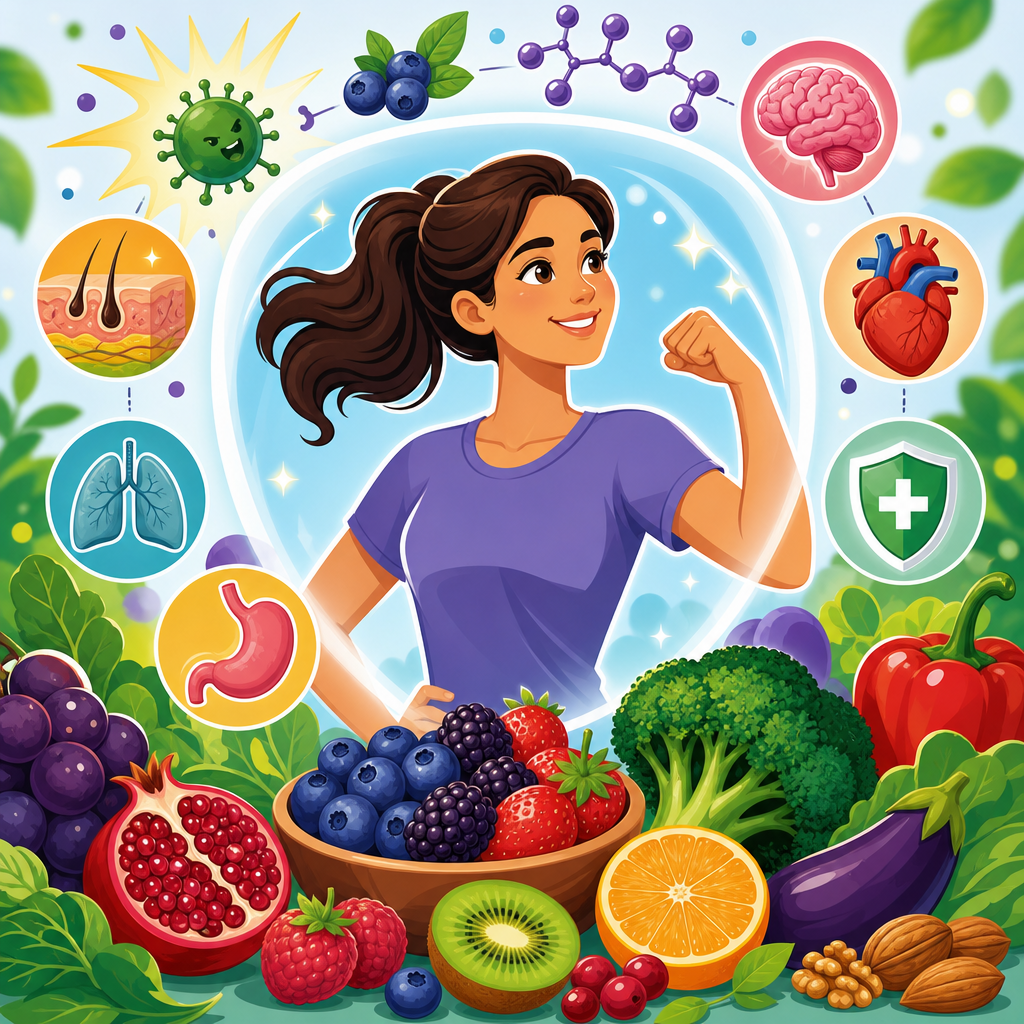
The importance of antioxidants becomes clearer when you look at the body systems they help protect. In the cardiovascular system, oxidation of LDL particles is one step involved in atherosclerosis development. Diets rich in plant foods, extra-virgin olive oil, legumes, and nuts are associated with lower cardiovascular risk partly because they supply antioxidants and anti-inflammatory compounds alongside fiber and healthy fats. In the brain, oxidative stress is relevant because neural tissue uses large amounts of oxygen and contains fats vulnerable to oxidation. Carotenoids such as lutein and zeaxanthin are especially important for eye health, while flavonoid-rich foods like berries and cocoa have been studied for effects on cognition and blood flow.
Antioxidants also support immune and skin function. Vitamin C contributes to immune cell activity and collagen formation. Vitamin E protects cell membranes, including those of immune cells. Selenium supports antioxidant enzymes and thyroid-related processes. In skin, ultraviolet radiation increases reactive oxygen species, which can accelerate visible aging and damage structural proteins. That does not make antioxidants a substitute for sunscreen, but it helps explain why diets rich in colorful produce are linked with healthier skin over time. I regularly explain this to readers as cumulative maintenance: every meal either helps your repair systems or leaves them with less support.
At the metabolic level, oxidative stress interacts with inflammation, insulin signaling, endothelial function, and recovery from tissue damage. This does not mean antioxidants cure chronic disease. It means antioxidant-rich eating patterns are consistently associated with better health outcomes because they improve the biological environment in which cells operate. Mediterranean-style diets, DASH-style diets, and other produce-forward eating patterns repeatedly show benefit in epidemiological studies and clinical trials. Their effect is not due to one molecule. It comes from the combined action of nutrients, phytochemicals, fiber, and reduced intake of highly processed foods that can worsen oxidative burden.
Best food sources of antioxidants and what they actually provide
If you want to increase antioxidant intake, start with diversity rather than chasing a single star ingredient. Different foods provide different compounds with different roles, absorption patterns, and target tissues. Berries supply anthocyanins; tomatoes are rich in lycopene; carrots and sweet potatoes provide beta-carotene; spinach and kale offer lutein and zeaxanthin; citrus fruits and bell peppers contribute vitamin C; almonds and sunflower seeds provide vitamin E; Brazil nuts contain selenium; beans, cocoa, green tea, coffee, oregano, turmeric, and extra-virgin olive oil each add unique polyphenols. Rotating these foods across the week gives broader coverage than repeating one smoothie every morning.
Food matrix matters as much as headline nutrient content. Lycopene from cooked tomatoes is more bioavailable than from raw tomatoes for many people, especially when eaten with fat such as olive oil. Carotenoids are generally absorbed better when meals include dietary fat. Polyphenols interact with the gut microbiome, and some of their benefits come from metabolites produced after digestion rather than from direct antioxidant action in the bloodstream. This is a key nuance often missed in simplified nutrition advice. A food can support antioxidant defenses even if its compounds are not absorbed in the exact form listed on a label.
| Food | Key antioxidant compounds | Main functional support | Practical use |
|---|---|---|---|
| Blueberries | Anthocyanins, vitamin C | Cell protection, vascular and brain support | Add to yogurt or oatmeal |
| Tomatoes | Lycopene, vitamin C | Cardiovascular and skin support | Use cooked tomato sauce with olive oil |
| Spinach | Lutein, zeaxanthin, vitamin C | Eye health and oxidative balance | Add to eggs, soups, or salads |
| Almonds | Vitamin E, polyphenols | Membrane protection and satiety | Choose as a snack over chips |
| Beans | Polyphenols, minerals | Antioxidant support plus fiber | Use in soups, bowls, and salads |
The most reliable approach is to build meals around color, plant variety, and minimally processed ingredients. A plate with salmon, roasted broccoli, lentils, and tomatoes offers a more useful antioxidant mix than a fortified snack bar marketed as healthy. Frozen fruits and vegetables are also effective; they are often picked at peak ripeness and retain nutrients well. Cost does not need to be a barrier if people use cabbage, carrots, beans, oats, onions, spinach, citrus, and canned tomatoes strategically.
Supplements, claims, and the limits of antioxidant thinking
One of the most important facts about antioxidants is that more is not always better. Large trials of isolated high-dose supplements have not consistently shown the broad disease-prevention benefits people expected, and in some cases there are risks. High-dose beta-carotene supplements, for example, have been associated with increased lung cancer risk in smokers in major studies. Excess vitamin E supplementation can interfere with clotting in some situations. Selenium is essential, but too much can cause toxicity. These findings are why mainstream guidance from organizations such as the National Institutes of Health and major cardiology and oncology groups favors getting antioxidants from food first.
There are still cases where supplementation makes sense. Someone with a medically confirmed deficiency, severe malabsorption, highly restricted intake, or specific life-stage need may benefit from targeted supplementation under professional guidance. Eye health formulas based on AREDS and AREDS2 research are another example of a structured use case for certain patients with age-related macular degeneration. But that is very different from assuming a generic antioxidant pill will broadly offset poor diet, smoking, heavy alcohol use, chronic sleep loss, or low physical activity. In practice, supplements can fill gaps; they cannot replace the metabolic advantages of a consistently nutrient-dense diet.
It is also worth challenging antioxidant score marketing. Measurements like ORAC were once widely used to rank foods, but a high lab value does not automatically predict health effects in humans. Digestion, metabolism, dose, absorption, microbiome interactions, and overall dietary pattern all matter. I advise readers to ignore exaggerated labels and focus on repeatable habits with strong evidence: more vegetables, more fruit, more legumes, more nuts, more herbs and spices, fewer ultra-processed foods, and cooking methods that preserve food quality. That approach improves antioxidant intake while supporting blood sugar, satiety, digestion, and heart health at the same time.
How to build an antioxidant-rich eating pattern that lasts
The best antioxidant strategy is sustainable routine. Aim to include at least one fruit or vegetable at every meal and prioritize variety across the week. Use berries at breakfast, leafy greens or peppers at lunch, beans and tomatoes at dinner, and nuts or citrus as snacks. Choose extra-virgin olive oil as a regular fat source. Add herbs and spices generously; cinnamon, turmeric, ginger, oregano, rosemary, and cloves all contribute bioactive compounds. Drink options such as green tea or coffee can also add polyphenols, though they should complement, not replace, whole foods. If you eat animal foods, pair them with produce rather than treating vegetables as garnish.
Kitchen habits matter. Store produce where you can see it, keep frozen vegetables on hand, and prep a few ready-to-use ingredients each week such as washed greens, chopped carrots, cooked beans, and roasted vegetables. Build simple combinations: oatmeal with blueberries and walnuts; Greek yogurt with kiwi; grain bowls with black beans, peppers, and salsa; salmon with spinach and tomato salad; lentil soup with carrots and herbs. These meals are not trendy, but they consistently work. They improve nutrient density without forcing extreme rules, and they make it easier to link antioxidant intake with the broader nutrition basics of fiber, healthy fats, and adequate protein.
Antioxidants support your body’s key functions because they help maintain balance in a world full of internal and external stressors. They protect cells from excessive oxidative damage, reinforce immune, cardiovascular, brain, eye, and skin health, and work best as part of a varied whole-food diet. The central lesson is straightforward: antioxidants are essential, but their value comes from patterns, not promises. Build meals around colorful produce, legumes, nuts, seeds, olive oil, tea, and other minimally processed foods, and use supplements only when there is a clear reason. If you want a strong foundation in nutrition basics, start by upgrading one meal today with an antioxidant-rich food you can eat consistently.
Frequently Asked Questions
What are antioxidants, and why are they so important for the body?
Antioxidants are compounds that help protect your cells from damage caused by unstable molecules often called free radicals. These unstable molecules are a normal byproduct of life. Your body makes them during everyday processes such as metabolism, exercise, and immune activity, and you are also exposed to more of them through pollution, smoking, UV exposure, illness, and other environmental stressors. In small amounts, these molecules are not automatically harmful. The problem develops when they build up faster than your body can manage them, creating a state known as oxidative stress.
That is where antioxidants become especially important. They help neutralize free radicals before those molecules can damage cell membranes, proteins, tissues, and even DNA. This matters because oxidative stress has been linked to aging and to the wear and tear that can affect many major systems in the body over time. Antioxidants support your body’s ability to maintain balance, repair itself, and keep normal functions running efficiently.
It is also helpful to understand that antioxidants are not just one nutrient. They include vitamins such as vitamin C and vitamin E, plant compounds such as flavonoids and carotenoids, minerals that support antioxidant enzymes such as selenium, and internal defense systems your body produces on its own. Together, these compounds form a network of protection. That is why antioxidants are considered such a central part of nutrition basics: they support your body at the cellular level, which influences everything from healthy aging to immune resilience and tissue protection.
How do antioxidants support the body’s key functions on a daily basis?
Antioxidants support the body in ways that are both broad and very practical. At the most basic level, they help reduce oxidative stress, which can otherwise interfere with normal cellular function. Since cells make up every tissue and organ in the body, antioxidant protection plays a role in supporting many essential systems every day.
For example, antioxidants help protect cell membranes, which are critical for communication, nutrient transport, and maintaining the structure of cells. They also help protect proteins and DNA from oxidative damage. This matters because damaged proteins may not work properly, and damaged DNA can affect how cells repair and replicate. Antioxidants also support normal immune function by helping the body respond to stress without allowing excess oxidative damage to build up during inflammation or infection.
They are also important for energy-related processes. Your body produces energy constantly, and that process naturally creates free radicals. Antioxidants help manage the oxidative byproducts of energy production so cells can keep functioning effectively. This is one reason antioxidant support is relevant for physically active people, older adults, and anyone exposed to higher daily stress loads.
In addition, antioxidants support the health of tissues that are particularly vulnerable to oxidative stress, including the skin, eyes, cardiovascular system, and brain. These tissues are metabolically active or frequently exposed to environmental stressors, so they benefit from a steady supply of protective nutrients. In short, antioxidants do not work as a magic shield, but they do help your body preserve normal function, maintain resilience, and cope with the constant demands of everyday life.
Can the body make its own antioxidants, or do you need to get them from food?
Your body can do both. It produces its own internal antioxidant defenses, but it also depends heavily on antioxidant nutrients and plant compounds from food. This is an important point because many people assume antioxidants only come from supplements or only refer to a few well-known vitamins. In reality, your body’s antioxidant system is much more complex and works best when internal and dietary defenses support each other.
Internally, the body makes antioxidant enzymes and compounds that help control oxidative stress. These include systems such as glutathione and antioxidant enzymes that rely on nutrients like selenium, zinc, copper, and manganese to function properly. These internal defenses are essential, but they are not designed to work in isolation. They need the right raw materials from a nutritious diet, and they can become strained when oxidative stress is higher than usual.
That is why food matters so much. Fruits, vegetables, legumes, nuts, seeds, herbs, spices, tea, and other plant foods provide a wide range of antioxidants, including vitamin C, vitamin E, carotenoids, polyphenols, and flavonoids. These compounds help reinforce the body’s natural defenses and often work together rather than acting alone. A colorful, varied diet tends to provide a broader antioxidant profile than relying on one “superfood” or a single nutrient.
The key takeaway is that the body is built with its own defense systems, but those systems are supported by what you eat. Rather than thinking in terms of either internal antioxidants or dietary antioxidants, it is more accurate to think of them as a partnership. Your body provides the framework, and food helps strengthen and sustain it.
Do antioxidant supplements work better than antioxidant-rich foods?
In most cases, antioxidant-rich foods are the better starting point. Whole foods provide antioxidants in their natural context, along with fiber, minerals, vitamins, and thousands of plant compounds that interact in ways supplements often cannot replicate. When you eat berries, leafy greens, beans, nuts, citrus, tomatoes, or brightly colored vegetables, you are not getting a single isolated antioxidant. You are getting a package of nutrients and phytochemicals that can work together to support the body’s defenses more effectively than a megadose of one isolated compound.
This is especially important because antioxidants are part of a network. Vitamin C can help regenerate other antioxidants. Vitamin E works in fat-rich environments such as cell membranes. Carotenoids and polyphenols may support different tissues and pathways. Foods naturally combine these compounds, while supplements often separate them. That difference matters when the goal is broad, balanced support rather than a narrow intervention.
Supplements may still have a place in certain situations, such as documented deficiencies, restricted diets, increased nutritional needs, or when recommended by a qualified healthcare professional. However, more is not always better. Very high doses of antioxidant supplements are not guaranteed to improve health and, in some cases, may be inappropriate depending on a person’s medical history, medications, or lifestyle factors. For example, there are situations where high-dose supplementation may interfere with normal signaling processes related to exercise adaptation or other physiological responses.
The most practical approach is to build an antioxidant-rich diet first and treat supplements as a targeted tool, not a substitute for healthy eating. If someone is considering supplements for a specific health reason, it is wise to discuss the decision with a doctor or registered dietitian rather than assuming all antioxidant products are automatically helpful.
What are the best ways to increase antioxidants in your diet naturally?
The best way to increase antioxidants naturally is to focus on variety, color, and consistency. Instead of chasing one trendy ingredient, aim to include a wide range of plant foods throughout the day. Different colors often signal different antioxidant compounds, so eating across the color spectrum is a practical strategy. Deep berries, oranges, tomatoes, spinach, kale, red cabbage, sweet potatoes, beans, herbs, and green tea all contribute different protective compounds.
A simple and effective habit is to add produce to every meal. Berries or citrus at breakfast, a salad or vegetable-rich soup at lunch, and roasted vegetables or beans with dinner can increase antioxidant intake without making your diet feel restrictive. Snacks can help too. Nuts, seeds, fruit, or even a small portion of dark chocolate can contribute antioxidant compounds, depending on the overall quality of the product.
Cooking methods also matter. Some antioxidants are sensitive to heat, while others become easier to absorb after cooking. For example, lightly cooked tomatoes can improve the availability of lycopene, while overcooking some vegetables may reduce certain heat-sensitive vitamins. That is why a mix of raw and cooked plant foods tends to work well. Frozen fruits and vegetables are also useful, since they are convenient, affordable, and still rich in nutrients.
It is also smart to reduce habits that increase oxidative stress unnecessarily. Eating more antioxidant-rich foods is helpful, but it works even better alongside not smoking, managing chronic stress, getting enough sleep, being physically active, and limiting excessive exposure to environmental toxins where possible. In other words, antioxidants are part of a bigger lifestyle picture. If you consistently eat a diverse, plant-forward diet and support your overall health habits, you give your body a stronger foundation for managing oxidative stress and protecting its key functions over time.