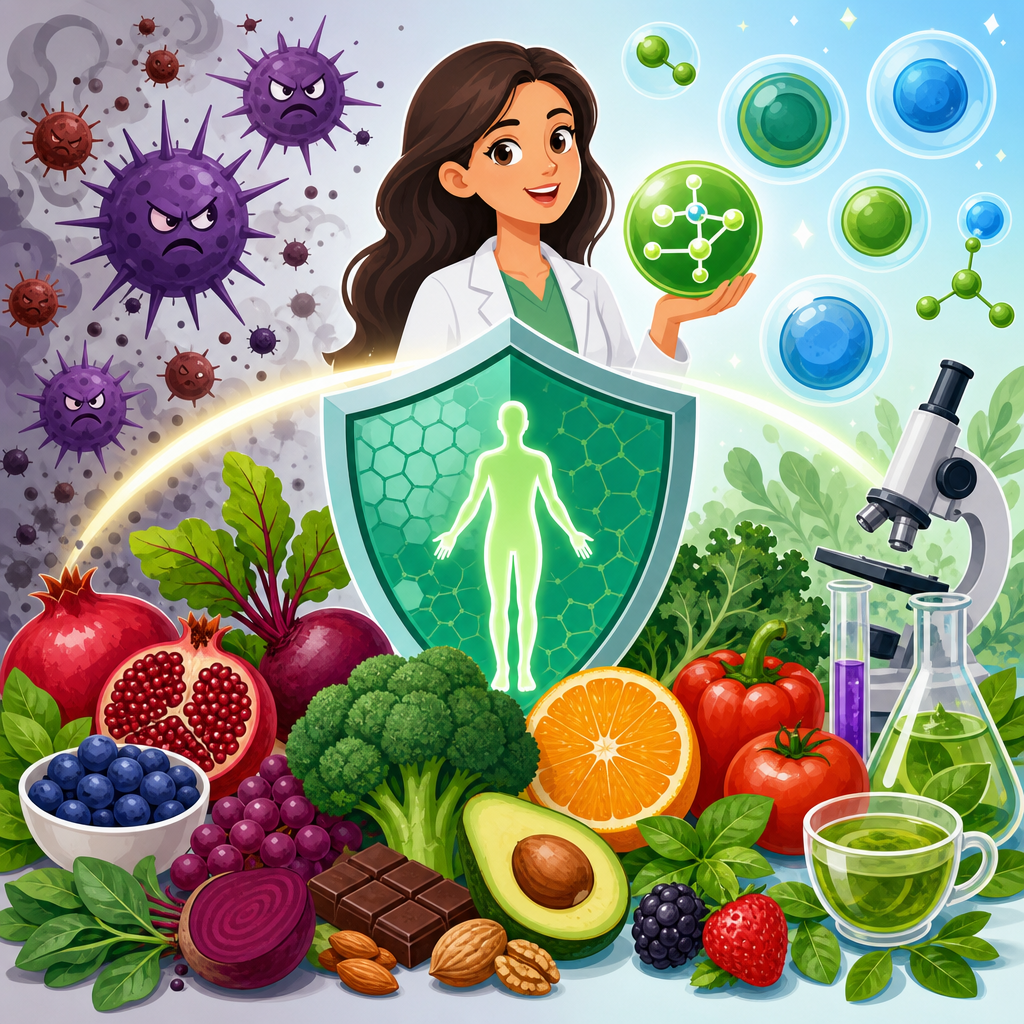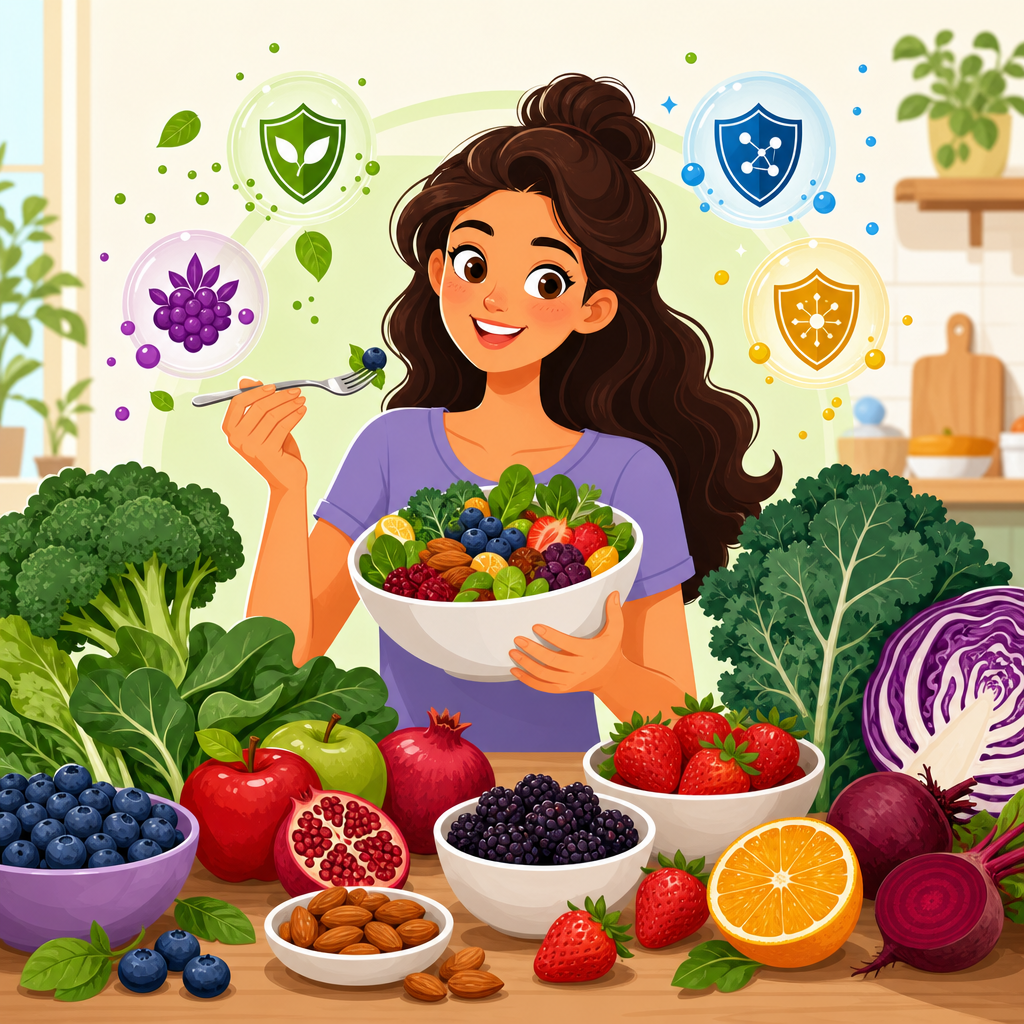
Antioxidants matter because every cell in your body is exposed to oxidation, a normal chemical process that can damage fats, proteins, and DNA when it runs unchecked. In nutrition, “antioxidants” refers to compounds that neutralize unstable molecules called free radicals before they trigger wider cellular harm. If you want to incorporate more of the importance of antioxidants into your diet, the goal is not to chase a single superfood or supplement. The practical goal is to build eating patterns that reliably supply vitamin C, vitamin E, carotenoids, polyphenols, selenium, and other protective compounds from whole foods. This topic matters because oxidative stress is linked with aging, inflammation, cardiovascular disease, type 2 diabetes, eye disease, and some cancers. In my work reviewing meal patterns and food logs, I see the same issue repeatedly: people understand that berries or green tea are “healthy,” but they do not know how antioxidants function, how much variety matters, or how to turn the concept into daily meals. A strong antioxidant strategy improves diet quality overall, not just one biomarker.
It also helps to define what antioxidants are not. They are not a license to ignore sleep, smoking, sun exposure, alcohol intake, or ultra-processed diets, all of which can raise oxidative stress. They are not always better in concentrated pill form, either. Large supplemental doses of isolated antioxidants can behave differently from antioxidants consumed in foods, where they arrive alongside fiber, minerals, and thousands of synergistic plant compounds. The evidence is strongest for dietary patterns rich in vegetables, fruits, legumes, nuts, seeds, herbs, spices, tea, cocoa, and whole grains. These foods supply broad-spectrum protection while supporting gut health, cholesterol control, blood sugar regulation, and satiety. As a hub within Nutrition Basics, this guide explains what antioxidants do, which foods provide them, how cooking and storage affect them, how to build practical meals, and where supplements fit. By the end, you should know how to make antioxidant intake a repeatable part of breakfast, lunch, dinner, and snacks without overcomplicating your diet.
What antioxidants do in the body
Free radicals are molecules with unpaired electrons, which makes them highly reactive. Your body produces them during normal metabolism, exercise, immune defense, and exposure to pollution, smoke, and ultraviolet light. Oxidative stress happens when free radical production exceeds the body’s defense systems. Antioxidants help by donating electrons, stabilizing these reactive molecules, and interrupting chain reactions that damage cells. Some antioxidants are produced inside the body, such as glutathione, superoxide dismutase, and catalase. Others must come from food. Vitamin C works in watery environments like blood plasma. Vitamin E protects cell membranes from lipid peroxidation. Carotenoids such as beta-carotene, lutein, and lycopene accumulate in tissues and support eye, skin, and immune health. Polyphenols in berries, olives, tea, and cocoa also influence signaling pathways related to inflammation and vascular function.
This is why the importance of antioxidants goes beyond a simplistic “fights aging” message. In real diets, antioxidant-rich foods support multiple systems at once. For example, blueberries contain anthocyanins, but they also add fiber and support glycemic control when swapped for refined desserts. Tomatoes provide lycopene, yet they are also a major source of potassium and fit naturally into Mediterranean-style meals associated with lower cardiometabolic risk. Leafy greens offer lutein and zeaxanthin, nutrients concentrated in the retina and associated with eye health, especially when consumed consistently over time. The body uses networks of antioxidants rather than isolated compounds, so diversity matters more than loading one ingredient into every smoothie. When clients ask me for the “best antioxidant food,” the most accurate answer is a varied plant-forward diet with enough total energy, adequate protein, and minimal smoking or chronic excess alcohol, because all of these factors shape oxidative balance.
Best food sources of antioxidants
The strongest antioxidant diet is colorful, varied, and routine. Deeply pigmented produce is a good shorthand, but not a complete rule. Berries deliver anthocyanins and vitamin C. Citrus fruits, kiwi, bell peppers, broccoli, and strawberries are top vitamin C sources. Almonds, sunflower seeds, hazelnuts, and avocado contribute vitamin E. Carrots, sweet potatoes, pumpkin, mango, spinach, and kale provide carotenoids. Tomatoes, watermelon, pink grapefruit, and guava are notable for lycopene. Beans, lentils, oats, and whole grains contain phenolic compounds and minerals that support the body’s own antioxidant systems. Brazil nuts provide selenium, though portion size matters because they are extremely concentrated. Extra-virgin olive oil contributes polyphenols, especially when fresh and minimally refined. Herbs and spices are small-volume foods with outsized impact; cloves, cinnamon, oregano, turmeric, ginger, rosemary, and cumin can raise antioxidant density across meals.
Beverages count too. Green tea and black tea provide catechins and flavonoids, while coffee is one of the largest antioxidant sources in many adult diets because of how often it is consumed. Unsweetened cocoa and dark chocolate with high cocoa content contain flavanols, though calorie and sugar content still matter. Red cabbage, beets, purple potatoes, and eggplant add anthocyanins and related pigments that help diversify intake beyond the usual salad greens. Frozen fruits and vegetables are often just as useful as fresh produce, especially out of season, because they are processed quickly after harvest and reduce spoilage at home. Canned tomatoes and tomato paste are excellent pantry staples. I often recommend building meals from “one green, one orange or red, one bean or whole grain, and one herb or spice,” because that formula increases antioxidant range without requiring expensive specialty products.
| Food | Key antioxidants | Simple way to use it |
|---|---|---|
| Blueberries | Anthocyanins, vitamin C | Add to oats, yogurt, or smoothies |
| Spinach | Lutein, beta-carotene, vitamin C | Use in omelets, soups, and grain bowls |
| Tomatoes | Lycopene, vitamin C | Cook into sauces, stews, and shakshuka |
| Almonds | Vitamin E, polyphenols | Snack on a small handful or add to salads |
| Green tea | Catechins | Drink plain with breakfast or midafternoon |
| Black beans | Phenolic compounds, anthocyanins | Use in tacos, soups, and rice bowls |
How cooking, storage, and pairing affect antioxidant intake
Preparation matters, but not in the simplistic way social media suggests. Some antioxidants decrease with heat, while others become more available. Vitamin C is heat-sensitive and water-soluble, so prolonged boiling can reduce content in vegetables like broccoli or peppers. Short steaming, microwaving, roasting, or sautéing often preserves more. Lycopene in tomatoes becomes more bioavailable after cooking, especially with fat. That is why tomato sauce cooked with olive oil can be more effective than raw tomato slices for lycopene absorption. Carotenoids in carrots, sweet potatoes, and greens are also absorbed better when eaten with some fat, such as olive oil, tahini, nuts, seeds, or yogurt. Chopping garlic and letting it rest briefly before cooking helps form allicin and related sulfur compounds. Cutting produce can increase some oxidative losses over time, but the convenience of washed, chopped vegetables often leads to higher intake, which usually matters more.
Storage influences quality as well. Fresh berries and leafy greens are perishable, so use them early in the week and rely on frozen options later. Store nuts and seeds away from heat and light to protect their fats and vitamin E. Keep extra-virgin olive oil in a dark bottle and use it steadily rather than saving it for rare occasions. Dried herbs and spices lose potency over time, so replacing old jars can improve both flavor and antioxidant contribution. Pairings also affect the practical value of antioxidant foods. If berries replace pastries at breakfast, or beans replace processed meat in chili, the benefit comes from both what you add and what you reduce. This is one reason dietary patterns outperform single nutrients in long-term research. The body responds to your total eating pattern, not the marketing label on one ingredient.
Simple ways to add more antioxidants to daily meals
For breakfast, start with combinations that stack multiple antioxidant categories. Oatmeal with blueberries, walnuts, cinnamon, and a spoonful of ground flaxseed is one of the easiest options. Greek yogurt with strawberries, kiwi, pumpkin seeds, and unsweetened cocoa works similarly. Eggs can fit too; add spinach, tomatoes, onions, and herbs to an omelet, then serve fruit on the side. For lunch, build grain bowls with quinoa or brown rice, chickpeas or black beans, roasted vegetables, leafy greens, and olive-oil dressing. Soups are especially efficient because they let you combine tomatoes, lentils, carrots, onions, garlic, kale, turmeric, and black pepper in one meal. Sandwiches improve quickly with red cabbage, arugula, sliced peppers, or avocado instead of relying only on deli meat and cheese.
Dinner is where consistency often breaks down, so keep the formula simple: a protein source, two colorful plants, and a healthy fat. Salmon with roasted Brussels sprouts and sweet potato is antioxidant-rich while also delivering omega-3 fats. Tofu stir-fry with broccoli, bell peppers, mushrooms, ginger, and sesame is another strong option. Whole wheat pasta with tomato sauce, spinach, white beans, and olive oil works on both budget and convenience. Snacks should not be an afterthought. Fresh fruit, carrot sticks with hummus, edamame, a small handful of nuts, or plain popcorn with spices all contribute. In practice, I advise people to choose one “anchor food” for each eating occasion: berries at breakfast, greens at lunch, tomato-based vegetables at dinner, and fruit or nuts for snacks. That one rule dramatically improves antioxidant coverage without calorie counting or rigid meal plans.
Supplements, limitations, and common misconceptions
Many people assume antioxidant supplements are a shortcut, but the evidence is mixed and sometimes cautionary. Food-first is the safer default because nutrients in foods come in physiologic amounts and with cofactors that influence absorption and metabolism. High-dose supplements of isolated beta-carotene have been associated with increased lung cancer risk in smokers in major trials, and large antioxidant supplement regimens have not consistently shown the broad disease prevention benefits once expected. That does not mean supplements are useless. They can be appropriate when a deficiency is diagnosed, intake is restricted, or a clinician recommends a targeted nutrient such as vitamin C, vitamin E, or selenium in a specific context. But supplements do not recreate the complexity of berries, greens, beans, tea, cocoa, and herbs eaten regularly. They also cannot compensate for smoking, chronic sleep deprivation, or diets built around refined grains, sugary drinks, and processed meats.
Another common misconception is that more antioxidants are always better. In reality, the body needs balance. Free radicals are not purely harmful; they also play roles in immune defense and cellular signaling. Megadosing antioxidants may interfere with beneficial adaptations in certain situations, including some exercise contexts. Another myth is that only exotic foods count. Affordable staples such as cabbage, carrots, onions, frozen spinach, canned tomatoes, beans, oats, apples, potatoes, and tea can create a highly antioxidant diet. Finally, do not confuse marketing scores with health outcomes. Lab measures of antioxidant capacity do not automatically predict what happens in the human body, where digestion, metabolism, gut microbiota, and tissue uptake all matter. The reliable strategy is still dietary variety, mostly whole foods, steady habits, and a pattern you can maintain for years.
The importance of antioxidants is best understood as part of a durable eating pattern, not a trend. Antioxidants help limit oxidative stress, support cell integrity, and work through a network of vitamins, minerals, and plant compounds found across everyday foods. The most effective way to increase them is simple: eat more colorful vegetables and fruits, include beans and whole grains often, use nuts, seeds, herbs, spices, tea, cocoa, and olive oil regularly, and build meals with variety instead of chasing single miracle ingredients. Cooking methods, storage, and food pairings matter, but consistency matters more. A tomato sauce with olive oil, a bowl of berries and oats, a lentil soup with greens, or a handful of almonds each day adds up meaningfully over time.
As the hub for this Nutrition Basics subtopic, this page gives you the framework for understanding antioxidants and using them in real meals. The main benefit is not just higher intake of one nutrient category; it is a stronger overall diet that supports heart health, metabolic health, eye health, and long-term resilience. Start with one practical change today: add one antioxidant-rich food to every meal for the next week, then expand your rotation from there. That approach is realistic, evidence-based, and far more powerful than waiting for the perfect diet plan.
Frequently Asked Questions
Why are antioxidants important in the first place?
Antioxidants are important because they help protect your cells from oxidative stress, a process that happens when unstable molecules called free radicals build up faster than your body can manage them. Oxidation is a normal part of life and metabolism, so it is not something you can or should eliminate entirely. However, when it becomes excessive, it can damage fats, proteins, and even DNA. Over time, that damage may contribute to aging and increase strain on the body’s normal repair systems. Antioxidants work by neutralizing free radicals before they can trigger a larger chain reaction of cellular harm.
What matters most from a dietary standpoint is not finding one “miracle” antioxidant, but regularly eating a wide variety of foods that naturally contain antioxidant compounds. Fruits, vegetables, legumes, nuts, seeds, herbs, spices, tea, and other minimally processed plant foods all contribute different protective substances, such as vitamin C, vitamin E, carotenoids, polyphenols, and flavonoids. These compounds often work together, which is one reason a balanced eating pattern tends to be more effective than focusing on a single nutrient. In practical terms, antioxidants are important because they support your body’s ongoing maintenance and defense systems, and the best way to get them is through consistent, varied meals rather than quick fixes.
What are the best foods to eat if I want more antioxidants in my diet?
The best antioxidant-rich foods are usually colorful, minimally processed plant foods. Berries are one of the most popular examples because they provide a wide range of polyphenols and vitamin C. Dark leafy greens, broccoli, red cabbage, carrots, sweet potatoes, tomatoes, bell peppers, cherries, citrus fruits, beans, lentils, walnuts, pecans, sunflower seeds, and even dark chocolate can all contribute valuable antioxidant compounds. Beverages and flavorings can help too. Green tea, black tea, coffee, cocoa, turmeric, cinnamon, oregano, and ginger all contain compounds that can add to your overall intake.
The smartest strategy is to think in terms of variety instead of ranking foods from “best” to “worst.” Different foods contain different antioxidant profiles, so eating a range of colors and food groups gives you broader nutritional coverage. For example, a breakfast with berries and oats, a lunch with mixed greens and beans, a snack with nuts and fruit, and a dinner with roasted vegetables and lentils will do more for your diet overall than relying on one expensive superfood. Frozen fruits and vegetables can be just as useful as fresh ones, which makes this approach more practical and affordable. If you build your meals around diversity, color, and consistency, you will naturally bring more antioxidants into your diet.
Do I need antioxidant supplements, or is food enough?
For most people, food should be the first and most effective source of antioxidants. Whole foods do more than deliver isolated compounds. They also provide fiber, water, minerals, and a complex mix of naturally occurring plant chemicals that appear to work together in ways supplements cannot fully replicate. This is one reason nutrition experts generally recommend getting antioxidants from meals and snacks rather than depending on pills or powders. A food-first approach is also safer and more balanced, because very high doses of certain supplemental antioxidants may not always be helpful and, in some situations, may even be counterproductive.
That said, supplements may have a role in specific medical or nutritional circumstances, but they should be used with guidance from a qualified healthcare professional. If someone has a diagnosed deficiency, absorption issue, or another condition that affects nutrient status, targeted supplementation may make sense. For the average person, though, the goal is not to “out-supplement” oxidative stress. It is to support overall health with consistent eating habits that include fruits, vegetables, beans, whole grains, nuts, seeds, and other nutrient-dense foods. If you are wondering whether you personally need a supplement, it is better to ask a doctor or registered dietitian than to assume that more is always better.
How can I realistically add more antioxidants to my meals without making my diet complicated?
The easiest way to add more antioxidants is to make small, repeatable upgrades to the foods you already eat. Start by adding produce to meals you already have rather than reinventing your entire routine. You might put berries on yogurt or oatmeal at breakfast, add spinach and tomatoes to sandwiches or eggs at lunch, snack on an apple with nuts, and include at least two vegetables with dinner. Soups, grain bowls, salads, stir-fries, and smoothies are especially useful because they make it easy to combine several antioxidant-rich ingredients in one meal.
Another practical method is to use simple visual cues. Aim to “eat more color” throughout the day, because deep reds, oranges, greens, blues, and purples often signal a variety of beneficial plant compounds. Keep convenient options on hand, such as frozen vegetables, canned beans, dried fruit with no added sugar, nuts, salsa, tea, and pre-washed greens. You can also increase antioxidants through seasoning by cooking more often with herbs and spices like garlic, turmeric, rosemary, cinnamon, and oregano. None of this has to be extreme. A realistic antioxidant-friendly diet is not built on perfection. It is built on patterns: adding plants more often, choosing variety, and making those choices easy enough to repeat every week.
Is cooking bad for antioxidants, or can cooked foods still help?
Cooked foods can absolutely still help, and in many cases they remain excellent sources of antioxidants. It is true that some nutrients, such as vitamin C, can be reduced by heat, long cooking times, or excessive water. But that does not mean cooked vegetables are nutritionally unimportant. Many antioxidant compounds are quite stable, and some become easier for the body to absorb after cooking. For example, cooking tomatoes can improve the availability of lycopene, and cooked carrots and sweet potatoes can still provide useful carotenoids. The idea that only raw foods “count” is far too simplistic.
The best approach is to include both raw and cooked plant foods in your diet. Raw fruits, salads, and crunchy vegetables can complement cooked soups, roasted vegetables, stews, and sautéed greens. To preserve more nutrients, use gentle methods when possible, such as steaming, roasting, microwaving, or sautéing instead of boiling foods for long periods. Also, try not to overcook vegetables until they are mushy and dull. Ultimately, a mix of preparation styles is more important than following rigid rules. If cooking helps you eat more vegetables and legumes consistently, then it supports your antioxidant intake in a meaningful way.