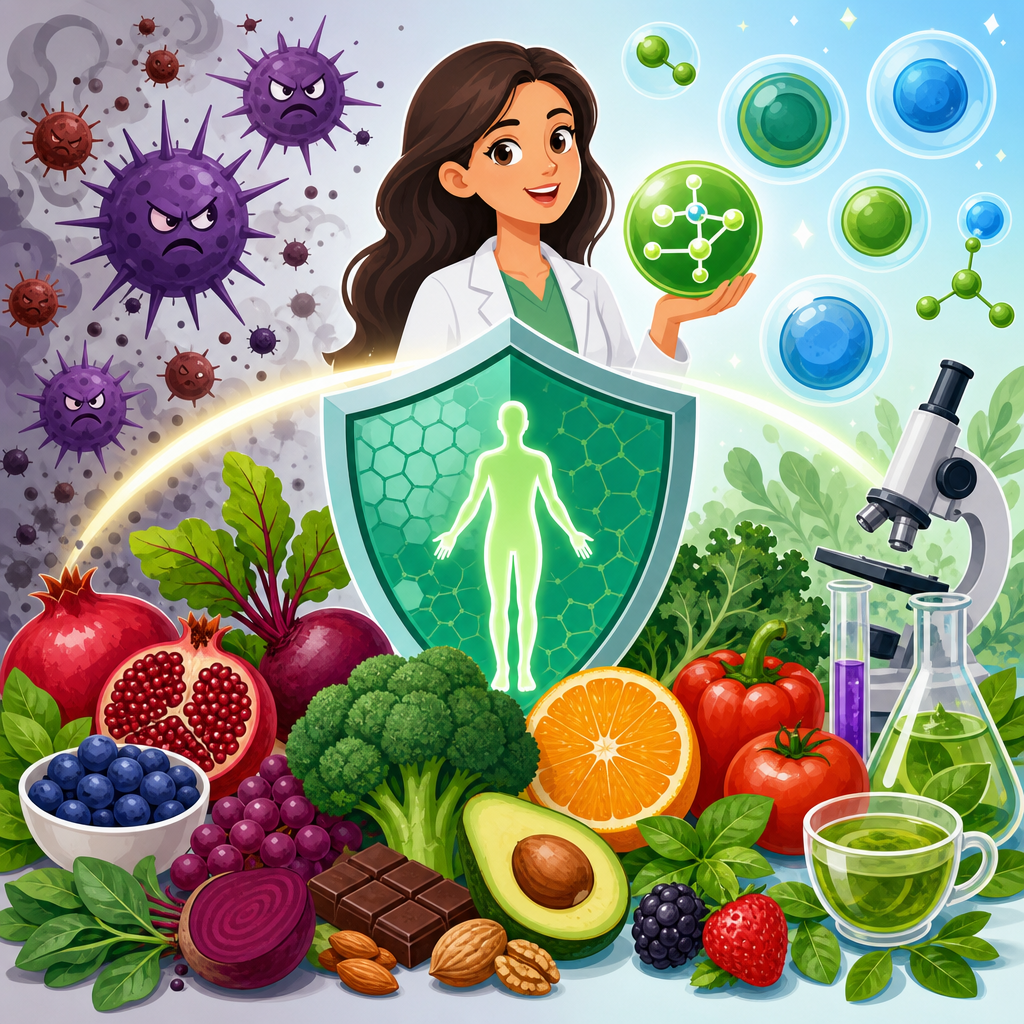
Antioxidants are compounds that help protect the body from oxidative stress, a biological process linked to aging, inflammation, and many chronic diseases. When people ask why antioxidants matter, the practical answer is simple: they help neutralize unstable molecules called free radicals before those molecules damage cells, proteins, and DNA. In nutrition, the importance of antioxidants lies not in a single miracle nutrient but in a coordinated defense system built from food, metabolism, and lifestyle. As a nutrition foundation topic, antioxidants deserve close attention because they connect everyday eating patterns with long-term health outcomes.
Free radicals are highly reactive molecules produced naturally during normal metabolism, especially when the body converts food into energy in the mitochondria. They are also generated by external exposures such as cigarette smoke, ultraviolet radiation, air pollution, alcohol, heavy exercise, and some infections. Oxidative stress occurs when free radical production outpaces the body’s ability to control them. I have seen this concept become much clearer for readers when framed as balance rather than fear: free radicals are not always bad, and antioxidants are not a cure-all. The body actually uses reactive molecules for signaling, immune defense, and adaptation. Problems arise when the system is persistently overloaded.
That balance matters because oxidative damage has been implicated in cardiovascular disease, type 2 diabetes, neurodegenerative disorders, cataracts, liver disease, and certain cancers. Researchers measure this damage through markers such as lipid peroxidation, oxidized LDL particles, and DNA oxidation products. At the same time, the body is equipped with built-in antioxidant enzymes including superoxide dismutase, catalase, and glutathione peroxidase. Diet supports these systems by supplying vitamins, minerals, and plant compounds that either directly quench reactive species or regenerate other antioxidants. Understanding the science behind antioxidants helps people make better food choices, avoid misleading supplement claims, and build eating habits that protect health over decades rather than days.
What antioxidants are and how they work in the body
An antioxidant is any substance that can donate an electron to a free radical without becoming dangerously unstable itself, thereby interrupting chain reactions that damage tissues. This definition includes nutrients such as vitamin C, vitamin E, and carotenoids, as well as minerals like selenium and manganese that help antioxidant enzymes function. It also includes thousands of phytochemicals in plants, notably flavonoids, polyphenols, anthocyanins, and catechins. In plain terms, antioxidants act like part of a cellular maintenance crew. They stabilize reactive molecules, repair oxidized structures, and help preserve membrane integrity, immune function, and normal cell signaling.
The process is more sophisticated than the popular image of one antioxidant molecule chasing one free radical. Antioxidants work in networks. Vitamin E protects cell membranes because it is fat soluble, while vitamin C, being water soluble, can regenerate oxidized vitamin E. Glutathione, one of the body’s central antioxidant compounds, participates in detoxification and helps recycle other antioxidants. Selenium is required for glutathione peroxidase, an enzyme that reduces peroxides before they can damage lipids and proteins. This is why food variety matters. A mixed diet supplies overlapping antioxidant functions that no single compound can replace.
It is also important to understand that antioxidant capacity measured in a lab does not automatically equal health benefit in humans. A food may score high in a chemical assay, yet digestion, absorption, metabolism, and tissue distribution determine what actually happens in the body. For example, polyphenols are extensively transformed by gut microbes and liver enzymes, producing metabolites that may have different effects from the original compounds. The most reliable conclusion from human nutrition research is not that one superfood prevents disease, but that antioxidant-rich dietary patterns consistently support better health.
Major types of dietary antioxidants and where to find them
Several antioxidant families show up repeatedly in clinical nutrition and public health guidance. Vitamin C is abundant in citrus, kiwi, strawberries, bell peppers, broccoli, and potatoes. It supports collagen synthesis, immune defense, and regeneration of other antioxidants. Vitamin E refers to a group of tocopherols and tocotrienols found in nuts, seeds, vegetable oils, wheat germ, and avocado. Carotenoids such as beta-carotene, lycopene, lutein, and zeaxanthin are present in carrots, sweet potatoes, tomatoes, spinach, kale, and egg yolks. Selenium appears in Brazil nuts, seafood, meats, eggs, and grains, though content varies with soil levels.
Plant polyphenols form the broadest category. Flavonoids occur in berries, apples, onions, tea, cocoa, and legumes. Anthocyanins give blueberries, blackberries, purple cabbage, and cherries their deep color. Catechins are concentrated in green tea and cocoa. Resveratrol is found in grapes and red wine, though the amounts in wine are modest compared with what supplement marketing often implies. Curcuminoids from turmeric and phenolic compounds in extra-virgin olive oil also contribute antioxidant and anti-inflammatory activity. In practice, color diversity on the plate remains one of the best shorthand guides for intake.
| Antioxidant | Main food sources | Primary role |
|---|---|---|
| Vitamin C | Citrus, berries, peppers, broccoli | Water-phase defense, collagen support, regenerates vitamin E |
| Vitamin E | Almonds, sunflower seeds, oils, avocado | Protects cell membranes from lipid oxidation |
| Carotenoids | Tomatoes, carrots, leafy greens, sweet potatoes | Support eye health, immune function, oxidative balance |
| Polyphenols | Tea, cocoa, berries, olives, beans | Influence signaling pathways, inflammation, vascular function |
| Selenium-dependent enzymes | Brazil nuts, seafood, eggs, meats | Enable peroxide breakdown and redox control |
Whole foods matter because they package antioxidants with fiber, minerals, unsaturated fats, and other bioactive compounds that affect absorption and metabolism. Tomatoes are a good example: cooking them increases the bioavailability of lycopene, especially when eaten with olive oil. Leafy greens deliver lutein and zeaxanthin in a matrix that also provides folate, potassium, and nitrate compounds linked with vascular benefits. Berries pair anthocyanins with fiber that supports the gut microbiome. These combinations help explain why dietary patterns usually outperform isolated pills in long-term studies.
How oxidative stress influences aging and chronic disease
Oxidative stress contributes to disease through several mechanisms. Reactive species can oxidize LDL cholesterol, making it more likely to participate in plaque formation within arteries. They can damage endothelial cells, reducing nitric oxide availability and impairing blood vessel function. They can trigger inflammatory signaling pathways such as NF-kB and affect insulin signaling, mitochondrial performance, and cellular repair systems. In the nervous system, which is highly metabolically active and rich in easily oxidized fats, chronic oxidative burden is associated with neurodegenerative processes. These effects develop gradually, which is why prevention through diet and lifestyle is more effective than trying to reverse damage late.
Cardiovascular health provides one of the clearest examples. Diets rich in fruits, vegetables, legumes, nuts, and olive oil are associated with lower rates of heart disease, in part because they reduce oxidative modification of lipids and improve endothelial function. The Mediterranean dietary pattern repeatedly shows these benefits. In diabetes care, antioxidant-rich foods can help by improving diet quality overall, supporting weight management, and reducing post-meal oxidative stress, especially when they replace refined carbohydrates and processed foods. For eye health, lutein and zeaxanthin are concentrated in the macula and help filter high-energy blue light, which is one reason leafy greens are linked with lower risk of age-related macular degeneration.
Aging itself is not caused only by oxidation, but oxidative stress is one contributor among many, alongside genomic instability, chronic inflammation, and metabolic changes. In clinical practice and nutrition counseling, the most reliable message is that antioxidant support is cumulative. A salad eaten once is not protective in isolation. Years of regularly consuming produce, beans, nuts, herbs, tea, and minimally processed foods create the environment in which antioxidant defenses can operate effectively. That long view is the science-based way to think about healthy aging.
Food first versus supplements: what the evidence actually shows
Many people assume antioxidant supplements are an easy shortcut, but the evidence is mixed and sometimes cautionary. Large trials of high-dose beta-carotene supplements in smokers found increased lung cancer risk, not protection. Vitamin E supplementation has shown inconsistent results for heart disease prevention, and high doses may interfere with normal redox signaling or interact with medications. This is a pattern I emphasize often: nutrients that are beneficial in foods do not automatically produce the same effect when isolated, concentrated, and taken chronically as pills.
Food-first guidance is stronger for several reasons. First, whole foods provide balanced doses rather than megadoses. Second, they deliver synergistic compounds that work together. Third, they displace less nutritious options, improving the overall dietary pattern. Supplements still have a place when there is a diagnosed deficiency, increased physiological need, restricted intake, or a specific clinical recommendation. Examples include age-related eye health formulas based on AREDS research for selected patients, prenatal supplementation where appropriate, or medically supervised correction of nutrient gaps. The key is targeted use, not blanket assumptions that more antioxidants are always better.
Another nuance is exercise. Intense physical activity temporarily raises oxidative stress, but that stress is part of how the body adapts and becomes fitter. Very high-dose antioxidant supplementation around training may blunt some beneficial adaptations in certain contexts. Food-based antioxidant intake does not appear to create the same problem and remains the preferred strategy. This illustrates an important scientific point: reactive molecules are part of normal biology. The goal is regulation, not elimination.
Best ways to increase antioxidant intake in everyday meals
The most effective strategy is to build meals around variety and consistency. Aim to include fruits or vegetables at every meal, choose different colors across the week, and regularly rotate legumes, nuts, seeds, herbs, spices, tea, and whole grains. A practical day might include oats with berries and walnuts at breakfast, a bean and vegetable grain bowl with olive oil at lunch, and salmon with roasted broccoli, tomatoes, and sweet potato at dinner. Snacks such as citrus fruit, yogurt with cherries, or a small portion of dark chocolate with tea can add more antioxidant diversity.
Preparation matters. Cutting produce ahead of time can increase convenience and consumption. Gentle cooking can improve the availability of some compounds, while overcooking can degrade others such as vitamin C. Pairing fat-soluble carotenoids with healthy fats improves absorption, so adding olive oil to salads or cooking tomatoes with oil makes nutritional sense. Frozen fruits and vegetables are excellent options because they are usually processed soon after harvest and retain much of their nutrient value. For budget-conscious households, cabbage, carrots, onions, beans, spinach, oats, and seasonal fruit provide strong antioxidant returns at low cost.
Finally, remember the broader context. Smoking cessation, adequate sleep, regular exercise, weight management, and reducing ultra-processed food intake all lower oxidative burden. Antioxidants are not just a list of nutrients; they are part of a whole-system approach to health. If you want to improve your nutrition basics, start by filling half your plate with plant foods, using herbs and spices generously, and choosing patterns you can maintain. That is how the importance of antioxidants translates from biochemistry into visible, lasting health benefits.
The science behind antioxidants points to a clear conclusion: they matter because they help the body manage oxidative stress, preserve cellular function, and support long-term disease prevention. Their benefits come from an integrated network that includes endogenous enzymes, essential nutrients, and plant compounds working together rather than from a single superstar ingredient. Foods rich in vitamin C, vitamin E, carotenoids, polyphenols, and selenium contribute to this defense system, especially when eaten regularly as part of a diverse dietary pattern.
Just as important, the evidence shows that context matters. Whole foods consistently outperform high-dose supplements for most people because they provide balanced amounts, better synergy, and broader nutritional value. Antioxidant-rich eating patterns are linked with healthier blood vessels, better metabolic function, protection for eye and brain tissues, and more resilient aging. They also fit naturally into practical meals built from vegetables, fruit, legumes, nuts, seeds, whole grains, tea, cocoa, seafood, and olive oil.
If you are using this Nutrition Basics hub as your starting point, the main takeaway is straightforward: focus on daily dietary variety, not isolated fixes. Add one more color to your plate, swap a processed snack for fruit and nuts, cook with olive oil, and make antioxidant-rich foods a default habit. Small repeated choices create the protective effect people are really looking for. Start with your next meal and build from there.
Frequently Asked Questions
What are antioxidants, and why are they important for human health?
Antioxidants are compounds that help protect the body from oxidative stress by neutralizing free radicals, which are unstable molecules produced during normal metabolism and in response to outside exposures such as pollution, smoking, radiation, and poor dietary patterns. Free radicals are not always harmful in small amounts, because the body also uses them in signaling and immune defense. The problem begins when they build up faster than the body can control them. When that happens, they can damage cell membranes, proteins, and DNA, contributing to aging, inflammation, and the development of many chronic conditions.
The importance of antioxidants lies in their role as part of the body’s broader defense system. They do not act as a single magic shield. Instead, they work in a network that includes nutrients from food, antioxidant enzymes made by the body, and repair mechanisms that help restore damaged tissues. Vitamins C and E, carotenoids, selenium, polyphenols, and naturally produced compounds such as glutathione all contribute to this protection. In practical terms, antioxidants matter because they help maintain cellular stability, support healthy aging, and reduce the biological wear and tear associated with ongoing oxidative damage.
How do antioxidants work against free radicals in the body?
Antioxidants work by safely donating electrons to free radicals without becoming dangerously unstable themselves. Free radicals are highly reactive because they are missing an electron, so they seek out other molecules in the body to steal one. That reaction can set off a chain process that harms nearby cells and tissues. Antioxidants interrupt this cycle by stabilizing free radicals before they can trigger wider damage. This is one of the main scientific reasons antioxidants are considered important in protecting long-term health.
Different antioxidants perform different roles. Some, such as vitamin C, work in watery environments like blood plasma and the fluid inside cells. Others, such as vitamin E, protect fatty structures like cell membranes. Plant compounds such as flavonoids and carotenoids may help by directly neutralizing reactive molecules, influencing cell signaling, and supporting the activity of the body’s own antioxidant enzymes. Meanwhile, internal systems involving glutathione, superoxide dismutase, and catalase continuously manage oxidative stress from within. This teamwork is essential because oxidative stress can occur in many tissues and under many conditions, from exercise and infection to chronic inflammation and environmental exposure.
What health benefits are associated with getting enough antioxidants?
Getting enough antioxidants is associated with a wide range of health benefits because oxidative stress is involved in many of the body’s major disease processes. A diet rich in antioxidant-containing foods may help support heart health by limiting oxidation of LDL cholesterol, improving blood vessel function, and reducing inflammation. Antioxidants are also linked to brain health, since the brain uses large amounts of oxygen and is especially vulnerable to oxidative damage over time. This has made antioxidants an important area of research in cognitive aging and neuroprotection.
Antioxidants may also contribute to healthier skin, stronger immune function, and better recovery from everyday physiological stress. Their role in protecting DNA and cellular structures is one reason they are often discussed in relation to cancer prevention, although the relationship is complex and depends on many lifestyle and genetic factors. In the context of overall wellness, the most reliable benefit of antioxidants comes from eating a varied diet built around fruits, vegetables, legumes, nuts, seeds, herbs, spices, and other minimally processed plant foods. These foods deliver antioxidants together with fiber, minerals, and thousands of bioactive compounds that appear to work better as a whole-food pattern than as isolated high-dose nutrients.
Which foods are the best natural sources of antioxidants?
The best natural sources of antioxidants are colorful, minimally processed foods, especially plant foods. Berries, cherries, citrus fruits, grapes, pomegranates, leafy greens, broccoli, carrots, sweet potatoes, tomatoes, beets, and red cabbage all provide a range of antioxidant compounds. Nuts and seeds, especially walnuts, pecans, sunflower seeds, and flaxseeds, also contribute valuable antioxidant nutrients. Legumes, whole grains, dark chocolate with high cocoa content, green tea, coffee, and spices such as turmeric, cinnamon, oregano, and cloves can further increase antioxidant intake.
What matters most is variety rather than focusing on a single “superfood.” Different foods contain different antioxidant families, including vitamin C, vitamin E, carotenoids, flavonoids, anthocyanins, and polyphenols. Eating a broad spectrum of foods helps build a more complete protective network. For example, deep orange vegetables often supply carotenoids, berries are known for anthocyanins, and nuts and seeds may provide vitamin E and selenium. A practical approach is to include multiple colors across meals and snacks. This supports antioxidant intake naturally and aligns with the science showing that overall dietary patterns are more important than any one compound in isolation.
Should you take antioxidant supplements, or is food the better choice?
For most people, food is the better and safer choice. Whole foods provide antioxidants in balanced amounts along with fiber, healthy fats, protein, minerals, and other plant compounds that influence how those antioxidants are absorbed and used. In contrast, supplements typically deliver isolated nutrients in concentrated doses, and research has shown that more is not always better. In some cases, high-dose antioxidant supplements have failed to show clear benefits, and certain supplements may even be harmful for specific groups, such as smokers or people taking particular medications.
That does not mean supplements are never useful. Some individuals may benefit from targeted supplementation due to nutrient deficiencies, restricted diets, medical conditions, malabsorption issues, or specific life stages. However, antioxidant supplementation should ideally be guided by a healthcare professional rather than used casually in the hope of preventing disease. The current scientific view is that the greatest health benefits come from a nutrient-dense eating pattern, regular physical activity, adequate sleep, stress management, and avoiding tobacco exposure. Antioxidants are an important part of that picture, but they work best as one component of a broader healthy lifestyle rather than as a standalone fix.