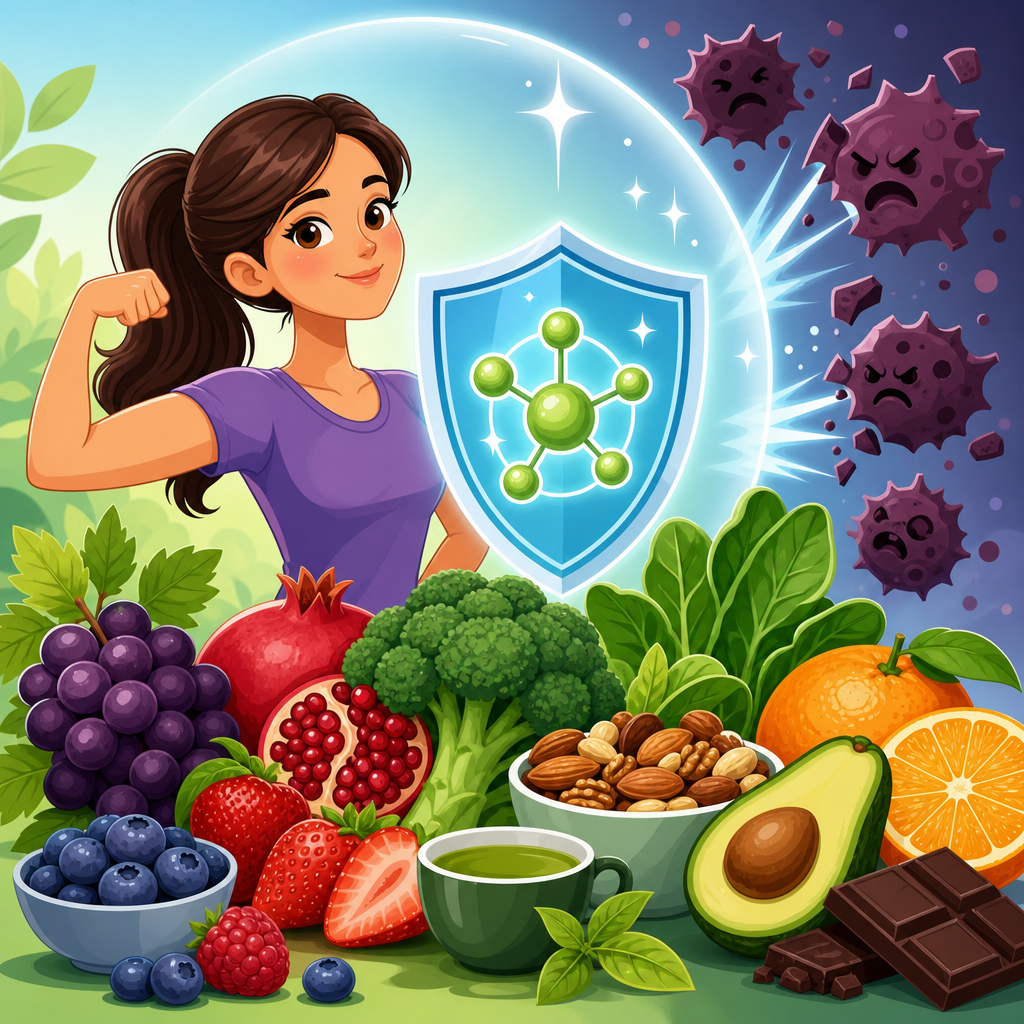
Antioxidants are compounds that help protect cells from damage caused by unstable molecules called free radicals, and understanding their role is one of the most practical steps anyone can take when learning nutrition basics. In clinical nutrition, public health guidance, and everyday meal planning, the importance of antioxidants comes up repeatedly because oxidative stress is linked to aging, inflammation, cardiovascular disease, diabetes, certain cancers, eye disorders, and reduced immune resilience. I have seen this firsthand when reviewing food logs with clients: people often think antioxidants are a single vitamin or a trendy supplement, when in reality they are a broad group of nutrients and plant chemicals working through different mechanisms in the body. Some antioxidants neutralize free radicals directly, some regenerate other antioxidants, and some support the enzymes that keep oxidative damage under control. Key examples include vitamin C, vitamin E, carotenoids such as beta-carotene and lycopene, polyphenols such as flavonoids, and minerals like selenium that support antioxidant enzymes. This topic matters because most people do not need exotic products to improve antioxidant intake; they need a consistent pattern of fruits, vegetables, legumes, nuts, seeds, herbs, spices, tea, and other minimally processed plant foods. Knowing what antioxidants do, where they come from, and how to use them wisely helps people make better food choices without falling for supplement marketing.
What antioxidants do in the body
The simplest definition is this: antioxidants limit oxidative damage. Free radicals are highly reactive molecules produced during normal metabolism, exercise, immune defense, pollution exposure, smoking, ultraviolet radiation, and other daily processes. Oxidative stress occurs when free radical production exceeds the body’s ability to neutralize them. That imbalance can damage lipids in cell membranes, proteins, and DNA. Antioxidants help by donating electrons without becoming dangerously unstable themselves, interrupting damaging chain reactions. The body also makes internal defenses, including glutathione and antioxidant enzymes such as superoxide dismutase, catalase, and glutathione peroxidase. These systems depend on adequate intake of supporting nutrients, including selenium, zinc, copper, and manganese. In practice, antioxidant protection is not about eliminating oxidation entirely, because oxidation is part of normal physiology. It is about maintaining balance. For example, exercise briefly increases free radical production, but regular training improves the body’s own antioxidant capacity over time. That is why a balanced antioxidant strategy supports health without trying to suppress normal biological signaling.
Major types of dietary antioxidants
When people ask which antioxidant is best, the accurate answer is that variety matters more than any single compound. Vitamin C, found in citrus, kiwi, bell peppers, strawberries, and broccoli, works in water-based environments and helps regenerate vitamin E. Vitamin E, present in almonds, sunflower seeds, wheat germ, and vegetable oils, protects fats in cell membranes from oxidation. Carotenoids give yellow, orange, and red plant foods their color; beta-carotene is abundant in carrots and sweet potatoes, lutein and zeaxanthin in leafy greens, and lycopene in tomatoes and watermelon. Polyphenols are a large family that includes anthocyanins in berries, catechins in tea, flavanols in cocoa, and resveratrol in grapes. Selenium, though not an antioxidant in the same direct way as vitamin C, is essential for glutathione peroxidase activity. Coenzyme Q10 and glutathione also contribute, though they are discussed more often in clinical settings than in general diet planning. Different antioxidants work in different tissues, and many perform best as part of a network rather than as isolated megadoses.
Why whole foods beat the antioxidant score obsession
For years, shoppers were taught to chase numerical ratings for antioxidant power, especially laboratory measures such as ORAC. The problem is that test-tube capacity does not reliably predict what happens in the human body after digestion, absorption, metabolism, and distribution into tissues. I stopped using antioxidant score charts with clients because they encouraged narrow choices, like overvaluing one berry powder while ignoring overall diet quality. Whole foods provide fiber, potassium, folate, healthy fats, and thousands of bioactive compounds that interact in ways a pill cannot fully reproduce. Tomatoes are a good example: cooked tomatoes paired with olive oil can improve lycopene absorption, while the meal also brings flavor and satiety that make healthy eating sustainable. Blueberries offer anthocyanins, but also fiber and water. Green tea provides catechins, but replacing sugar-sweetened beverages with tea can lower calorie intake as well. The most effective approach is not to hunt for a superfood. It is to build meals around a range of colorful, minimally processed plant foods that naturally deliver antioxidant diversity.
Best food sources of antioxidants
A practical antioxidant-rich diet is built from familiar foods found in most grocery stores. Berries, cherries, oranges, pomegranate, grapes, and kiwi are strong fruit choices. Vegetables such as spinach, kale, red cabbage, beets, carrots, tomatoes, broccoli, Brussels sprouts, and red bell peppers provide carotenoids, vitamin C, and polyphenols. Legumes contribute antioxidant compounds along with fiber and plant protein, especially black beans and red kidney beans. Nuts and seeds, including walnuts, pecans, almonds, flaxseed, chia seeds, and sunflower seeds, supply vitamin E and other protective compounds. Herbs and spices are concentrated sources; turmeric, cinnamon, oregano, cloves, ginger, rosemary, and cumin can meaningfully raise antioxidant intake when used regularly. Beverages matter too. Coffee and tea are major antioxidant sources in many adult diets, particularly when not overloaded with sugar. Dark chocolate with a high cocoa content can contribute flavanols. Extra virgin olive oil supplies polyphenols and fits well into Mediterranean-style eating patterns associated with lower chronic disease risk.
| Food | Primary antioxidants | Easy way to use it |
|---|---|---|
| Blueberries | Anthocyanins, vitamin C | Add to oatmeal or yogurt |
| Tomatoes | Lycopene, vitamin C | Use cooked in sauces with olive oil |
| Spinach | Lutein, zeaxanthin, vitamin C | Fold into eggs, soups, or salads |
| Almonds | Vitamin E, polyphenols | Snack on a small handful |
| Green tea | Catechins | Replace one sugary drink daily |
| Black beans | Polyphenols | Add to bowls, soups, or tacos |
How antioxidants support long-term health
The importance of antioxidants becomes clearer when looking at disease patterns. Diets rich in fruits, vegetables, legumes, nuts, and olive oil are consistently associated with better cardiometabolic health. One reason is that antioxidant compounds help reduce LDL oxidation, endothelial dysfunction, and chronic low-grade inflammation, all of which matter in atherosclerosis. In eye health, lutein and zeaxanthin accumulate in the retina and are linked with support for macular function, which is why leafy greens are emphasized in nutrition guidance for older adults. In skin health, carotenoids and vitamin C contribute to defense against ultraviolet-induced oxidative stress, though they do not replace sunscreen. In immune function, antioxidants help protect immune cells during high-demand states such as infection and intense training. Research on cancer prevention is more nuanced: high-antioxidant dietary patterns are associated with lower risk for some cancers, but isolated high-dose supplements have not consistently shown benefit and have sometimes caused harm in smokers. The lesson is clear. Food patterns matter more than single compounds taken out of context.
Antioxidants, aging, exercise, and recovery
Aging is influenced by many processes, but cumulative oxidative damage is one of the better-established contributors. That does not mean antioxidants can stop aging, yet they can support healthier aging by helping preserve cellular integrity alongside sleep, exercise, and adequate protein intake. In active people, the topic becomes more interesting. Exercise increases oxygen use and transient oxidative stress, but this is partly how training stimulates adaptation. I generally advise athletes and recreational exercisers to prioritize antioxidant-rich foods rather than routine high-dose antioxidant supplements, especially immediately around training. There is evidence that large doses of vitamins C and E may blunt some exercise-induced signaling involved in endurance and insulin-sensitivity adaptations. Whole foods do not appear to create the same problem because they deliver moderate amounts within a broader nutrient matrix. Tart cherries, berries, citrus, leafy greens, and cocoa can fit recovery meals well, especially when paired with carbohydrate and protein. For older adults, antioxidant-rich diets combined with resistance training may help support muscle function by improving overall diet quality and reducing inflammatory burden.
Should you take antioxidant supplements?
Sometimes yes, often no, and rarely as a substitute for food. Supplements can be appropriate when a deficiency is identified, intake is consistently inadequate, absorption is impaired, or a clinician recommends a targeted nutrient for a specific condition. Examples include vitamin C in severe dietary restriction, vitamin E in rare malabsorption disorders, or AREDS2-based eye formulas for certain patients with age-related macular degeneration under professional guidance. But more is not automatically better. Beta-carotene supplements increased lung cancer risk in smokers in major trials, and high-dose vitamin E has raised safety concerns in some populations. Antioxidant supplements can also interact with medications, including anticoagulants and some chemotherapy regimens. From practice, the biggest mistake is using supplements to compensate for low produce intake, poor sleep, excess alcohol, or smoking. They cannot erase those exposures. If someone wants an insurance policy, a clinician-guided plan is more rational than self-prescribing multiple high-dose products. Start with diet, then use supplements only when there is a clear indication, realistic benefit, and attention to safety.
How to increase antioxidant intake in everyday meals
The easiest way to raise antioxidant intake is to make the healthy choice automatic. Build breakfast around fruit and nuts, such as oatmeal with berries, walnuts, and cinnamon. At lunch, include two colors of vegetables; for example, spinach with red peppers and chickpeas. At dinner, use a formula of protein, whole grain or legumes, and at least two antioxidant-rich plants, such as salmon with roasted Brussels sprouts and sweet potato. Keep frozen berries, spinach, and broccoli on hand because freezing preserves many nutrients and reduces food waste. Choose extra virgin olive oil over refined fats when appropriate. Use herbs and spices generously instead of relying only on salt. Swap dessert some nights for fruit with plain yogurt and cocoa nibs. Replace one ultra-processed snack with nuts or fruit. If you eat out often, add a side salad, tomato-based dishes, beans, or vegetable soups. Small repeatable habits matter more than perfect eating. Over a week, these choices can significantly increase antioxidant variety, which is more meaningful than chasing a single nutrient target.
Antioxidants matter because they help the body manage oxidative stress, but the real takeaway is broader: good nutrition works through patterns, not miracles. The most important antioxidants come from ordinary foods eaten consistently, especially fruits, vegetables, legumes, nuts, seeds, herbs, spices, tea, coffee, cocoa, and olive oil. Each class has a different job, from protecting cell membranes to supporting retinal health or recycling other antioxidants, which is why dietary variety is essential. Whole foods outperform the “antioxidant score” mindset because they deliver fiber, minerals, and bioactive compounds together in amounts the body is equipped to use. Supplements have a place in specific medical situations, but they are not a shortcut and can carry risks when used casually or in high doses. If you want to act on this information, start with one simple upgrade today: add one colorful plant food to every meal this week. That single habit builds a stronger antioxidant foundation and makes the rest of healthy eating much easier to sustain over time.
Frequently Asked Questions
What are antioxidants, and why are they so important to overall health?
Antioxidants are natural or synthetic compounds that help protect the body’s cells from damage caused by free radicals. Free radicals are unstable molecules produced during normal metabolism, but they can also increase because of outside influences such as smoking, air pollution, UV exposure, poor diet, heavy alcohol use, and chronic stress. When free radicals build up faster than the body can neutralize them, the result is oxidative stress. This matters because oxidative stress can damage cell membranes, proteins, and even DNA, which may contribute over time to aging and a wide range of chronic health conditions.
The importance of antioxidants comes from their role in helping maintain balance. They do not “stop aging” or act as a magic shield against disease, but they support the body’s defense systems in a meaningful way. Research continues to connect oxidative stress with inflammation, cardiovascular disease, diabetes, certain cancers, cognitive decline, eye disorders, and weakened immune resilience. Antioxidants help interrupt the chain reactions caused by free radicals, which is why they are such a central topic in nutrition science, preventive health, and practical meal planning. In simple terms, antioxidants help the body manage everyday wear and tear at the cellular level.
Which foods are the best sources of antioxidants?
The best sources of antioxidants are generally whole plant foods, especially those with deep, vibrant colors. Berries, cherries, oranges, grapes, pomegranates, leafy greens, broccoli, carrots, sweet potatoes, tomatoes, red cabbage, beets, and bell peppers all provide a wide range of antioxidant compounds. Nuts, seeds, beans, whole grains, herbs, spices, green tea, and even dark chocolate can also contribute valuable antioxidants. Different foods contain different types, including vitamin C, vitamin E, beta-carotene, selenium, flavonoids, polyphenols, lutein, zeaxanthin, and lycopene, so variety matters more than focusing on one “superfood.”
A practical way to think about antioxidant intake is to build meals around diversity. A salad with spinach, tomatoes, red onions, olive oil, and sunflower seeds offers a broader antioxidant profile than relying on one ingredient alone. A breakfast with oats, berries, walnuts, and cinnamon is another simple example. Public health guidance consistently favors getting antioxidants from food rather than depending mainly on supplements, because whole foods also provide fiber, minerals, and other beneficial plant compounds that work together in ways isolated pills cannot fully replicate. If someone wants to improve antioxidant intake, the simplest starting point is often to “eat more color” across the day.
Can antioxidants really help prevent chronic disease?
Antioxidants can play an important role in lowering disease risk, but it is best to understand their effect as part of a larger health pattern rather than as a standalone cure-all. Oxidative stress is involved in many chronic conditions, including heart disease, type 2 diabetes, some cancers, neurodegenerative diseases, and eye conditions such as macular degeneration and cataracts. Because antioxidants help reduce oxidative damage, they are considered one piece of the protective framework that supports long-term health. Diets rich in fruits, vegetables, legumes, nuts, and whole grains are consistently associated with better health outcomes, and part of that benefit is linked to antioxidant activity.
That said, prevention is never about antioxidants alone. The strongest evidence supports overall dietary patterns, regular physical activity, sleep quality, smoking avoidance, stress management, and appropriate medical care. For example, a Mediterranean-style diet is often praised not just because it includes antioxidant-rich produce, but because it also emphasizes healthy fats, fiber, and minimally processed foods. In real-world health, antioxidants contribute to a bigger picture: they help reduce cellular stress, support healthy inflammatory responses, and may lower cumulative damage over time. That is significant, but it works best when paired with consistent healthy habits.
Are antioxidant supplements necessary, or is food enough?
For most people, food is the preferred and most reliable source of antioxidants. Whole foods provide a natural combination of vitamins, minerals, fiber, and phytochemicals that appear to work together more effectively than isolated high-dose supplements in many cases. Clinical nutrition experts generally encourage people to meet nutrient needs through balanced eating whenever possible. This approach is safer, more sustainable, and supported by stronger long-term evidence. Getting antioxidants from food also reduces the risk of taking excessive doses of specific nutrients, which can sometimes do more harm than good.
Supplements may be appropriate in certain situations, such as diagnosed nutrient deficiencies, restricted diets, malabsorption conditions, or medically supervised treatment plans. However, more is not always better. High-dose antioxidant supplementation has shown mixed results in research, and some supplements may interfere with medications, chemotherapy, or the body’s normal signaling processes. For example, very large doses of certain antioxidant vitamins are not universally recommended and may not provide the expected protective benefit. The most practical takeaway is this: start with a nutrient-dense diet, and use supplements only when there is a clear reason and guidance from a qualified healthcare professional.
How can someone increase antioxidants in their diet in a realistic, everyday way?
Improving antioxidant intake does not require expensive powders, strict rules, or a complete diet overhaul. The most effective strategy is to make small, repeatable upgrades to meals and snacks. Add berries or sliced fruit to breakfast, include a vegetable at lunch and dinner, swap refined snacks for nuts or fruit, use beans more often, and season foods with herbs and spices such as turmeric, oregano, ginger, garlic, and cinnamon. Drinking green tea, choosing whole grains, and rotating produce throughout the week can also help broaden antioxidant exposure without making eating feel complicated.
Consistency matters more than perfection. A simple goal such as filling half the plate with fruits and vegetables is often more useful than tracking individual antioxidant compounds. Shopping seasonally, keeping frozen produce on hand, and preparing basic ingredients ahead of time can make antioxidant-rich eating more realistic for busy households. It is also important to remember that antioxidants are not just about “healthy eating” in a vague sense; they are part of a practical framework for reducing oxidative stress and supporting heart health, metabolic health, eye health, and immune function. In everyday terms, eating more antioxidant-rich foods is one of the most accessible ways to support the body’s long-term resilience.