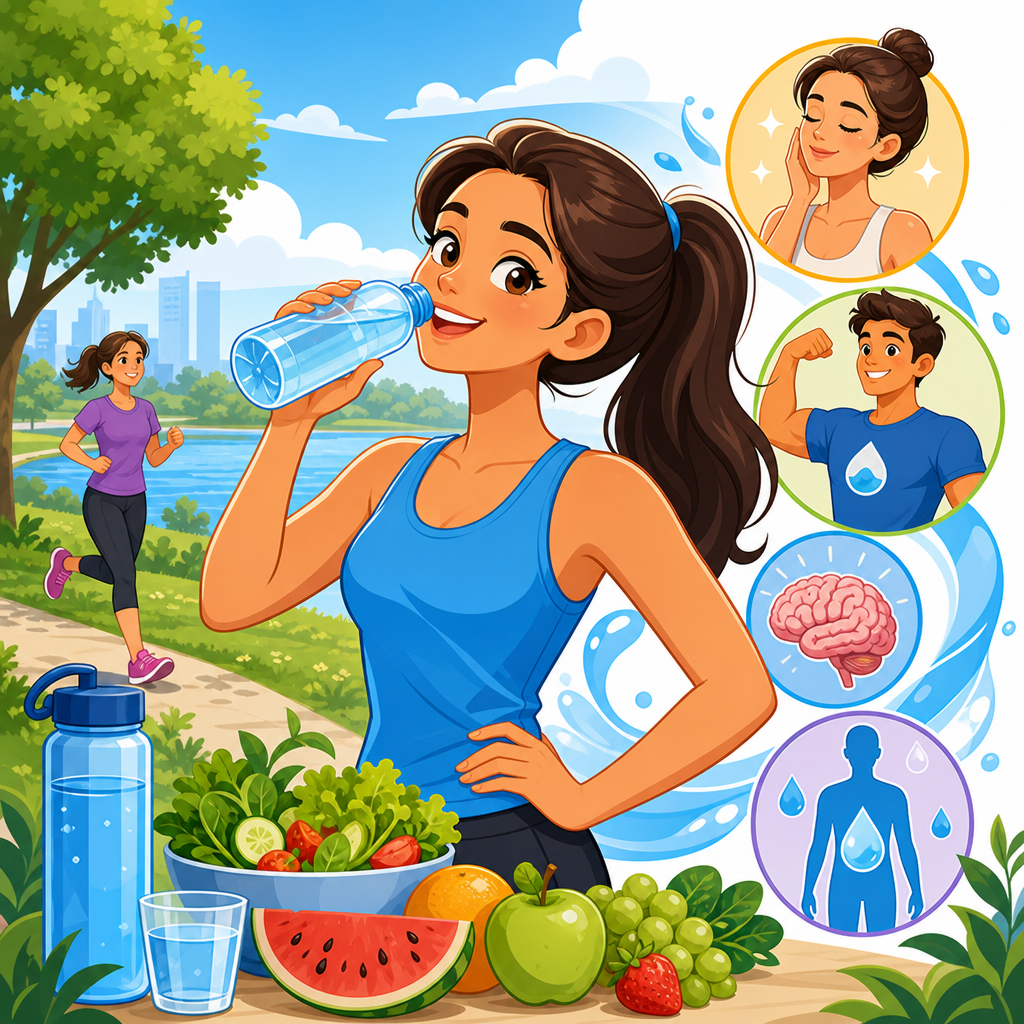
Water is a cornerstone of health, yet its significance is often underestimated. As we strive to maximize our health, we must acknowledge hydration as an essential element in achieving optimal wellness. Understanding the role of hydration extends beyond the simplistic notion of drinking water. It encapsulates how water supports the myriad functions our bodies perform daily. From the cellular level to complex physiological processes, hydration is pivotal in maintaining and enhancing our vitality. In recognizing the critical impact hydration has on health, we can harness this knowledge to make informed lifestyle choices that promote longevity and resilience against illnesses. This article delves into the importance of hydration, the physiological mechanisms at play, and the strategies we can employ to equip ourselves with the power of proper hydration, setting the stage for dynamic health.
The human body is a complex system where balance is key, and water is an essential component of this balance. Our body’s cells, organs, and tissues rely heavily on water to function properly. Every single physiological operation, from temperature regulation through sweating to nutrient transportation within and across cells, demands an adequate hydration level. The clarity this understanding brings allows us to view drinking water as more than a thirst-quenching task—it’s a critical component of preventative health maintenance. As we unfold the layers of how hydration impacts health, we’ll discover the far-reaching benefits of staying properly hydrated—for both physical health and cognitive performance. By the end of this exploration, you’ll be equipped with a comprehensive understanding of how to effectively integrate proper hydration into your daily life, enhancing both your well-being and quality of life.
The Science of Hydration
Hydration fundamentally involves maintaining the right amount of water in the body to support all functions effectively. Water makes up around 60% of the human body, accentuating its vital role in our daily physiological processes. It operates as a solvent, a means of transport, a temperature regulator, and a participant in metabolic reactions. It’s present in every cell, tissue, and organ, making it integral to virtually every function within the body. From enabling digestion and absorption of nutrients to facilitating waste elimination, water is indispensable.
Joints and spinal cords get lubrication through water, acting as a shock absorber protecting against everyday wear and tear. With blood being predominantly water, this fluid is essential in oxygen and nutrient delivery, ensuring cells remain healthy and functional. When our bodies metabolize carbohydrates and proteins, water plays an indispensable role in these chemical reactions, exemplifying hydration’s necessity at a cellular level.
Beyond these roles, hydration significantly affects the kidneys’ ability to detoxify the body. As the principal organs responsible for waste filtration, kidneys require adequate water levels to eliminate toxins through urine. Poor hydration strains these organs and impair their ability to function, potentially leading to kidney stones or other ailments. The cognitive implications of hydration are profound as well, influencing concentration, mood, and memory. Even mild dehydration can cause cognitive impairments, debunking any myths of water’s insignificance to mental acuity.
Signs of Dehydration and Its Health Effects
Recognizing the signs of dehydration is crucial for ensuring we maintain optimal hydration. Dehydration can manifest in several ways: dry skin, fatigue, dizziness, confusion, decreased urine output, and dark-colored urine. As the body becomes deprived of necessary fluid levels, various physiological functions begin to falter. Long-term dehydration can contribute to severe complications, including chronic kidney issues, urinary tract infections, and increased susceptibility to heat-related illnesses.
In contrast, cognitive health is also at risk. Studies illustrate how dehydration affects brain operations, including mood swings, increased anxiety levels, and compromised short-term memory. Dehydration also reduces physical performance, as muscles do not work as efficiently without proper hydration. This inefficiency is due to decreased blood volume, translating into reduced delivery of essential nutrients and oxygen to cells, leading to quicker fatigue during physical activity.
Furthermore, dehydration can also negatively impact digestive health. Without adequate water levels, the digestive tract cannot efficiently move food and waste, resulting in constipation. Skin health, too, takes a hit as water plays a vital role in maintaining elasticity and plumpness. Thus, sustained periods without adequate hydration can cause premature aging and the appearance of wrinkles.
The Hydration and Nutrition Connection
While the emphasis on water as a key player in hydration is evident, the conversation extends to nutritional intake. Certain nutrients and foods have the ability to enhance or detract from hydration levels. For instance, foods high in water content, such as fruits and vegetables, contribute significantly to overall fluid intake. Cucumbers, watermelons, strawberries, and lettuce are excellent sources of dietary hydration.
Conversely, excessive consumption of caffeinated or alcoholic beverages can counteract hydration efforts. Caffeine has mild diuretic properties, promoting increased urine production and leading to the loss of fluid from the body. Similarly, alcohol consumption stimulates diuretic hormones, increasing the frequency of urination and swiftly dehydrating the body if proper water intake is not coupled.
Electrolytes, namely sodium, potassium, and magnesium, regulate fluid balance in the body. They are essential for maintaining cellular function, nerve signaling, muscle operation, and water retention. Nutrition focused on balanced electrolyte intake can significantly optimize hydration, especially after intense physical activity. Incorporating foods rich in potassium, like bananas and potatoes, along with magnesium-rich nuts and seeds, aids in replenishing lost electrolytes, ensuring comprehensive rehydration.
Hydration Strategies for Optimal Health
Understanding needs is paramount to creating effective hydration strategies. The amount of water required varies considerably among individuals, influenced by factors such as age, gender, climate, physical activity, and overall health status. However, general health guidelines usually recommend approximately 3.7 liters (about 125 ounces) for men and 2.7 liters (around 91 ounces) for women daily, counting all beverages and moisture in food.
To build strong hydration habits, begin each day with a glass of water, effectively countering overnight fluid loss. Keeping a water bottle within arm’s reach acts as a constant reminder to stay hydrated, making it easier to integrate regular drinking habits. Flavoring water with lemon, mint, or other fruits can make the practice enticing while incorporating smoothies and herbal teas adds variety.
For those who engage in regular physical activity, it’s critical to monitor fluid loss through sweat and adjust intake accordingly. Activities considered high-intensity or those conducted in hot climates necessitate increased water consumption. Weighing oneself before and after exercise can provide an indication of water loss, guiding fluid replacement efforts.
Additionally, leveraging technology can offer guidance, with apps available that track intake levels and send hydration reminders. It’s essential to listen to your body’s signals; thirst is an indicator, albeit not the most reliable, but it does serve as an alert for when hydration levels dwindle.
The Role of Hydration in Disease Prevention
The implications of effective hydration extend to disease prevention, showcasing its role as a powerful substance in circumventing illnesses. Consistent hydration supports cardiovascular health, reducing the likelihood of complications such as hypertension and heart disease. Adequate fluid levels maintain blood viscosity and total blood volume, minimizing the risk of clot formation.
In contrast, dehydration places unnecessary stress on the circulatory system, making the heart work harder to pump blood. Quickening the path to cardiovascular diseases, insufficient hydration prompts higher heart rates, detrimental blood pressure levels, and an increased risk of stroke.
Hydration’s impact on metabolic function also cannot be overstated. It supports the efficient breakdown and transportation of nutrients, aiding in metabolism and weight management. Moreover, sufficient hydration facilitates appropriate leptin levels, a hormone responsible for regulating hunger, making it a useful tool for appetite modulation and obesity prevention.
Conclusion
The intricate relationship between hydration and health is undeniably crucial, influencing countless aspects of physical and mental well-being. Hydration is, indeed, the unsung hero in maintaining bodily harmony. By ensuring adequate water levels, we fuel vital physiological processes, provide resilience against potential health challenges, and promote a longer, healthier lifespan.
Recognizing signs of dehydration and the extensive benefits of proper hydration enables individuals to proactively integrate these practices into their daily routine. Prioritizing hydration is not just a nod to general wellness but a compelling strategy for comprehensive health optimization.
Incorporating water-rich foods, moderating diuretic consumption, and utilizing technology-driven solutions enhances our ability to maintain necessary hydration standards effortlessly. Ultimately, armed with this understanding, we can adopt lifestyle changes tailored towards achieving maximal health efficiency and thereby bolster our defenses against preventable illnesses. Mindfully attending to hydration reflects a commitment to overall vitality, enriching our quality of life one sip at a time.
Frequently Asked Questions
1. Why is hydration so important for our health?
Hydration is absolutely fundamental to our health, and its importance cannot be overstated. Our bodies are made up of around 60% water, which plays a critical role in an array of bodily functions. Water acts as a building block for cells, transports nutrients throughout the body, and eliminates waste. It maintains the structure of cells and tissues and even regulates our body temperature through sweating and respiration. When we’re well-hydrated, we experience improved cognition, better digestion, and even enhanced mood. Additionally, staying hydrated aids in maintaining healthy skin, reducing the risk of urinary tract infections, and more. Dehydration, on the other hand, can have serious implications, leading to issues such as fatigue, headaches, and impaired physical performance. All of these reasons make it clear why we must make adequate hydration a priority for maximizing our health.
2. How does hydration affect our physical performance?
Proper hydration is critical for anyone looking to optimize their physical performance. When you exercise, your body temperature rises, and your body loses water through sweat as a mechanism to cool down. This loss of water and electrolytes can lead to dehydration if not replenished, which negatively impacts performance. Dehydration can cause fatigue, decrease strength, diminish endurance, and impair coordination. In extreme cases, it can also lead to heat illnesses like heat stroke. On the flip side, staying well-hydrated helps keep muscles lubricated, regulates body temperature, and allows you to maintain peak performance for longer. Athletes, in particular, need to pay careful attention to their hydration levels before, during, and after exercise to ensure they are providing their bodies with the necessary resources to operate efficiently. Remember, your muscles crave water to function at their very best!
3. What are the signs that I might be dehydrated?
Recognizing the signs of dehydration early on can help you address it before it becomes a more serious issue. Common symptoms of dehydration include thirst, dark yellow urine, dizziness or light-headedness, dry mouth, lips and eyes, fatigue, and headache. You might also experience less frequent urination and dry skin. In severe cases, dehydration can lead to confusion, rapid heartbeat, and rapid breathing, which require immediate medical attention. Being in tune with these symptoms and understanding your body’s signals are crucial. Consistently check your hydration status throughout the day, and make a habit of drinking water regularly to maintain optimal levels. And remember, by the time you feel thirsty, your body is already in need of hydration!
4. Does hydration have an impact on mental health and cognitive function?
Definitely! Hydration is closely linked with mental health and cognitive function. Even mild dehydration can have noticeable effects on mood, attention, memory, and cognitive performance. When your brain is properly hydrated, you’re able to think faster, be more focused, and experience greater clarity. Water is essential for the production of neurotransmitters and hormones, which play a big part in stabilizing mood and reducing anxiety. Studies have shown that dehydration can lead to feelings of tension, anxiety, and fatigue, while adequate hydration can promote a more positive outlook and increased ability to manage stress. Hydration aids in maintaining a healthy brain, which is vital for emotional balance and cognitive functioning. So, if you’re looking to boost your mental well-being, it might be as simple as reaching for a glass of water!
5. How can I ensure I’m getting enough hydration daily?
Ensuring adequate daily hydration can be easily achieved by adopting a few simple habits. Aim to drink water consistently throughout the day. Carrying a reusable water bottle can be a great reminder to hydrate more frequently. Set reminders on your phone or use hydration apps that motivate you to keep drinking. While the standard recommendation is about eight 8-ounce glasses (2 liters) of water daily, individual needs can vary based on factors like age, weight, climate, and physical activity levels. You can also consume plenty of water-rich foods like fruits and vegetables—think watermelon, cucumber, and oranges—to contribute to your water intake. Remember that other beverages, like herbal teas and certain juices, can count towards your daily intake. Pay attention to your thirst levels and urine color (aim for light straw) as indicators of proper hydration. Making hydration a part of your routine leads to a healthier, more vibrant lifestyle!