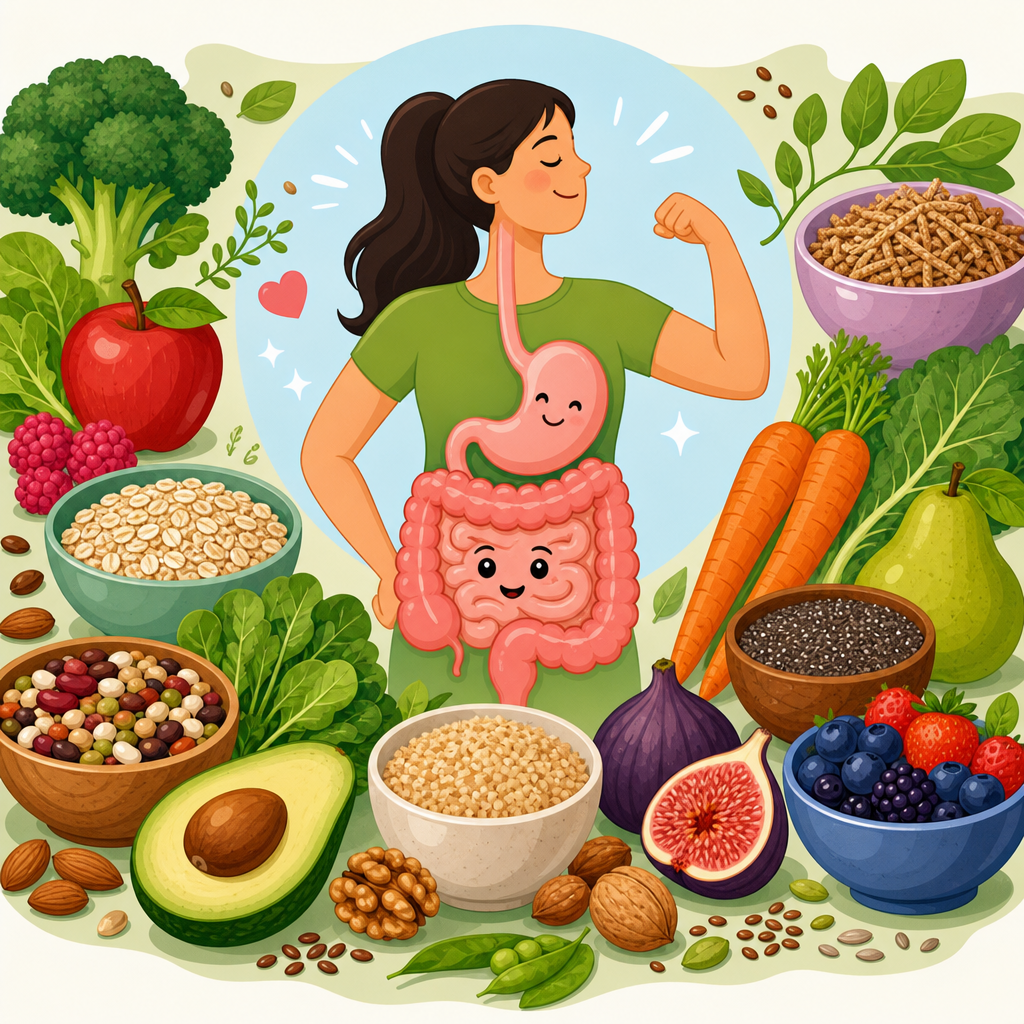
Introduction to Macronutrients
Understanding what we eat and how it affects our bodies is essential to maintaining good health. The term “nutrition” often conjures images of vitamins, minerals, and specific diets. However, at the foundation of any nutritional strategy lie macronutrients. Macronutrients consist of carbohydrates, proteins, and fats, the three primary nutrients required in large amounts in our diet. They provide energy essential for bodily functions, overall growth, and maintenance, each playing a unique role in our health.
Despite their significance, misconceptions abound regarding these vital nutrients. Some diets advocate for the elimination or severe reduction of one macronutrient in favor of others. Such trends can be misleading and may compromise long-term health if they lack balance. Hence, a comprehensive understanding of what macronutrients are and their respective roles is essential for everyone aiming to improve their health. This article seeks to clarify the contributions of carbohydrates, proteins, and fats in human nutrition. By shedding light on how each macronutrient functions, this guide aims to empower you with knowledge that will aid in making more informed dietary decisions.
The fascinating dynamics of macronutrients require a holistic approach to fully appreciate their importance. Historical perspectives on human diets reveal that these nutrients have always been central to sustenance. All kinds of dietary practices throughout history have primarily revolved around seeking an adequate macronutrient intake. From ancient hunter-gatherer societies to modern dietary science, macronutrients have underpinned human survival and are as relevant today as they were millennia ago. As modern science sheds more light on complex nutritional processes, we now have an opportunity to fine-tune intake patterns for optimized health outcomes. A clear understanding of these macronutrients and their impact on the human body is a key first step towards achieving better nutrition and improving overall well-being.
Carbohydrates: The Body’s Primary Energy Source
Carbohydrates are often the most talked-about macronutrient in discussions around diet and health. Despite common misconceptions, carbohydrates are indispensable to a balanced diet. As the body’s primary energy source, they supply fuel necessary for daily activities and vital bodily functions. On reaching the digestive tract, carbohydrates break down into simpler sugars like glucose. Glucose is crucial as it circulates in the bloodstream and serves as the immediate fuel for cells.
Carbohydrates are found in various forms: simple and complex. Simple carbohydrates, also known as sugars, are found naturally in fruits, dairy products, and honey. These are easily digested and provide quick energy bursts. However, excessive consumption of simple sugars, particularly refined forms like those found in soft drinks and candy, can lead to health issues like obesity, type 2 diabetes, and heart disease. Complex carbohydrates, on the other hand, have longer chains of sugar molecules and take longer to digest. Found in foods like whole grains, legumes, and vegetables, complex carbohydrates are preferred for sustained energy releases.
One of carbs’ crucial roles involves their fiber content. Dietary fiber, neither digested nor absorbed, is indispensable in maintaining digestive health. It aids in bowel movement regularity and can help lower cholesterol levels while increasing satiety, which is vital for weight management. In conjunction with a well-balanced diet, carbohydrates form the base of dietary guidelines recommending that carbohydrates make up around 45-65% of total daily calorie intake.
Proteins: Building Blocks of the Body
Proteins stand as another vital pillar in the macronutrient category. Frequently referred to as the body’s building blocks, proteins are necessary for growth, repair, and overall maintenance of tissues. Proteins are composed of amino acids, 20 of which are crucial for health. Nine of these amino acids are essential, meaning they must be obtained through diet as the body cannot synthesize them.
Complete protein sources, such as meat, dairy, and eggs, contain all nine essential amino acids. In contrast, most plant-based proteins, including beans, nuts, and grains, are considered incomplete but can be combined to create complete protein profiles within a diet. Individuals following vegetarian or vegan diets must ensure they consume a wide variety of plant proteins to meet their amino acid requirements adequately.
Proteins play an integral role beyond muscle development and tissue repair. Enzymes, hormones, and antibodies that regulate bodily functions are protein-based. Adequate protein intake is essential for immune system function, plasma transport and storage of vital molecules, and proper fluid balance.
Protein needs can vary based on lifestyle, age, and health goals. Athletes and those with physically demanding jobs may require higher protein intake to support muscle recovery and growth. The general guideline is to consume about 10-35% of daily calorie intake as protein. Consuming excessive protein, particularly from animal sources, can potentially stress the kidneys and lead to other health complications. Hence, moderation and balance are key.
Fats: Essential for Hormonal Health and Energy Storage
Long criticized due to high calorie content, fats are nevertheless a critical component of a healthy diet. They act as a concentrated energy source, second only to carbohydrates in terms of preferred energy supply. Fats play integral roles in cell membrane structure, hormone synthesis, and the absorption of fat-soluble vitamins A, D, E, and K.
Dietary fats are classified into several types, each with distinct impacts on health. Unsaturated fats, found predominantly in plant-based oils, nuts, and seeds, are considered the healthiest fat type. They are further categorized as monounsaturated and polyunsaturated fats and have been shown to reduce cholesterol levels and diminish the risk of heart disease.
Saturated fats, commonly found in animal products like butter and red meat, were traditionally considered detrimental to heart health. However, recent studies suggest moderation may not pose as much risk as once assumed, though consumption should still be limited. Trans fats, often found in processed foods, are proven to adversely impact health by raising bad LDL cholesterol and lowering good HDL cholesterol levels. Minimizing or eliminating trans fats is strongly advised.
A misconception about fats involves their contribution to weight gain. Fats are indeed calorically dense, containing nine calories per gram. Nevertheless, they help achieve satiety, reducing overall caloric intake. Importantly, a balanced approach where 20-35% of total daily calories derive from healthy fats can be integrated into a nutritious diet without promoting weight gain, underscoring fats’ vital role within a well-rounded regimen.
Conclusion: Striking a Balance for Optimal Nutrition
Macronutrients — carbohydrates, proteins, and fats — form the nutritional scaffold necessary for good health. Each macronutrient holds a specialized role, and understanding these roles is vital for implementing a well-rounded and effective dietary strategy to enhance overall health and well-being. Far from being enemies to a healthy diet, carbohydrates, proteins, and fats should be embraced in balanced harmony to fulfill their essential functions adequately.
Striking the appropriate balance of macronutrients can often seem challenging in today’s world of fad diets and fluctuating nutritional advice. Still, adhering to evidence-based guidelines promotes a more sustainable and healthful lifestyle. As dietary needs and preferences differ vastly between individuals, customizing macronutrient intake can accommodate personal health goals, activity levels, and dietary restrictions.
Our understanding of nutrition and health evolves rapidly, providing ongoing opportunities to refine our dietary approaches further. As we advance, clear and accurate education regarding macronutrients will remain crucial in empowering individuals with knowledge conducive to making informed dietary choices. Macronutrients, in balance, fuel our bodies, nurture our minds, and support holistic health. Navigating the fascinating interplay of these nutrients with confidence and awareness is an integral part of cultivating a genuinely nourishing diet.
Ultimately, whether you are embarking on a new health journey or seeking to better understand dietary components, the knowledge of macronutrients serves as the foundation upon which to build a healthier lifestyle luminescent in its vitality and resilience.
Frequently Asked Questions
1. What are macronutrients, and why are they important for our diet?
Macronutrients are the cornerstone of our diet and are required in large amounts to fuel our bodies. They comprise carbohydrates, proteins, and fats. Unlike micronutrients such as vitamins and minerals, which we need in smaller quantities, macronutrients are the primary source of energy. Carbohydrates provide immediate energy, proteins build and repair tissues, and fats serve as a long-term energy reserve while also supporting cell growth and protecting our organs. Together, these elements not only sustain basic bodily functions but also aid in growth, development, and overall maintenance of health. Proper balance and consumption of macronutrients are crucial to support an active lifestyle and prevent deficiencies or excesses that can lead to health issues.
2. How do carbohydrates function in the body, and what are their primary sources?
Carbohydrates are the body’s main energy source. When we consume carbohydrates, our bodies break them down into glucose, which is then used by our cells for energy. This process is essential for everything from powering our muscles during exercise to fueling the brain, which relies heavily on glucose. There are two main types of carbohydrates: simple and complex. Simple carbohydrates, found in fruits, milk, and sugar, provide quick bursts of energy. Conversely, complex carbohydrates, such as those in whole grains, legumes, and vegetables, offer sustained energy due to their longer digestion time. Including a variety of both in your diet ensures you have immediate and long-lasting energy to function throughout the day efficiently.
3. Why are proteins crucial, and what are the best dietary sources?
Proteins are vital for numerous bodily processes. They are the primary building blocks for bones, muscles, cartilage, skin, and blood. Proteins consist of amino acids, some of which our bodies can’t make and must be obtained through diet. These amino acids are crucial for repairing tissue, producing enzymes and hormones, and supporting immune function. A deficiency in protein can lead to muscle wasting, weakened immunity, and slowed growth in children and adolescents. Quality sources of protein include meat, fish, eggs, dairy products, legumes, nuts, and seeds, ensuring that you meet your daily intake through a varied diet that supports a range of bodily functions and overall vitality.
4. What role do fats play in our diet, and how should we incorporate them?
Fats have often been misunderstood and unfairly maligned in the past, but they play critical roles in our health. They help absorb vitamins A, D, E, and K, which are fat-soluble, assist in hormone production, cushion and insulate our organs, and provide structure to cell membranes. There are several types of fats: saturated, unsaturated, and trans fats. Unsaturated fats, like those found in olive oil, avocados, and fatty fish, are beneficial and support cardiovascular health. Saturated fats should be consumed in moderation, as they can influence cholesterol levels, and are typically found in red meat and dairy. Trans fats, often present in processed foods, should be limited, as they can lead to heart disease. Balancing your fat intake is key to harnessing their benefits without encountering health risks.
5. How can I determine the right balance of macronutrients for my dietary needs?
The appropriate balance of macronutrients depends on various factors like age, sex, weight, metabolic health, activity level, and personal health goals. A standard guideline known as the Acceptable Macronutrient Distribution Range (AMDR) recommends that 45-65% of daily calories come from carbohydrates, 10-35% from protein, and 20-35% from fat. However, individual needs may vary. For those highly active or involved in strength training, the protein requirement might be on the higher side to support muscle repair and growth. Similarly, athletes may need more carbohydrates to fuel their intense energy demands. It’s crucial to consider personalized dietary evaluations with a healthcare or nutrition professional for specific guidance. By understanding your body’s specific energy and nutrient needs, you can tailor a diet that not only meets but enhances your lifestyle and health objectives.