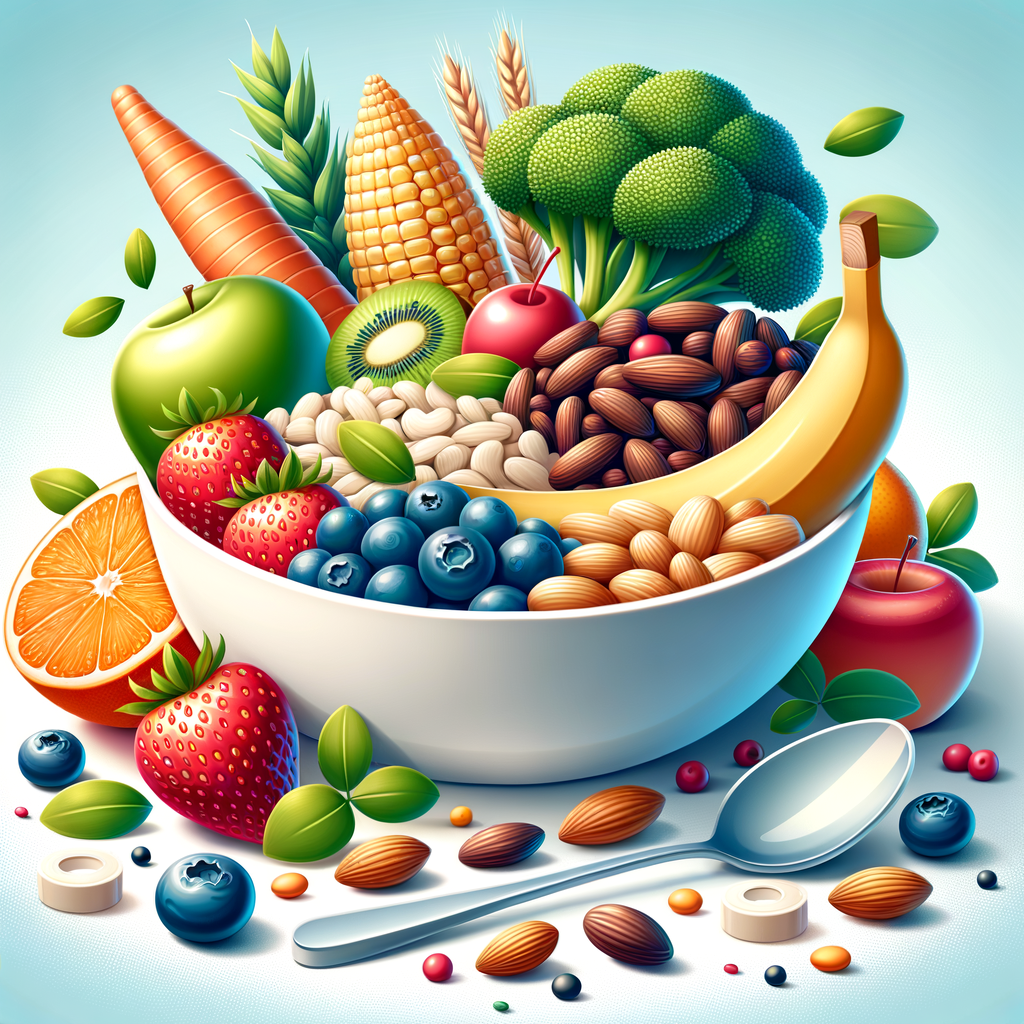
Introduction to Dietary Fiber and Digestive Health
Understanding the importance of dietary fiber and its impact on digestive health is critical for maintaining overall well-being. Fiber plays a vital role in supporting various bodily functions and managing numerous health conditions. It is an essential component of a balanced diet, yet many individuals fail to consume enough of it daily. Fiber comes in two primary forms: soluble and insoluble, each offering unique benefits to our body, particularly our digestive system.
Soluble fiber dissolves in water and can help lower glucose levels and blood cholesterol. On the other hand, insoluble fiber does not dissolve in water but instead adds bulk to the stool, promoting regular bowel movements. Incorporating fiber-rich foods into your diet can alleviate digestive issues, lower the risk of certain chronic diseases, and contribute to a healthier lifestyle. In this article, we explore the top foods rich in dietary fiber and explain why they are essential for digestive health, ensuring you understand how to make informed decisions about your dietary choices.
Top Fiber-Rich Foods and Their Benefits
Legumes: Beans, Lentils, and Chickpeas
Legumes are a powerhouse of dietary fiber, making them a staple for those looking to enhance their digestive health. They are not only rich in both soluble and insoluble fiber but also packed with plant-based protein, which can be particularly beneficial for vegetarians and vegans. Beans, lentils, and chickpeas are among the most popular legumes, offering diverse culinary uses and significant health benefits.
Soluble fiber found in legumes can help regulate blood sugar levels, which is essential for managing diabetes. It also plays a role in lowering cholesterol, thereby reducing the risk of heart disease. Insoluble fiber, on the other hand, aids with bowel regularity by adding bulk to stools, which is vital for preventing constipation. Including a variety of legumes in your diet can diversify your meals while simultaneously supporting a healthy digestive system.
Whole Grains: Oats, Barley, and Quinoa
Whole grains are another excellent source of dietary fiber, crucial for maintaining a healthy digestive tract. Unlike refined grains, whole grains retain their entire grain kernel, providing a greater nutritional value. Oats, barley, and quinoa are some of the most beneficial whole grains you can incorporate into your diet for optimal digestive health.
Oats are rich in beta-glucan, a type of soluble fiber known to improve gut health by promoting the growth of good bacteria. Barley contains both soluble and insoluble fiber, making it effective in boosting intestinal health and regulating blood sugar levels. Quinoa, though technically a seed, classifies as a whole grain and is high in fiber, along with providing complete protein, which is unique among plant-based foods. By including whole grains daily, you can enjoy a balanced diet and maintain an efficient digestive system.
Fruits: Berries, Apples, and Pears
Fruits provide a delicious and natural way to increase your fiber intake, and many are particularly high in dietary fiber. Berries, apples, and pears are among the top fruits that offer substantial benefits for digestive health.
Berries, such as raspberries and blackberries, are rich in fiber and antioxidants. They can enhance digestive function and combat inflammation within the gut. Apples are renowned for their pectin, a form of soluble fiber that can aid digestion and promote a feeling of fullness. Pears, with their high fiber content, assist in facilitating regular bowel movements. Incorporating these fruits into your daily diet can not only satisfy your sweet tooth but also provide the necessary fiber to support gastrointestinal health.
Vegetables: Broccoli, Artichokes, and Brussels Sprouts
Vegetables are fundamental to any fiber-rich diet plan, offering numerous health benefits. Consuming vegetables such as broccoli, artichokes, and Brussels sprouts can significantly improve your overall fiber intake and support digestive efficiency.
Broccoli is a cruciferous vegetable known for its high fiber content and its potential to promote gut health by modifying the gut microbiota composition favorably. Artichokes are exceptionally fiber-dense, especially promoting beneficial bifidobacteria growth in the intestines. Brussels sprouts, like broccoli, contain a good mix of soluble and insoluble fiber and can facilitate smoother digestive processes. Incorporating these fiber-rich vegetables into your meals helps maintain a robust digestive system while adding flavor and variety to your diet.
Nuts and Seeds: Almonds, Chia Seeds, and Flaxseeds
Nuts and seeds, such as almonds, chia seeds, and flaxseeds, provide another source of dietary fiber, essential for a well-functioning digestive system. Not only are they convenient to incorporate into various dishes or consume as snacks, but they also provide healthy fats and other nutrients necessary for overall health.
Almonds are fiber-rich and also offer a source of healthy fats, which facilitate nutrient absorption and support heart health. Chia seeds are particularly high in soluble fiber, capable of forming a gel-like substance in water, aiding in bowel regularity. Flaxseeds are abundant in lignans and omega-3 fatty acids, which contribute to heart health and offer high fiber content that supports digestive harmony. Consuming nuts and seeds regularly ensures you remain on track with your recommended daily fiber intake.
Reasons to Prioritize Dietary Fiber
Integrating fiber-rich foods into your daily diet isn’t just about preventing constipation; its benefits extend far beyond the digestive system. One of the primary advantages is its role in weight management. High-fiber foods tend to be more filling than those lower in fiber, meaning you’re likely to consume fewer calories while still feeling satisfied.
Furthermore, fiber has been linked to reduced risks of serious health conditions such as type 2 diabetes, cardiovascular disease, and certain cancers. For instance, populations with high-fiber diets exhibit lower incidences of colorectal cancer. It also plays a role in stabilizing blood glucose levels, making it crucial for people with diabetes or those at risk.
In addition to physical health benefits, dietary fiber can influence mental well-being. Gut health is increasingly tied to mental health, with emerging research suggesting that a fiber-rich diet may benefit mood regulation and cognitive function. The gut-brain axis, the communication network connecting your gut and brain, is believed to be positively impacted by a healthy diet rich in fiber.
Conclusion: Empowering Your Diet with Fiber
In conclusion, dietary fiber serves as a cornerstone of a nutritious diet and is crucial for maintaining digestive health. From legumes and whole grains to fruits, vegetables, nuts, and seeds, our diet offers a multitude of sources rich in fiber. Prioritizing these foods can alleviate common gastrointestinal issues, promote longer-term wellness, and prevent various diseases.
Understanding the profound benefits of fiber motivates informed food choices, encouraging individuals to adjust their diets mindfully. As you strive to incorporate more fiber, ensure diversity and balance to achieve an optimal intake that caters to all your health needs.
Enhancing your diet with fiber not only improves digestion but contributes to your overall health, influencing everything from heart health to mental well-being. By maintaining a fiber-rich diet, you support your body’s systems holistically, paving the way for a vibrant and sustained sense of health.
For those looking to improve their dietary habits, remember that simple changes, like swapping refined grains for whole grains or adding an extra serving of vegetables to your meals, can make a significant difference. Take proactive steps toward boosting your fiber intake today and experience the comprehensive benefits of a fiber-rich diet in fostering robust health and vitality.
Frequently Asked Questions
1. What are some top foods that are rich in dietary fiber and why are they important for digestive health?
When it comes to boosting your fiber intake, there are several superstar foods that you should consider incorporating into your diet. Some of the top foods rich in dietary fiber include beans, lentils, fruits like apples and pears, vegetables such as broccoli and Brussels sprouts, whole grains like oats and quinoa, and nuts and seeds. Each of these foods offers a hearty dose of fiber, which is crucial for your digestive health.
Dietary fiber is vital because it supports regular bowel movements, helps maintain bowel integrity, and can prevent constipation. By ensuring that the waste moves efficiently through your digestive system, fiber helps to avoid digestive issues like constipation and hemorrhoids. Furthermore, a fiber-rich diet can enhance the microbiome in your gut, promoting better overall health by fostering helpful bacteria that break down food more effectively.
2. What’s the difference between soluble and insoluble fiber, and how does each benefit my body?
Soluble and insoluble fibers are the two primary forms of dietary fiber. Soluble fiber dissolves in water to form a gel-like substance, which can aid in lowering blood cholesterol and glucose levels. Foods high in soluble fiber include oats, peas, beans, apples, citrus fruits, carrots, and barley. When you consume soluble fiber, it helps slow down your digestion, which can help you feel fuller longer and can assist with weight management. Additionally, it can lower cholesterol and help regulate blood sugar levels, reducing the risk of cardiovascular diseases and managing diabetes.
On the other hand, insoluble fiber adds bulk to the stool and helps food pass more quickly through the stomach and intestines. It is found in foods such as whole-wheat flour, wheat bran, nuts, beans, and vegetables. Insoluble fiber can assist with absorbing water as it moves through your digestive tract and prevent constipation by enhancing stool movement. This is particularly beneficial in maintaining regular bowel movements and may also help reduce the risk of developing colonic diseases.
3. How much dietary fiber do I need daily, and are most people meeting their needs?
The recommended daily intake of fiber varies based on age and gender, but as a general guideline, women should aim for about 25 grams per day, while men should target 38 grams per day. Unfortunately, the majority of people fail to meet these recommendations, with average consumption falling at about 15 grams per day.
Ensuring that you meet your daily fiber requirements is crucial; consistently falling short can lead to digestive issues, higher risks of heart disease, and other health problems. Boosting your fiber intake doesn’t have to be difficult—by integrating more vegetables, fruits, whole grains, and legumes into your meals, you can easily close the gap.
4. Are there any side effects of increasing dietary fiber in my diet too quickly?
Absolutely, while increasing fiber intake is beneficial for your health, doing so too rapidly can lead to digestive discomfort. It might cause side effects like bloating, cramping, and gas. It’s important to gradually increase your fiber consumption to give your body time to adjust to the change.
Starting by adding small amounts of fiber-rich foods and drinking plenty of water can help mitigate these uncomfortable side effects. Water assists in the digestion of fiber-rich foods by helping to move fiber through your digestive system, preventing constipation and reducing the chances of gas and bloating.
5. How does fiber contribute to weight management and overall well-being?
Fiber plays a critical role in weight management and overall health. Foods rich in dietary fiber tend to be more filling than low-fiber foods, which can help reduce hunger and cravings. By containing fewer calories for the same volume of food, they can assist in reducing caloric intake without making you feel deprived.
Additionally, because fiber slows down the digestion process, it leads to a more gradual rise in blood sugar levels, promoting a feeling of fullness and reducing the likelihood of energy crashes and excessive snacking. This makes dietary fiber an essential ally for weight management and maintaining a steady energy balance throughout the day.