Hydration affects every system in the body, yet many people still treat it as nothing more than “drinking enough water.” In practice, hydration means maintaining the right balance of fluids and electrolytes so cells can produce energy, regulate temperature, transport nutrients, remove waste, and keep blood volume stable. After years of helping clients improve diet quality, I have seen the same pattern repeatedly: people who struggle with headaches, fatigue, constipation, exercise slumps, and even overeating often improve once hydration is addressed through both fluids and food. That is why understanding top foods rich in hydration and its role in health matters. Water is essential, but water-rich foods also make a measurable difference because they deliver fluid alongside fiber, potassium, magnesium, natural carbohydrates, and vitamins. This makes them especially useful for children, older adults, active people, and anyone who forgets to drink consistently. The strongest hydration habits are not built around a bottle alone; they come from meals and snacks that naturally raise fluid intake across the day.
Hydration and its role in health is a core nutrition topic because even mild dehydration can affect concentration, mood, exercise performance, digestion, and kidney function. The National Academies suggests total daily water intake from beverages and foods of about 3.7 liters for men and 2.7 liters for women, though needs vary with climate, body size, diet, pregnancy, illness, and activity. Roughly 20 percent of fluid intake often comes from food, but that share can be much higher in diets rich in fruits, vegetables, yogurt, soups, and smoothies. Foods rich in hydration are items with high water content, typically above 80 percent by weight, that contribute meaningfully to daily fluid status. They are not magic foods, and they do not replace drinking water, but they improve adherence because eating is already part of a routine. This hub article explains how hydration works, which foods help most, when they matter, what signs suggest you need more, and how to build meals that support healthy fluid balance without turning nutrition into guesswork.
Why Hydration Matters for Energy, Organs, and Daily Function
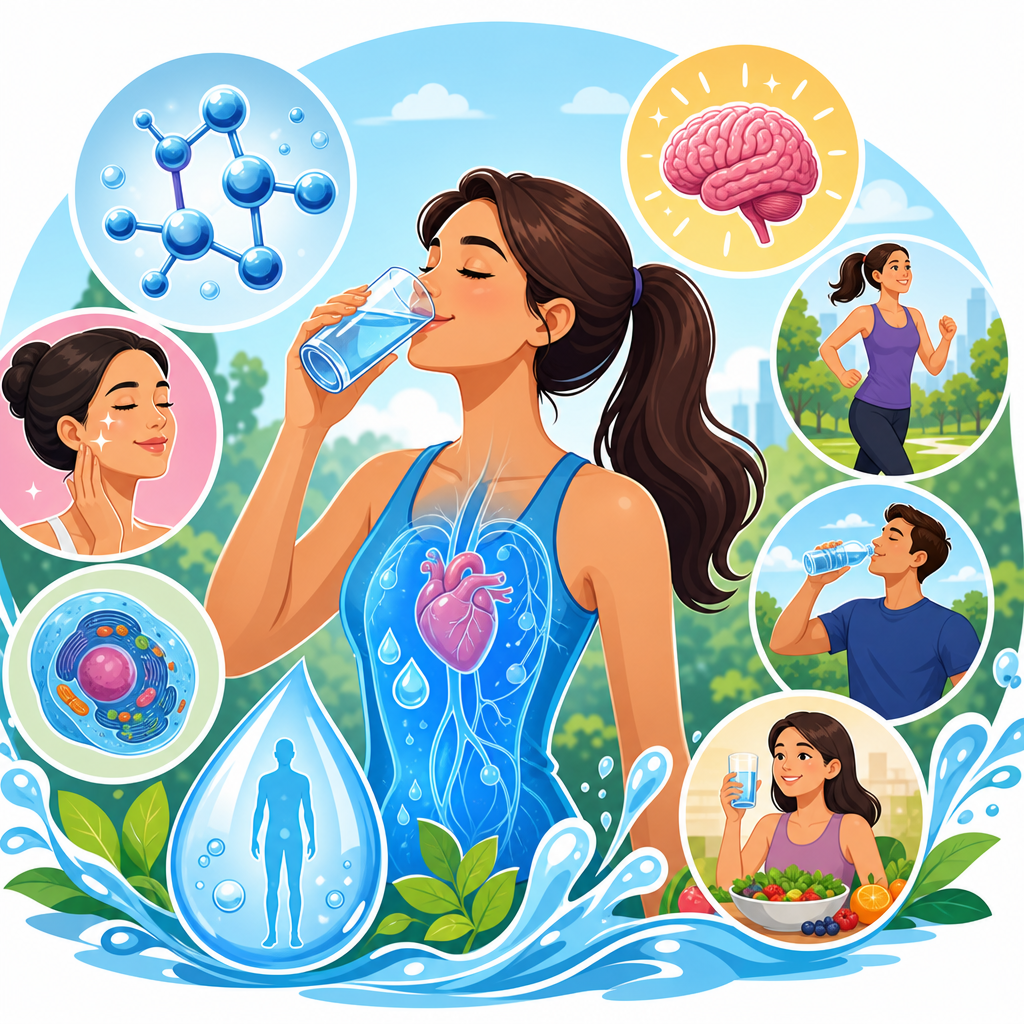
Water is the body’s most abundant compound, accounting for roughly half to two-thirds of body weight depending on age, sex, and body composition. It supports circulation, helps maintain blood pressure, cushions joints, enables sweating, moistens mucous membranes, and allows enzymes and metabolic reactions to occur. When fluid intake falls short, the body compensates by concentrating urine, increasing thirst, and releasing hormones such as vasopressin to conserve water. Those mechanisms are effective, but they come with tradeoffs. In my work, clients often notice the earliest signs first: dry mouth, low energy, darker urine, sluggish digestion, and poorer focus in the late afternoon. Athletes may also notice a higher heart rate at a usual pace and reduced endurance.
The health effects of poor hydration are broad because every organ depends on water. The kidneys need enough fluid to excrete waste products efficiently. The gastrointestinal tract relies on water to help move stool and reduce constipation risk. The skin barrier functions better when the body is adequately hydrated, though no food can single-handedly “fix” skin. Cognitive performance also depends on hydration. Studies have linked even modest fluid losses to reduced attention, impaired short-term memory, and increased perception of task difficulty. In hot conditions or during heavy exercise, inadequate fluid replacement can become dangerous quickly, increasing the risk of heat exhaustion and heat stroke. For older adults, hydration deserves special attention because thirst can become less reliable with age, while medications such as diuretics may increase fluid loss.
How Hydrating Foods Support Fluid Balance Better Than Water Alone
Foods rich in hydration do more than add water volume. Many contain electrolytes, especially potassium, which helps regulate fluid balance and muscle function. Others provide sodium in small to moderate amounts, especially broths and soups, which can help fluid retention when sweat losses are high. Carbohydrate-containing foods can also support absorption because sodium and glucose transport in the intestine helps move water into the body efficiently. This is one reason fruit, milk, yogurt, and balanced recovery snacks often work well after activity.
Another overlooked advantage is pacing. People who rarely sip water may still eat regularly, so adding high-water foods to breakfast, lunch, snacks, and dinner can increase total fluid intake without relying on willpower. A bowl of oatmeal made with milk and topped with berries hydrates more effectively than dry cereal. A vegetable-heavy lunch with cucumbers, tomatoes, lettuce, and fruit contributes far more fluid than a sandwich alone. I often recommend hydrating foods to people who say they “hate plain water,” because the goal is not perfection; it is consistent fluid intake from multiple sources. This approach also improves nutrient density, which plain water cannot do.
Top Foods Rich in Hydration and What They Contribute
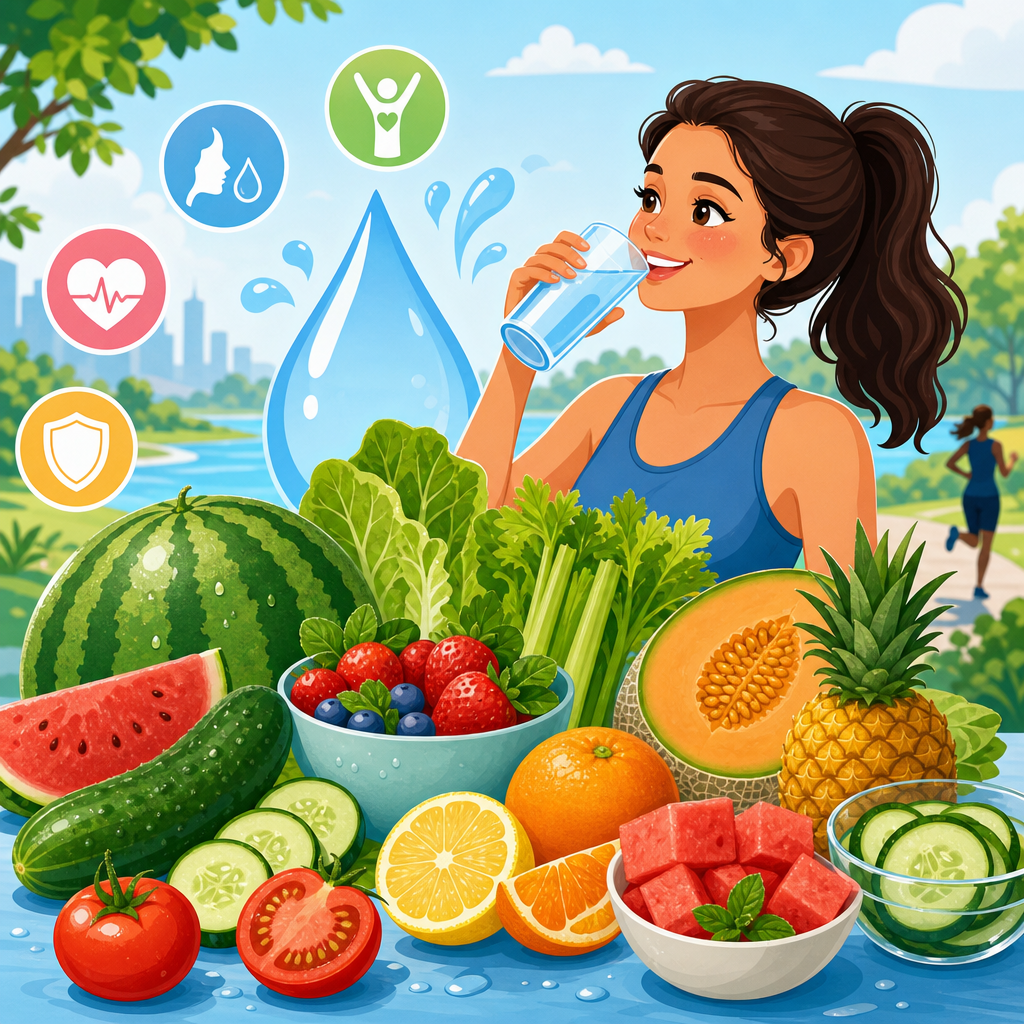
The best hydrating foods combine high water content with practical nutrition benefits. Watermelon is about 91 to 92 percent water and provides vitamin C, vitamin A from carotenoids, and the antioxidant lycopene. Cucumber is around 95 to 96 percent water, very low in calories, and easy to add to salads, sandwiches, or infused water. Strawberries are about 91 percent water and contribute fiber, vitamin C, and manganese. Lettuce, especially iceberg and romaine, is mostly water and useful as a base for meals that increase fluid volume. Tomatoes are about 94 to 95 percent water and provide vitamin C, potassium, and lycopene, with cooked tomato products offering especially bioavailable lycopene.
Other strong choices include celery, zucchini, bell peppers, oranges, grapefruit, peaches, and cantaloupe. Cantaloupe is roughly 90 percent water and rich in vitamin A and vitamin C. Oranges hydrate well because they pair fluid with potassium and natural sugars, making them practical before or after light activity. Yogurt is not as high in water as produce, but it is still hydrating and adds protein, calcium, and often potassium. Milk is another highly effective option for hydration because it contains water, lactose, sodium, potassium, and protein; research has shown milk can support post-exercise rehydration effectively in some settings. Broth-based soups are also excellent, particularly when appetite is low, during illness, or in colder weather when people tend to drink less water.
| Food | Approximate Water Content | Key Nutrients | Practical Use |
|---|---|---|---|
| Cucumber | 95–96% | Vitamin K, small amounts of potassium | Add to salads, sandwiches, yogurt dips |
| Watermelon | 91–92% | Vitamin C, vitamin A, lycopene | Snack, smoothie, post-walk fruit plate |
| Strawberries | About 91% | Vitamin C, fiber, manganese | Breakfast topping, snack, yogurt bowl |
| Tomatoes | 94–95% | Potassium, vitamin C, lycopene | Salads, sandwiches, soups, sauces |
| Cantaloupe | About 90% | Vitamin A, vitamin C, potassium | Breakfast side, snack, fruit salad |
| Yogurt | Varies, often over 80% | Protein, calcium, potassium | Snack, breakfast, recovery meal base |
| Broth-based soup | High fluid content | Sodium, fluid, depending on ingredients | Lunch, illness support, winter hydration |
Who Benefits Most From Hydrating Foods
Everyone benefits from better hydration, but some groups gain more from a food-first strategy. Children often get distracted and forget to drink, yet they usually accept fruit, smoothies, yogurt, and soups. Older adults may have reduced thirst sensitivity, dental limitations, or medication-related fluid shifts, so easy-to-eat hydrating foods can help close the gap. Athletes and physically active workers lose water and sodium through sweat; they often need both fluids and foods that support recovery, especially after long sessions in heat. Pregnant and breastfeeding women generally require more fluids because of increased blood volume and milk production. People with gastrointestinal illness, fever, or poor appetite may also tolerate water-rich foods better than large volumes of plain water.
There are also everyday situations where hydrating foods are especially useful. Office workers in air-conditioned environments may not feel thirsty but still lose fluid over the day. Travelers commonly drink less because routines change and bathroom access feels inconvenient. High-protein, high-fiber, or high-sodium diets can increase fluid needs, so pairing those eating patterns with fruits, vegetables, and soups is practical. I routinely suggest hydrating snacks for clients trying to reduce mindless eating, because thirst is frequently mistaken for hunger. An apple is helpful, but a bowl of melon, citrus, or berries with yogurt often works better when low energy and low fluid intake are happening at the same time.
Signs You Need More Hydration and Common Mistakes
The simplest day-to-day hydration marker is urine color. Pale yellow usually suggests reasonable hydration, while dark yellow often signals the need for more fluids, though supplements and medications can change color. Other common signs include dry lips, headache, dizziness when standing, fatigue, constipation, muscle cramps, reduced exercise performance, and feeling unusually hungry. Severe dehydration can cause confusion, rapid heartbeat, very low urine output, or fainting and requires prompt medical attention. People with kidney disease, heart failure, or conditions requiring fluid restriction should follow personalized medical guidance rather than generic hydration advice.
One common mistake is assuming coffee and tea are dehydrating. In regular amounts, they contribute to fluid intake, even though caffeine has a mild diuretic effect in some people. Another mistake is relying only on thirst, which can lag behind actual need during exercise, illness, or aging. A third is overcorrecting with excessive water while ignoring electrolytes after heavy sweating. In endurance events or long hot work shifts, drinking only plain water in very large amounts can dilute blood sodium and become dangerous. The solution is context-specific: for ordinary days, prioritize regular fluid intake and hydrating foods; for prolonged sweating, include sodium-containing fluids or foods as appropriate.
How to Build Meals That Improve Hydration Consistently
The most effective hydration plan is simple enough to repeat. At breakfast, choose options with built-in fluid such as oatmeal made with milk, yogurt with berries, a smoothie, or eggs with tomatoes and fruit. At lunch, start with a salad or vegetable soup, then include produce-rich sides like cucumber, oranges, or grapes. At dinner, add cooked vegetables with high water content such as zucchini, mushrooms, peppers, or tomatoes, and consider broth-based dishes like soup, stew, or curry when weather or appetite makes drinking less likely. For snacks, use combinations such as watermelon and cheese, yogurt and strawberries, celery with hummus, or cottage cheese with peaches.
Timing matters too. Drinking and eating earlier in the day often works better than trying to catch up at night. Before exercise, a snack with fluid and carbohydrate such as banana plus yogurt or orange slices can help. After exercise, replace losses with water, milk, or an oral rehydration beverage when needed, along with a meal containing sodium and potassium. During illness, small frequent portions of soup, fruit, yogurt, smoothies, and diluted juice can be easier than large meals. For most healthy adults, consistency beats complexity. Keep washed fruit visible, prepare chopped vegetables ahead, stock low-sodium broth, and pair every meal with at least one hydrating food so fluid intake becomes automatic rather than reactive.
Top foods rich in hydration and its role in health deserve attention because hydration is not a side issue; it is a foundation for physical performance, digestion, cognition, circulation, and temperature control. Water remains essential, but the most sustainable strategy combines beverages with foods that naturally deliver fluid and key nutrients. Fruits like watermelon, strawberries, oranges, and cantaloupe; vegetables like cucumber, tomatoes, lettuce, celery, and zucchini; and foods such as yogurt, milk, and broth-based soups all help raise fluid intake in practical ways. They are especially valuable for children, older adults, active people, travelers, and anyone who tends to forget to drink until symptoms appear.
The central takeaway is straightforward: if you want better hydration, do not focus only on what you drink; improve what you eat. Build each meal around at least one water-rich food, watch for signs such as dark urine, headache, fatigue, and constipation, and adjust intake for heat, exercise, illness, and life stage. This hub article gives you the framework for understanding hydration and its role in health across the entire Nutrition Basics topic. Use it as your starting point, then review your daily routine and add two or three hydrating foods you can eat consistently this week. Small changes done daily protect health better than occasional efforts.
Frequently Asked Questions
What does hydration really mean, and why is it about more than just drinking water?
Hydration is the process of keeping the body’s fluid levels and electrolyte balance in the right range so every system can function properly. While drinking water is important, true hydration is not only about how much fluid you consume. It also depends on how well your body retains, distributes, and uses that fluid. Electrolytes such as sodium, potassium, magnesium, and chloride help regulate nerve signaling, muscle contractions, blood pressure, and the movement of water in and out of cells. Without that balance, a person can drink water and still not feel fully hydrated.
This matters because hydration supports nearly every basic job your body performs. It helps regulate body temperature through sweating, keeps blood volume stable so oxygen and nutrients can be transported efficiently, supports digestion and bowel regularity, cushions joints, and allows cells to produce energy more efficiently. When hydration starts to slip, people often notice symptoms that seem unrelated at first, such as headaches, fatigue, poor focus, constipation, dry skin, exercise slumps, and feeling run-down later in the day. That is why foods rich in water and minerals can play such a valuable role. They do more than add fluid; they help build a more complete hydration strategy that supports health throughout the day.
Which foods are best for hydration, and what makes them so effective?
Some of the best hydrating foods are fruits and vegetables with high water content plus a useful mix of vitamins, minerals, and natural carbohydrates. Excellent examples include cucumber, watermelon, strawberries, oranges, grapefruit, celery, lettuce, tomatoes, zucchini, bell peppers, and cantaloupe. These foods often contain 85% to 95% water, making them a practical way to increase fluid intake without feeling like you are constantly drinking. In addition, many of them provide potassium and other electrolytes that help the body maintain fluid balance.
Beyond produce, foods such as yogurt, cottage cheese, kefir, soups, smoothies, and broth-based meals can also contribute meaningfully to hydration. These options are especially helpful because they combine fluid with protein, sodium, potassium, or carbohydrates, all of which can support fluid absorption and retention in the body. For example, watermelon provides water plus potassium, oranges offer both fluid and electrolytes, and yogurt gives fluid along with protein and minerals. Foods become effective for hydration when they do more than merely add water volume; they help the body hold onto and use those fluids efficiently. That is why building meals around water-rich whole foods can often improve hydration status more consistently than relying on plain water alone.
Can eating hydrating foods help with symptoms like headaches, fatigue, constipation, and low energy?
Yes, in many cases hydrating foods can help reduce common symptoms linked to mild dehydration or inconsistent fluid intake. Headaches, tiredness, sluggish workouts, and difficulty concentrating are frequently made worse when the body does not have enough fluid to maintain normal circulation and temperature control. Even a small drop in hydration can affect how alert and energized you feel. Water-rich foods help by steadily contributing fluid over the course of the day, and many also provide carbohydrates and minerals that support energy production and nerve and muscle function.
Constipation is another major example. The digestive system relies on adequate fluid to keep stool soft and moving comfortably through the intestines. Fruits and vegetables that are high in water often also contain fiber, which works together with fluid to promote more regular bowel movements. Foods like berries, oranges, cucumbers, tomatoes, leafy greens, and melon can be especially useful when paired with adequate overall fluid intake. While hydrating foods are not a cure-all for every symptom, they can make a noticeable difference when poor hydration is part of the problem. For many people, consistently including these foods leads to better daily energy, fewer afternoon crashes, improved digestion, and more stable physical performance.
Are hydrating foods enough on their own, or do you still need to drink water?
Hydrating foods are extremely helpful, but they usually work best alongside regular water intake rather than replacing it completely. Most people meet a meaningful portion of their daily fluid needs through food, especially when they eat plenty of fruits, vegetables, soups, yogurt, and other water-rich options. However, your exact needs depend on activity level, climate, body size, health conditions, and how much you sweat. If you exercise regularly, spend time in hot weather, are recovering from illness, or consume a high-protein or high-fiber diet, your fluid needs may be higher than average.
A practical approach is to think of hydration as a full-day habit. Drink water consistently, then strengthen that habit with meals and snacks built around hydrating foods. For example, you might have berries and yogurt at breakfast, cucumber and tomato salad at lunch, an orange as a snack, and soup or roasted vegetables with dinner. This pattern tends to be easier to maintain than trying to make up for poor hydration by drinking large amounts of water all at once. In other words, the best strategy is not choosing between water and hydrating foods. It is using both together so your body gets fluid, electrolytes, and nutrients in a steady and sustainable way.
Who benefits most from focusing on foods rich in hydration, and how can they add them to meals easily?
Almost everyone can benefit from eating more hydrating foods, but they can be especially useful for children, older adults, active individuals, people who work outdoors, and anyone who regularly experiences headaches, fatigue, constipation, or appetite changes during the day. Older adults may have a reduced thirst response, which means they do not always notice when fluid intake is too low. Athletes and physically active people lose both water and electrolytes through sweat, so foods rich in fluids and minerals can support recovery and performance. People trying to improve diet quality often benefit as well, because hydrating foods tend to be nutrient-dense, lower in calories, and naturally filling.
Adding them to meals does not need to be complicated. Start by including at least one high-water food at every eating occasion. Add sliced cucumbers or tomatoes to sandwiches, mix berries into yogurt or oatmeal, keep melon or orange segments ready for snacks, toss lettuce and bell peppers into wraps, blend smoothies with fruit and milk or kefir, and use broth-based soups as part of lunch or dinner. You can also pair hydrating foods with lightly salted meals after sweating to support fluid balance. The goal is consistency rather than perfection. Small habits, repeated daily, can improve hydration far more effectively than occasional efforts to drink extra water when you already feel depleted.