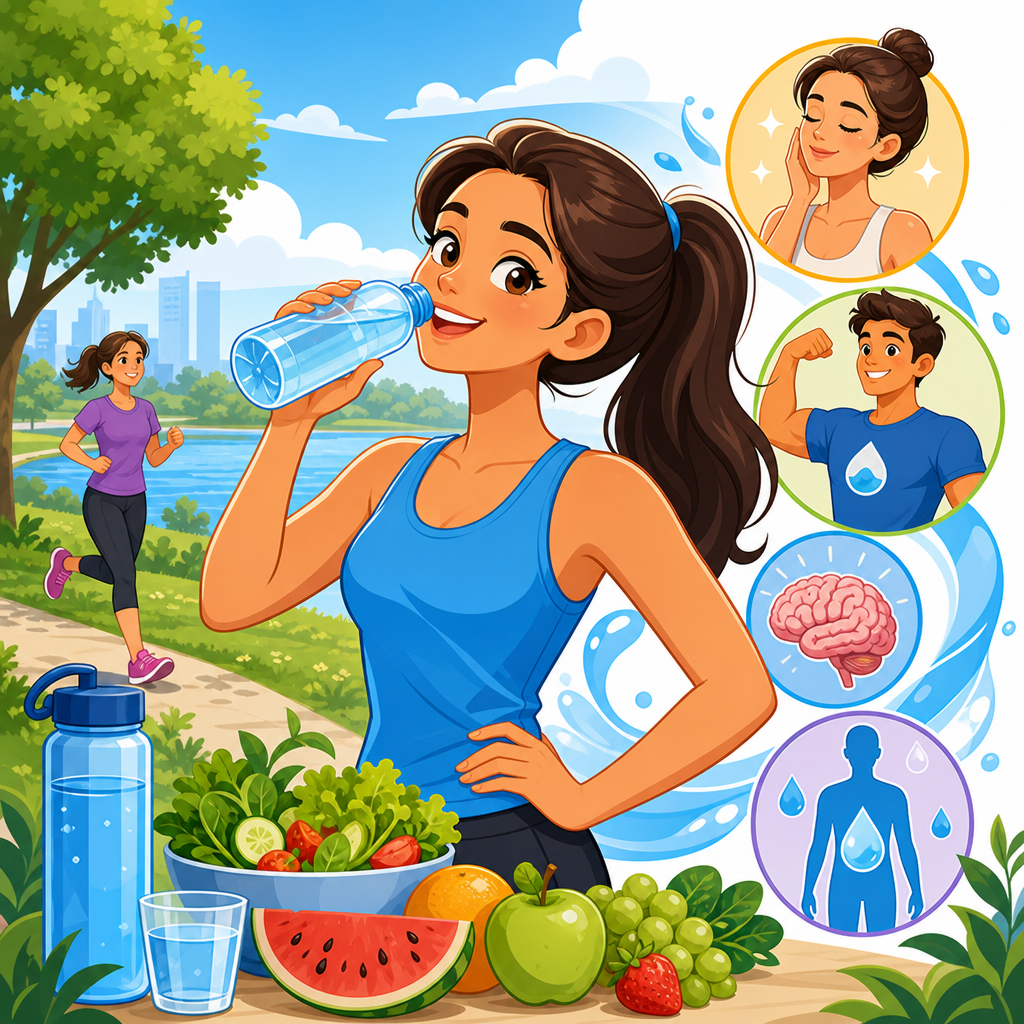
Hydration is the process of maintaining the right balance of water and electrolytes in the body so cells, tissues, and organs can function normally. In practice, hydration and its role in health touch nearly every system: circulation, temperature regulation, digestion, kidney function, cognition, exercise performance, skin integrity, and recovery from illness. Water makes up roughly half to two thirds of adult body weight, with variation based on age, sex, and body composition, so even modest fluid losses can affect how people feel and perform. I have seen this repeatedly in nutrition coaching: clients often blame fatigue, headaches, or afternoon brain fog on stress alone, yet their food logs reveal long stretches with almost no fluid intake. Once hydration improves, symptoms often ease within days.
Understanding hydration starts with a few key terms. Fluids include water and other beverages. Electrolytes are minerals such as sodium, potassium, chloride, and magnesium that help regulate fluid balance, nerve signaling, and muscle contraction. Dehydration occurs when fluid losses exceed intake; overhydration happens when intake greatly exceeds the body’s ability to excrete water, sometimes diluting blood sodium. Optimal hydration is not about drinking as much water as possible. It means meeting daily fluid needs while adjusting for climate, activity, health status, diet, and life stage.
This matters because hydration influences both immediate wellbeing and long-term health. Even mild dehydration can reduce alertness, worsen mood, and increase perceived effort during exercise. More severe fluid loss raises the risk of heat illness, kidney stones, constipation, and impaired physical performance. On the other side, people with heart failure, kidney disease, or certain endocrine disorders may need structured fluid guidance rather than generic advice. As a hub within Nutrition Basics, this guide explains what hydration does in the body, how much fluid people generally need, how to recognize dehydration, when sports drinks help, what common myths get wrong, and how to build sustainable daily habits that support health.
What Hydration Does in the Body
Water is the body’s primary transport medium. It carries nutrients from the digestive tract into the bloodstream, helps move hormones and immune cells, and supports the removal of waste through urine and stool. Blood volume depends heavily on fluid status, which is why dehydration can contribute to dizziness, rapid heart rate, and reduced exercise tolerance. Water also participates directly in metabolic reactions and lubricates joints, eyes, and mucous membranes. In the gastrointestinal tract, adequate fluid supports digestion and helps prevent hard stools, especially when fiber intake increases.
Temperature regulation is one of hydration’s most important jobs. During exercise, hot weather, or fever, the body releases heat through sweating and increased blood flow to the skin. If fluid losses from sweat are not replaced, core temperature rises more quickly and strain on the heart increases. In practical terms, a runner who starts a summer workout underhydrated will usually see pace deteriorate sooner, heart rate climb faster, and recovery take longer. In workplaces with heat exposure, from kitchens to construction sites, poor hydration can turn a manageable shift into a safety issue.
Hydration also shapes brain function. Research consistently shows that mild fluid deficits can impair attention, short-term memory, reaction time, and mood, although the exact response differs across individuals and tasks. Children and older adults deserve special attention. Children may become distracted or irritable before they recognize thirst, while older adults often have a weaker thirst response and a higher risk of dehydration due to medications or reduced kidney concentrating ability. In clinical and community settings alike, maintaining hydration is one of the simplest ways to support day-to-day functioning.
How Much Water You Need Each Day
There is no single water target that fits everyone. Fluid needs depend on body size, sex, diet, physical activity, altitude, humidity, illness, pregnancy, and lactation. A widely used benchmark from the U.S. National Academies suggests total daily water intake from all beverages and foods of about 3.7 liters for men and 2.7 liters for women, but those numbers are population-level references, not strict prescriptions. Foods with high water content, including fruit, vegetables, yogurt, soup, and oatmeal, can provide about 20 percent of total intake for many people.
For daily life, urine color is a useful rough check. Pale yellow usually suggests adequate hydration; dark yellow may indicate that more fluids are needed. It is not a perfect tool, because supplements such as riboflavin can brighten urine and some medications alter color, but it is practical. Thirst is another signal, though it tends to lag behind need during exercise and may be less reliable in older adults. I generally advise people to use three markers together: thirst, urine color, and context. If you have been sweating heavily, traveling by air, or recovering from diarrhea, your need is higher than usual even before you feel noticeably thirsty.
Fluid timing matters too. Many people try to compensate for low intake by drinking large amounts late in the day, then wonder why sleep is interrupted by bathroom trips. A steadier pattern works better: drink with meals, between meals, and around physical activity. Caffeine-containing drinks can count toward fluid intake. Coffee and tea are not dehydrating in habitual consumers, despite the persistence of that myth. Alcohol is different because it increases urine output and can worsen fluid losses, especially in hot environments or after exercise.
Signs of Dehydration and Who Is Most at Risk
The signs of dehydration range from subtle to urgent. Early symptoms include thirst, dry mouth, headache, fatigue, reduced urine output, darker urine, dizziness, and difficulty concentrating. As dehydration worsens, symptoms may progress to rapid heartbeat, low blood pressure, lethargy, irritability, muscle cramps, and poor skin turgor. Severe dehydration is a medical issue and can involve confusion, fainting, sunken eyes, inability to keep fluids down, or very little urination. In infants, warning signs include fewer wet diapers, no tears when crying, unusual sleepiness, and a sunken soft spot on the head.
Some groups are more vulnerable. Older adults face increased risk because the thirst mechanism becomes less sensitive with age, and common medications such as diuretics can increase fluid loss. Athletes and outdoor workers lose significant water and sodium through sweat, particularly in heat and humidity. People with vomiting, diarrhea, fever, uncontrolled diabetes, or high-output ostomies may dehydrate quickly. Pregnant and breastfeeding women need additional fluids to support blood volume expansion and milk production. At the same time, people with kidney disease, heart failure, or liver cirrhosis may be told to limit fluids, so individualized guidance matters.
| Group | Why Risk Is Higher | Practical Hydration Focus |
|---|---|---|
| Older adults | Reduced thirst, medications, mobility barriers | Scheduled drinking, easy-access bottles, monitor urine and weight changes |
| Athletes | High sweat losses, heat exposure, long training sessions | Pre-hydrate, replace fluids during activity, include sodium when needed |
| Children | May ignore thirst during play, higher fluid turnover | Offer drinks regularly, especially in sports and hot weather |
| People with GI illness | Vomiting and diarrhea rapidly increase losses | Use oral rehydration solutions and seek care if symptoms persist |
One important distinction is the difference between dehydration and heat illness. They often overlap, but heat exhaustion and heat stroke involve dangerous temperature dysregulation, not just low fluid volume. If someone has confusion, collapse, or very high body temperature after heat exposure, emergency care is needed. Drinking water alone is not enough treatment for heat stroke.
Best Sources of Hydration and When Electrolytes Matter
For most healthy adults, plain water is the best foundation for hydration. It is accessible, inexpensive, calorie-free, and effective. Milk, sparkling water, tea, coffee, and many other beverages also contribute. Fruits and vegetables such as watermelon, oranges, cucumber, tomatoes, and strawberries can meaningfully support intake, especially for people who struggle to drink enough. Broth-based soups are useful during cold weather or illness because they provide both fluid and sodium. In the clinic, I often remind clients that “hydrating foods” are not a gimmick; they genuinely help, particularly when appetite is low.
Electrolytes matter most when fluid losses are substantial or prolonged. Sodium is the key electrolyte lost in sweat, while potassium is also important for muscle and nerve function. During exercise lasting under an hour in moderate conditions, water is usually enough. During longer sessions, heavy sweating, endurance events, or exercise in heat, beverages containing sodium and carbohydrates can help maintain performance and improve fluid absorption. Oral rehydration solutions are especially valuable during diarrhea or vomiting because they use a specific balance of sodium and glucose to enhance water uptake in the small intestine, a principle recognized by the World Health Organization.
Sports drinks are not inherently unhealthy, but they are often misused. For a child sitting in class or an adult doing light office work, a sugary sports drink adds unnecessary calories and may contribute to dental erosion if sipped all day. For a soccer player in a two-hour summer tournament, the same drink can be practical. The right beverage depends on the situation. Coconut water can help with light rehydration and provides potassium, but it is usually lower in sodium than standard oral rehydration or sports formulas, so it is not the best option after very salty sweat losses.
Hydration for Exercise, Illness, and Daily Life
Hydration strategy should match the context. Before exercise, starting well hydrated is more effective than trying to catch up mid-session. A simple approach is to drink fluids with the meal before activity and sip again in the hour leading up to it. During exercise, the goal is to limit excessive fluid deficit without overdrinking. Sweat rates vary widely, from less than 0.5 liters per hour to more than 2 liters per hour, which is why personalized plans are useful for endurance athletes. Weighing before and after training can estimate sweat loss: roughly one kilogram of body weight lost represents about one liter of fluid, adjusting for any fluids consumed during the session.
After exercise, replacement should include both fluid and sodium, especially if sweating was heavy. Drinks alone are not the only answer; a recovery meal containing salty foods and water often works well. During illness, priorities change. Fever increases fluid needs, while vomiting and diarrhea increase both water and electrolyte losses. Small, frequent sips are often better tolerated than large glasses. Oral rehydration solutions are preferable to plain water when gastrointestinal losses are ongoing because drinking only water can fail to replace sodium adequately. If symptoms are severe, prolonged, or accompanied by confusion, bloody stool, or decreased urination, medical evaluation is warranted.
In daily life, environment matters more than many people realize. Air travel, heated indoor spaces, high altitude, and humid weather all shift hydration needs. So do high-protein diets and very high-fiber eating patterns, which can increase water requirements. A practical routine is to anchor fluids to existing habits: a glass upon waking, one with each meal, one during the afternoon slump, and one around exercise. Reusable bottles help only if they are convenient, visible, and refilled. Behavior design is often more effective than motivation alone.
Common Hydration Myths and Smart Habits That Work
Several hydration myths persist because they sound simple. The first is that everyone must drink eight glasses of water a day. That rule is memorable but not evidence-based for every person. Some people need more, some less, and foods count. The second myth is that thirst is always enough. Sometimes it is, but not during intense exercise, in older age, or during illness. The third is that more water is always better. It is not. Excessive intake can contribute to hyponatremia, a potentially dangerous drop in blood sodium, especially during endurance events when people drink large amounts of plain water for hours.
Another myth is that clear urine is the ideal goal. In reality, constantly colorless urine may simply mean intake is higher than necessary. Pale yellow is usually a better target. It is also wrong to assume that caffeinated beverages cancel themselves out. In regular coffee and tea drinkers, these drinks contribute to hydration. The smarter approach is balance: prioritize water, include other fluids as needed, and match beverage choice to activity and health status. People who sweat heavily can benefit from salty foods, while those with hypertension should not add sodium indiscriminately without considering overall diet quality.
The most effective hydration habits are boring in the best way: consistent, measurable, and easy to repeat. Keep water available where you work and sleep. Choose a bottle you actually like using. Increase fluid intake gradually if you currently drink very little. Pair hydration with routine events, not vague intentions. Use reminders during travel or busy workdays. Check your urine color, energy, and bowel regularity. If you have a medical condition affected by fluid balance, ask your clinician for a specific target rather than relying on generic online advice.
Hydration and its role in health are broader and more practical than the usual advice to drink more water. Good hydration supports circulation, temperature control, digestion, kidney function, physical performance, and mental clarity, while poor hydration can undermine all of them. The right amount is individual, shaped by activity, climate, diet, age, illness, and medication use. Water is usually the best default, but electrolytes become important during prolonged sweating or gastrointestinal fluid loss. Just as important, overhydration is possible, so the goal is balance, not excess.
If you want a reliable way to improve hydration, start with habits you can maintain. Drink fluids steadily across the day, use meals and exercise as anchors, and let context guide your choices. Watch for signs of dehydration, pay closer attention during heat, illness, or travel, and remember that foods contribute too. For most people, better hydration is one of the fastest nutrition upgrades because it is low cost, immediately noticeable, and easy to adjust. Review your current routine, identify your weak spots, and make one practical change today.
Frequently Asked Questions
What is hydration, and why is it so important for overall health?
Hydration is the process of maintaining the right balance of water and electrolytes in the body so that cells, tissues, and organs can function properly. It is much more than simply drinking water when you feel thirsty. Water is involved in nearly every essential body process, including transporting nutrients, regulating body temperature, supporting blood volume and circulation, lubricating joints, aiding digestion, removing waste through urine and sweat, and helping the brain and muscles work efficiently. Because water makes up roughly half to two thirds of adult body weight, even mild fluid losses can affect how the body performs.
Good hydration supports both short-term function and long-term health. When fluid balance is maintained, the body is better able to regulate heat, maintain healthy blood pressure, support kidney function, and keep energy and concentration more stable. On the other hand, dehydration can lead to symptoms such as thirst, fatigue, headache, dizziness, dry mouth, constipation, and reduced physical or mental performance. In more serious cases, dehydration can strain the heart and kidneys and increase the risk of heat-related illness. In simple terms, hydration is foundational because the body depends on water to keep every major system running smoothly.
How can you tell if you are dehydrated?
One of the most common signs of dehydration is thirst, but thirst is not always the earliest or most reliable signal, especially in older adults, children, or people who are very busy or active. Other common signs include dark yellow urine, urinating less often than usual, dry lips or mouth, fatigue, headache, dizziness, muscle cramps, and feeling unusually weak or sluggish. Some people also notice reduced concentration, irritability, or a drop in exercise performance. In daily life, urine color can be a practical clue: pale yellow usually suggests better hydration, while darker urine may indicate that the body needs more fluid.
It is also important to recognize when dehydration may be becoming more serious. Warning signs can include very little urine output, confusion, rapid heartbeat, sunken eyes, fainting, inability to keep fluids down, or symptoms that worsen during hot weather or illness. Infants, older adults, and people with vomiting, diarrhea, fever, or high heat exposure are at higher risk. While self-monitoring can be helpful, severe dehydration needs prompt medical attention. Paying attention to thirst, urine color, fluid intake, and how you feel physically and mentally can help you catch dehydration early and correct it before it becomes a bigger problem.
How much water should you drink each day to stay properly hydrated?
There is no single perfect number that applies to everyone because hydration needs vary based on age, sex, body size, activity level, climate, diet, health conditions, and even medications. A common rule of thumb is to aim for regular fluid intake throughout the day rather than trying to meet one rigid target. Some people do well with around 2 to 3 liters of fluids daily, but others may need more, especially if they exercise, sweat heavily, spend time in hot or dry environments, are pregnant or breastfeeding, or are recovering from illness. It is also worth remembering that hydration does not come only from plain water. Milk, herbal tea, soups, and water-rich foods such as fruits and vegetables can all contribute to total fluid intake.
The best approach is to use general guidance along with body signals. Drink consistently during the day, have fluids with meals, and increase intake when you lose more water through sweating, fever, vomiting, or diarrhea. Thirst, urine color, and frequency of urination are practical indicators. Athletes or people doing intense physical work may need a more structured hydration strategy, including electrolytes when fluid losses are high. At the same time, more is not always better. Excessive water intake in a short period can dilute sodium levels and become dangerous in rare cases. The healthiest goal is balanced, steady hydration that matches your body’s actual needs.
Do electrolytes matter, or is plain water enough?
Electrolytes absolutely matter because they help regulate fluid balance, nerve signaling, muscle contraction, and heart function. Key electrolytes include sodium, potassium, magnesium, calcium, and chloride. For everyday hydration under normal conditions, plain water is usually enough for most healthy people, especially when they are eating a balanced diet that naturally provides electrolytes. This is why most people do not need sports drinks or electrolyte supplements for routine daily activities.
However, electrolytes become more important when the body is losing large amounts of fluid and minerals. This can happen during prolonged exercise, heavy sweating, high heat exposure, vomiting, diarrhea, or certain illnesses. In those situations, replacing only water may not fully correct fluid balance, especially if sodium losses are significant. That is when oral rehydration solutions, electrolyte drinks, or electrolyte-rich foods may be useful. The key is context. For ordinary daily hydration, water plus regular meals is often sufficient. For intense exercise, heat stress, or illness-related fluid loss, a combination of water and electrolytes may be the better strategy to restore normal function and prevent complications such as cramping, fatigue, or worsening dehydration.
What are the health benefits of staying well hydrated every day?
Staying well hydrated supports a wide range of health functions that people often notice both physically and mentally. Proper hydration helps maintain blood volume, which allows oxygen and nutrients to move efficiently through the body. It supports kidney function by helping the body filter waste and produce urine, and it aids digestion by supporting saliva production and helping move food through the gastrointestinal tract. Hydration also plays a central role in temperature regulation through sweating, which is especially important during exercise or hot weather. In muscles and joints, adequate fluids can support performance, reduce the likelihood of cramps related to fluid imbalance, and improve recovery after activity.
Hydration also affects cognition, mood, and daily comfort. Even mild dehydration has been linked to reduced concentration, mental fatigue, headache, and lower alertness in some people. Skin and mucous membranes can also function better when the body is adequately hydrated, helping maintain comfort and barrier integrity, although hydration alone is not a cure-all for skin concerns. During illness, good fluid intake can support recovery by helping replace losses from fever, sweating, vomiting, or diarrhea. In the long run, maintaining healthy hydration habits may help reduce the risk of some kidney-related problems and support overall resilience. While hydration is only one part of good health, it is one of the most basic and powerful habits for helping the body perform at its best every day.