Understanding calories and energy balance is the foundation of nutrition literacy because every eating pattern, whether designed for weight loss, muscle gain, athletic performance, or long-term health, depends on how the body uses energy. Calories are units of energy supplied by food and drink, while energy balance describes the relationship between calories consumed and calories expended through basic metabolism, digestion, daily movement, and exercise. When intake matches expenditure, body weight tends to remain stable; when intake exceeds expenditure over time, the body stores the surplus, mostly as fat; when intake falls short, the body draws on stored energy. I have found that many people know these ideas in broad terms but still struggle to apply them to meals, cravings, portion sizes, and real schedules. That gap matters because misunderstanding calories leads to diets that are either too restrictive to sustain or too loose to produce meaningful results.
This hub article explains understanding calories and energy balance in practical terms and connects the topic to the foods people actually eat. It also addresses a common point of confusion created by the title itself: there are no foods “rich in” calories and energy balance as if balance were a nutrient. Instead, foods contribute different amounts of energy, protein, carbohydrate, fat, and fiber, and those characteristics influence fullness, recovery, and body composition. A tablespoon of olive oil, a bowl of lentils, and a chicken breast all provide calories, but they affect satiety and nutrient intake differently. Learning that distinction helps you build meals that fit your goals without reducing nutrition to simple arithmetic.
Why does this matter so much? Public health data consistently show that excess calorie intake from highly palatable, low-satiety foods contributes to overweight and obesity, while chronic under-eating can impair hormones, recovery, bone health, and concentration. At the same time, calorie quality matters. Two diets with the same calories can produce different levels of hunger and adherence depending on protein, fiber, food volume, and processing. The most effective approach is not obsessing over every number but understanding the system: how energy enters the body, how the body spends it, and how food choices influence appetite, performance, and consistency. That is what makes this page the central resource for the broader Nutrition Basics topic.
What calories are and how the body uses them
A calorie in nutrition usually means a kilocalorie, the amount of energy needed to raise the temperature of one kilogram of water by one degree Celsius. Food labels list calories based on the energy provided by macronutrients: carbohydrate supplies about 4 calories per gram, protein about 4, fat about 9, and alcohol about 7. These values are useful estimates, not perfect constants, because digestibility varies by food matrix, cooking method, and individual physiology. For example, whole nuts may yield slightly fewer absorbed calories than predicted because some fat remains trapped in the plant structure and passes through digestion.
The body spends energy in four main ways. Basal metabolic rate covers the energy required to keep you alive at rest, including breathing, circulation, temperature regulation, and cellular processes. The thermic effect of food is the energy used to digest and absorb nutrients; protein generally has the highest thermic effect, often estimated around 20 to 30 percent of its calories, compared with roughly 5 to 10 percent for carbohydrate and 0 to 3 percent for fat. Physical activity includes planned exercise and all movement outside formal workouts, often called non-exercise activity thermogenesis. In practice, daily step count, standing, fidgeting, and occupation can create large differences in total energy expenditure.
This is why understanding calories and energy balance requires more than memorizing a maintenance number from an online calculator. Two people of the same age and weight can have very different energy needs if one walks 12,000 steps a day and strength trains four times per week while the other is sedentary. Sleep, stress, medications, and hormonal status also affect appetite and movement, indirectly influencing intake and expenditure. The principle remains reliable, but the personal application must be adjusted to real behavior and measurable outcomes.
Energy balance explained for maintenance, fat loss, and muscle gain
Energy balance has three states. Neutral energy balance means calorie intake roughly equals calorie expenditure, so body weight usually stays within a narrow range, though hydration and glycogen shifts can mask that in the short term. Negative energy balance means you consume fewer calories than you burn, which drives weight loss over time. Positive energy balance means you consume more than you burn, supporting weight gain. Those are the governing rules, but the composition of weight change depends heavily on training, protein intake, and the size of the surplus or deficit.
For fat loss, a moderate calorie deficit is usually more sustainable than an aggressive one. In coaching practice, I have repeatedly seen that a deficit large enough to cause fast early loss often increases hunger, lowers training performance, and raises the chance of rebound overeating. A common starting range is reducing intake by about 300 to 500 calories per day, then adjusting based on two to four weeks of trend data. For muscle gain, especially in trained adults, a small surplus often works better than a large one because muscle tissue accrues slowly. Pairing resistance training with adequate protein and a modest calorie surplus improves the odds that more of the gain will be lean mass rather than fat.
Maintenance is not passive. It still requires awareness, especially in food environments dominated by calorie-dense products. Restaurant meals, sugary drinks, and snacks built around refined flour and added fats can push intake higher without much satiety. By contrast, meals anchored by lean protein, legumes, fruit, vegetables, whole grains, and dairy are easier to fit into maintenance because they provide more volume and nutrients per calorie. That is one reason some foods feel “better” for energy balance: not because calories stop mattering, but because the food makes calorie control easier.
Which foods support healthy energy balance best
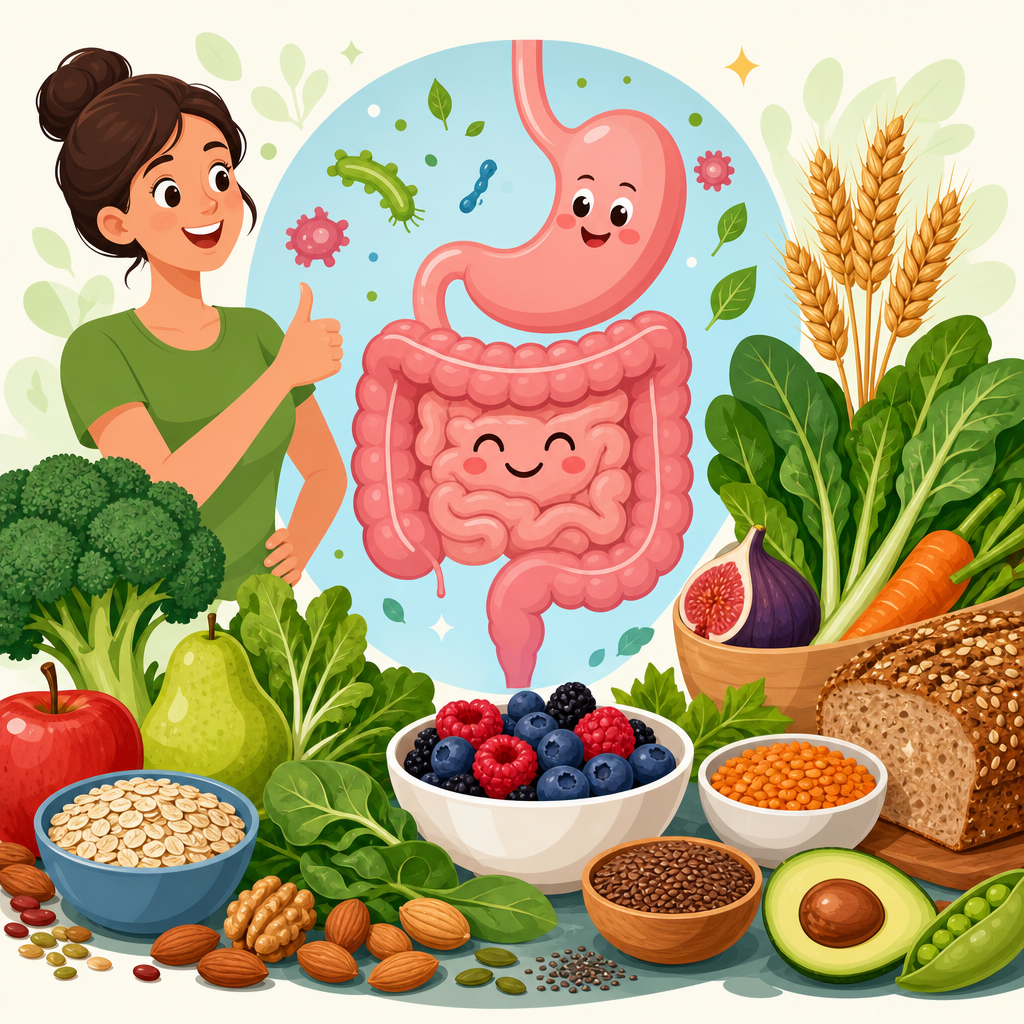
The best foods for managing calories and energy balance are usually high in satiety, nutrient density, or both. Protein-rich foods such as eggs, Greek yogurt, cottage cheese, fish, chicken breast, tofu, tempeh, and lean beef help preserve muscle mass and increase fullness. High-fiber carbohydrate sources like oats, potatoes, beans, lentils, berries, apples, and whole grains slow digestion and make meals more filling. Vegetables add bulk and micronutrients with relatively few calories, which helps people create satisfying plates without excessive energy intake. Healthy fats from avocado, nuts, seeds, and olive oil support hormones and absorption of fat-soluble vitamins, but their calorie density means portions matter.
That balance becomes clearer when foods are compared by how they influence appetite and total daily intake rather than by calories alone. A pastry and a bowl of oatmeal may contain similar calories, yet the oatmeal usually offers more fiber, water, and satiety. Likewise, 200 calories of salmon provide protein and omega-3 fats that support recovery and cardiovascular health, while 200 calories of candy mainly provide quick sugar and little staying power. The practical lesson is not that enjoyable foods are forbidden. It is that foods with stronger satiety and nutrient profiles should make up the majority of the diet because they help regulate intake naturally.
| Food category | Why it helps with energy balance | Practical example |
|---|---|---|
| Lean protein | High satiety, supports muscle retention, higher thermic effect | Greek yogurt at breakfast or chicken breast at lunch |
| High-fiber carbs | Slower digestion, steadier energy, easier appetite control | Oats, beans, lentils, potatoes, brown rice |
| Vegetables and fruit | High volume for fewer calories, rich in vitamins and minerals | Salad, roasted vegetables, berries, apples, oranges |
| Healthy fats | Important for hormones and flavor, but energy dense | Measured olive oil, nuts, seeds, avocado |
| Ultra-processed treats | Easy to overeat because they combine sugar, fat, and low fiber | Chips, pastries, candy, sweetened coffee drinks |
Why food quality changes hunger, adherence, and results
Food quality influences energy balance by affecting how much you want to keep eating. Protein, fiber, water content, texture, and food structure all shape satiety. Boiled potatoes, beans, and thick yogurt tend to be more filling than soda, crackers, or ice cream even when calories are matched. Research on satiety consistently shows that minimally processed foods generally reduce spontaneous calorie intake compared with ultra-processed diets. One controlled trial published in Cell Metabolism found that participants eating an ultra-processed diet consumed about 500 more calories per day than when eating a minimally processed diet matched for presented calories, sugar, fat, fiber, and macronutrients.
That finding reflects what many practitioners observe. People rarely overeat plain potatoes, apples, or grilled fish to the same degree they overeat chips, cookies, or fast food. Hyper-palatable foods are engineered to be soft, convenient, and rewarding, which can override natural stopping cues. This does not make them inherently toxic, but it does mean they require more intentional portion control. If your goal is better energy balance, the simplest strategy is not constant willpower. It is designing meals so that the default options are filling and nutrient-dense, while calorie-dense extras are chosen deliberately and in portions that fit the plan.
Meal timing also matters for some people, though less than total intake over time. Distributing protein across meals can improve satiety and support muscle protein synthesis. Eating regular meals can prevent the late-day hunger that often leads to overeating. However, rigid timing rules are usually less important than consistency. A successful pattern is one you can repeat through workdays, weekends, travel, and social events without feeling trapped by the plan.
How to estimate calorie needs and track progress accurately
Most people start by estimating total daily energy expenditure with equations such as Mifflin-St Jeor, then refine the number using body-weight trends, waist measurements, gym performance, and hunger levels. The estimate is only a starting point because labels, tracking apps, and wearable devices all contain error. Food labels in many countries are allowed a margin of variation, and activity trackers often overestimate calories burned during exercise. This is why scale trends across several weeks are more useful than any single data source.
To assess maintenance calories, track intake consistently for two weeks while weighing yourself under the same conditions each morning and watching the weekly average. If the average remains stable, you are near maintenance. If it rises, intake is above expenditure; if it falls, intake is below expenditure. For fat loss, aim for a rate that protects performance and adherence, often around 0.25 to 0.75 percent of body weight per week depending on starting size. For gaining muscle, a slower rate helps limit fat gain. Strength progression, recovery, and measurement changes tell you whether the calorie target is doing its job.
Portion awareness is equally important. Oils, nut butters, dressings, trail mix, and café drinks can add hundreds of calories quickly. By contrast, vegetables, broth-based soups, and fruit usually provide more visual volume per calorie. A food scale can be useful at the beginning, not as a life sentence but as training for your eyes. Once people learn what 30 grams of peanut butter or 150 grams of cooked rice actually looks like, their accuracy improves dramatically.
Common misconceptions about calories and energy balance
The first misconception is that calories do not matter if food is healthy. In reality, nuts, olive oil, avocado, dark chocolate, and granola can absolutely fit a nutritious diet, but they still contribute substantial energy. The second misconception is that every calorie is identical in effect. Body weight change still follows energy balance, yet foods differ in satiety, thermic effect, nutrient density, and the ease with which they are overeaten. The third misconception is that exercise alone can offset poor intake. Physical activity is essential for health, insulin sensitivity, cardiovascular fitness, and weight maintenance, but it is usually easier to consume surplus calories than to burn them.
Another mistake is assuming short-term weight fluctuations reflect true fat gain or loss. Sodium, carbohydrate intake, menstrual cycle changes, soreness, and travel can shift water retention by several pounds. Judging progress from day to day leads to frustration and unnecessary diet changes. Trend lines are what matter. Finally, many people believe they must choose between strict tracking and intuitive eating. In practice, there is a middle ground. Temporary tracking can teach awareness, while structured meal patterns and hunger recognition can gradually reduce dependence on logging.
Understanding calories and energy balance gives you a durable framework for every nutrition goal. Calories are the body’s energy currency, and energy balance determines whether weight is maintained, lost, or gained. The smartest way to use that framework is not by chasing perfection but by choosing foods that make the math easier: protein-rich staples, high-fiber carbohydrates, vegetables, fruit, and measured amounts of healthy fats. Those foods improve satiety, support training and recovery, and help you stay consistent in the environments where most diets fail.
Use this Nutrition Basics hub as your starting point for deeper articles on calorie needs, portion control, macronutrients, meal planning, and weight-management strategies. If you want better results, begin with one action today: build your next meal around a lean protein, a high-fiber carbohydrate, and a large serving of vegetables or fruit, then observe how your hunger and energy respond.
Frequently Asked Questions
What does it mean to understand calories and energy balance?
Understanding calories and energy balance means knowing how the body takes in energy from food and drink, uses that energy to stay alive and active, and stores any excess when intake exceeds need. A calorie is simply a unit of energy. Your body uses calories for essential functions such as breathing, circulation, hormone production, body temperature regulation, digestion, and cellular repair, as well as for all forms of movement, from walking and standing to structured exercise. Energy balance refers to the relationship between the calories you consume and the calories you burn. When calorie intake closely matches calorie expenditure, body weight tends to remain relatively stable over time. When intake consistently exceeds expenditure, the body stores the extra energy, usually as body fat. When intake is lower than expenditure, the body draws on stored energy to make up the difference. Learning this principle helps explain why eating patterns influence weight, performance, and health outcomes, and it provides the foundation for making informed nutrition decisions rather than relying on trends or guesswork.
Why is energy balance so important for weight management and overall health?
Energy balance is important because it affects much more than the number on the scale. It is central to body weight regulation, body composition, physical performance, recovery, and long-term metabolic health. A consistent calorie surplus can lead to gradual weight gain, while a sustained calorie deficit can support weight loss. However, the impact goes beyond fat gain or fat loss. If calorie intake is too low for too long, energy levels may drop, recovery may suffer, hunger may increase, and it can become harder to meet nutrient needs. On the other hand, regularly consuming more energy than the body requires can raise the risk of unwanted fat gain and may contribute over time to health issues linked with excess body weight. Balanced energy intake supports stable daily function, helps preserve muscle when paired with adequate protein and resistance training, and makes it easier to maintain a healthy relationship with food. In practical terms, understanding energy balance gives people a realistic framework for adjusting food intake based on their goals, whether that is maintaining weight, improving athletic performance, building muscle, or supporting overall wellness.
Are all calories the same, or does food quality still matter?
Calories are the same as units of energy, but the foods that provide those calories can affect the body very differently. For energy balance, total calorie intake matters, but food quality still plays a major role in hunger, fullness, nutrient intake, digestion, blood sugar response, muscle maintenance, and long-term health. For example, a calorie source rich in protein, fiber, vitamins, minerals, and healthy fats often supports satiety and better nutrition more effectively than a highly processed food with the same calorie content. Whole foods such as vegetables, fruits, legumes, whole grains, dairy, eggs, fish, nuts, seeds, and lean meats typically deliver more nutritional value per calorie and can make it easier to manage appetite and maintain consistent energy levels. Highly processed foods are not automatically off-limits, but relying on them too heavily may make it harder to stay satisfied and meet nutrient needs. So while calories determine the energy side of the equation, food quality determines a great deal about how well that eating pattern supports health, performance, and sustainability.
How can someone estimate how many calories they need each day?
Daily calorie needs vary from person to person based on age, sex, body size, muscle mass, activity level, occupation, training volume, health status, and personal goals. A person’s total daily energy expenditure includes resting metabolism, the energy used to digest and process food, non-exercise activity such as walking or standing, and purposeful exercise. Online calculators and equation-based estimates can provide a helpful starting point, but they are only estimates. A practical approach is to begin with a reasonable calorie target based on current body size and activity, then observe what happens over several weeks. If body weight and body measurements stay stable and energy feels good, intake may be close to maintenance. If weight trends upward, intake may be above needs. If weight trends downward, intake may be below needs. People trying to lose fat typically aim for a modest calorie deficit, while those trying to build muscle may use a small surplus combined with strength training. The most accurate approach is to track patterns over time rather than rely on a single day or number, since the body and lifestyle are always influencing real-world energy needs.
What are the best foods to support healthy energy balance and better calorie awareness?
The best foods for supporting healthy energy balance are usually those that combine strong nutritional value with good satiety. Protein-rich foods such as Greek yogurt, eggs, chicken, fish, tofu, cottage cheese, beans, and lentils can help with fullness and muscle maintenance. High-fiber foods such as vegetables, fruits, oats, legumes, and whole grains slow digestion and help people feel satisfied on fewer calories. Healthy fats from foods like nuts, seeds, avocado, and olive oil are important for hormone function and overall health, though they are more calorie-dense and may require more portion awareness. Hydrating, minimally processed foods often make calorie intake easier to manage because they add volume and nutrients without encouraging overeating as easily as some ultra-processed options. That said, the best diet is not built on perfection. It is built on awareness, consistency, and food choices that fit a person’s preferences, routine, and goals. A balanced plate with protein, fiber-rich carbohydrates, and healthy fats is often the most practical way to support energy control, steady performance, and long-term sustainability.