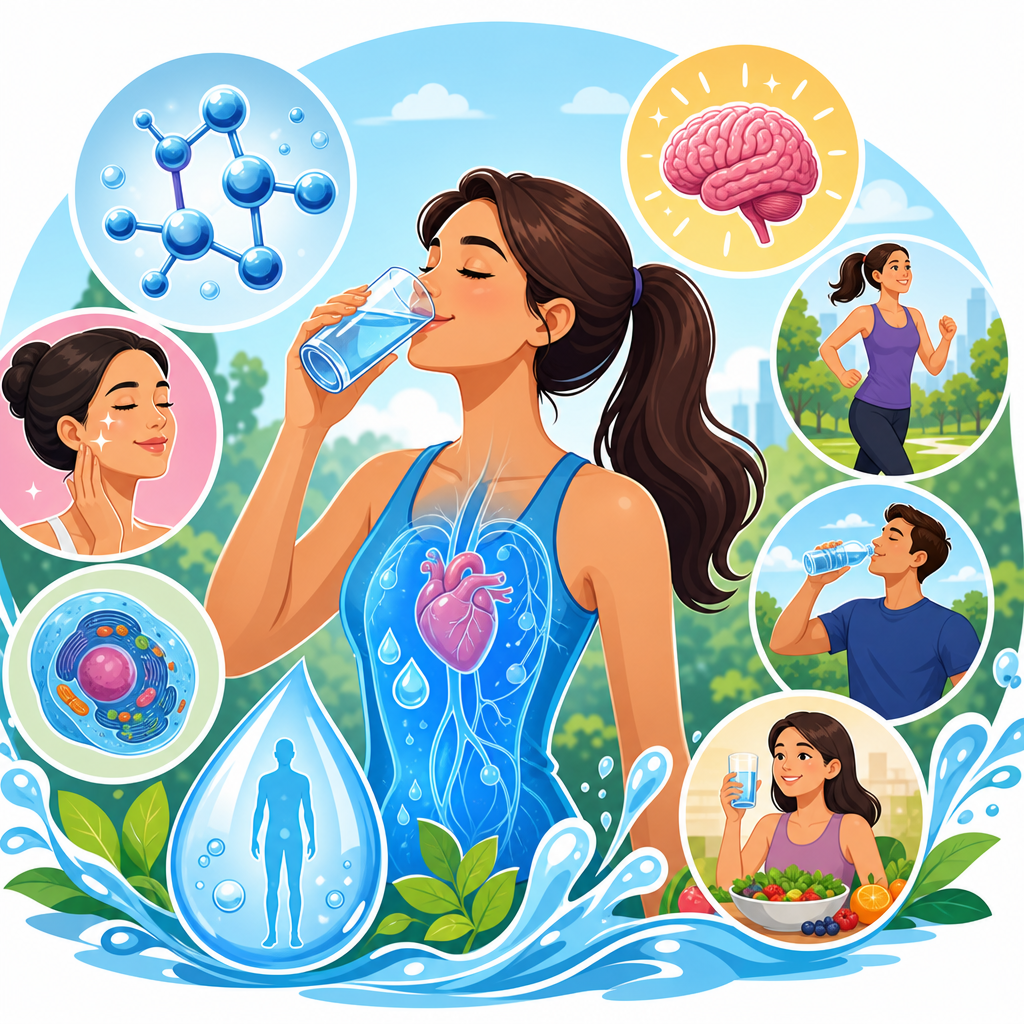
Hydration is the process of maintaining adequate body water to support normal physiological function, and it is one of the most overlooked foundations of health and disease prevention. Water is not just a passive fluid. It regulates temperature, carries nutrients, removes waste, lubricates joints, supports blood volume, enables cellular metabolism, and helps every organ system work as intended. When hydration is poor, the effects can be immediate, such as fatigue, headaches, dizziness, and reduced concentration, but the consequences can also build slowly through higher strain on the kidneys, poorer digestive function, and greater vulnerability during illness, heat, or exercise.
In clinical practice and nutrition education, hydration refers to both fluid intake and fluid balance. That balance depends on what comes in through beverages and water-rich foods and what goes out through urine, sweat, breathing, and stool. It also depends on age, body size, climate, activity level, medications, and health status. A healthy adult sitting in a cool office has very different hydration needs than a child playing summer sports, an older adult taking diuretics, or someone recovering from vomiting and diarrhea. That is why blanket rules, especially the popular advice to drink exactly eight glasses a day, often miss the real picture.
This hub article explains how hydration affects the body, why it matters for long-term health, how much fluid people generally need, and how to recognize both dehydration and overhydration. I have seen hydration advice fail when it is reduced to slogans. The useful approach is practical: understand fluid balance, match intake to real conditions, and use clear signs such as thirst, urine color, exercise losses, and medical context. For anyone building stronger nutrition basics, hydration is not a side topic. It is a daily, measurable habit that influences energy, cognition, physical performance, and disease risk.
How Hydration Supports Core Body Functions
Water makes up roughly half to two thirds of adult body weight, though the percentage varies with age, sex, and body composition. Lean tissue contains more water than body fat, which is one reason hydration status can affect athletic performance and body weight readings from day to day. At the cellular level, water acts as the medium for chemical reactions, nutrient transport, and waste removal. Blood plasma is mostly water, so low fluid status can reduce circulating volume and force the heart to work harder to maintain blood pressure and deliver oxygen.
Hydration is also central to thermoregulation. During heat exposure or exercise, the body relies on sweat evaporation to release heat. If fluid losses are not replaced, core temperature rises, heart rate increases, and performance drops. Even mild dehydration, often described as a loss of around 1 to 2 percent of body weight, can impair endurance, increase perceived effort, and reduce concentration. In my experience working with active adults, many people mistake early dehydration for low motivation or hunger when the underlying issue is simply inadequate fluid before and during activity.
The kidneys are another key part of the hydration story. They regulate fluid balance, electrolytes, and blood pressure by adjusting urine concentration. When intake is low, the body conserves water through hormones such as vasopressin. When intake is high, urine output rises. This system is efficient, but not unlimited. Chronic underhydration may contribute to kidney stone risk in susceptible people because concentrated urine can promote crystal formation. Adequate fluid intake dilutes stone-forming substances and is one of the most established preventive strategies for recurrent stones.
Digestion also depends on hydration. Fluids help move food through the gastrointestinal tract, support saliva and digestive secretions, and soften stool. For people with constipation, increasing water alone is not always sufficient, but it often helps when paired with adequate dietary fiber. Mucosal tissues, including those in the mouth and respiratory tract, function better when hydration is maintained. This does not mean drinking water prevents every illness, but it does support the barriers and transport systems the body relies on every day.
Hydration, Energy, Brain Function, and Physical Performance
One of the earliest and most common effects of poor hydration is reduced mental and physical performance. The brain is highly sensitive to changes in fluid balance. Studies have linked mild dehydration with declines in attention, short-term memory, mood, and perceived task difficulty. People often report headaches, irritability, and mental fog before they recognize thirst. In offices, classrooms, and long travel days, these symptoms are common because access to water is easy to ignore while caffeine and busy schedules mask the problem.
Physical performance is affected just as quickly. When body water drops, blood volume decreases, cardiovascular strain rises, and the ability to cool the body declines. For endurance exercise, heat exposure, and team sports with repeated high-intensity efforts, this can mean earlier fatigue, slower pace, poorer decision-making, and higher risk of heat illness. A simple field method many coaches use is pre- and post-exercise body weight. If an athlete loses one kilogram during a session, that usually reflects about one liter of fluid loss, though replacement should also consider sodium and ongoing sweat.
Caffeine is often misunderstood in this context. Coffee and tea contribute to daily fluid intake despite their mild diuretic effect, especially in habitual users. They do not automatically dehydrate the body. Alcohol is different because it can increase urine output and impair judgment, making it easier to miss fluid losses. Energy drinks add another complication through high caffeine content and sugar load. The practical message is to count hydrating beverages realistically while recognizing that water remains the most reliable baseline drink for most situations.
Hydration also influences recovery. After intense training, illness, or heat exposure, replacing water without replacing sodium can be incomplete if sweat losses were substantial. This is why oral rehydration solutions, sports drinks in the right context, or meals containing sodium can help restore balance more effectively than plain water alone. Recovery is not just about the volume consumed. It is about replacing what was actually lost.
How Much Water Do You Need and What Counts Toward Intake
There is no single fluid target that fits everyone, but there are useful reference points. The National Academies has set adequate intake levels at about 3.7 liters of total water per day for men and 2.7 liters for women, including fluids from beverages and foods. Around 20 percent of total water intake often comes from food, especially fruits, vegetables, soups, yogurt, and cooked grains. Watermelon, cucumbers, oranges, strawberries, lettuce, and broth-based meals can meaningfully contribute, which matters for people who struggle to drink large volumes.
Daily needs rise with exercise, hot or humid weather, high altitude, fever, diarrhea, vomiting, pregnancy, and breastfeeding. They may also change with high-protein diets, increased fiber intake, or medical conditions that alter fluid losses. Thirst is useful, but it is not perfect. Older adults often have a weaker thirst response, and children may not drink enough unless fluids are made available regularly. People taking diuretics, laxatives, or certain diabetes medications may have additional considerations that should be reviewed with a clinician.
| Situation | Why needs change | Practical hydration approach |
|---|---|---|
| Moderate daily routine | Normal urine, sweat, and breathing losses | Drink regularly with meals and between meals; use thirst and pale yellow urine as guides |
| Endurance exercise or hot weather | Higher sweat losses and sodium loss | Start well hydrated, drink during activity, replace losses after, and consider electrolytes for long sessions |
| Fever, vomiting, or diarrhea | Rapid fluid and electrolyte depletion | Use oral rehydration solutions or clinician-guided fluids, especially for children and older adults |
| Older age | Reduced thirst response and higher dehydration risk | Schedule drinks routinely and monitor urine, medications, and signs of confusion or weakness |
What counts toward hydration includes plain water, sparkling water, milk, tea, coffee, and many foods. Sugary drinks add fluid but can increase calorie intake and worsen blood glucose control when used excessively. Sports drinks have a role during prolonged exercise or heavy sweat loss, not as an automatic daily beverage. For infants, feeding guidance is different and should follow pediatric recommendations, because water needs and safety are not the same as in adults.
Hydration in Disease Prevention and Clinical Risk Reduction
Hydration supports disease prevention in direct and indirect ways. The clearest direct evidence is in kidney stone prevention, where higher urine volume lowers the concentration of calcium, oxalate, and uric acid that can form stones. Clinicians commonly advise patients with recurrent stones to produce at least 2 to 2.5 liters of urine daily, which usually requires fluid intake above that amount. Hydration can also reduce the risk of heat exhaustion and heat stroke, conditions that become more common during heat waves and strenuous outdoor work.
Urinary tract health is another area where hydration matters. Adequate fluid intake increases urine flow, which may help flush bacteria from the urinary tract, although hydration is not a substitute for medical treatment when infection is present. For constipation, especially in people increasing fiber, sufficient fluid supports stool softness and transit. In hospitals and long-term care settings, poor hydration is associated with worse outcomes, including delirium risk, falls, and delayed recovery, particularly among older adults.
Hydration also intersects with chronic disease management. People with diabetes can lose more fluid when blood glucose is poorly controlled because excess glucose pulls water into urine. Those with kidney disease, heart failure, liver disease, or endocrine disorders may need individualized fluid guidance rather than generic advice to drink more. In these populations, both dehydration and fluid overload can be harmful. That nuance matters because good health guidance should match physiology, not trends.
Public health relevance is increasing as climate change raises exposure to extreme heat. Outdoor workers, athletes, military personnel, and older adults living without reliable cooling are at particular risk. Hydration planning in these settings is part of disease prevention, not just comfort. Access to safe drinking water, shaded rest breaks, acclimatization, and electrolyte replacement when appropriate are evidence-based protections.
Signs of Dehydration, Overhydration, and Smart Daily Habits
Common signs of dehydration include thirst, dark yellow urine, dry mouth, fatigue, headache, dizziness, reduced exercise tolerance, and infrequent urination. More serious warning signs include confusion, rapid heartbeat, low blood pressure, fainting, and inability to keep fluids down. In children, additional signs can include fewer wet diapers, lack of tears, sunken eyes, and unusual sleepiness. These are not symptoms to dismiss, especially during illness or hot weather.
Overhydration deserves attention too. Drinking far beyond needs, especially during endurance events without enough sodium, can lead to exercise-associated hyponatremia, a dangerous drop in blood sodium. Symptoms may resemble dehydration at first, including nausea, headache, and confusion, but the treatment is different. This is why athletes should avoid forcing excessive fluid intake and instead use individualized plans based on thirst, sweat rate, event duration, and environmental conditions.
Smart daily hydration habits are simple and effective. Start the day with a drink, include fluids with each meal, carry water when travel or meetings make access unpredictable, and increase intake before thirst becomes intense during heat or exercise. Monitor urine color as a rough guide rather than a perfect test. Build habits around routines: after waking, with medications, before workouts, and during long stretches of screen time. If you want to improve nutrition basics, review your daily fluid pattern as carefully as your meals. Consistent hydration supports energy, resilience, and prevention. Make water accessible, adjust for real conditions, and treat hydration as a core health habit rather than an afterthought.
Frequently Asked Questions
Why is hydration so important for overall health?
Hydration is essential because water is involved in nearly every major function of the body. It helps regulate body temperature, maintain blood volume, transport oxygen and nutrients to cells, remove waste through the kidneys, support digestion, and keep joints and tissues lubricated. Proper hydration also allows muscles and nerves to function efficiently, which is why even mild dehydration can lead to fatigue, reduced concentration, headaches, and lower physical performance. In practical terms, hydration is not just about quenching thirst. It is a foundational part of how the body maintains balance, repairs itself, and stays resilient under daily physical and mental demands.
When hydration is consistently inadequate, the body has to work harder to carry out routine processes. Blood can become more concentrated, circulation may be less efficient, and organs such as the kidneys may face additional strain. Over time, this can contribute to a higher risk of certain health problems, especially in people who are already vulnerable due to age, chronic illness, heat exposure, or high activity levels. Staying well hydrated supports both day-to-day well-being and long-term disease prevention, making it one of the simplest but most powerful habits for protecting health.
How does dehydration affect the body in the short term and the long term?
In the short term, dehydration often shows up through symptoms that many people overlook or misinterpret. Common early signs include thirst, dry mouth, darker urine, fatigue, dizziness, headaches, muscle cramps, and difficulty concentrating. Because water is necessary for circulation and temperature control, dehydration can also make exercise feel harder, reduce endurance, and increase the risk of overheating. Even mild fluid loss can affect mood, energy, and mental clarity, which is one reason people sometimes feel sluggish or irritable when they have not had enough fluids.
If dehydration becomes more severe, symptoms can escalate to rapid heart rate, low blood pressure, confusion, weakness, and reduced sweating. In extreme cases, it can become a medical emergency. Over the long term, routinely poor hydration may increase the risk of kidney stones, urinary tract issues, constipation, and impaired kidney function. It can also make it harder for the body to manage heat stress and may worsen symptoms in people with certain chronic conditions. While hydration alone is not a cure-all, maintaining adequate fluid intake can reduce strain on multiple systems and help lower the likelihood of preventable health complications.
Can proper hydration really help with disease prevention?
Yes, proper hydration can play a meaningful role in disease prevention because it supports the body systems that protect health every day. For example, good hydration helps the kidneys filter waste and maintain fluid and electrolyte balance, which can reduce the risk of kidney stones and support urinary tract health. Adequate water intake also helps keep stool soft and moving through the digestive tract, lowering the risk of constipation and the discomfort or complications that can follow. In hot environments or during illness, staying hydrated is especially important because it helps preserve blood pressure, circulation, and temperature regulation.
Hydration also contributes indirectly to disease prevention by improving how the body functions overall. People who are well hydrated may experience better physical performance, improved mental focus, and more stable energy levels, which can support healthier daily routines such as exercise, meal planning, and recovery. Water itself is not a substitute for medical care, balanced nutrition, or sleep, but it works alongside all of those factors. In that sense, hydration is best understood as a basic preventive health practice: simple, accessible, and highly influential across many aspects of wellness.
How much water should a person drink each day?
There is no single amount that fits everyone because hydration needs depend on body size, age, activity level, climate, health status, and diet. A common general guideline is around 2.7 liters of total daily fluids for many women and 3.7 liters for many men, but that includes fluids from beverages and water-rich foods, not just plain water. Someone who exercises intensely, spends time in hot weather, is pregnant or breastfeeding, or is recovering from illness may need significantly more. On the other hand, some people with certain medical conditions may need individualized guidance from a healthcare professional.
A practical way to judge hydration is to pay attention to your body. Thirst is one signal, but urine color can also be helpful. Pale yellow urine usually suggests adequate hydration, while darker urine may indicate you need more fluids. Rather than forcing large amounts of water all at once, it is usually better to drink consistently throughout the day and increase intake when sweating, traveling, or feeling unwell. Foods like fruits, vegetables, soups, and yogurt can also contribute to hydration, so overall fluid balance matters more than chasing an exact number alone.
What are the best ways to stay hydrated consistently?
The most effective approach is to build hydration into your daily routine instead of waiting until you feel very thirsty. Keeping water within reach, drinking with meals, and taking regular sips throughout the day can make a major difference. Many people find it helpful to start the morning with a glass of water, carry a reusable bottle, and drink before, during, and after exercise. If plain water feels boring, adding lemon, cucumber, mint, or berries can make it more appealing without adding much sugar. Choosing water-rich foods such as watermelon, oranges, cucumbers, tomatoes, and broth-based soups can also support overall fluid intake.
It is also important to adjust your habits based on circumstances. During hot weather, illness, long flights, or physically demanding work, fluid needs often rise. Be more intentional about hydration if you are sweating more than usual or losing fluids from fever, vomiting, or diarrhea. At the same time, balance matters. Most healthy people benefit from steady fluid intake rather than extremes, and people with heart, kidney, or endocrine conditions should follow medical advice if fluid restrictions or special considerations apply. The best hydration strategy is one that is simple, sustainable, and responsive to your body’s changing needs.