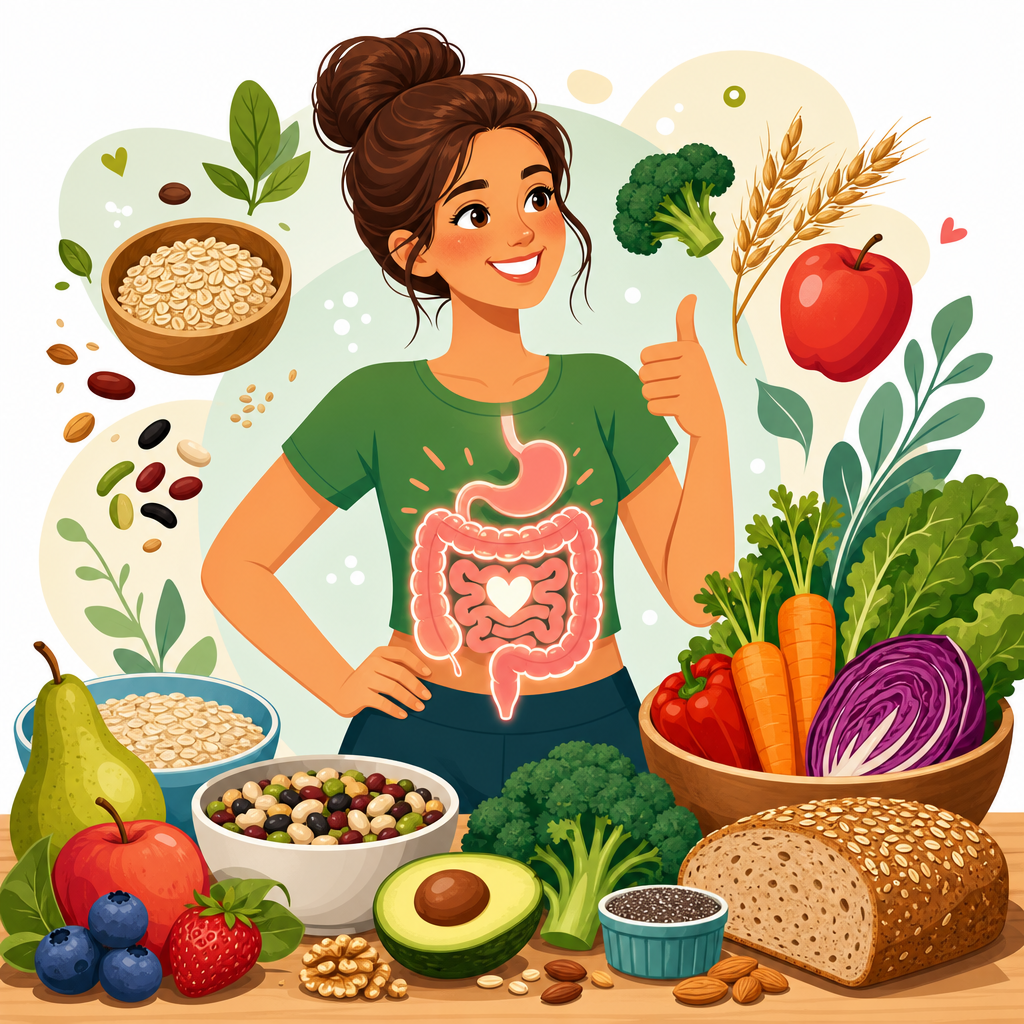
Dietary fiber is one of the most overlooked nutrients in modern eating, yet it plays a central role in digestive health, blood sugar control, cholesterol management, and long-term disease prevention. In practice, I see the same pattern repeatedly: people focus on protein, calories, or supplements while missing the daily fiber intake that keeps the gut working properly. Dietary fiber refers to the parts of plant foods that resist digestion in the small intestine and reach the colon largely intact, where they influence stool formation, bowel regularity, and the gut microbiome. Digestive health, in turn, describes how efficiently the gastrointestinal tract breaks down food, absorbs nutrients, moves waste, and maintains comfort without symptoms such as bloating, constipation, or irregular bowel habits.
Understanding fiber starts with two broad categories. Soluble fiber dissolves in water and forms a gel-like substance; it can help lower LDL cholesterol, slow glucose absorption, and feed beneficial intestinal bacteria. Insoluble fiber does not dissolve in water and adds bulk to stool, helping waste move through the digestive tract. Foods often contain both types in different proportions. Oats, beans, apples, and psyllium are rich in soluble fiber. Wheat bran, many vegetables, nuts, and whole grains provide substantial insoluble fiber. Resistant starch and certain fermentable fibers also deserve attention because they produce short-chain fatty acids in the colon, especially butyrate, which supports the cells lining the large intestine.
This topic matters because most adults fall short of recommended intake. General guidance used in clinical nutrition and public health places daily fiber targets around 25 grams for women and 38 grams for men, with adjustments based on age, energy needs, and medical conditions. Many people consume closer to 15 grams per day. That gap has consequences. Low fiber intake is associated with constipation, poorer satiety, less favorable cholesterol levels, and reduced microbial diversity in the gut. A high-fiber eating pattern, by contrast, is consistently linked with lower risk of cardiovascular disease, type 2 diabetes, diverticular disease, and colorectal problems. For anyone building a solid foundation in nutrition basics, dietary fiber and digestive health belong at the center, not the margins.
What Dietary Fiber Does in the Digestive System
Fiber supports digestion through several distinct mechanisms, and each matters for different symptoms and health goals. First, insoluble fiber increases stool bulk by holding water and adding physical mass, which can shorten transit time and reduce straining. This is one reason whole grains, vegetables, and seeds are often useful when constipation is driven by low stool volume. Second, soluble fiber slows gastric emptying and forms viscous gels, which can improve stool consistency and moderate post-meal glucose spikes. Psyllium is a classic example because it helps both constipation and mild diarrhea by normalizing water balance in the stool.
Third, fermentable fibers act as fuel for gut microbes. During fermentation, intestinal bacteria produce short-chain fatty acids such as acetate, propionate, and butyrate. These compounds lower colonic pH, influence immune signaling, nourish colon cells, and may help maintain the integrity of the intestinal barrier. In practical terms, that means fiber does more than keep people regular; it shapes the internal environment of the gut. When I review food logs, a varied intake of legumes, oats, berries, onions, asparagus, and cooled potatoes usually correlates with better bowel regularity than relying on one cereal or one supplement alone.
Fiber also affects appetite and metabolic health in ways that feed back into digestive comfort. High-fiber foods usually require more chewing, take up more volume, and create greater fullness per calorie. That often reduces overeating, which in turn can lessen reflux and post-meal discomfort. Viscous fibers help trap bile acids and support cholesterol reduction, while slower carbohydrate absorption can stabilize energy and lower the rapid swings that drive cravings. The digestive system does not operate in isolation; bowel habits, microbiome activity, blood sugar patterns, and meal size interact every day.
Best High-Fiber Foods for Gut Health
The best high-fiber foods are whole plant foods eaten consistently across the day rather than a single “superfood.” Legumes are among the strongest choices because they deliver fiber, resistant starch, protein, iron, magnesium, and potassium together. Lentils, black beans, chickpeas, and split peas support stool bulk and microbial fermentation while also improving meal satisfaction. Whole grains such as oats, barley, bulgur, quinoa, and intact brown rice contribute different fiber structures than legumes, which is useful because microbial diversity tends to benefit from dietary variety. Fruits like pears, apples, berries, oranges, kiwi, and prunes add both water and fiber, making them especially helpful for regularity.
Vegetables matter not just for total fiber but for distribution across meals. Artichokes, Brussels sprouts, broccoli, carrots, sweet potatoes, leafy greens, and winter squash are reliable contributors. Nuts and seeds, including chia, flax, almonds, pistachios, and sunflower seeds, add fiber in smaller portions and can be strategically useful in breakfasts or snacks. Seeds also provide texture and healthy fats that support meal quality. For people who tolerate them well, fermented foods such as kefir, yogurt with live cultures, kimchi, or sauerkraut do not replace fiber, but they can complement a high-fiber diet by adding beneficial microbes alongside fermentable substrates.
| Food | Typical Serving | Approximate Fiber | Digestive Benefit |
|---|---|---|---|
| Lentils, cooked | 1 cup | 15 to 16 g | Supports stool bulk and microbial fermentation |
| Black beans, cooked | 1 cup | 15 g | Promotes regularity and satiety |
| Oats, dry | 1/2 cup | 4 g | Provides beta-glucan for cholesterol and stool balance |
| Chia seeds | 2 tablespoons | 10 g | Absorbs water and helps soften stool |
| Pear with skin | 1 medium | 5 to 6 g | Adds fluid-rich fiber for gentle regularity |
| Broccoli, cooked | 1 cup | 5 g | Increases bulk and contributes prebiotic compounds |
| Psyllium husk | 1 tablespoon | About 7 g | Improves constipation and normalizes loose stools |
When building meals, combine categories. Oatmeal with chia and berries, a lentil soup with vegetables, or a grain bowl with beans and roasted broccoli gives a better digestive effect than isolated low-fiber foods with a supplement added later. This hub on dietary fiber and digestive health connects naturally to deeper discussions on whole grains, legumes, fruits and vegetables, meal planning, and gut-friendly snacks because real improvement comes from food patterns, not single ingredients.
How to Increase Fiber Without Causing Bloating
The most common question is simple: why does fiber sometimes make digestion feel worse before it feels better? The answer is usually dose, speed, hydration, or food choice. If someone jumps from 10 grams of fiber a day to 30 grams overnight, bloating and gas are predictable because the microbiota suddenly receive much more fermentable material. The solution is to increase intake gradually, usually by 3 to 5 grams every few days, while raising fluid intake. Water matters because fiber works by binding and holding fluid; without enough hydration, stool can become harder, not easier to pass.
Cooking methods also change tolerance. Many people handle cooked vegetables, oats, soaked chia, and canned beans rinsed well more comfortably than large raw salads or very high-bran products. For clients with sensitive digestion, I often start with oatmeal, kiwi, lentils in small portions, and psyllium before adding bigger servings of cruciferous vegetables or bran cereal. Chewing thoroughly, spacing fiber across meals, and avoiding very large late-night meals can reduce pressure and distention. Physical activity helps too. Regular walking stimulates bowel motility and can be as important as the food itself for some people with sluggish transit.
There are limits and exceptions. People with active inflammatory bowel disease flares, bowel strictures, recent gastrointestinal surgery, or certain motility disorders may need individualized fiber guidance from a clinician or dietitian. Some individuals with irritable bowel syndrome feel better with selective reduction of rapidly fermentable carbohydrates for a period, even while maintaining adequate total fiber from better-tolerated sources like oats or psyllium. Digestive health is not one-size-fits-all. The goal is not to eat the most fiber possible, but to reach a level and mix that improves stool quality, comfort, and consistency.
Fiber, Constipation, Diarrhea, and the Gut Microbiome
For constipation, fiber can be highly effective, but matching the type of fiber to the problem matters. Low intake of vegetables, legumes, fruit, and whole grains often leads to small, dry stools and infrequent bowel movements. In these cases, adding food-based fiber plus more water and movement is usually the first step. Psyllium has some of the strongest evidence among supplements because it is viscous and gel forming, which improves stool form without the harshness some people feel from wheat bran. Prunes also deserve their reputation; they provide fiber plus sorbitol and polyphenols that can stimulate bowel activity.
For diarrhea, the answer is not “avoid all fiber.” Soluble fiber can absorb excess water and improve stool consistency. Oats, bananas, applesauce, rice, and psyllium are common practical tools during recovery, though persistent diarrhea requires medical evaluation for infection, malabsorption, inflammatory disease, medication effects, or bile acid issues. In irritable bowel syndrome, both constipation-predominant and diarrhea-predominant forms can respond to targeted fiber, especially psyllium, while coarse insoluble fiber may worsen symptoms in some people. This nuance is important because blanket advice often fails.
The microbiome adds another layer. A fiber-rich diet generally supports a more diverse and resilient microbial ecosystem, and diversity is associated with better metabolic and gastrointestinal health. Different microbes prefer different substrates, which is why variety matters. Beta-glucans from oats, inulin-type fibers from onions and garlic, pectin from fruit, galacto-oligosaccharides from legumes, and resistant starch from beans or cooled potatoes all feed overlapping but distinct groups of microbes. Over time, that broader menu can increase production of short-chain fatty acids and improve the gut environment. This is the strongest argument for a whole-diet approach to dietary fiber and digestive health rather than dependence on one powder or one fortified snack.
Smart Use of Fiber Supplements and Daily Habits
Fiber supplements can help, but they should support a high-quality diet rather than replace it. Psyllium is the most broadly useful option for many adults because it improves stool regularity, supports modest LDL cholesterol reduction, and is backed by clinical research. Methylcellulose is less fermentable and may be better tolerated by people who experience gas with other products. Wheat dextrin, inulin, partially hydrolyzed guar gum, and resistant dextrins have more specialized roles depending on symptoms and tolerance. Read labels carefully because gummies and “fiber bars” often contain small amounts of fiber with substantial added sugar.
Timing and consistency matter more than brand loyalty. Take supplements with adequate water, separate them from medications when advised since fiber can affect absorption, and increase dosage slowly. Daily habits reinforce the benefit. Eat meals on a regular schedule, include at least one high-fiber food at each meal, and do not ignore the urge to have a bowel movement. A practical day might include oatmeal with berries at breakfast, a bean-and-vegetable soup at lunch, fruit and nuts as a snack, and salmon with barley and roasted vegetables at dinner. That pattern can reach 25 to 35 grams of fiber without extreme portions or specialty products.
The biggest takeaway is straightforward: dietary fiber and digestive health are inseparable. Fiber improves bowel regularity, supports the microbiome, helps manage cholesterol and blood sugar, and makes meals more satisfying. The best approach is gradual, varied, and food first, with supplements used strategically when needed. Start by auditing one typical day of eating, identify where fiber is missing, and add one meaningful source at a time. A bowl of oats, a serving of beans, a piece of fruit with skin, and an extra vegetable at dinner can change digestion more than expensive trends ever will. Build those habits consistently, and your gut will usually tell you the strategy is working.
Frequently Asked Questions
What is dietary fiber, and why is it so important for digestive health?
Dietary fiber is the portion of plant foods that the body cannot fully digest or absorb in the small intestine. Instead of being broken down like fats, proteins, and carbohydrates, fiber moves into the large intestine, where it supports several essential digestive functions. This is one of the reasons fiber is so important: it helps regulate bowel movements, supports stool formation, and creates an environment in the gut that promotes healthier digestion overall.
There are two main categories of fiber: soluble fiber and insoluble fiber. Soluble fiber dissolves in water and forms a gel-like substance, which can help slow digestion, stabilize blood sugar, and lower LDL cholesterol. Insoluble fiber adds bulk to stool and helps food move more efficiently through the digestive tract, which can reduce the risk of constipation. Most whole plant foods contain a mix of both, and both types contribute to better digestive health in different ways.
Fiber also plays a major role in feeding beneficial gut bacteria. Certain fibers act as prebiotics, meaning they serve as fuel for microbes in the colon. When those microbes ferment fiber, they produce short-chain fatty acids that support the gut lining, influence inflammation, and contribute to overall metabolic health. So while many people think of fiber only in terms of regularity, its benefits go much deeper. It supports the structure and function of the digestive system while also influencing heart health, blood sugar control, satiety, and long-term disease prevention.
How much fiber do most adults need each day, and what happens if they do not get enough?
Most adults should aim for roughly 25 to 38 grams of fiber per day, depending on age, sex, calorie needs, and overall health status. In practical terms, many women are advised to get about 25 grams daily, while many men benefit from about 30 to 38 grams. Unfortunately, average intake tends to fall well below those targets, especially in eating patterns built around refined grains, packaged snacks, sugary foods, and low produce intake. This gap is one of the most common nutrition problems in modern diets.
When fiber intake is too low, the first effects often show up in digestion. Constipation, irregular bowel movements, bloating related to sluggish digestion, and a general sense of digestive discomfort are common. Over time, low fiber intake may also contribute to poorer blood sugar control, less favorable cholesterol levels, reduced satiety after meals, and increased difficulty maintaining a healthy weight. In other words, not getting enough fiber can affect far more than bowel regularity.
Long-term low fiber intake has also been associated with a greater risk of several chronic health issues, including cardiovascular disease, type 2 diabetes, and certain digestive disorders. Fiber helps dilute waste, move material through the colon, and support the beneficial bacteria that play a role in immune and metabolic function. That is why a consistent daily intake matters more than occasional efforts to “eat healthy.” Getting enough fiber every day is one of the simplest and most effective ways to improve digestive function and support overall health at the same time.
What are the best food sources of dietary fiber?
The best sources of dietary fiber are whole plant foods, especially foods that are minimally processed. Vegetables, fruits, legumes, whole grains, nuts, and seeds all contribute meaningful amounts of fiber, along with vitamins, minerals, antioxidants, and other beneficial plant compounds. Beans, lentils, chickpeas, oats, barley, berries, pears, apples, chia seeds, flaxseeds, broccoli, Brussels sprouts, sweet potatoes, and whole grains like quinoa and brown rice are all strong choices.
Legumes are especially valuable because they provide a combination of fiber and plant protein, making them helpful for both digestive health and appetite control. Oats and barley are known for their soluble fiber content, which can support cholesterol reduction and improve blood sugar response after meals. Fruits and vegetables offer a wide range of fibers along with water, which further supports stool consistency and gut motility. Nuts and seeds can also make a meaningful contribution, particularly when used consistently in meals and snacks.
One important point is that fiber works best as part of an overall eating pattern, not as a single “superfood.” Rather than relying on one high-fiber product, it is more effective to include multiple fiber-rich foods throughout the day. For example, someone might start with oatmeal and berries, add beans or lentils at lunch, snack on fruit and nuts, and include vegetables and whole grains at dinner. That kind of steady intake tends to be better tolerated and more beneficial than trying to get all your fiber at once from supplements or processed “fiber-fortified” foods.
Can increasing fiber too quickly cause digestive problems?
Yes, increasing fiber too quickly can cause temporary digestive symptoms, especially in people who are starting from a low-fiber diet. The most common issues include bloating, gas, abdominal cramping, and changes in bowel habits. This does not mean fiber is harmful. More often, it means the digestive system and gut microbiome need time to adjust to a higher intake. A sudden jump from a low-fiber eating pattern to a very high-fiber one can overwhelm that adjustment process.
The best approach is to increase fiber gradually over days or weeks rather than all at once. Adding one new fiber-rich food at a time is often easier than trying to overhaul every meal in a single day. For example, you might begin by adding fruit at breakfast, then a serving of beans at lunch, then an extra vegetable at dinner. This step-by-step approach gives the digestive tract time to adapt and usually reduces discomfort significantly.
Hydration is also essential when increasing fiber. Fiber, especially certain forms of insoluble fiber, works best when there is enough fluid in the digestive system. Without adequate water intake, some people may feel more constipated rather than less. Physical activity can help as well, since movement supports normal bowel function. If symptoms persist despite a gradual increase, or if someone has a digestive condition such as irritable bowel syndrome, inflammatory bowel disease, or a history of bowel obstruction, it is smart to discuss fiber strategy with a qualified healthcare professional. In some cases, the type of fiber matters just as much as the amount.
Is it better to get fiber from food or supplements?
In most cases, it is better to get fiber from whole foods first. Fiber-rich foods provide much more than isolated fiber alone. They also deliver water, micronutrients, phytonutrients, and a natural mix of soluble and insoluble fibers that work together to support digestion and overall health. Eating fiber in food form also tends to improve meal quality more broadly, because it usually means consuming more fruits, vegetables, legumes, nuts, seeds, and whole grains while reducing reliance on highly processed foods.
Supplements can still be useful in certain situations. Some people struggle to meet their fiber needs because of limited appetite, busy schedules, specific dietary restrictions, or medical issues that affect food tolerance. In those cases, a fiber supplement such as psyllium may help support regularity or cholesterol management. However, supplements should generally be viewed as a backup tool rather than a replacement for a fiber-rich diet. They do not replicate the full nutritional value of whole plant foods, and different products can affect digestion in different ways.
The most effective strategy is usually a food-first approach with supplements used selectively when needed. If someone chooses a supplement, it is best to start with a small dose, increase gradually, and drink enough water. It is also important to read labels carefully, since some products marketed for fiber contain added sugars or unnecessary ingredients. For people taking medications or managing digestive conditions, professional guidance can help determine the right type and amount. As a general rule, building meals around real, high-fiber foods remains the strongest foundation for digestive health, metabolic health, and long-term disease prevention.