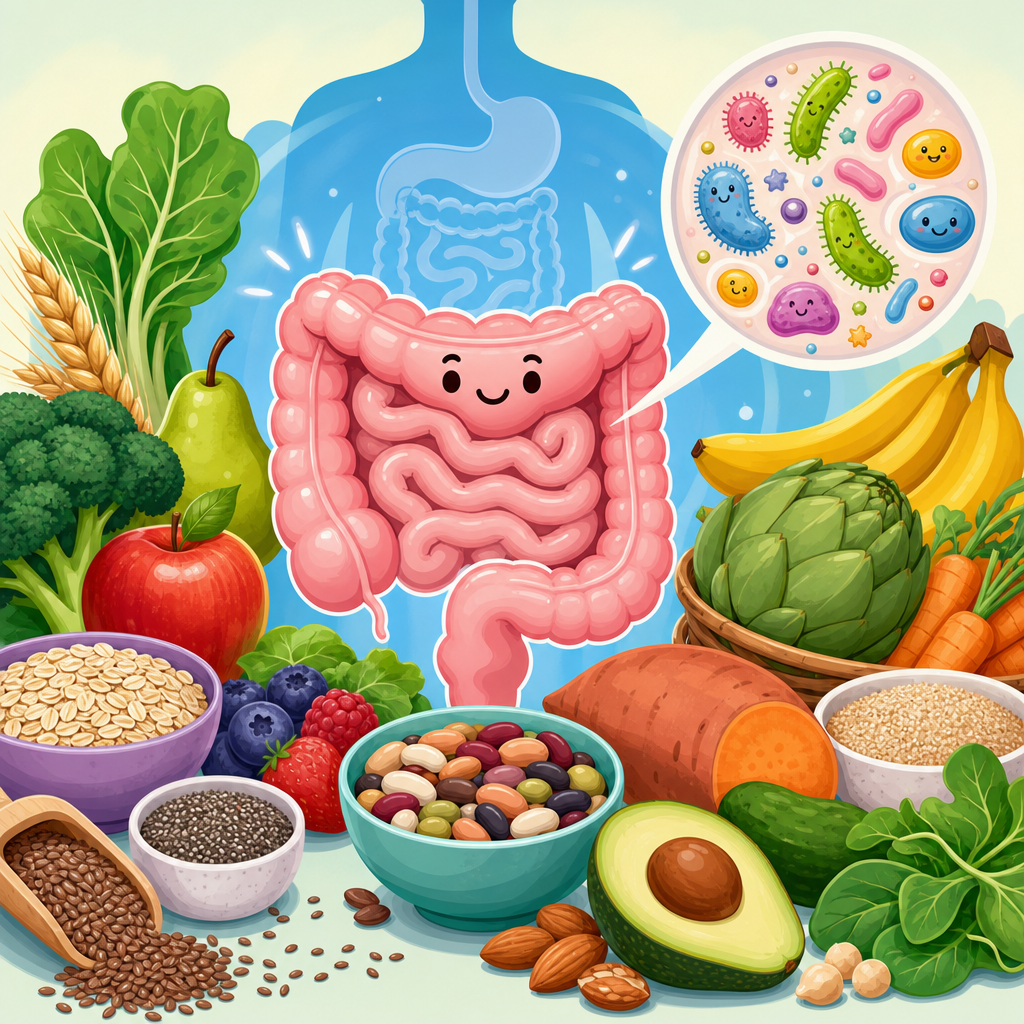
Understanding the role of macronutrients is essential for maintaining a healthy lifestyle. These macronutrients—carbohydrates, proteins, and fats—are the fundamental components of our diet, providing the energy and nutrients our bodies need to function properly. It’s important to delve into each macronutrient and explore how these nutrients impact our health, performance, and well-being. This comprehensive understanding aids individuals in making informed dietary decisions that support various goals, whether it be building muscle, losing weight, or optimizing overall health. Each macronutrient plays a unique and specific role in our bodies, and determining the right balance can help you achieve maximum benefits. While carbohydrates are often misunderstood, proteins and fats hold their own myths and truths. In this article, we will thoroughly explore the primary functions, sources, and health implications associated with carbohydrates, proteins, and fats, providing the essential knowledge needed to tailor your nutrition plan to better suit your individual needs. From aiding digestion to fueling cellular growth, each macronutrient’s journey inside our body is a sophisticated yet fascinating process. With comprehensive details, we’ll decode complex mechanisms, dismantle common misconceptions, and establish a concrete understanding of why a balanced intake of all three macronutrients is pivotal to sustaining life, promoting health, achieving dietary goals, and enhancing performance.
Carbohydrates: The Body’s Primary Fuel Source
Carbohydrates are the most misunderstood macronutrient. Often cast in a negative light due to fad diets, they are, in fact, the body’s primary energy source. They are broken down into glucose, which is the preferred fuel for most of our cells, particularly those in the brain and muscles during high-intensity exercise. Carbohydrates are classified into simple and complex forms. Simple carbohydrates or sugars are found in fruits, dairy products, and sweeteners. They provide quick energy but can lead to rapid spikes in blood sugar if consumed excessively or without fiber. Complete carbohydrates, like those found in whole grains, legumes, and vegetables, are digested more slowly and provide prolonged energy while also offering dietary fiber, vital for digestive health.
To optimize energy levels, it’s important to focus on consuming a higher proportion of complex carbohydrates. These offer sustained energy, help stabilize blood sugar levels, and reduce the risk of developing chronic diseases such as type 2 diabetes and heart disease. Fiber in complex carbohydrates also aids hunger control, which can support weight management. According to dietary guidelines, 45-65% of your daily caloric intake should come from carbohydrates, emphasizing vegetables, fruits, and whole grains. Timing carbohydrate consumption can further optimize their benefits, particularly around exercise, where they replenish glycogen stores in muscles and liver more effectively.
Proteins: The Building Blocks of Life
Proteins play a critical role in building and repairing tissues, enzymes, and hormones, and are crucial for overall muscle health and metabolic functions. Proteins comprise amino acids, essential and non-essential, the former being necessary to obtain through diet as our body does not naturally produce them. Complete proteins, found in animal products such as meat, poultry, fish, and eggs, contain all essential amino acids, making them superior choices for meeting dietary protein needs. Plant-based proteins mostly provide incomplete protein, but when combined wisely, they can suffice a balanced protein intake. Examples include beans with rice or whole grain with lentils.
The body’s protein requirements vary based on lifestyle, age, and activity level. Athletes or those involved in strength training demand higher protein intake for muscle repair and growth. The recommended dietary allowance for an average sedentary adult is 0.8 grams of protein per kilogram of body weight. For optimal muscle-building, protein should be distributed evenly across meals, with particular emphasis on post-exercise intake to replenish amino acids and promote muscle synthesis. Emerging research elucidates the role of high protein diets in weight management, aiding satiety and metabolism without negatively impacting renal health when derived from balanced sources.
Fats: Essential for Health and Vitality
Fats are essential for absorbing fat-soluble vitamins (A, D, E, K), maintaining cellular structure, producing hormones, and providing long-term energy storage. They are categorized into saturated, unsaturated, and trans fats, each having different implications on health. Saturated fats found in animal products and certain oils have been linked to heart disease when overconsumed. Unsaturated fats, including monounsaturated and polyunsaturated fats, are considered beneficial for heart health and are found in avocados, nuts, seeds, and fatty fish rich in omega-3 fatty acids. Omega-3s, in particular, have anti-inflammatory properties and support brain health.
Trans fats, often partially hydrogenated oils found in baked goods and snacks, are detrimental to heart health and should be avoided as much as possible. Fat intake should be around 20-35% of daily caloric intake, primarily sourcing from unsaturated fats while limiting saturated and eliminating trans fats. The timing of fat intake is less critical than carbohydrates and proteins, yet fats can slow digestion, providing sustained energy release, advantageous for prolonged activities or when meal frequencies are limited. Choosing the right types of fat is paramount, as they benefit heart health, mental clarity, and even aid in weight management by fostering satiety.
Conclusion
Macronutrients—carbohydrates, proteins, and fats—are pivotal in maintaining health, fueling body functions, and supporting lifestyle goals. Understanding their individual roles allows us to create balanced, nutrient-rich diets tailored to personal health and fitness objectives. With carbohydrates predominantly responsible for energy provision, proteins vital for tissue building and repair, and fats necessary for essential functions, an integrative approach harmonizing these nutrients offers comprehensive well-being. Moving away from diet extremes and cultivating a diet that embraces diversity, whole foods, and mindful eating ensures a balanced macronutrient intake, thus promoting sustainable health.
The dietary journey should focus on quality as much as quantity, combining evidence-based recommendations with personal needs and preferences. By prioritizing nutrient-dense foods and crafting thoughtful meal plans, individuals can derive maximum benefit from each macronutrient. Consistent with emerging nutrition science, individualized approaches considering life stages, activity levels, and health conditions can enhance outcomes. In reframing our perspectives on macronutrients and engaging in lifelong nutritional education, we empower ourselves to navigate the complex nutritional landscape with confidence, unlocking the full potential of dietary habits aligned with optimal health for life.
Frequently Asked Questions
1. What are macronutrients and why are they important for our health?
Macronutrients are the nutrients that our bodies need in the largest amounts in order to function properly. They consist of carbohydrates, proteins, and fats, and each serves unique and essential roles in maintaining our health. Carbohydrates are the body’s primary source of energy, critical for fueling our brain and muscles during activities. Proteins are vital for building and repairing tissues, producing enzymes and hormones, and supporting overall growth and health. Fats, though often misunderstood, are essential for protecting organs, insulating the body, and supporting cell membranes. A balanced intake of these macronutrients underlies not just everyday energy needs, but also long-term wellness, assisting in disease prevention, muscle maintenance, and metabolic functioning. Thus, understanding macronutrients and their roles can help guide food choices that enhance health and performance.
2. How do carbohydrates impact energy levels and overall health?
Carbohydrates are crucial because they are converted into glucose, or sugar, which is the main energy source for our cells, tissues, and organs. When we consume carbs, our body breaks them down into glucose, which is then absorbed into the bloodstream. From there, insulin helps glucose enter our cells to be used for energy. Apart from energy, carbs also affect our health by playing a key role in maintaining normal blood sugar levels, supporting digestive health through dietary fiber, and positively influencing brain function. However, the source of carbohydrates matters greatly. Choosing whole grains, fruits, and vegetables can provide sustained energy and important nutrients, while excessive consumption of refined carbs (like those found in sugary snacks and drinks) may lead to weight gain, insulin resistance, and increased risk of chronic diseases such as type 2 diabetes and heart disease. Thus, focusing on quality carbohydrate sources is key to optimizing health.
3. In what ways do proteins contribute to our body’s functionality?
Proteins are often hailed as the building blocks of the body due to their fundamental role in constructing and repairing tissue. They are also pivotal in producing enzymes and hormones that regulate many bodily processes. Proteins contribute to the structure of muscles, skin, hair, and connective tissues, and are essential for immune function as they help form antibodies that fight infections. Additionally, proteins are involved in creating hemoglobin, the component of red blood cells responsible for carrying oxygen throughout the body. Consuming adequate protein is vital for maintaining muscle mass, especially as we age, aiding in muscle repair post-exercise, and promoting satiety, which can assist in healthy weight management. High-quality protein sources like lean meats, fish, dairy products, legumes, and plant-based proteins can thus be integrated into the diet to meet these essential needs, ensuring overall body functionality is supported.
4. What is the role of fats in our diet, and why do we need them?
Despite their historically negative reputation, fats are essential and play several important roles in the body. They are a concentrated energy source, providing more than twice the amount of energy per gram compared to carbohydrates or proteins. Fats are critical in absorbing fat-soluble vitamins (A, D, E, and K) that are necessary for various bodily functions. They are integral in protecting internal organs, maintaining cell membrane integrity, and insulating the body to maintain temperature. Additionally, fats are crucial for hormone production and brain health, with omega-3 fatty acids being particularly important for reducing inflammation and supporting cognitive function. It’s important to differentiate between different types of fats; unsaturated fats (monounsaturated and polyunsaturated) found in avocados, nuts, seeds, and fish are beneficial, whereas trans fats, commonly found in processed foods, should be limited due to their negative impact on heart health. Thus, incorporating healthy fats in moderation is pivotal to a well-rounded diet.
5. How can understanding macronutrients guide healthier dietary decisions?
Understanding macronutrients allows us to make informed dietary choices that align with our health goals, whether it’s improving energy, supporting physical performance, or managing weight. By recognizing how carbs, proteins, and fats uniquely contribute to bodily functions, we can tailor our meals to ensure we get the right nutrients in the right amounts. For example, someone focused on muscular gains might prioritize adequate protein intake and complex carbs for fuel, while those managing blood sugar levels might opt for low-glycemic index carbohydrates and ensure balanced intake of healthy fats to enhance satiety. By balancing macronutrients, we can maintain an optimal energy balance, support metabolic functions, and boost overall well-being. Keeping portion sizes in check and emphasizing nutrient-dense choices over processed foods ensures that macronutrient intake supports a sustainable and healthy dietary pattern. Recognizing personal dietary needs based on activity level, age, and health conditions is also crucial for optimal health outcomes.