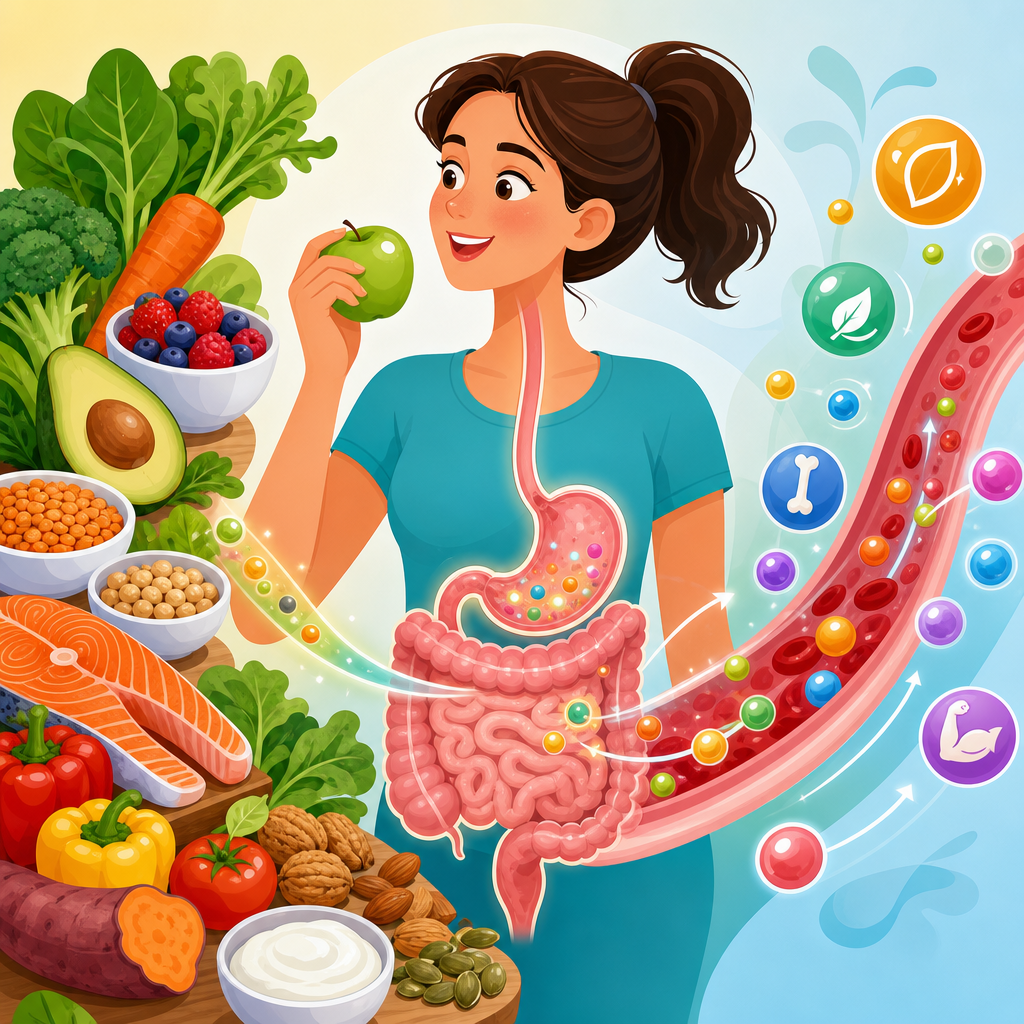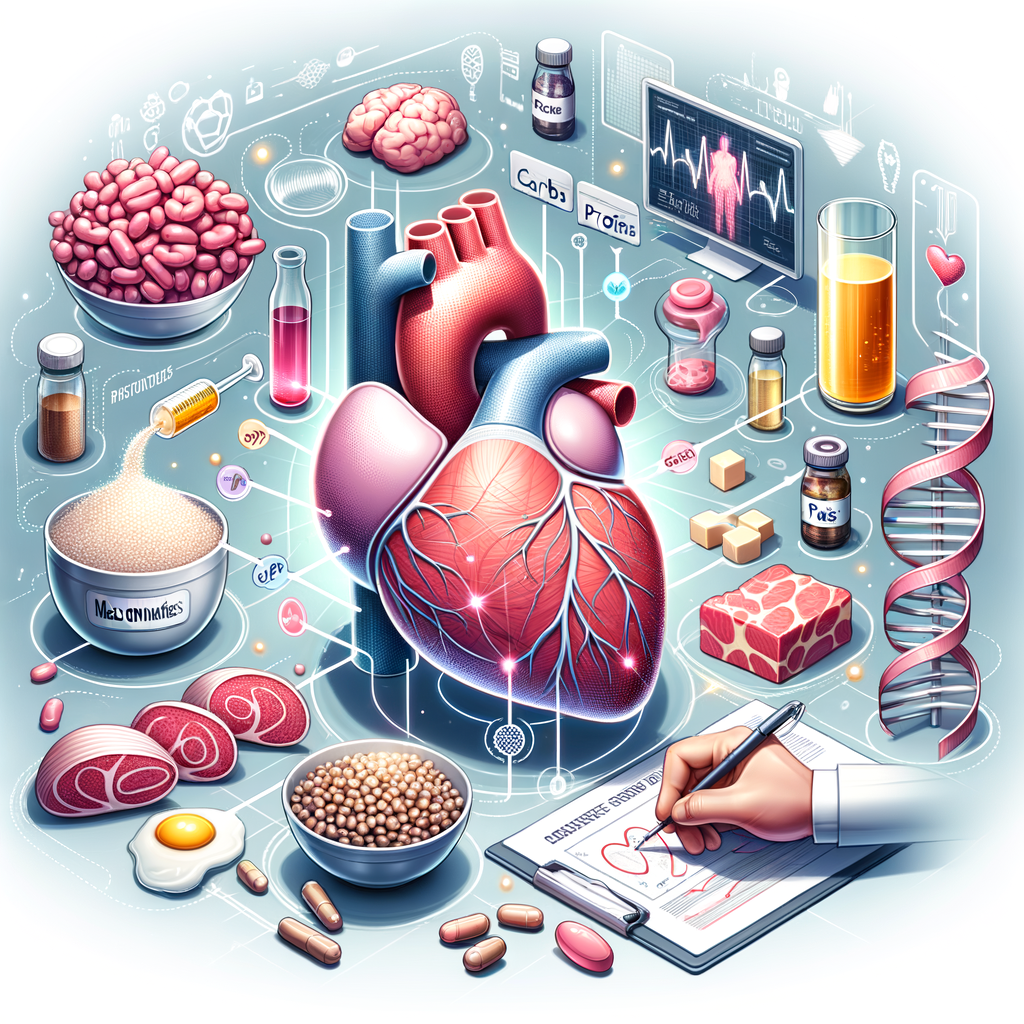
Understanding the intricate relationship between macronutrients—carbohydrates, proteins, and fats—and disease prevention is pivotal in the realm of nutrition science and public health. Macronutrients are the primary sources of energy and nourishment for the human body, influencing multiple functions such as metabolism, muscle growth, and overall health maintenance. Our dietary choices, particularly the balance and quality of these macronutrients, can significantly impact our risk of developing chronic diseases. Conditions like heart disease, diabetes, and certain cancers often correlate with dietary patterns, which underlines the importance of making informed nutritional choices. Additionally, the capacity of these macronutrients to either contribute to or prevent disease largely depends on their sources, quantities consumed, and the interplay between them. A growing body of scientific evidence suggests that a well-planned intake of carbs, proteins, and fats can act as a preventive measure against many lifestyle-related diseases. This article delves into the roles and mechanisms through which these macronutrients affect health, highlighting their significance in disease prevention in the modern dietary landscape.
The Role of Carbohydrates in Disease Prevention
Carbohydrates are often misconstrued as detrimental to health due to their association with weight gain and blood sugar spikes. However, distinguishing between simple and complex carbohydrates is crucial. Simple carbohydrates, found in sugary snacks and sodas, can lead to obesity and type 2 diabetes when consumed excessively. On the other hand, complex carbohydrates, such as those found in whole grains, fruits, and vegetables, are indispensable for maintaining optimal health. They provide essential dietary fiber, which is key in reducing cholesterol levels, aiding digestion, and stabilizing blood sugar levels. Fiber-rich diets have been linked to a reduced risk of chronic diseases such as cardiovascular disease (CVD) and some cancers.
The consumption of whole grains, legumes, and vegetables, which are replete with complex carbohydrates, demonstrates protective effects against CVD by improving lipid profiles and reducing blood pressure. Additionally, certain fibers, such as beta-glucans found in oats and barley, are particularly effective in lowering LDL cholesterol, subsequently reducing heart disease risk. A diet rich in vegetables and fruits, which are carbohydrate sources teeming with phytonutrients, also reduces the incidence of hypertension, further underscoring their preventive role in disease mitigation. When effectively integrated into daily nutrition, carbohydrates can provide the body with steady energy while simultaneously minimizing disease risk.
Proteins: Building Blocks and Disease Prevention
Proteins are indispensable for growth, repair, and the maintenance of body tissues. They play a significant role in immune response and the production of enzymes and hormones. Animal and plant-based proteins have distinct impacts on health, affecting chronic disease risk through different mechanisms. Animal proteins, when consumed in excess, have been linked with higher saturated fat intake and increased risk of heart disease and stroke. Conversely, plant-based proteins, abundant in legumes, nuts, and seeds, are associated with improved health outcomes, largely due to their lower saturated fat content and higher levels of heart-healthy unsaturated fats.
Switching to plant-based sources of protein can diminish the incidence of obesity and type 2 diabetes by improving lipid profiles and reducing inflammation markers. Diets high in legumes and pulses are rich in essential amino acids while being low in cholesterol, making them an excellent alternative for sustaining heart health and controlling blood sugar levels. Furthermore, the role of proteins in maintaining a healthy immune system cannot be overlooked. Adequate protein intake is necessary for the production of antibodies, which fight infection and disease.
A broader emphasis on complete proteins—those containing all nine essential amino acids—is essential. While animal products typically provide complete proteins, careful combinations of plant-based protein sources can ensure adequate amino acid intake, contributing to muscle maintenance and overall health. As global dietary trends shift towards plant-centric nutrition, understanding the disease-preventive advantages of appropriate protein intake becomes increasingly relevant.
The Significance of Fats in Disease Prevention
Fats often carry a negative connotation, yet they are critical components of a balanced diet, serving as major sources of energy and facilitators of vitamin absorption. The key lies in choosing the right types of fats. Unsaturated fats, such as those found in olive oil, avocados, and nuts, have demonstrated significant health benefits, particularly in heart disease prevention. These fats help reduce levels of LDL cholesterol and increase HDL cholesterol, promoting cardiovascular health. The Mediterranean diet, which relies heavily on monounsaturated and polyunsaturated fats, exemplifies this protective effect, being consistently linked with reduced heart disease and stroke risk.
In contrast, saturated and trans fats, often present in processed foods and red meats, are associated with increased LDL cholesterol levels and a higher risk of cardiovascular diseases. Reducing the intake of these fats and instead focusing on sources of omega-3 and omega-6 fatty acids, such as fish, flaxseeds, and walnuts, can support a reduced risk of heart disease and inflammatory conditions. Omega-3 fatty acids have additional benefits that extend beyond heart health, including potential roles in reducing cancer risk, supporting mental health, and improving joint function.
Moreover, fat’s role in supporting cell structure and function emphasizes its necessity. Lipids make up cell membranes and are involved in the anti-inflammatory processes that protect tissues from damage. A balanced fat intake thus contributes to reducing inflammatory diseases such as arthritis and some cancers. The key lies in moderation and the strategic selection of fat sources, ensuring they bolster rather than detract from overall health.
Interplay of Macronutrients and Disease Prevention
The synergistic functioning of carbohydrates, proteins, and fats is fundamental to maintaining optimal health and preventing disease. A balanced macronutrient profile facilitates not just sustained energy release but also stabilizes blood sugar levels, mitigates inflammation, and supports muscle maintenance and immune function. Dietary patterns that emphasize whole foods and balanced macro ratios have consistently shown reductions in chronic disease risks.
The glycemic index (GI), influenced by the types of carbohydrates consumed, showcases the necessity of considering macronutrient interactions. By pairing low-GI carbohydrate sources with proteins and healthy fats, one can achieve slower digestion, prevent spikes in blood glucose, and reduce the risk of insulin resistance and type 2 diabetes. This synergy illustrates why no macronutrient should be isolated or prioritized at the expense of others when aiming to prevent disease.
Additionally, macronutrient interactions influence hormone regulation, which plays a critical role in long-term health. Proper macronutrient balance bolsters hormone production necessary for metabolism and stress response, thereby influencing diabetes management, obesity, and hormonal cancers. Leveraging the power of these interactions strengthens disease prevention strategies tailored to individual dietary requirements and health goals.
Conclusion
Carbohydrates, proteins, and fats are not only essential components of a balanced diet but also pivotal in disease prevention. Understanding their unique and collective roles in human health allows for more informed dietary choices, uniquely tailored to mitigate the risks of chronic diseases such as obesity, heart disease, diabetes, and certain cancers. This knowledge underscores the complexity and necessity of balanced nutrition in health promotion.
Carbohydrates, especially those high in fiber, facilitate cardiovascular health and stable blood sugar levels, while proteins support muscle growth, immune function, and overall bodily repair. Healthy fats, when chosen wisely, offer cardiovascular benefits and support critical physiological processes that bolster long-term health. The interplay of these macronutrients is essential for achieving disease-preventive benefits, emphasizing the importance of diversified and balanced diets.
In moving forward, education about the nutritional quality of foods and how they influence disease risk should be prioritized at both individual and public health levels. Enhanced focus on balanced macronutrient intake tailored to different lifestyles and health statuses is crucial in reducing the global burden of non-communicable diseases. With these insights, we can foster a healthier, more informed approach to nutrition, promoting wellness and disease prevention worldwide.
Frequently Asked Questions
1. How do carbohydrates in our diet contribute to disease prevention?
Carbohydrates are essential for providing the body’s primary energy source. They fuel both physical activity and proper cell function. It’s crucial to distinguish between types of carbohydrates: complex carbs, such as those found in whole grains, legumes, and vegetables, provide sustained energy and are rich in fiber. This fiber plays a pivotal role in maintaining digestive health by promoting regular bowel movements and preventing constipation. Moreover, fiber aids in controlling blood sugar levels by slowing the absorption of sugar into the bloodstream, which is beneficial for preventing type 2 diabetes. Additionally, these carbohydrates can impact heart health by reducing cholesterol levels and lowering the risk of cardiovascular disease. Simple carbs, when overconsumed—especially from processed foods and added sugars—can contribute to weight gain and increase the risk of metabolic syndrome, obesity, and other diseases. Thus, balancing carbohydrate intake, focusing on whole, nutrient-dense sources, supports overall health and disease prevention.
2. What role do proteins play in disease prevention and overall health?
Protein is fundamental in building and repairing body tissues, making it integral for maintaining muscle mass and strength, which is particularly important as we age. Proteins also contribute to a healthy immune system by supporting the production of antibodies and other immune molecules that protect against infection. Furthermore, certain sources of protein, such as fatty fish rich in omega-3 fatty acids, have anti-inflammatory properties that can reduce the risk of chronic diseases, including heart disease. Additionally, a diet that includes a variety of proteins can help in managing weight as proteins typically make one feel full longer than carbohydrates or fats, reducing overall calorie intake and supporting a healthy weight. However, it’s important to consume lean and plant-based proteins, as high intakes of red and processed meats have been associated with an increased risk of certain cancers and heart disease. Therefore, diversifying protein sources is vital in promoting long-term health and preventing disease.
3. How do dietary fats interact with carbs and proteins in disease prevention?
Fats, often misunderstood, are indispensable in a balanced diet and can significantly influence disease prevention when consumed appropriately. They aid in the absorption of fat-soluble vitamins (A, D, E, K) and provide essential fatty acids that the body cannot produce on its own. Healthy fats, particularly those from olive oil, avocados, nuts, seeds, and fish, play a crucial role in heart health by helping to lower bad cholesterol levels while increasing good cholesterol. These unsaturated fats can reduce inflammation and consequently decrease the risk of chronic diseases such as heart disease and arthritis. Moreover, fats can help regulate metabolism and are integral in balancing energy intake with expenditure, which is beneficial for weight maintenance. The interplay between fats, carbs, and proteins in a balanced diet ensures that each macronutrient supports the others, thus enhancing their collective role in disease prevention. Overconsumption of trans fats and saturated fats, however, should be minimized as they contribute to narrowing of the arteries, which increases the risk of cardiovascular diseases.
4. Can a balanced macronutrient diet completely prevent diseases?
While a balanced diet rich in the right macronutrients plays a pivotal role in disease prevention, it cannot eliminate the risk of diseases entirely. Genetic factors, environmental influences, lifestyle choices such as smoking and physical activity, and even socioeconomic factors contribute significantly to an individual’s overall health and disease risk. A well-rounded diet rich in carbohydrates, proteins, and healthy fats lays a strong foundation for reducing disease risk and promoting overall well-being. It supports metabolic processes, boosts the immune system, and helps maintain optimal body function. Furthermore, combining healthy eating with regular physical activity, adequate sleep, and stress management can yield more comprehensive health benefits, potentially reducing the risk of developing conditions such as obesity, type 2 diabetes, cardiovascular diseases, and certain types of cancer. Thus, while macronutrients are vital, they are part of a broader strategy for disease prevention and health optimization.
5. How should one balance macronutrient intake for optimal health and disease prevention?
Balancing macronutrient intake requires a focus on quality and proportion, adopting a flexible approach tailored to individual health needs and goals. A broad recommendation is to aim for a diet consisting of 45-65% carbohydrates, 10-35% protein, and 20-35% fats. However, the quality of these macronutrients is as crucial as the quantity. Prioritizing whole, unprocessed foods ensures that you are obtaining nutrients in their most beneficial form. For carbohydrates, this means favoring fiber-rich options like whole grains, fruits, and vegetables. Proteins should largely come from lean sources including plant-based proteins, fish, poultry, and occasionally red meat in moderation. Fats should focus on unsaturated sources found in olives, nuts, seeds, and fatty fish. Personal requirements can vary, with individuals needing to consider factors such as age, sex, physical activity level, and existing health conditions when determining the ideal macronutrient balance. Consulting with health professionals or registered dietitians can further personalize dietary plans to support specific health goals and preventative needs.