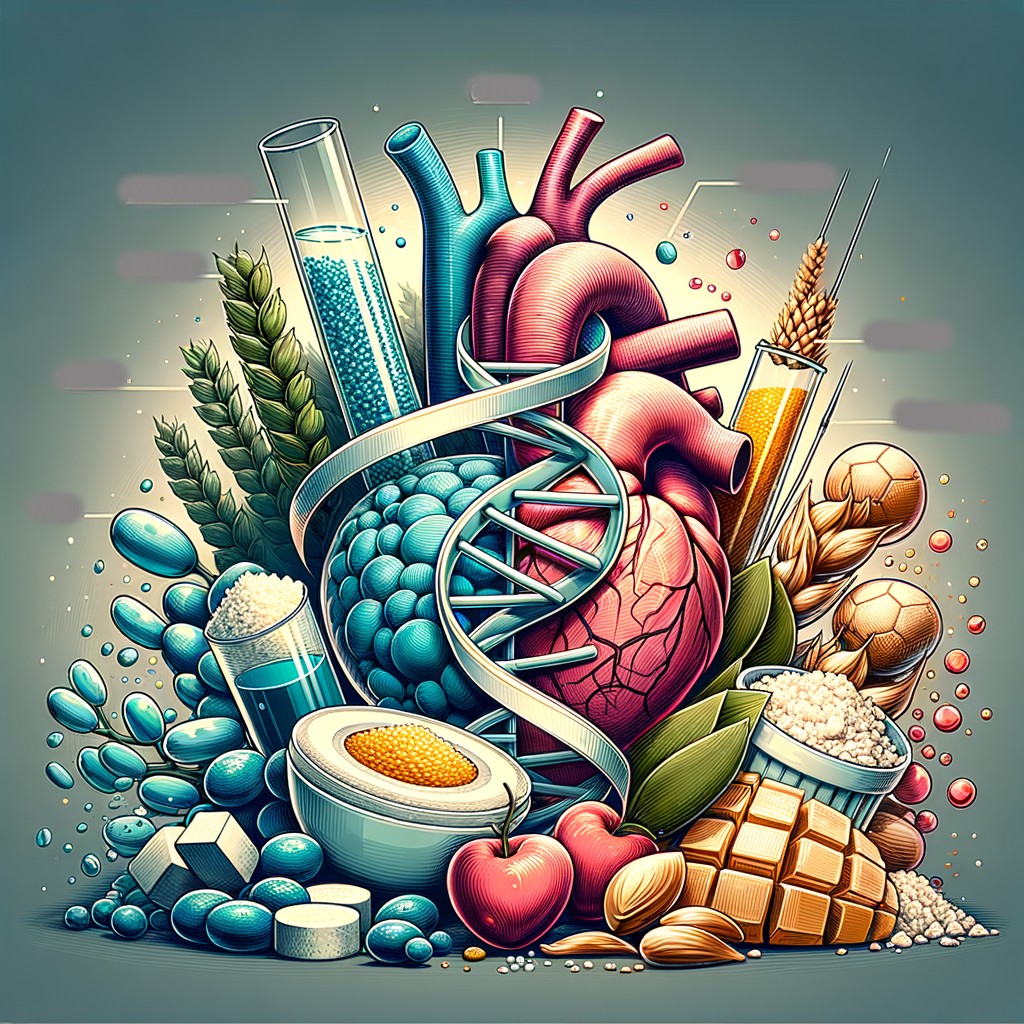
In the quest for a balanced diet, macronutrients play a vital role. They are the cornerstone of nutrition and are crucial for energy provision, growth, and the maintenance of bodily functions. The three primary macronutrients—carbohydrates, proteins, and fats—serve different yet integrative roles in diet and health. Often misunderstood and sometimes vilified for the many misconceptions surrounding their effects on body composition and health, these macronutrients are essential in any healthy diet. Understanding their functions, the best sources, and how to balance them can help individuals make informed dietary choices. This article aims to demystify these macronutrients by discussing their role and significance in a healthy diet.
Carbohydrates are often the centerpiece of debate among nutrition enthusiasts. With low-carb diets gaining popularity, many people are left questioning the necessity and benefits of consuming carbohydrates. Yet, carbohydrates are a primary energy source and play a critical role in brain function. Meanwhile, proteins are renowned for their muscle-building properties but extend far beyond that single role, providing essential amino acids that facilitate numerous biological functions. Fats, once considered dietary adversaries due to their calorie density and association with weight gain, are now acknowledged for their indispensable roles in hormone regulation and cellular structure.
This introduction asserts the importance of each macronutrient while setting the stage for a detailed exploration of how these nutrients impact the human body. By examining carbohydrates, proteins, and fats individually and collectively, we can appreciate their synergy and necessity in crafting a diet conducive to optimum health.
The Role of Carbohydrates
Carbohydrates are among the most abundant macronutrients in the human diet and one of the primary sources of energy. These compounds can be classified into simple and complex carbohydrates. Simple carbohydrates, or sugars, are found in foods like fruits and dairy products, whereas complex carbohydrates, including fiber and starch, are found in whole grains, legumes, and vegetables. While they have been misunderstood, they remain crucial for maintaining bodily functions and providing energy.
The human body converts carbohydrates into glucose, which is subsequently used for energy. This energy is necessary for primary body functions ranging from fueling muscles during exercise to maintaining critical bodily processes. The brain, consumers of a significant glucose percentage, relies heavily on carbs to function optimally. A deficiency in carbohydrate intake can lead to deficits in cognitive functionality and energy.
Moreover, not all carbohydrates are created equal. High glycemic index carbohydrates can spike blood sugar levels, potentially leading to increased fat storage and conditions like insulin resistance over time. In contrast, low glycemic index carbs release glucose slowly into the bloodstream, providing sustained energy and improving satiety. Thus, opting for whole grains and fiber-rich sources can enhance dietary quality and positively impact metabolism.
Carbohydrates’ role in digestion and gut health also cannot be overlooked. Fiber, a type of carbohydrate, is vital in promoting regular bowel movements, preventing constipation, and maintaining a healthy gut flora. The fermentation of fiber in the colon produces short-chain fatty acids essential for gut and overall health. Alongside, carbohydrates assist in retaining protein by providing glucose, ensuring amino acids are used for body repair and growth rather than energy.
The Importance of Proteins
Proteins are indispensable to human health, known primarily for building and repairing tissues. Comprising amino acids, proteins fulfill numerous critical bodily functions ranging from enzyme production to hormone regulation and immune function. They are often celebrated for their role in muscle synthesis, particularly in athletes and bodybuilders. Nevertheless, their significance extends far beyond mere muscle building.
Proteins are crucial for cellular structure and function. Enzymes, essential proteins, drive countless biochemical reactions imperative for life. Proteins also contribute to signaling and transportation within the body; hemoglobin, for instance, is a protein that transports oxygen through the bloodstream. Hormones derived from proteins are instrumental in regulating physiological processes, influencing mood, growth, and metabolism.
Dietary proteins are either complete or incomplete, based on their amino acid content. Complete proteins, found in animal products like meat, dairy, and eggs, contain all essential amino acids. In contrast, most plant-based proteins, excluding soy, quinoa, and buckwheat, do not provide all essential amino acids independently. Consequently, individuals on vegetarian or vegan diets must carefully combine different plant proteins to ensure a complete amino acid profile.
The recommended protein intake can vary depending on age, sex, and physical activity levels. For athletes or those engaging in intensive physical activities, higher protein intake supports recovery and muscle repair. However, protein isn’t just about muscle; it also provides a source of energy when carbohydrate stores are low. Moreover, proteins promote satiety, potentially aiding weight management by reducing appetite and calorie intake.
The Role of Fats
Fats, once stigmatized in a culture promoting low-fat diets, have emerged as essential nutrients within a balanced diet. They are a concentrated energy source and play crucial roles in hormone production, nutrient absorption, and cellular structure integrity. Understanding fats involves distinguishing between types: trans fats, saturated fats, and unsaturated fats, including monounsaturated and polyunsaturated fats.
Trans fats, often found in processed and fried foods, are associated with adverse health effects, including increasing bad cholesterol levels and risk of heart disease. In contrast, unsaturated fats, particularly omega-3 and omega-6 fatty acids, are beneficial. These fats, found in fish, flaxseeds, and walnuts, are essential for brain development, reducing inflammation, and lowering heart disease risk.
Saturated fats, found in animal products, should be consumed in moderation. While necessary for specific bodily functions, excessive intake can raise cholesterol levels, potentially heightening cardiovascular disease risk. That said, sources of saturated plant fats, such as coconut oil, may have neutral or positive health effects when consumed as part of a balanced diet.
Fats are vital for the absorption of fat-soluble vitamins like A, D, E, and K, critical for maintaining bone health, vision, and cellular protection. They also provide the insulation necessary to protect organs, and offer energy reserves for times of scarcity. The caloric density of fats is advantageous from an energy standpoint. However, their overconsumption can lead to weight gain if not balanced with activity levels.
Dietary guidelines suggest limiting saturated and eliminating trans fats while encouraging the consumption of unsaturated fats to promote heart health. Balancing proper proportions of omega-3s and omega-6s is crucial. As much as fats provide essential health benefits, achieving a balance aligns with maintaining health and preventing disease.
Balancing Macronutrients for Optimal Health
Striking the right balance among carbohydrates, proteins, and fats is the cornerstone of a healthful diet. The balance varies individually, dependent on factors like age, sex, lifestyle, and health objectives. The plate method serves as a practical guide: filling half the plate with fruits and vegetables, a quarter with proteins, and the remaining quarter with whole grains.
Variations in diet can significantly influence health outcomes. For example, athletes or those with high activity levels might require increased carbohydrate and protein ratios for energy and muscle repair. Conversely, those looking to manage weight might opt for higher protein and fiber intakes to enhance satiety while moderating caloric intake.
Individual dietary needs and goals should guide macronutrient proportions. Consulting nutritional guidelines and professionals can help craft a diet supporting activity levels, growth, and maintenance needs. Monitoring macronutrient intake is particularly beneficial for individuals with specific dietary goals, such as weight management, muscle building, or controlling blood sugar levels.
Conclusion
In conclusion, the interdependent roles of carbohydrates, proteins, and fats highlight their necessity within a healthful diet. Each macronutrient offers unique and critical benefits: carbohydrates provide energy and facilitate brain function, proteins support growth, repair, and numerous physiological functions, and fats offer concentrated energy while assisting in hormone production and nutrient absorption.
The key to a balanced diet lies in understanding and integrating these macronutrients harmoniously. Misconceptions about carbohydrates or fats can lead to diet strategies that might neglect the essential roles these nutrients play. A well-rounded approach ensures the body’s energy needs are met, physiological functions are maintained, and overall well-being is enhanced.
Ultimately, personalizing macronutrient intake according to individual needs and health goals optimizes diet and health outcomes. By appreciating and harnessing the power of carbohydrates, proteins, and fats, individuals can sustain a healthy, vibrant lifestyle. As research evolves, staying informed about dietary impacts supports making educated food choices that respect the body’s complex nutritional requirements.
Frequently Asked Questions
1. What are macronutrients and why are they important in a healthy diet?
Macronutrients are nutrients that provide calories or energy to the body. They are essential for various vital functions, including energy provision, structural roles, and supporting metabolic processes. The main macronutrients are carbohydrates, proteins, and fats. Each of these components plays a unique yet interconnected role in maintaining our health and ensuring our physiology operates smoothly. Carbohydrates are the body’s primary energy source, fueling everything from your workouts to your intellectual output. Proteins are the building blocks for muscles, skin, enzymes, and hormones, and they play a role in repairing tissues. Fats, often misunderstood, are crucial for absorbing fat-soluble vitamins, cushioning organs, and providing a longer-term energy source. Together, they ensure that our bodies can perform daily tasks efficiently and support growth, repair, and overall well-being.
2. How do carbohydrates fit into a balanced diet?
Carbohydrates are often in the spotlight when it comes to dieting, and not always for the right reasons. They are the body’s main source of energy. Good sources of carbs, like fruits, vegetables, and whole grains, also provide fibers, vitamins, and minerals that are pivotal for health. Carbohydrates can be classified as simple or complex, wherein complex carbohydrates (found in foods like oats and brown rice) are digested slower, preventing spikes in blood sugar levels and keeping us full for longer. Instead of cutting carbs entirely for weight loss or health, which is a common misconception, it’s more beneficial to focus on the quality and amount of carbohydrates consumed to ensure a steady supply of energy without the sugar spikes or crashes.
3. Why are proteins vital in our diets, and what are some good sources?
Proteins are indispensable for their role in growth and repair. They make up the enzymes that power many chemical reactions and the hemoglobin that transports oxygen in your blood. During digestion, proteins break down into amino acids, which are necessary for constructing and maintaining muscle mass, repairing tissues, and supporting immune function. Given their critical roles, proteins should be consumed regularly. Good sources of proteins include lean meats like chicken and turkey, fish, eggs, dairy products, legumes like beans and lentils, and nuts and seeds. Aiming for a diet that includes a variety of protein sources is optimal for getting all nine essential amino acids, especially if following a plant-based diet.
4. What role do fats play in a healthy diet, and are all fats bad?
Fats are another macronutrient that often gets a bad rap; however, healthy fats are crucial. They not only provide structural components to cell membranes but also serve as an energy store and assist in absorbing vital vitamins such as A, D, E, and K. Fats should not be eliminated from the diet, but rather chosen wisely. Healthy fats, like those found in avocados, nuts, seeds, and olive oil, are beneficial for heart health and weight control. Saturated fats and trans fats, found in processed foods and some animal products, should be limited as they can contribute to increased cholesterol levels and heart disease. Therefore, incorporating unsaturated fats in reasonable amounts can support overall health without negativity affecting weight or heart health.
5. How can one ensure a balanced intake of macronutrients in their diet?
Achieving a balanced intake of macronutrients involves understanding your individual needs, which differ based on age, sex, level of physical activity, and any health goals such as weight loss or muscle gain. It is generally recommended to obtain 45-65% of calories from carbohydrates, 10-35% from protein, and 20-35% from fat, though these ranges can be adjusted. The focus should be on consuming whole, unprocessed foods that naturally contain a balanced mix of macronutrients, such as whole grains for energy, lean proteins for structural support, and healthy fats for spiritual balance. Planning meals that incorporate each of these groups helps ensure you’re getting the nutrients you need for all aspects of bodily health. Meal prepping, reading nutrition labels, and maybe even consulting with a dietitian can also help tailor a plan that maintains this balance according to your lifestyle and goals.