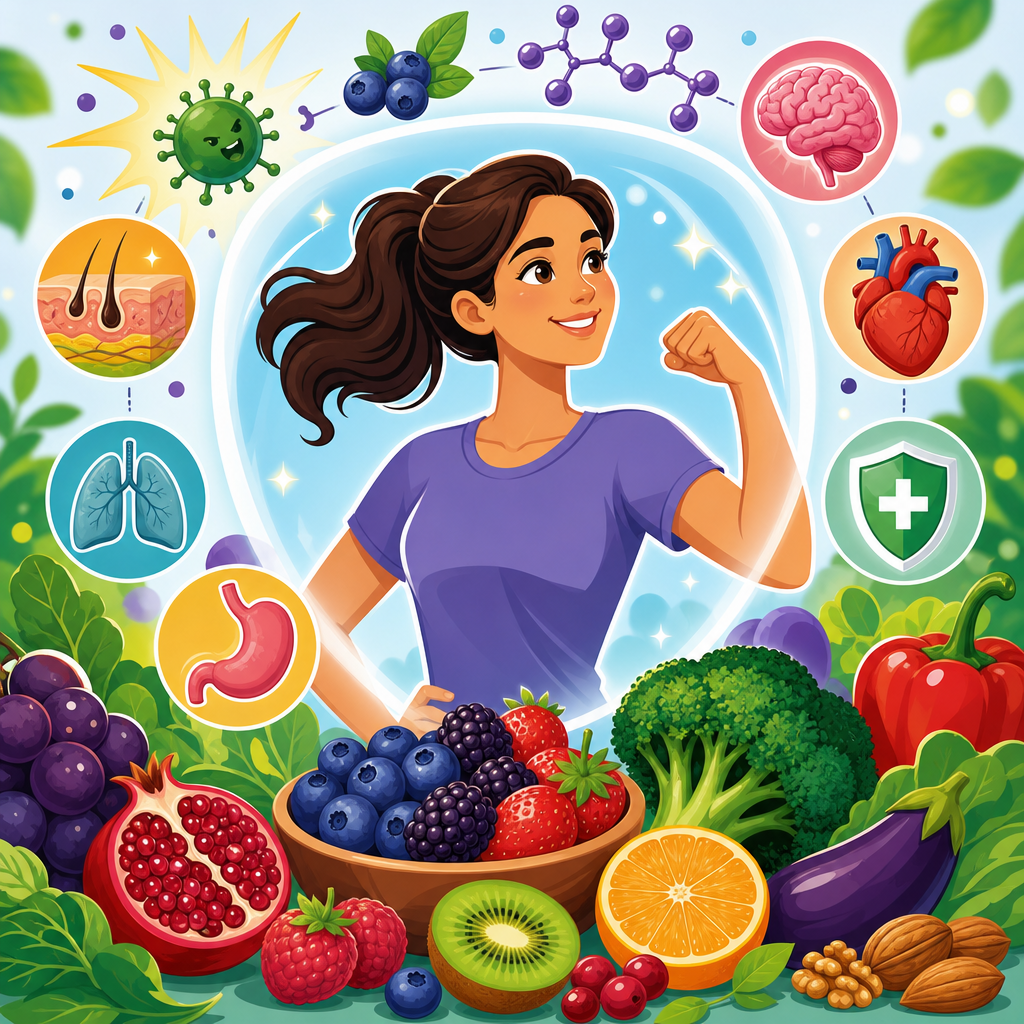
Antioxidants are often presented as nutritional heroes, yet public advice about them is crowded with myths, half-truths, and marketing claims that blur what they actually do in the body. The importance of antioxidants lies in their ability to help manage oxidative stress, a normal biological process in which unstable molecules called free radicals can damage lipids, proteins, and DNA when they accumulate faster than the body can neutralize them. Oxidative stress is linked with aging, inflammation, cardiovascular disease, neurodegeneration, impaired exercise recovery, and some forms of cancer, but that does not mean antioxidants are a magic shield or that more is always better.
In practice, antioxidants include vitamins such as vitamin C and vitamin E, minerals involved in antioxidant enzymes such as selenium, plant compounds such as flavonoids, carotenoids, and polyphenols, and internal defense systems such as glutathione, superoxide dismutase, and catalase. I have worked with nutrition content and dietary guidance long enough to see the same confusion repeat: people assume antioxidants are a single nutrient, that supplements outperform food, or that every brightly labeled product promising “detox” must be beneficial. None of those assumptions holds up well under clinical research or basic physiology.
This matters because food choices built around myths can displace habits that genuinely support health. A person who spends heavily on high-dose antioxidant capsules but rarely eats fruit, vegetables, legumes, nuts, and whole grains is not building a strong nutritional foundation. A patient in cancer treatment who takes megadoses without discussing them with an oncologist may also create avoidable risk, because antioxidants can interact with treatment goals in certain contexts. Understanding what antioxidants are, where they come from, and how they function helps people make better decisions rooted in evidence rather than slogans.
As a hub within Nutrition Basics, this guide explains the importance of antioxidants comprehensively while clearing up the most common myths. It covers how antioxidants work, whether supplements are necessary, which foods supply them, what current research says about disease prevention, and where the limits of antioxidant claims begin. If you want practical, accurate guidance on antioxidant nutrition, start with the principles here and then branch into specific foods, nutrients, and meal patterns.
Myth 1: Antioxidants Are One Substance With One Job
A common misconception is that antioxidants are a single category of nutrient that all behave the same way. In reality, antioxidant defense is a network. Vitamin C works mainly in watery environments and helps regenerate vitamin E. Vitamin E protects cell membranes from lipid oxidation. Carotenoids such as beta-carotene, lutein, and lycopene have different tissue distributions and functions. Polyphenols in berries, tea, cocoa, olives, and herbs can influence signaling pathways, inflammation, endothelial function, and gene expression, not just free radical scavenging.
The body also produces endogenous antioxidants. Glutathione is central to detoxification and redox balance. Enzymes including superoxide dismutase, catalase, and glutathione peroxidase convert reactive oxygen species into less harmful compounds. These systems depend on adequate protein intake and micronutrients such as selenium, zinc, copper, and manganese. That is why the importance of antioxidants cannot be reduced to a single pill or smoothie ingredient. It is a coordinated defense system supported by overall nutrition, sleep, exercise, and low exposure to smoking and pollution.
Another nuance often missed is that free radicals are not purely harmful. They also participate in immune defense, cell signaling, and adaptation to exercise. The goal is balance, not elimination. When readers ask me whether they should “avoid oxidation completely,” the short answer is no. Human physiology depends on controlled oxidative processes. Problems arise when oxidative stress becomes chronic or excessive, overwhelming the body’s defenses over time.
Myth 2: More Antioxidants Always Mean Better Health
This myth survives because “more” sounds protective, but biology is rarely linear. Very high intakes of isolated antioxidants do not reliably produce better outcomes, and in some studies they have caused harm in specific populations. Large trials of beta-carotene supplements in smokers, including the ATBC and CARET studies, found increased lung cancer risk rather than protection. High-dose vitamin E supplementation has also produced mixed or negative findings in some populations.
The lesson is not that antioxidants are bad. The lesson is that dose, context, and form matter. Nutrients behave differently when they are isolated, concentrated, and consumed at pharmacologic levels compared with when they are eaten in foods that contain fiber, minerals, and hundreds of bioactive compounds. I often explain this with a simple comparison: a carrot is not just beta-carotene, and blueberries are not just anthocyanins. Foods deliver compounds in combinations that appear to matter.
There is also the concept of hormesis, which is especially relevant in exercise science. Small amounts of oxidative stress can trigger beneficial adaptations, including increased endogenous antioxidant defense. If someone takes large antioxidant doses around every workout, they may blunt some training adaptations, particularly in endurance settings. Research in this area is nuanced, but the broad takeaway is clear: the body benefits from balance and adaptation, not from trying to chemically suppress every reactive molecule.
Myth 3: Antioxidant Supplements Are Better Than Antioxidants From Food
For most healthy people, food is the preferred source. Diets rich in vegetables, fruits, legumes, nuts, seeds, herbs, spices, tea, coffee, and whole grains are consistently associated with better long-term health outcomes. The Mediterranean diet is a strong example because it naturally combines polyphenol-rich olive oil, vegetables, beans, nuts, fruit, and seafood in a pattern linked with lower cardiovascular risk. That benefit cannot be explained by one antioxidant alone.
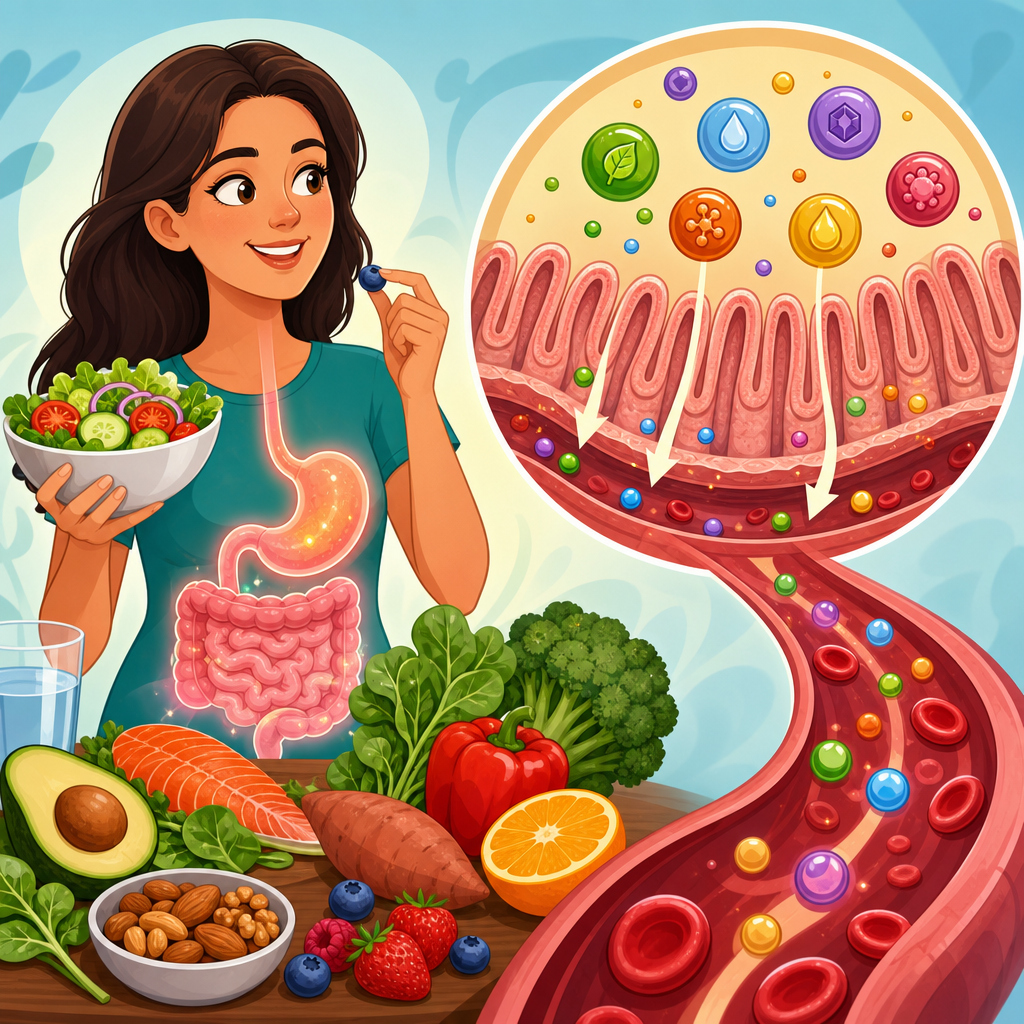
Whole foods provide matrix effects that supplements cannot fully replicate. Fiber supports the gut microbiome, and gut microbes transform some polyphenols into metabolites that may be biologically active. Foods also contain water, potassium, folate, magnesium, and countless phytochemicals that interact with each other. A supplement may be useful when there is a diagnosed deficiency, a medically relevant need, or limited food intake, but it is not automatically superior simply because the label lists a high number of milligrams.
That said, blanket rejection of supplements is also inaccurate. Specific cases justify them. People with malabsorption disorders, highly restrictive diets, certain genetic conditions, or increased nutrient demands may need targeted supplementation under professional guidance. The practical rule I use is food first, supplement when clearly indicated, and avoid assuming that “antioxidant” on a label guarantees safety or effectiveness.
Myth 4: Foods With the Highest Antioxidant Score Are the Only Ones That Matter
Consumers often chase lists ranking foods by antioxidant capacity, usually based on lab tests such as ORAC. The problem is that a test-tube measurement does not tell you how a food behaves after digestion, absorption, metabolism, and interaction with tissues. The USDA even removed its ORAC database from routine use because the values were widely misused to imply direct health effects that were not established in humans.
A more useful approach is variety across food groups. Deeply colored produce is helpful, but white beans, oats, onions, cabbage, mushrooms, cocoa, extra-virgin olive oil, and green tea all contribute different compounds and mechanisms. In real diets, consistency beats chasing superfoods. Someone eating berries a few times a week, greens daily, beans regularly, nuts most days, and olive oil as a staple will likely build a stronger antioxidant pattern than someone relying on a single expensive powder.
| Food | Key antioxidant compounds | Practical benefit |
|---|---|---|
| Berries | Anthocyanins, vitamin C | Easy way to support polyphenol intake at breakfast or snacks |
| Tomatoes | Lycopene, vitamin C | Cooking with oil improves lycopene availability |
| Leafy greens | Lutein, beta-carotene, vitamin C | Supports eye health and broad micronutrient coverage |
| Nuts and seeds | Vitamin E, selenium in some varieties, polyphenols | Convenient source of antioxidants plus healthy fats |
| Beans and lentils | Polyphenols, minerals supporting antioxidant enzymes | Affordable staple linked with better metabolic health |
| Extra-virgin olive oil | Hydroxytyrosol and related polyphenols | Core fat source in a heart-healthy dietary pattern |
Myth 5: Antioxidants Prevent Every Major Disease
Antioxidants are important, but disease prevention is not that simple. Chronic diseases develop through multiple pathways involving genetics, blood pressure, insulin resistance, smoking, alcohol, inactivity, infection, environmental exposure, sleep, and diet quality overall. Antioxidant-rich diets are associated with lower risk for several conditions, especially cardiovascular disease, but these benefits usually reflect broad dietary patterns rather than a single nutrient acting alone.
Take cardiovascular health. Oxidative modification of LDL cholesterol plays a role in atherosclerosis, and diets rich in fruits, vegetables, nuts, and olive oil can improve endothelial function and reduce inflammation. Yet no responsible clinician would say antioxidants alone prevent heart disease. Blood pressure control, lipid management, physical activity, smoking cessation, and adequate sleep remain foundational. The same applies to brain health and cancer risk. Antioxidants may contribute meaningfully, but they are one piece of a larger picture.
This distinction is essential because exaggerated claims set people up for disappointment and poor decisions. If a product promises to “neutralize all free radicals” or “stop aging,” that is marketing language, not evidence-based nutrition. The importance of antioxidants is real, but it is best understood as supporting resilience within an overall healthy lifestyle.
Myth 6: You Need a Detox Cleanse to Get Antioxidant Benefits
Detox culture has attached itself to antioxidants for years, but the liver, kidneys, lungs, skin, and gastrointestinal tract already perform detoxification continuously. Antioxidants support normal physiology; they do not replace organ function or magically erase the effects of excessive alcohol, sleep deprivation, or a poor diet. Juice cleanses are a common example. They may provide vitamin C and polyphenols, but they often remove protein, fiber, and satiety while delivering a large sugar load in liquid form.
When I review real food logs, the most reliable way to improve antioxidant intake is not a cleanse. It is adding durable habits: berries or citrus at breakfast, a large salad or cooked vegetables at lunch and dinner, beans several times per week, herbs and spices in cooking, and swapping refined snacks for nuts or fruit. Green tea, coffee, and cocoa can also contribute useful compounds when consumed sensibly. These choices support antioxidant status while also improving fiber intake, blood sugar control, and meal quality.
If someone wants to support the body’s own detoxification pathways, the best evidence points to adequate protein, sufficient hydration, cruciferous vegetables, allium vegetables, and overall nutrient sufficiency. That approach is less glamorous than a cleanse, but it is far more credible and sustainable.
Myth 7: Everyone Needs the Same Antioxidant Strategy
Individual needs vary. Athletes, smokers, older adults, people with chronic inflammatory conditions, and people recovering from illness may have different oxidative stress burdens, but that does not mean they all need high-dose supplements. It means their total diet, medical status, medications, and goals should guide decisions. A smoker should prioritize smoking cessation before buying antioxidant products. An endurance athlete may focus on periodized nutrition and antioxidant-rich meals away from key training windows. An older adult may need attention to protein, calorie intake, and nutrient density as much as antioxidant intake itself.
Medication interactions and treatment context matter too. Vitamin K is not an antioxidant issue in the narrow sense, but it illustrates why “healthy nutrients” still require context for people on anticoagulants. Similarly, some clinicians advise caution with certain high-dose antioxidant supplements during chemotherapy or radiation, because treatment mechanisms can involve oxidative damage to cancer cells. Patients should always ask their oncology team before adding supplements.
The most effective antioxidant strategy is usually personalized but simple: build a varied plant-forward diet, cover deficiencies if they exist, and avoid extreme dosing unless there is a clear medical reason. That framework works across populations because it respects both physiology and evidence.
The myths surrounding antioxidants usually come from reducing a complex biological system to a sales message. Antioxidants are not one substance, not a cure-all, and not automatically better in supplement form or huge doses. Their real importance is broader and more practical: they help regulate oxidative stress, protect cells and tissues, and support long-term health when consumed as part of an overall nutrient-dense dietary pattern. Foods such as berries, leafy greens, tomatoes, beans, nuts, seeds, tea, cocoa, and extra-virgin olive oil matter because they deliver diverse compounds that work within the body’s own defense systems.
The strongest evidence favors habits, not shortcuts. Eat a wide range of plant foods, use supplements only when there is a specific need, and be skeptical of detox claims or miracle labels. If you are building your foundation in Nutrition Basics, start by improving daily meal quality and consistency before chasing advanced products. Then explore related guides on antioxidant-rich foods, vitamin C, vitamin E, carotenoids, and polyphenols to turn this knowledge into a sustainable eating pattern that works in real life.
Frequently Asked Questions
Are antioxidants “super nutrients” that automatically prevent disease and slow aging?
No. That is one of the most common and most misleading myths. Antioxidants do play an important role in the body, but they are not magical compounds that single-handedly stop disease or reverse aging. Their main job is to help manage oxidative stress, which happens when free radicals build up faster than the body can control them. Free radicals are unstable molecules produced during normal metabolism, exercise, immune activity, and exposure to factors like pollution, smoking, and UV radiation. In excess, they can contribute to damage in cells, including lipids, proteins, and DNA.
What often gets oversimplified is the idea that more antioxidants always equals better health. In reality, the body has its own built-in antioxidant defenses, including enzymes and repair systems, and nutrition supports those systems rather than replacing them. Health outcomes depend on a much bigger picture that includes overall diet quality, sleep, physical activity, stress, genetics, environmental exposures, and access to medical care. Antioxidants matter, but they are one part of a complex biological system, not a cure-all.
It is also important to understand that aging itself is not caused by oxidation alone. Aging involves many interconnected processes, and while oxidative stress may contribute, it is not the sole driver. That is why claims that antioxidants can “stop aging” or “disease-proof” the body are not scientifically sound. A better way to think about antioxidants is that they help support normal cellular balance and resilience, especially when obtained through a varied diet rich in fruits, vegetables, legumes, nuts, seeds, herbs, spices, and other whole foods.
Is taking high-dose antioxidant supplements better than getting antioxidants from food?
Usually, no. This is another major myth fueled by marketing. Many people assume that if antioxidants are good, then concentrated antioxidant pills must be even better. But the human body does not work like a simple equation where larger doses automatically produce larger benefits. In fact, very high doses of isolated antioxidant supplements may not deliver the same effects seen when antioxidants are consumed as part of whole foods, and in some cases they may even be counterproductive.
Whole foods contain a wide range of vitamins, minerals, polyphenols, carotenoids, fiber, and other plant compounds that work together in ways researchers are still trying to fully understand. For example, berries, leafy greens, beans, nuts, cocoa, tea, and colorful vegetables do not provide just one antioxidant. They provide entire networks of compounds that may help influence inflammation, vascular function, gut health, and cellular signaling in addition to oxidative balance. This food matrix matters.
By contrast, supplements often contain one or a few isolated compounds in amounts far above what you would typically get from food. That does not guarantee better absorption, better effectiveness, or better long-term outcomes. Some studies on antioxidant supplements have shown mixed or disappointing results, and certain supplements may interact with medications or be inappropriate for specific populations. Supplements can absolutely have a role in cases of diagnosed deficiency, increased need, or a clinician-guided plan, but they should not be viewed as a shortcut to the benefits of a healthy diet. For most people, the evidence supports prioritizing antioxidant-rich foods first and using supplements selectively, not automatically.
Do antioxidants work by completely eliminating all free radicals from the body?
No, and this is a very important misconception to clear up. Free radicals are often described as if they are purely harmful molecules that should be wiped out entirely, but that is not how human physiology works. The body actually produces free radicals naturally, and in controlled amounts they serve useful purposes. They are involved in immune defense, cell signaling, and normal biological adaptation. For example, exercise temporarily increases oxidative activity, but that stress is part of how the body adapts and becomes stronger over time.
The real issue is not the existence of free radicals themselves. The issue is imbalance. When free radical production outpaces the body’s ability to neutralize or repair the resulting damage, oxidative stress can rise. Antioxidants help regulate that balance. They do not function as a total “eradication system,” and they are not supposed to shut down all oxidation. In fact, oxidation is a normal part of life. Your metabolism depends on it.
This is why the language around antioxidants should be more precise. They help manage oxidative stress rather than eliminate all oxidative processes. That distinction matters because it explains why both deficiency and excess can be problematic. The body needs balance, not biochemical extremes. It also helps explain why healthy habits like regular physical activity, avoiding smoking, eating a diverse diet, managing chronic stress, and getting enough sleep can influence oxidative stress levels just as much as trying to consume specific “antioxidant” products.
Are all antioxidant-rich foods and products equally effective?
Not at all. The term “antioxidant” is broad, and it is often used in advertising in ways that imply all sources are interchangeable. They are not. Different antioxidant compounds behave differently in the body, are absorbed differently, act in different tissues, and may influence health through different mechanisms. Vitamin C, vitamin E, selenium, carotenoids, flavonoids, and polyphenols all fall under the general antioxidant umbrella, but they are not identical and they do not all work in the same way.
Even beyond the type of antioxidant, the food source matters. A whole orange is not nutritionally identical to an orange-flavored drink with added vitamin C. A bowl of beans, greens, tomatoes, nuts, and olive oil offers a very different nutritional package than a processed snack marketed as “high in antioxidants.” Whole foods typically bring fiber, healthy fats, minerals, water content, and a broader spectrum of protective compounds. Processing, added sugar, sodium, refined starches, and exaggerated health claims can change the picture dramatically.
It is also wise to be skeptical of rankings and buzzwords that oversimplify antioxidant value, such as labeling one fruit, powder, or juice as the ultimate solution. No single food can cover all nutritional needs. What consistently matters most is variety across the diet. Eating many different colorful plant foods over time is generally more meaningful than chasing one trendy product with a strong health halo. In practical terms, the best antioxidant strategy is not to find one “perfect” item. It is to build a consistently diverse, minimally processed eating pattern.
If I eat plenty of antioxidants, can I offset an otherwise unhealthy lifestyle?
Unfortunately, no. This is a myth that can make people overestimate what nutrition alone can do. Antioxidants can support the body’s defenses against oxidative stress, but they cannot fully cancel out the effects of smoking, chronic sleep deprivation, excessive alcohol use, long-term poor diet quality, unmanaged stress, inactivity, or repeated environmental exposures. Those factors influence inflammation, blood sugar regulation, vascular health, hormone balance, and cellular damage through many pathways, not just oxidation alone.
For example, someone might drink antioxidant-rich smoothies or take supplements but still have a pattern of smoking, high intake of ultra-processed foods, very little physical activity, and inadequate sleep. In that case, the presence of antioxidants does not erase the larger strain being placed on the body. Health is cumulative, and protective factors work best when they are part of a broader lifestyle pattern. Antioxidants are supportive, not compensatory in the unlimited sense that marketing sometimes suggests.
The more evidence-based perspective is that antioxidants are most helpful as part of an overall healthy routine. That includes eating a range of plant foods, getting enough protein and healthy fats, staying physically active, protecting skin from excessive sun exposure, avoiding tobacco, moderating alcohol when relevant, sleeping well, and addressing medical conditions early. In other words, antioxidants are valuable, but they work best in context. They are one tool among many for supporting long-term health, not a nutritional shield against every harmful habit.