Antioxidants play a central role in a healthy diet because they help protect cells from oxidative stress, a process linked to aging, inflammation, and many chronic diseases. In nutrition, antioxidants are compounds that can neutralize unstable molecules called free radicals before those molecules damage lipids, proteins, and DNA. Free radicals are produced naturally during metabolism, exercise, immune activity, and detoxification, but they also increase with smoking, air pollution, ultraviolet radiation, heavy alcohol use, and diets high in ultra-processed foods. The importance of antioxidants is not that they “cure” disease on their own, but that they support the body’s defense systems when they come consistently from a varied, plant-rich eating pattern.
When I explain antioxidants to clients, I start with a practical definition: they are part of the maintenance crew that helps limit wear and tear inside the body. That crew includes vitamins such as vitamin C and vitamin E, minerals such as selenium that help antioxidant enzymes function, and phytochemicals such as polyphenols, carotenoids, and flavonoids found in fruits, vegetables, legumes, herbs, tea, cocoa, nuts, and whole grains. The body also makes its own antioxidant defenses, including glutathione, superoxide dismutase, and catalase. Diet matters because internal defenses depend on adequate nutrition, sleep, stress control, and exposure patterns.
This topic matters within Nutrition Basics because antioxidants connect several big ideas people care about every day: heart health, skin health, eye health, immune resilience, exercise recovery, and long-term disease prevention. Questions about antioxidants often come from confusion. Are berries better than supplements? Does cooking destroy antioxidants? Is green tea enough? The short answer is that antioxidant-rich foods are consistently associated with better health outcomes, while high-dose supplements are far more mixed and sometimes harmful. Understanding that distinction helps people make better food choices without falling for marketing claims on juices, powders, or pills.
Research supports a food-first approach. Large dietary patterns such as the Mediterranean diet, DASH, and other plant-forward eating styles are linked with lower rates of cardiovascular disease and better metabolic health, and one reason is their high intake of antioxidant-rich foods. These diets do not rely on one “superfood.” They build protection through variety and repetition: vegetables at most meals, fruit daily, beans several times per week, olive oil, nuts, seeds, herbs, spices, tea, and whole grains. For a hub article on the importance of antioxidants, that is the key message: antioxidants matter most as part of an overall dietary pattern, not as an isolated nutrient trend.
What Antioxidants Do in the Body
Oxidative stress occurs when free radical production outpaces the body’s ability to neutralize those molecules. This imbalance can alter cell membranes, damage mitochondrial function, and trigger inflammatory signaling pathways. Antioxidants help by donating electrons to reactive species without becoming dangerously unstable themselves. That basic chemical action protects tissues and supports normal physiology. In practice, this means antioxidant systems are involved wherever oxygen is used heavily, including muscles during exercise, the liver during detoxification, the eyes during light exposure, and immune cells during infection.
The importance of antioxidants becomes clearer when you look at the body’s built-in network. Vitamin C works in water-based environments and helps regenerate vitamin E. Vitamin E protects cell membranes from lipid peroxidation. Carotenoids such as beta-carotene, lutein, and lycopene have specialized roles in tissues including skin and eyes. Selenium supports glutathione peroxidase, an enzyme that helps reduce peroxides. Polyphenols in berries, olives, tea, and cocoa can influence cell signaling, endothelial function, and inflammatory pathways, not just free radical scavenging. In other words, antioxidants do more than mop up damage; many of them also affect how cells respond to stress.
That is why the question “What are antioxidants good for?” should be answered broadly but carefully. Antioxidants support healthy aging, cardiovascular function, eye protection, exercise adaptation, and immune balance, yet they do not replace core habits such as adequate protein, fiber, sleep, movement, and smoking cessation. They are one layer of protection in a larger health system. In my experience reviewing food logs, people benefit most when they focus less on chasing high numbers from one product and more on routinely eating deeply colored produce, legumes, nuts, and minimally processed staples.
Best Food Sources of Antioxidants
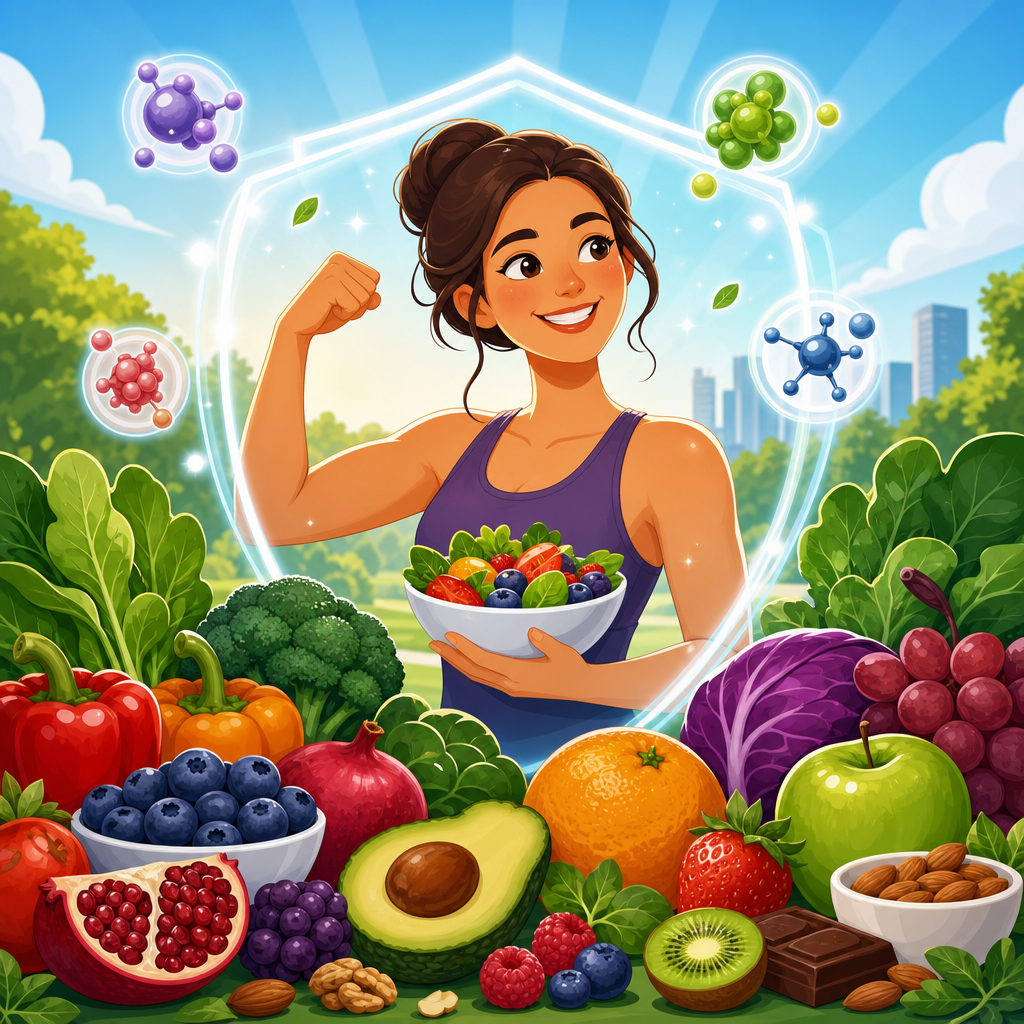
The best antioxidant foods are usually whole plant foods with strong color, distinctive flavor, or natural bitterness, because those traits often reflect concentrated phytochemicals. Berries provide anthocyanins and vitamin C. Citrus offers vitamin C and hesperidin. Leafy greens deliver lutein, zeaxanthin, vitamin C, and folate. Tomatoes are rich in lycopene, especially when cooked with oil, which improves absorption. Carrots and sweet potatoes supply beta-carotene. Beans and lentils contribute polyphenols along with fiber and minerals. Nuts and seeds provide vitamin E, selenium in the case of Brazil nuts, and supportive fats.
Some of the most overlooked antioxidant foods are everyday staples rather than trendy products. Coffee and tea are major sources of polyphenols in many diets. Extra-virgin olive oil contains phenolic compounds associated with reduced oxidation of LDL particles. Cocoa powder and dark chocolate contribute flavanols when sugar content is controlled. Herbs and spices such as turmeric, cinnamon, oregano, ginger, cloves, and rosemary add concentrated plant compounds in small serving sizes. Red cabbage, beets, pomegranate, cherries, kiwi, and broccoli all add different antioxidant profiles, which is why variety matters more than obsessing over one ranking list.
| Food | Key antioxidants | Plain-language benefit | Easy way to use it |
|---|---|---|---|
| Blueberries | Anthocyanins, vitamin C | Supports vascular and brain health | Add to yogurt or oats |
| Spinach | Lutein, zeaxanthin, vitamin C | Helps protect eyes and cells | Blend into omelets or soups |
| Tomatoes | Lycopene | Supports heart and skin health | Use cooked tomato sauce with olive oil |
| Almonds | Vitamin E | Protects cell membranes | Snack or add to salads |
| Black beans | Polyphenols | Adds antioxidant activity plus fiber | Use in bowls, soups, tacos |
| Green tea | Catechins | Supports metabolic and vascular function | Drink unsweetened daily |
If you want an easy rule for increasing antioxidant intake, eat a wider range of colors across the week: dark greens, reds, oranges, purples, and whites from onions and garlic families. Frozen produce counts. Canned tomatoes count. Dried beans count. The goal is not perfection; it is repeated exposure to diverse compounds that work together. This hub article should point readers toward deeper pieces on berries, leafy greens, tea, herbs, carotenoids, and polyphenol-rich staples, because the importance of antioxidants is best understood through the foods that deliver them consistently.
Antioxidants, Disease Prevention, and Healthy Aging
The strongest evidence for antioxidants comes from dietary patterns and food intake, not miracle claims. Higher consumption of fruits, vegetables, legumes, nuts, and olive oil is associated with lower cardiovascular risk, partly because these foods reduce oxidative stress and support endothelial function. Oxidized LDL contributes to atherosclerosis, and diets rich in polyphenols, vitamin E, and carotenoids may help limit that process. In practical terms, replacing processed snacks with fruit and nuts, or replacing refined side dishes with beans and vegetables, can improve both antioxidant density and overall nutrient quality.
Eye health is another clear example. Lutein and zeaxanthin accumulate in the retina and help filter blue light while protecting delicate tissues from oxidative damage. This is why leafy greens and eggs often appear in guidance for age-related macular health. Skin is similar. Ultraviolet exposure generates oxidative stress, and while food does not replace sunscreen, carotenoid-rich diets are linked with better baseline skin resilience. Athletic recovery also involves redox balance. Training creates oxidative stress, which is normal, but diets rich in whole-food antioxidants can support recovery without bluntly overwhelming adaptive signals the way excessive supplement use sometimes can.
Healthy aging depends on lowering cumulative damage over decades. Oxidative stress is involved in neurodegeneration, metabolic dysfunction, and chronic low-grade inflammation, sometimes called inflammaging. Antioxidant-rich diets may help because they pair antioxidant compounds with fiber, potassium, magnesium, and unsaturated fats. That combination improves blood pressure, blood sugar management, microbiome diversity, and satiety. The takeaway is balanced: antioxidants are not a standalone anti-aging treatment, but diets naturally rich in them are consistently linked with healthier aging trajectories. That is a meaningful, evidence-based reason to prioritize them early rather than waiting until disease risk is already high.
Food First vs Supplements: What Actually Works
Many people search for the best antioxidant supplement, but the evidence repeatedly favors food first. Whole foods provide complex mixtures of compounds that work together, often called food matrix effects. An orange does not just supply vitamin C; it also contains fiber, water, folate, potassium, and flavonoids. A bowl of beans offers polyphenols plus resistant starch and minerals. That combination changes absorption, metabolism, fullness, and downstream health effects. Supplements can be useful in specific medical contexts, but isolated antioxidants do not reliably reproduce the benefits seen with antioxidant-rich diets.
There are also real risks to high-dose supplementation. Large trials have found that beta-carotene supplements can increase lung cancer risk in smokers. High-dose vitamin E has shown mixed results and may interact with anticoagulant therapy. Excess selenium can cause toxicity, including gastrointestinal upset, hair loss, brittle nails, and neurologic symptoms. This is why clinicians usually recommend targeted supplementation only when a deficiency, malabsorption issue, dietary restriction, or disease state justifies it. For most healthy adults, improving meals is safer, cheaper, and more effective than buying expensive antioxidant blends with vague labels.
If someone still wants to use supplements, the right question is not “Which pill has the most antioxidants?” but “What problem am I trying to solve?” For example, age-related eye formulas based on established clinical research differ from generic antioxidant products sold for “detox.” Even then, supplements should complement, not replace, antioxidant foods. I have seen far better results from building breakfast around fruit, nuts, and oats, and lunch around vegetables, legumes, and olive oil, than from adding capsules to an otherwise low-quality diet. The role of antioxidants in a healthy diet is exactly that: they work best inside a healthy diet.
How to Build an Antioxidant-Rich Diet Every Day
Building an antioxidant-rich diet is straightforward when you focus on meal structure rather than nutrient math. Aim to include at least one fruit or vegetable at every eating occasion, choose whole grains over refined grains when possible, and rotate plant proteins such as beans, lentils, tofu, and nuts through the week. Use extra-virgin olive oil as a primary fat, keep herbs and spices visible on the counter, and replace some sugary drinks with tea, coffee, or water infused with citrus. Small changes compound quickly because antioxidant intake is driven by habits, not one-time “clean eating” efforts.
A simple daily template works well. Breakfast could be oatmeal with berries, walnuts, and cinnamon. Lunch might be a grain bowl with spinach, chickpeas, tomatoes, roasted carrots, and olive oil vinaigrette. Dinner can feature salmon or beans with broccoli, red cabbage slaw, and sweet potato. Snacks can include kiwi, oranges, almonds, edamame, or unsweetened yogurt with cherries. Cooking methods matter less than many people think. Some antioxidants decline with heat, but others become more available, as with lycopene in cooked tomatoes and beta-carotene in softened vegetables. Regular intake beats rigid rules.
For readers using this page as a hub, the next step is to explore subtopics that turn general advice into action: antioxidant-rich foods for beginners, antioxidants for skin and aging, antioxidants for exercise recovery, polyphenols and gut health, and the truth about antioxidant supplements. Start with your grocery list this week. Add two new colorful plant foods, one legume, one herb or spice, and one antioxidant-rich beverage. That simple shift strengthens the overall quality of your diet, supports the body’s natural defenses, and makes healthy eating easier to sustain over time. The importance of antioxidants is practical, measurable, and worth acting on today.
Frequently Asked Questions
What are antioxidants, and why are they important in a healthy diet?
Antioxidants are natural compounds found in many foods that help protect the body’s cells from damage caused by free radicals. Free radicals are unstable molecules produced during normal processes such as metabolism, exercise, immune defense, and detoxification. They can also increase because of outside factors like smoking, air pollution, and ultraviolet radiation. When free radicals build up faster than the body can neutralize them, they contribute to oxidative stress, which can damage lipids, proteins, and DNA over time.
This is why antioxidants are considered so important in a healthy diet. They help stabilize free radicals before those molecules can trigger widespread cellular damage. In practical terms, that protection supports healthy aging and may help lower the long-term risk associated with chronic inflammation and conditions linked to oxidative stress. Antioxidants do not work like a magic shield, but they are one of the body’s key defense systems. A balanced diet rich in antioxidant-containing foods helps maintain that defense naturally and consistently.
How do antioxidants help protect the body from oxidative stress?
Antioxidants help by interrupting the chain reactions caused by free radicals. Because free radicals are missing an electron, they are highly reactive and tend to steal electrons from nearby molecules in cells. That process can injure cell membranes, alter proteins, and even damage genetic material. Antioxidants can donate an electron to free radicals without becoming dangerously unstable themselves, which helps stop the reaction before it spreads.
This protective role matters because oxidative stress has been associated with aging, inflammation, and a wide range of chronic health problems. While oxidative stress is a normal part of life to some degree, the goal is to keep it under control rather than let it accumulate unchecked. Antioxidants support that balance. Some also work together in networks, meaning one antioxidant may help regenerate another after it has neutralized a free radical. That is one reason a varied diet is so beneficial. Different antioxidant compounds support different tissues, processes, and defense pathways throughout the body.
What foods are the best sources of antioxidants?
Many whole plant foods are excellent sources of antioxidants, especially fruits, vegetables, legumes, nuts, seeds, herbs, spices, tea, and cocoa. Deeply colored produce is often especially rich in antioxidant compounds. For example, berries provide anthocyanins, tomatoes contain lycopene, carrots and sweet potatoes offer carotenoids, leafy greens supply multiple protective compounds, and citrus fruits contribute vitamin C. Nuts and seeds can add vitamin E and polyphenols, while beans and lentils contribute a range of beneficial plant compounds as well.
The best approach is not to focus on one “superfood,” but to eat a broad variety of foods regularly. Different antioxidants perform different functions, and foods contain complex combinations of compounds that often work better together than isolated nutrients do. A colorful plate is a useful guideline: blueberries, spinach, red cabbage, broccoli, bell peppers, cherries, grapes, green tea, and even dark chocolate in moderation can all contribute. The more diverse the diet, the more likely it is to provide a wide spectrum of antioxidant protection.
Can antioxidant supplements replace antioxidant-rich foods?
In most cases, antioxidant supplements should not be viewed as a replacement for antioxidant-rich foods. Whole foods deliver antioxidants in combination with fiber, vitamins, minerals, and thousands of naturally occurring plant compounds that interact in ways scientists are still working to fully understand. This food matrix appears to matter. The health benefits associated with antioxidant-rich diets are generally strongest when those antioxidants come from real foods rather than from high-dose pills or powders.
There is also an important caution here: more is not always better. Large doses of certain antioxidant supplements may not provide the same benefit as food-based sources and, in some situations, can even be harmful. For example, excessive supplementation can interfere with normal biological signaling or interact with medications and medical conditions. Supplements may be appropriate in specific cases under medical guidance, but for most people, the safest and most effective strategy is to prioritize fruits, vegetables, legumes, nuts, seeds, and other minimally processed foods as the foundation of antioxidant intake.
How can I add more antioxidants to my diet in a practical, everyday way?
Adding more antioxidants to your diet does not have to be complicated. Start by making small, repeatable changes to everyday meals. Add berries or sliced fruit to breakfast, include a serving of leafy greens at lunch, and build dinners around a wider range of vegetables. Swap refined snacks for options like nuts, fruit, or hummus with colorful vegetables. Use herbs and spices such as turmeric, cinnamon, oregano, and ginger more often, since they can contribute antioxidant compounds along with flavor. Choosing beans, lentils, green tea, and whole grains more regularly can also help increase overall intake.
It is also helpful to think in terms of variety and consistency rather than perfection. Eating the same one or two healthy foods every day is good, but rotating different produce colors and plant foods through the week is even better. Try aiming for multiple colors on your plate, keeping frozen fruits and vegetables on hand for convenience, and replacing heavily processed foods with whole-food options when possible. These practical habits can steadily improve antioxidant intake and support long-term health without requiring a restrictive or unrealistic eating plan.