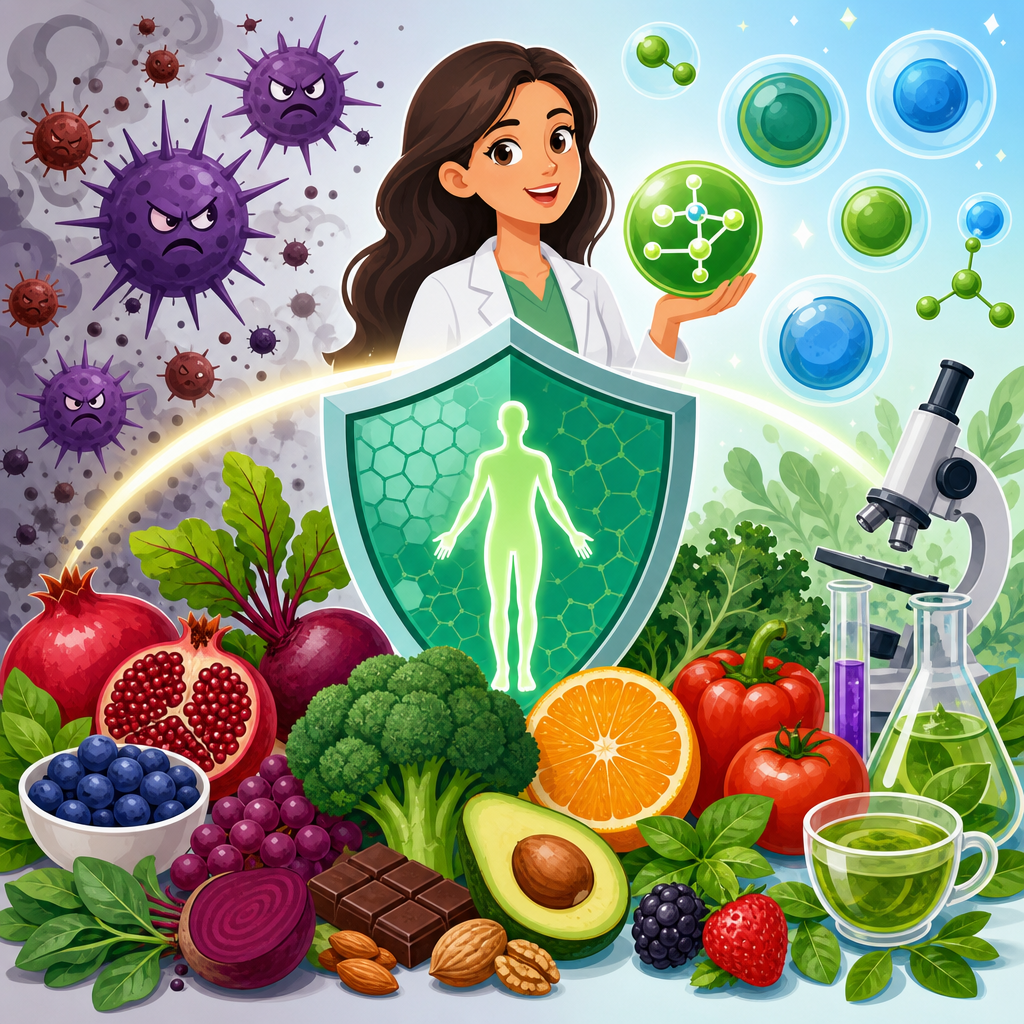
Antioxidants are molecules that help protect the body from oxidative stress, a process that occurs when unstable compounds called free radicals outnumber the defenses available to neutralize them. In nutrition, the importance of antioxidants lies not in vague promises of “detox” or anti-aging miracles, but in their measurable role in normal physiology, cellular protection, and long-term health. I have worked with nutrition content and evidence reviews for years, and one pattern is consistent across credible research: antioxidant-rich diets are linked with better health outcomes, while simplistic claims about high-dose antioxidant supplements often fail under scrutiny.
Free radicals are produced naturally during metabolism, exercise, immune activity, and exposure to sunlight, pollution, tobacco smoke, and certain chemicals. Oxidative stress is not automatically harmful; in controlled amounts, reactive oxygen species act as signaling molecules that support immunity, adaptation to exercise, and cellular communication. Problems begin when oxidative stress becomes excessive or chronic, damaging lipids, proteins, DNA, and cell membranes. That damage has been associated with aging and with conditions including cardiovascular disease, type 2 diabetes, neurodegenerative disorders, some cancers, and inflammatory diseases.
When people ask what antioxidants are, the most accurate answer is that they are part of a defense network, not a single nutrient. This network includes dietary compounds such as vitamin C, vitamin E, carotenoids, selenium-dependent enzymes, and polyphenols found in fruits, vegetables, legumes, tea, cocoa, herbs, nuts, and whole grains. It also includes internal systems like glutathione, superoxide dismutase, catalase, and glutathione peroxidase. Food matters because it supplies the raw materials and bioactive compounds that support these systems.
This topic matters because antioxidant advice is often oversimplified. Search results are full of lists of “superfoods,” yet many readers really want clear answers to practical questions: What do antioxidants actually do? Which foods contain them? Do supplements help? How much is enough? This hub article covers those fundamentals so readers can understand the science, make sensible choices, and use this page as a starting point for deeper reading across the broader Nutrition Basics section.
What Antioxidants Do in the Body
Antioxidants work by limiting oxidation, a chemical reaction that can generate free radicals or amplify their effects. Some antioxidants donate electrons to stabilize reactive molecules without becoming dangerously unstable themselves. Others chelate metal ions, reduce chain reactions in cell membranes, or activate the body’s own antioxidant response pathways. In practice, this means antioxidants help preserve cell structure, support vascular function, and reduce unnecessary oxidative damage during everyday metabolism.
A useful example is low-density lipoprotein, or LDL. When LDL particles become oxidized, they are more likely to contribute to atherosclerotic plaque formation. Antioxidant compounds from foods, particularly polyphenol-rich foods and vitamin E in lipid environments, may help reduce this oxidative process. Another example involves vitamin C, which can regenerate oxidized vitamin E and support collagen synthesis, showing that antioxidant actions are interconnected rather than isolated.
The body also adapts to stress by increasing endogenous defenses. Compounds in cruciferous vegetables, berries, green tea, and spices can influence signaling pathways such as Nrf2, which regulates genes involved in antioxidant and detoxification defenses. That is one reason whole foods matter more than isolated labels on supplement bottles: foods often act through multiple mechanisms at once, including fiber effects, microbiome interactions, and anti-inflammatory actions that cannot be reduced to a single antioxidant score.
Major Types of Antioxidants and Where They Are Found
Antioxidants can be grouped by nutrient class and function. Vitamin C is water-soluble and abundant in citrus, kiwi, strawberries, bell peppers, broccoli, and potatoes. Vitamin E is fat-soluble and found in almonds, sunflower seeds, wheat germ, and vegetable oils. Carotenoids such as beta-carotene, lycopene, lutein, and zeaxanthin are pigments in carrots, sweet potatoes, tomatoes, spinach, kale, and corn. Selenium supports antioxidant enzymes and is present in seafood, eggs, meats, whole grains, and Brazil nuts, though Brazil nuts vary widely in selenium content depending on soil.
Polyphenols are a broad category that includes flavonoids, anthocyanins, catechins, and resveratrol-related compounds. They are found in berries, grapes, tea, coffee, cocoa, olives, beans, apples, onions, and many herbs and spices. Researchers study these compounds because populations that eat more plant foods consistently show lower rates of chronic disease. The protective effect likely reflects the total dietary pattern, but polyphenols are a meaningful part of that pattern.
| Antioxidant category | Common food sources | Primary role | Notable example |
|---|---|---|---|
| Vitamin C | Citrus, peppers, berries, kiwi, broccoli | Neutralizes water-soluble free radicals and regenerates vitamin E | Supports collagen formation and immune defense |
| Vitamin E | Almonds, sunflower seeds, wheat germ, oils | Protects cell membranes from lipid oxidation | Helps limit oxidative damage in fatty tissues |
| Carotenoids | Carrots, tomatoes, spinach, kale, sweet potatoes | Quench reactive species and support tissue-specific functions | Lutein and zeaxanthin concentrate in the retina |
| Polyphenols | Tea, cocoa, berries, apples, beans, olives | Modulate signaling pathways and reduce oxidative stress | Green tea catechins influence cellular defense pathways |
| Selenium-dependent enzymes | Seafood, eggs, meats, grains, Brazil nuts | Enable glutathione peroxidase and related enzymes | Support detoxification of peroxides |
These categories overlap in function, and absorption varies. For example, carotenoids are better absorbed with dietary fat, while polyphenol metabolism depends partly on gut microbes. That complexity is why nutrition science focuses increasingly on dietary patterns, not just single nutrients.
What Science Says About Health Benefits
The strongest evidence supports antioxidant-rich eating patterns rather than the idea that one antioxidant cures one disease. Diets such as the Mediterranean pattern, which emphasizes vegetables, fruits, legumes, olive oil, nuts, fish, and herbs, are associated with lower cardiovascular risk and better metabolic health. Large observational studies repeatedly show that higher intake of fruits and vegetables correlates with lower rates of heart disease and stroke. These benefits are not caused only by antioxidants, but antioxidant density is part of the mechanism.
For eye health, evidence is especially clear in age-related macular degeneration. The Age-Related Eye Disease Studies, known as AREDS and AREDS2, found that specific supplement formulations can slow progression in people with certain stages of macular degeneration. Those formulas included antioxidant vitamins and minerals, later replacing beta-carotene with lutein and zeaxanthin for safety and effectiveness considerations. This is an important point: targeted antioxidant use can help in defined clinical contexts, but it does not mean everyone benefits from generic high-dose supplementation.
In cardiovascular health, foods rich in polyphenols and carotenoids appear to support endothelial function, reduce oxidative modification of lipids, and improve overall dietary quality. Extra virgin olive oil, for example, contains phenolic compounds associated with lower oxidation of LDL in controlled studies. Berries have been linked with improved vascular markers, and cocoa flavanols have shown modest benefits for blood vessel function. These effects are usually modest per serving but meaningful over years as part of a consistent diet.
For exercise recovery and immunity, the story is nuanced. Regular physical activity temporarily increases oxidative stress, but that stress is also part of adaptation. In practice, whole-food antioxidant intake supports recovery, while high-dose antioxidant supplements may blunt some training adaptations in certain settings. I usually advise athletes and active adults to prioritize colorful meals, adequate energy intake, and sleep before considering supplements. Food-first strategies are more reliable and better supported.
Food First Versus Supplements
People often assume antioxidant supplements are a shortcut to the benefits of antioxidant-rich foods. The evidence does not support that assumption. Randomized trials of isolated antioxidant supplements have produced mixed or disappointing results, and some have shown harm in specific groups. High-dose beta-carotene supplementation increased lung cancer risk in smokers in major trials. Excessive vitamin E has been linked in some analyses with increased hemorrhagic stroke risk. These findings are exactly why context matters.
Whole foods deliver antioxidants alongside fiber, potassium, folate, unsaturated fats, and thousands of phytochemicals that work together. An orange is not just vitamin C. It is also fluid, fiber, flavanones, and a low-energy-dense food that can replace more processed options. A cup of blueberries contributes anthocyanins, vitamin C, manganese, and compounds that interact with the microbiome. A handful of nuts supplies vitamin E, magnesium, and healthy fats. That matrix effect helps explain why foods outperform pills in population research.
Supplements still have a role when there is a diagnosed deficiency, a medically defined need, or a life-stage requirement. Clinicians may recommend selenium only when intake is inadequate, lutein and zeaxanthin in an eye-health protocol, or prenatal nutrients that include antioxidant vitamins at appropriate doses. The best approach is individualized, based on diet quality, lab data when relevant, medications, smoking status, and health conditions. More is not better, especially with fat-soluble compounds.
Best Food Sources and Practical Ways to Eat More
If someone asks how to increase antioxidants naturally, the simplest evidence-based answer is to eat more deeply colored plant foods across the day. Aim for variety, because different colors often signal different phytochemical profiles. Red tomatoes provide lycopene. Orange sweet potatoes provide beta-carotene. Dark greens provide lutein, zeaxanthin, folate, and vitamin C. Purple berries provide anthocyanins. Beans, oats, herbs, green tea, and cocoa also contribute useful antioxidant compounds even when they are not brightly colored.
Simple habits work better than dramatic changes. Add berries or kiwi to breakfast. Replace refined snack foods with fruit and nuts. Include a large salad or cooked vegetables at lunch and dinner. Use extra virgin olive oil, garlic, onions, and herbs in home cooking. Swap sugary desserts for yogurt with cherries or cocoa. Drink tea or coffee without excessive added sugar. Frozen produce is practical and nutritionally comparable to fresh in many cases, especially when picked and processed quickly after harvest.
Cooking can change antioxidant activity, but not always negatively. Cooking tomatoes increases the bioavailability of lycopene. Light steaming can improve carotenoid absorption from some vegetables when paired with fat. On the other hand, prolonged boiling may reduce vitamin C. The practical lesson is not to obsess over “raw versus cooked” but to eat a mix of both and prepare foods in ways you will repeat consistently.
Common Myths, Limits, and What to Remember
One common myth is that antioxidants “cancel” all damage from poor lifestyle habits. They do not. No smoothie offsets smoking, chronic sleep deprivation, heavy alcohol use, or a diet built on ultra-processed foods. Another myth is that laboratory antioxidant scores, such as older ORAC rankings, can predict health impact directly. They cannot. Human metabolism is far more complex than a test tube, and absorption, metabolism, dose, and food context all matter.
It is also important to remember that oxidative stress is not the enemy in every circumstance. The body uses reactive molecules for immune defense and adaptation. Trying to suppress them aggressively with supplements can be counterproductive. Balanced physiology, not maximal antioxidant intake, is the goal. The most reliable strategy remains a dietary pattern centered on vegetables, fruits, legumes, nuts, seeds, whole grains, and healthy fats, with supplements reserved for specific needs.
Antioxidants matter because they are part of the body’s core defense system against excessive oxidative stress, and the science is strongest when they come from whole foods. Vitamins C and E, carotenoids, polyphenols, and selenium-supported enzymes all contribute, but they work best as a network within a high-quality diet. Research supports antioxidant-rich eating patterns for cardiovascular health, eye health, and overall resilience, while high-dose supplements show mixed results and occasional risks.
For most people, the practical takeaway is straightforward: build meals around diverse plant foods, use supplements only with a clear reason, and think in patterns rather than miracle ingredients. If you want to improve nutrition basics in a way that is evidence-based and sustainable, start by adding one antioxidant-rich food to each meal this week, then explore the related articles in this subtopic to go deeper.
Frequently Asked Questions
1. What are antioxidants, and why are they important for health?
Antioxidants are compounds that help protect cells from oxidative stress, which happens when free radicals build up faster than the body can control them. Free radicals are unstable molecules produced during normal metabolism, exercise, immune activity, and exposure to factors such as pollution, smoking, ultraviolet radiation, and poor dietary patterns. In the right balance, these reactive compounds are part of normal biology. Problems arise when they accumulate and begin damaging lipids, proteins, and DNA.
The importance of antioxidants is rooted in this protective role. They help stabilize free radicals, limit unnecessary cellular damage, and support the body’s own repair and defense systems. That does not mean antioxidants “cancel out” all damage or act as a cure-all. What science consistently shows is that they are part of a larger network that helps maintain normal physiological function over time.
It is also important to understand that antioxidants are not just a single nutrient. They include vitamins such as vitamin C and vitamin E, carotenoids such as beta-carotene and lycopene, selenium-containing enzymes, and a wide variety of plant compounds called polyphenols. Many of these work together rather than in isolation. This is one reason diets rich in fruits, vegetables, legumes, nuts, seeds, herbs, spices, tea, and other plant foods are regularly associated with better long-term health outcomes.
2. What does science actually say about the benefits of antioxidants?
Science supports the idea that antioxidant-rich dietary patterns are linked with better health, but it does not support exaggerated claims that antioxidants provide instant detoxification, reverse aging, or prevent every chronic disease. The strongest evidence comes from whole-food eating patterns, especially those rich in colorful plant foods, rather than from single “super antioxidant” ingredients or heavily marketed supplements.
Research shows that antioxidant-containing foods are associated with support for cardiovascular health, metabolic health, cognitive aging, and general cellular protection. These benefits likely come from several overlapping effects: lowering oxidative stress, influencing inflammation pathways, supporting blood vessel function, and interacting with the gut microbiome and cell signaling systems. In other words, antioxidants do more than simply “soak up” free radicals. Many also affect how the body responds to stress and maintains balance.
However, the scientific picture is more nuanced than many headlines suggest. Clinical trials on high-dose antioxidant supplements have often produced mixed results, and in some cases, certain supplements have shown no benefit or even potential harm in specific populations. That is why experts usually emphasize obtaining antioxidants from food first. The best-supported conclusion is that antioxidants matter as part of a healthy diet and lifestyle, not as magic bullets used to override poor habits or treat disease without medical care.
3. Which foods are the best sources of antioxidants?
The best antioxidant sources are typically whole, minimally processed plant foods eaten regularly and in variety. Berries, citrus fruits, grapes, pomegranates, leafy greens, broccoli, carrots, tomatoes, sweet potatoes, beans, lentils, nuts, seeds, cocoa, green tea, coffee, herbs, and spices all contribute different antioxidant compounds. Deeply colored foods are often especially rich in these substances because many pigments in plants, including anthocyanins and carotenoids, also have antioxidant activity.
Variety matters because different antioxidants do different jobs and are absorbed differently. Vitamin C in citrus and peppers is water-soluble and works in different environments than vitamin E, which is fat-soluble and found in foods such as almonds and sunflower seeds. Lycopene in cooked tomatoes, lutein and zeaxanthin in leafy greens, and polyphenols in tea, cocoa, berries, and olive oil each bring distinct properties. No single food covers everything.
Preparation and eating patterns also make a difference. Some compounds become more available with cooking, while others are best preserved with minimal heat. Pairing fat-soluble antioxidants with healthy fats can improve absorption, such as adding olive oil to salad or eating cooked tomatoes with a meal. The most practical approach is not chasing one “best” food, but building meals around a wide range of plant foods across the week. That pattern is far more aligned with what research supports.
4. Are antioxidant supplements as effective as getting antioxidants from food?
Usually, no. Whole foods tend to be the preferred source because they provide antioxidants in their natural matrix alongside fiber, minerals, healthy fats, and thousands of interacting bioactive compounds. These combinations appear to matter. Foods do not deliver isolated nutrients in a vacuum; they provide networks of substances that influence absorption, metabolism, and biological effects in ways supplements often cannot fully replicate.
This helps explain why diets rich in antioxidant-containing foods repeatedly show benefits, while studies on supplements are often inconsistent. A supplement may contain one or two isolated compounds in doses that are much higher than what people would normally consume through food. That can change how those compounds behave in the body. In some cases, very high-dose supplementation has failed to improve health outcomes and may even be risky for certain groups, depending on the nutrient, the dose, and the person’s health status.
That said, supplements can still have a role in specific situations. A clinician may recommend targeted supplementation for a documented deficiency, limited food intake, malabsorption, or a medical condition that raises nutrient needs. The key point is that supplementation should be purposeful, not assumed to be beneficial simply because a product is labeled “antioxidant.” For most people, a food-first strategy remains the safest and best-supported way to benefit from antioxidants.
5. Can antioxidants prevent aging or chronic disease on their own?
Antioxidants are relevant to aging and chronic disease, but they do not act independently or guarantee prevention. Oxidative stress is involved in many long-term health conditions, including cardiovascular disease, diabetes, neurodegenerative conditions, and some forms of cellular damage associated with aging. Because antioxidants help regulate this process, they are part of the broader picture of disease prevention and healthy aging.
Still, it is important to avoid oversimplifying the science. Aging and chronic disease are influenced by genetics, physical activity, sleep, smoking status, alcohol use, body composition, blood pressure, blood sugar control, environmental exposures, and overall dietary quality. Antioxidants support resilience within this system, but they are not a substitute for the basics. A person cannot rely on antioxidant products to offset smoking, chronic sleep deprivation, or a consistently poor diet.
The most evidence-based view is that antioxidants contribute to long-term health when they are part of an overall healthy pattern. Eating a diverse diet rich in plant foods, staying physically active, managing stress, getting enough sleep, and limiting known sources of oxidative burden work together. That is where antioxidants have their greatest value: not as miracle compounds, but as one important part of a scientifically grounded approach to protecting health over time.