Hydration is the foundation of human nutrition because every cell, tissue, and organ depends on water to function properly. In practical nutrition work, I have found that people often focus on protein, carbohydrates, fats, vitamins, and calories while overlooking the nutrient they need most consistently: fluids. Hydration and its role in health is not a side issue in a balanced diet; it is one of the central conditions that makes digestion, energy production, temperature regulation, circulation, and recovery possible. When fluid intake falls short, the effects appear quickly, from headaches and fatigue to poor concentration, constipation, reduced exercise performance, and impaired appetite control.
Hydration means maintaining the right balance of water and electrolytes in the body so normal physiological processes can continue. Water makes up roughly 50 to 70 percent of body weight, depending on age, sex, and body composition. It helps transport nutrients through the bloodstream, supports metabolic reactions, lubricates joints, cushions organs, and allows the kidneys to remove waste through urine. Electrolytes such as sodium, potassium, magnesium, and chloride work alongside water to regulate fluid balance, nerve signaling, and muscle contraction. A balanced diet therefore is not only about what foods you eat but also about how well your fluid intake supports the use of those foods.
This topic matters because mild dehydration is common, especially among children, older adults, athletes, workers in hot environments, and anyone with a busy schedule who ignores thirst cues. It also matters because hydration needs are not identical for everyone. Climate, activity level, medications, illness, pregnancy, breastfeeding, sodium intake, and dietary patterns all affect fluid requirements. Someone who eats a high-fiber diet, for example, needs enough water to help fiber move comfortably through the digestive tract. Someone increasing protein intake also needs reliable hydration because the kidneys require adequate fluid to excrete nitrogen waste. Understanding hydration and its role in health helps people make better daily choices, improve physical and mental performance, and build a truly balanced diet instead of a food plan that looks good on paper but fails in practice.
What Hydration Does in the Body
The simplest answer is that hydration keeps the body running. Blood volume depends heavily on fluid status, and blood is the delivery system for oxygen, glucose, amino acids, hormones, and micronutrients. When hydration is adequate, circulation is more efficient, thermoregulation works properly through sweating, and tissues receive what they need. Even a relatively small fluid deficit can strain these processes. Research consistently shows that a loss of around 1 to 2 percent of body weight in fluids can reduce cognitive performance, endurance, and mood, especially during heat exposure or prolonged activity.
Water is also essential for digestion. Saliva begins the digestive process, stomach and intestinal secretions help break down food, and adequate fluid supports bowel regularity. In clinical nutrition conversations, constipation is one of the first issues I ask about when someone says they recently increased vegetables, beans, or whole grains. Fiber without enough fluid often leads to discomfort rather than better health. Hydration also supports kidney function by helping the body filter waste products and maintain a healthy concentration of minerals in urine, which can reduce the risk of some kidney stones in susceptible individuals.
How Much Water You Actually Need
There is no universal rule that fits every person, which is why rigid advice such as “eight glasses a day” is too limited. The National Academies suggests total daily fluid intake from beverages and foods of about 3.7 liters for men and 2.7 liters for women, but those numbers are broad reference values, not exact prescriptions. Roughly 20 percent of fluid intake often comes from food, especially fruits, vegetables, yogurt, soups, and cooked grains. A practical target for many healthy adults is to drink consistently across the day and adjust upward for heat, physical activity, fever, diarrhea, or breastfeeding.
Urine color is one useful self-check. Pale yellow usually suggests good hydration, while darker urine often indicates a need for more fluids, though vitamins and medications can change color as well. Thirst is another signal, but it should not be the only one you rely on. In older adults especially, thirst perception may be blunted. During long meetings, travel, school days, or athletic training, many people simply miss the cues. Paying attention to dry mouth, headaches, sluggishness, reduced urine output, and dizziness can help catch dehydration early before it affects work, appetite, or exercise performance.
Hydration and a Balanced Diet Work Together
A balanced diet depends on hydration because nutrients cannot do their jobs effectively without fluid support. Carbohydrates are stored as glycogen, and glycogen binds water in muscle and liver tissue. That is one reason hydration status can affect body weight from day to day. Protein metabolism produces waste compounds such as urea that must be excreted in urine. Fiber requires water to support stool bulk and regularity. Sodium and potassium from foods influence fluid distribution inside and outside cells. In other words, hydration is woven into every major nutrition process rather than sitting beside it as a separate wellness habit.
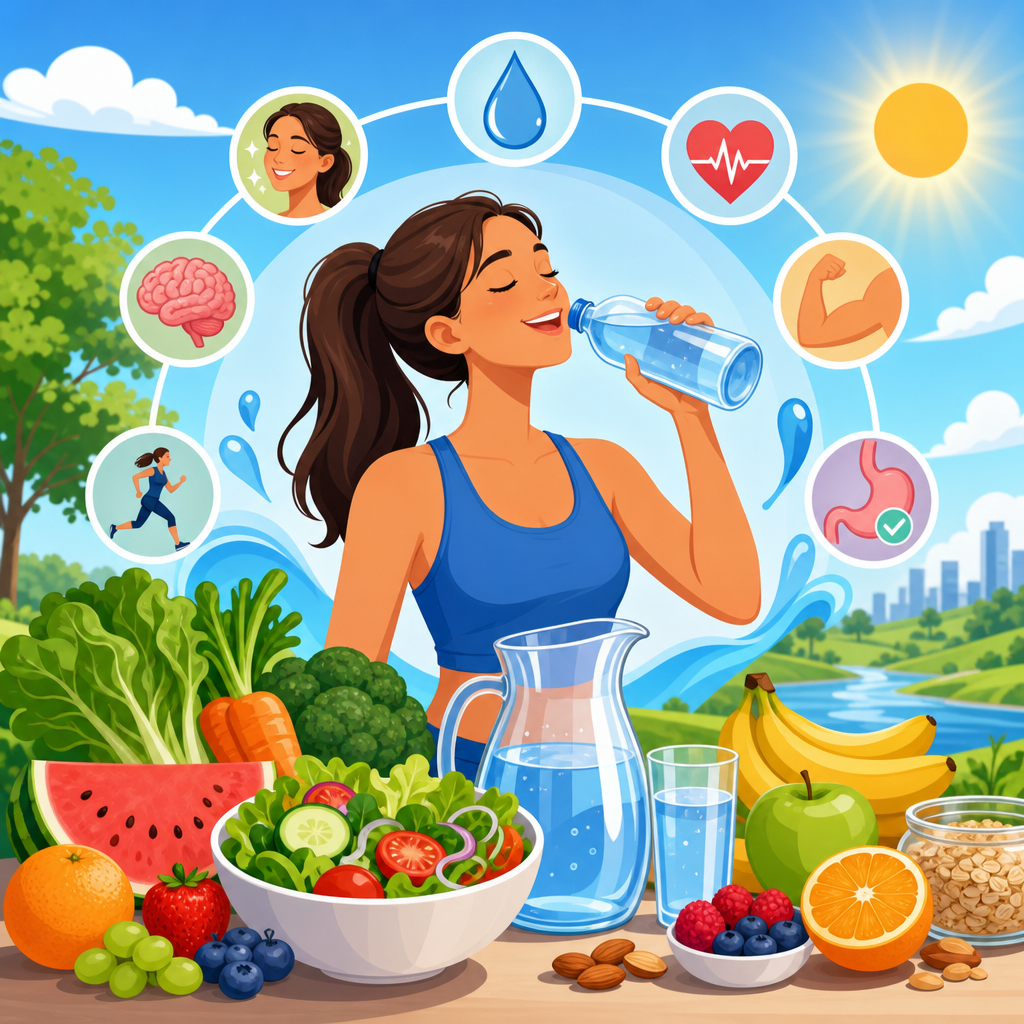
Foods can contribute meaningfully to fluid intake. Cucumbers, watermelon, oranges, strawberries, tomatoes, lettuce, milk, and broth-based soups contain substantial water. This matters for people who struggle to drink enough plain water. It also means a balanced diet naturally supports hydration when meals include produce, dairy or fortified alternatives, and water-rich preparations. At the same time, food choices can increase fluid needs. High-sodium convenience foods may increase thirst, alcohol can contribute to fluid loss, and high-fiber meal plans require more deliberate water intake. The most effective approach is to match what you drink to how you eat, how active you are, and the environment you are in.
Signs of Good Hydration and Early Dehydration
Recognizing hydration status early prevents bigger problems later. Well-hydrated people generally urinate at regular intervals, maintain stable energy through the day, have less dry mouth, and recover better from physical activity. Skin elasticity is sometimes mentioned, but it is not a reliable standalone measure in daily life because age and body composition affect it. More practical indicators are urine color, urine frequency, thirst, body weight changes during heavy exercise, and how you feel mentally and physically.
Early dehydration often looks ordinary rather than dramatic. People may notice a headache in the afternoon, sugar cravings, lower patience, difficulty focusing, dry lips, or feeling unusually tired after routine tasks. Athletes might experience rising heart rate at a familiar pace, cramps, or poor heat tolerance. Office workers may confuse dehydration with caffeine withdrawal or stress. Children can become irritable or less attentive in class. If fluid losses continue, symptoms can progress to dizziness, rapid pulse, very dark urine, and reduced sweating. Severe dehydration requires prompt medical attention, particularly in infants, older adults, and people with vomiting or diarrhea.
| Situation | Hydration Risk | Practical Response |
|---|---|---|
| High-fiber diet | Constipation without enough fluid | Increase water steadily with meals and snacks |
| Endurance exercise | Sweat losses and sodium depletion | Use water for short sessions; add electrolytes for long or hot efforts |
| Hot weather or outdoor work | Rapid fluid loss and heat strain | Drink on a schedule, not only when thirsty |
| Older adulthood | Reduced thirst awareness | Build routine drinking habits and monitor urine color |
| Illness with vomiting or diarrhea | Fast fluid and electrolyte loss | Use oral rehydration solutions when needed |
Water, Electrolytes, and Smarter Beverage Choices
Plain water is the default hydration choice for most people because it is effective, inexpensive, calorie-free, and widely available. However, water is not the only useful beverage, and context matters. Milk provides fluid plus protein, calcium, potassium, and often vitamin D. Tea and coffee count toward fluid intake despite the persistent myth that caffeine cancels out hydration benefits. In regular amounts, caffeinated beverages still contribute net fluid. That said, heavily sweetened drinks can raise total calorie intake quickly, and alcohol is a poor hydration strategy because it increases urine output and can worsen fluid loss.
Electrolytes matter most when sweat losses are high or when illness causes significant fluid depletion. Sodium is the key electrolyte lost in sweat, while potassium supports muscle and nerve function. Sports drinks can be useful during prolonged exercise lasting more than about 60 to 90 minutes, especially in hot conditions, but they are unnecessary for most casual workouts. Oral rehydration solutions are different from sports drinks and are formulated to improve absorption during diarrhea or vomiting based on well-established medical principles. Choosing between water, electrolyte drinks, milk, coffee, tea, and other beverages should depend on the setting, not marketing claims.
Hydration Across Age, Activity, and Health Conditions
Hydration needs shift across the lifespan. Children lose fluid more quickly relative to body size and may not recognize thirst early, so parents and schools need to make fluids visible and available. Older adults face a different challenge: lower total body water, reduced thirst sensation, and more frequent use of medications such as diuretics. In care settings, I have seen hydration improve simply by linking drinks to routine events such as medications, meals, and walks rather than waiting for someone to ask. Pregnant and breastfeeding women also need more fluids because of higher blood volume and milk production demands.
Active people need a more structured plan. Weighing before and after training can reveal sweat loss, and replacing around 1.25 to 1.5 liters per kilogram of body weight lost is a common recovery guideline when rapid rehydration is needed. People with kidney disease, heart failure, liver disease, or certain endocrine disorders may need individualized advice because too much fluid can be as problematic as too little. This is why broad hydration advice has limits. The best hydration plan respects medical history, diet pattern, climate, and daily routine. For anyone building stronger nutrition basics, start simple: drink regularly, eat water-rich foods, adjust for conditions, and treat hydration as a daily requirement rather than an afterthought.
Hydration is essential for a balanced diet because it supports every major function that food is meant to nourish. Water helps transport nutrients, regulate body temperature, maintain blood volume, aid digestion, protect joints and organs, and remove waste efficiently. It also influences energy, concentration, appetite, exercise performance, and bowel regularity. When people improve hydration, they often notice benefits quickly: fewer headaches, steadier mood, better workouts, improved digestion, and more consistent daily energy. Those outcomes are not incidental. They reflect the body working under the conditions it needs to use nutrition well.
The key takeaway is that hydration and its role in health should be treated as a core nutrition skill. There is no single perfect number for everyone, but there is a practical method that works: drink fluids regularly, monitor urine color and thirst, increase intake during heat or activity, and use electrolytes strategically when sweat losses or illness demand them. Build meals around water-rich foods, keep water accessible, and create routines that make drinking automatic. If you are strengthening your Nutrition Basics, use this hub as your starting point and review the related guides on daily water intake, electrolytes, hydration for exercise, and signs of dehydration so you can turn good advice into lasting habits.
Frequently Asked Questions
Why is hydration considered so important in a balanced diet?
Hydration is essential in a balanced diet because water supports nearly every major process in the body. While people often pay close attention to protein, healthy fats, carbohydrates, vitamins, and minerals, those nutrients cannot do their jobs effectively without adequate fluid intake. Water helps transport nutrients through the bloodstream, carries oxygen to cells, removes waste products through urine and sweat, and supports healthy circulation. It also plays a central role in digestion by helping break down food and move it through the digestive tract efficiently.
Hydration also affects energy levels, focus, physical performance, and body temperature regulation. Even mild dehydration can contribute to fatigue, headaches, poor concentration, dry skin, and constipation. In day-to-day nutrition, proper hydration is one of the simplest ways to support appetite regulation, metabolic function, and overall well-being. In other words, water is not just something to drink alongside a healthy diet; it is one of the key foundations that allows a healthy diet to work properly.
How does proper hydration support digestion and nutrient absorption?
Hydration plays a direct role in digestion from the moment food enters the mouth. Fluids help support saliva production, which begins the digestive process and makes food easier to chew and swallow. As food moves into the stomach and intestines, water continues to assist in breaking it down so the body can absorb nutrients more efficiently. Without enough fluid, digestion can slow, and the body may have a harder time processing food comfortably and effectively.
Water is also important for maintaining regular bowel movements. When fluid intake is too low, the colon pulls more water from waste material, which can lead to hard stools and constipation. Proper hydration helps keep stool softer and easier to pass, supporting gut comfort and regularity. In practical terms, a diet rich in fiber only works well when it is paired with enough fluid. Fiber and hydration work together, making water especially important for anyone trying to improve digestive health as part of a balanced diet.
What are the signs that you may not be drinking enough water?
Some of the earliest signs of inadequate hydration are easy to overlook. Common symptoms include feeling thirsty, having a dry mouth, darker yellow urine, infrequent urination, headaches, tiredness, dizziness, and difficulty concentrating. Many people do not immediately connect these symptoms to hydration, but they can be clear signals that the body needs more fluid. Reduced physical performance, irritability, and increased feelings of sluggishness can also occur when hydration is not meeting the body’s needs.
Digestive issues can be another clue. Constipation, bloating, and a general sense of digestive discomfort may all be worsened by low fluid intake. In more significant cases, dehydration may cause rapid heartbeat, confusion, or marked weakness, which require prompt attention. A practical habit is to monitor urine color and frequency throughout the day. Pale yellow urine is often a useful sign of adequate hydration, while consistently dark urine can indicate that fluid intake needs to increase. Paying attention to these everyday signals can help prevent mild dehydration from becoming a bigger health issue.
How much water should a person drink each day for good health?
There is no single exact amount that fits everyone, because hydration needs vary based on age, body size, activity level, climate, diet, and overall health. A common general guideline is around 8 cups of water per day, but many people need more than that, especially if they exercise regularly, spend time in hot weather, eat a high-protein or high-fiber diet, or are pregnant or breastfeeding. Foods such as fruits, vegetables, soups, and yogurt also contribute to total fluid intake, so hydration does not come only from plain water.
The most reliable approach is to use general guidelines while also paying attention to your body. Thirst, urine color, activity level, and environmental conditions can all help you judge whether you are drinking enough. During exercise or illness, fluid needs often rise. Rather than thinking only in terms of a rigid daily number, it is more helpful to make hydration consistent throughout the day. Drinking water with meals, carrying a bottle, and increasing fluids when sweating more heavily are practical habits that support better health and make a balanced diet more effective.
Can other beverages and water-rich foods help with hydration, or does it have to be plain water?
Plain water is one of the best and simplest choices for staying hydrated, but it is not the only source of fluids. Milk, herbal teas, sparkling water, and other low-sugar beverages can all contribute to hydration. Water-rich foods such as cucumbers, oranges, watermelon, strawberries, lettuce, celery, soups, and broth-based meals can also make a meaningful contribution to daily fluid intake. This is one reason why a balanced diet naturally supports better hydration when it includes plenty of whole, minimally processed foods.
That said, beverage quality still matters. Drinks high in added sugar can increase calorie intake without providing the same overall nutritional value, and relying heavily on sugary sodas or specialty coffee drinks is not the best strategy for long-term health. Caffeinated beverages can still count toward fluid intake for many people, though some individuals may need to be mindful of how caffeine affects them personally. A smart approach is to make water the main beverage, then use other drinks and hydrating foods to round out total fluid intake. This creates a sustainable, realistic pattern that supports digestion, energy, circulation, and overall health.