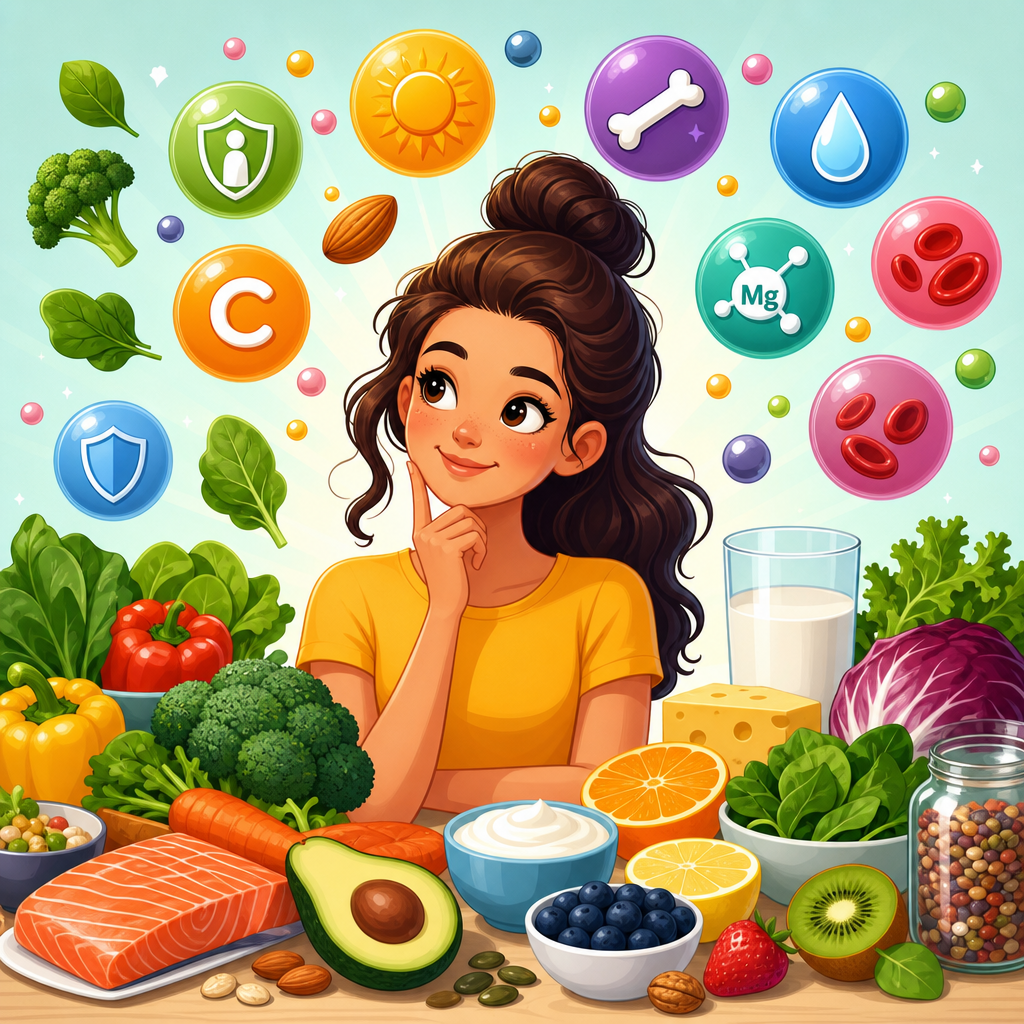
Hydration is one of the most underestimated foundations of a healthy diet, yet it influences nearly every system in the body. When I review food journals with clients, I often find that fatigue, headaches, constipation, poor workout recovery, and even overeating are linked less to exotic nutrient deficiencies and more to inconsistent fluid intake. Hydration means maintaining the body’s water balance so cells, tissues, blood, and organs can perform normally. It includes plain water, water from foods, and other beverages, but quality, timing, and total intake all matter. Because water makes up roughly half to two thirds of adult body weight, even mild dehydration can affect physical performance, concentration, mood, and temperature regulation. In the context of nutrition basics, hydration deserves hub-level attention because it shapes digestion, appetite, energy use, kidney health, and how the body handles sodium, potassium, fiber, and protein. A healthy diet is not only about what you eat; it is also about whether your body has enough fluid to use those nutrients effectively.
Water is not a nutrient in the way vitamins and minerals are discussed, but it is essential in a more immediate sense. It transports glucose, amino acids, oxygen, hormones, and waste products. It supports saliva production, allows swallowing, helps break down food, and keeps stool soft enough to pass comfortably. It lubricates joints, cushions tissues, and enables sweating, the body’s primary cooling mechanism. The kidneys rely on sufficient fluid to regulate electrolyte balance and excrete metabolic waste, including urea from protein metabolism. Blood volume also depends on hydration status, which is why inadequate fluid can contribute to dizziness, faster heart rate, and lower exercise tolerance. Public guidance often simplifies the topic into “drink eight glasses a day,” but real needs vary by body size, climate, activity level, diet composition, medications, and life stage. Understanding hydration clearly helps people make practical decisions instead of following generic rules that may be too little for some and excessive for others.
How hydration supports digestion, metabolism, and everyday energy
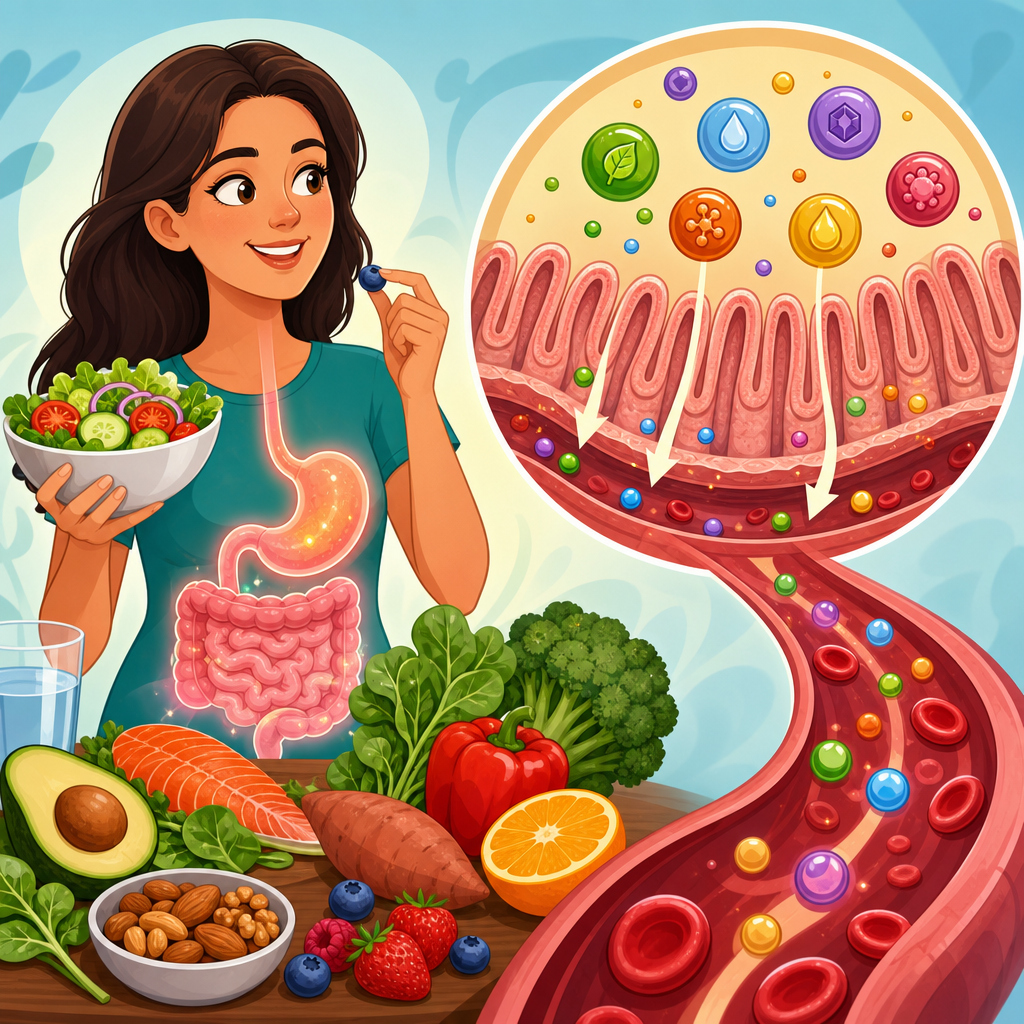
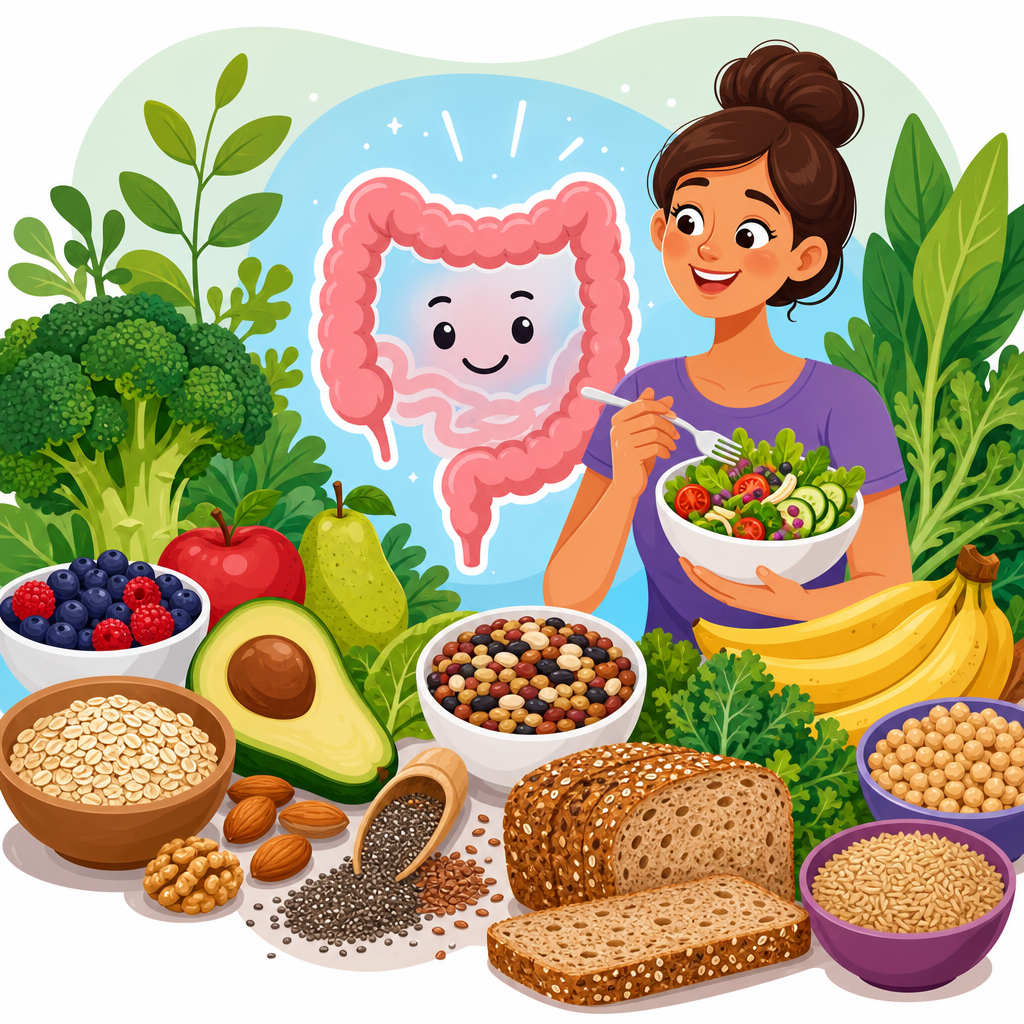
Hydration has a direct role in digestive function and in how comfortable people feel on a daily basis. Saliva begins digestion in the mouth and makes chewing and swallowing easier. In the stomach and intestines, fluid helps move food through the gastrointestinal tract. When people increase fiber intake without increasing fluids, they often experience bloating or constipation, not because fiber is harmful, but because fiber works best when paired with enough water. I see this repeatedly when someone shifts suddenly to whole grains, beans, vegetables, and seeds while keeping beverage habits unchanged. Adequate hydration also helps maintain stool consistency and supports regular bowel movements, which is one reason constipation treatment commonly includes both fiber and fluids.
Water also affects metabolic processes, though not in the exaggerated way fad wellness claims suggest. It does not melt fat, but it is required for countless biochemical reactions involved in energy production. Mild dehydration can make ordinary tasks feel harder because lower blood volume increases cardiovascular strain and reduces heat tolerance. People may describe this as low energy, brain fog, or feeling “off.” In practical nutrition coaching, restoring fluid intake often improves alertness and appetite regulation within days. Thirst is sometimes mistaken for hunger, especially when meals are irregular or highly salty. Drinking water before or with meals can help people better interpret body signals, though it is not a substitute for eating enough. The key point is simple: hydration supports the body’s ability to digest food, circulate nutrients, and sustain mental and physical performance throughout the day.
How much water you need and what changes your requirement
Daily fluid needs depend on context, not a single universal number. The National Academies provides adequate intake levels from all beverages and foods of about 3.7 liters per day for men and 2.7 liters per day for women, though these are broad population targets rather than personalized prescriptions. Roughly 20 percent of total water intake commonly comes from foods, especially fruits, vegetables, yogurt, soups, and cooked grains, with the remainder coming from beverages. Someone who eats produce-rich meals and drinks regularly through the day may meet needs more easily than someone relying on dry, salty, heavily processed foods. Physical activity, hot or humid weather, altitude, pregnancy, breastfeeding, fever, vomiting, diarrhea, and high-fiber or higher-protein diets can all increase fluid requirements.
Urine color can be a useful quick check, with pale yellow generally suggesting reasonable hydration, though supplements, medications, and some foods can change color. Frequency matters too; very dark urine, infrequent urination, dry mouth, dizziness, headache, and unusual fatigue are common warning signs. Athletes and outdoor workers need a more deliberate strategy because sweat losses vary widely. In long training sessions, replacing sodium as well as water can be necessary to avoid dilutional problems and support performance. Older adults often need reminders because thirst sensation may be blunted with age. Children need routine access to fluids because they can overheat faster than adults. People with kidney disease, heart failure, liver disease, or those taking diuretics may need individualized advice from a clinician rather than general recommendations. Good hydration planning is responsive: it changes with the day, the meal pattern, and the environment.
Best sources of hydration in a healthy diet
Plain water is the most reliable hydration source because it is calorie free, widely available, and effective. For most healthy adults, it should be the default beverage. That said, hydration does not come only from a glass of water. Milk, unsweetened tea, coffee, sparkling water, and water-rich foods all contribute. Fruits and vegetables such as watermelon, oranges, strawberries, cucumber, lettuce, tomatoes, and zucchini contain substantial water. Broth-based soups, yogurt, smoothies, and oatmeal also help. In practice, people who “forget to drink water” often do better when hydration is built into meals and snacks rather than treated as a separate health task.
Not all beverages are equal in the context of a healthy diet. Sugar-sweetened drinks can contribute fluid, but regular intake is associated with excess calorie consumption and poorer cardiometabolic outcomes. Sports drinks are useful during prolonged, intense exercise or heavy sweat conditions, but they are unnecessary for a short walk or a typical office day. Coffee and tea count toward fluid intake despite the persistent myth that caffeine cancels hydration. Caffeine can have a mild diuretic effect in large amounts, especially in people not accustomed to it, but moderate consumption still contributes net fluid. Alcohol is different; it can increase urine output and impair judgment about thirst, so relying on it for hydration is a mistake. The most effective healthy diet pattern usually centers water, uses unsweetened beverages strategically, and treats sugary drinks as occasional rather than routine.
Signs of dehydration, overhydration, and common mistakes
Many people recognize severe dehydration but miss the more common mild to moderate version. Early signs include thirst, dry lips, headache, reduced concentration, fatigue, constipation, and darker urine. During exercise, dehydration can lead to cramping, perceived exertion, reduced endurance, and slower recovery, though cramps are influenced by multiple factors including conditioning and electrolyte balance. In older adults, dehydration may present as confusion, weakness, low blood pressure on standing, or urinary tract concerns. In children, irritability, fewer wet diapers, sunken eyes, or unusual sleepiness can be warning signs.
Overhydration is less common but important, especially when people force excessive water without enough sodium during endurance events. This can dilute blood sodium levels and lead to exercise-associated hyponatremia, a potentially dangerous condition marked by nausea, swelling, headache, confusion, and in severe cases seizures. The lesson is not to fear water but to match intake to losses. Common mistakes include waiting until intense thirst appears, assuming every headache is due to hunger or caffeine, dramatically increasing fiber without fluids, and using flavored sugary beverages as the main source of hydration.
| Situation | Hydration approach | Why it works |
|---|---|---|
| Sedentary office day | Keep water nearby, drink with each meal and snack | Builds steady intake without overthinking |
| High-fiber eating plan | Increase water gradually as fiber increases | Supports stool bulk and digestive comfort |
| Exercise under 60 minutes | Use water before, during, and after activity | Usually replaces routine losses adequately |
| Long, sweaty training session | Use water plus sodium-containing fluids or foods | Replaces sweat losses more completely |
| Hot weather or outdoor work | Drink on a schedule, not only by thirst | Prevents cumulative dehydration |
Hydration across life stages and health conditions
Hydration needs shift across the lifespan. Children have a higher surface-area-to-body-mass ratio and can heat up quickly, so caregivers should offer fluids regularly, especially during sports or illness. Teenagers often replace water with energy drinks or soda, which can add excess sugar and caffeine without teaching good habits. Adults balancing work, commuting, and exercise often underdrink simply because fluid access is inconvenient. A bottle on the desk, water at meals, and hydrating foods in lunches solve more problems than complicated tracking apps.
In pregnancy, fluid needs increase to support blood volume, amniotic fluid, and fetal development. During breastfeeding, needs rise further because human milk is mostly water. Older adults may face reduced thirst sensation, mobility barriers, medication effects, or fear of nighttime urination, all of which can lower intake. Clinical conditions matter as well. People with kidney stones are commonly advised to increase fluids enough to produce a larger urine volume, reducing stone-forming concentration. Those with chronic kidney disease, heart failure, or advanced liver disease may need fluid limits or individualized electrolyte guidance. Gastrointestinal illness with vomiting or diarrhea can rapidly deplete both water and sodium, making oral rehydration solutions more appropriate than plain water alone. Hydration advice is strongest when it accounts for real physiology, medications, and disease states instead of repeating one-size-fits-all slogans.
Practical ways to stay hydrated every day
The most sustainable hydration habits are simple, visible, and tied to existing routines. Start the day with a glass of water, then drink with breakfast, lunch, dinner, and planned snacks. Carry a bottle you actually like using; people drink more when the container is easy to open, refill, and clean. If plain water feels monotonous, add citrus, cucumber, or mint, or choose unsweetened sparkling water. Include hydrating foods daily: fruit at breakfast, soup or yogurt at lunch, and vegetables with dinner. Before exercise, begin well hydrated rather than trying to catch up afterward. After sweaty activity, replace losses steadily and include sodium through food when sweat rates are high.
In my experience, the best measure of success is not chasing a trendy gallon goal but building a pattern that keeps urine generally pale, energy stable, digestion comfortable, and workouts productive. Hydration and its role in health become clearer when viewed as part of the whole diet. Water supports digestion, nutrient transport, circulation, temperature control, kidney function, and appetite awareness. Needs vary with age, environment, health status, and activity, but the principles are consistent: drink regularly, favor water, use other beverages thoughtfully, and adjust for sweat loss and illness. If you are building a stronger foundation in nutrition basics, make hydration one of your first priorities. Review your current drinking habits, identify where you regularly fall short, and put one practical strategy into place this week. Small, consistent changes in hydration can improve how you feel every single day.
Frequently Asked Questions
Why is hydration considered such an important part of a healthy diet?
Hydration is essential because water is involved in almost every major function in the body. It helps regulate body temperature, transport nutrients, remove waste, lubricate joints, support digestion, maintain healthy blood volume, and keep cells functioning properly. In practical terms, even mild dehydration can affect how you feel and perform throughout the day. People often notice fatigue, headaches, dry mouth, dizziness, constipation, and reduced concentration before they realize they simply have not had enough fluids.
In the context of a healthy diet, hydration also supports how the body uses the food you eat. Nutrients do not just magically move to where they need to go; they rely on fluids for digestion, absorption, and circulation. Adequate hydration can also help with appetite regulation, since thirst is sometimes mistaken for hunger. That means poor fluid intake may contribute to unnecessary snacking or overeating. Put simply, even the most nutrient-dense diet works better when the body is well hydrated.
How much water should you drink each day for good health?
There is no single perfect number that fits everyone, because hydration needs vary based on age, body size, activity level, climate, health status, and diet. A common guideline is around 8 cups of water per day, but many people need more or less than that depending on their circumstances. A more realistic approach is to think in terms of total daily fluid intake, which includes plain water, other beverages, and water-rich foods such as fruits, vegetables, soups, yogurt, and smoothies.
If you exercise regularly, spend time in hot weather, sweat heavily, are pregnant or breastfeeding, eat a high-fiber diet, or are recovering from illness, your fluid needs are likely higher. A simple way to monitor hydration is to check your thirst and urine color. Pale yellow urine usually suggests adequate hydration, while darker urine may indicate you need more fluids. It is also wise to drink consistently throughout the day rather than trying to consume large amounts all at once. Steady intake tends to support energy, digestion, and overall comfort more effectively.
Do drinks other than water count toward hydration?
Yes, they do. While plain water is often the best and simplest choice, hydration does not come only from water glasses. Milk, herbal tea, sparkling water, broth-based soups, and other beverages all contribute to total fluid intake. Many foods help as well, especially fruits and vegetables with high water content such as cucumbers, oranges, strawberries, watermelon, celery, tomatoes, and lettuce. This is one reason why a balanced, whole-food diet often supports hydration naturally.
That said, not all beverages are equally helpful in every situation. Sugary drinks can add excess calories without much nutritional value, and alcohol can increase fluid loss in some people. Caffeinated drinks like coffee and tea still count toward hydration for most adults, especially regular caffeine users, but they should not be your only source of fluids if you are already falling behind. A smart strategy is to make water your default, then use other drinks and hydrating foods to round out your intake in a way that fits your preferences and health goals.
What are the signs of dehydration, and how can it affect your health?
Dehydration can start subtly. Early signs often include thirst, dry lips or mouth, darker urine, headaches, fatigue, reduced focus, and feeling sluggish during the day. Some people also notice constipation, muscle cramps, irritability, or poorer exercise performance. Because these symptoms are common and nonspecific, dehydration is frequently overlooked. Many people assume they need more sleep, more caffeine, or a different supplement when their body may simply need more fluids.
If dehydration becomes more significant, symptoms can become more serious and may include dizziness, rapid heartbeat, confusion, and very low urine output. Over time, chronic inadequate hydration can make digestion more difficult, impair physical performance, affect mood and concentration, and reduce the body’s ability to regulate temperature effectively. For children, older adults, and people who are ill or physically active, the risks can be greater. The main takeaway is that hydration is not just about quenching thirst. It is a basic daily habit that supports everything from bowel regularity to mental clarity to workout recovery.
What are the best ways to stay hydrated consistently throughout the day?
The most effective hydration habits are usually the simplest and most repeatable. Start by drinking fluids regularly instead of waiting until you feel very thirsty, since thirst can lag behind your body’s actual needs. Keeping a reusable water bottle nearby, drinking a glass of water with meals, and having fluids before and after exercise can make a big difference. Many people also benefit from pairing hydration with daily routines, such as drinking water after waking up, during work breaks, or when preparing meals.
It also helps to build hydration into your diet. Include water-rich foods like berries, melons, citrus, cucumbers, tomatoes, soups, and leafy greens. If plain water feels boring, add sliced fruit, herbs, or a splash of citrus for flavor. During hot weather, illness, travel, or strenuous activity, be more intentional because fluid needs rise quickly. For people who sweat heavily, electrolyte-containing beverages may be helpful in some cases, especially after prolonged exercise. The goal is not perfection but consistency. When fluid intake becomes a normal part of your daily routine, hydration is much easier to maintain and your overall diet tends to work better as a result.