Hydration is one of the most discussed topics in nutrition, yet it is also one of the most misunderstood. In clinic conversations, workplace wellness sessions, and sports nutrition planning, I repeatedly hear the same claims: everyone needs eight glasses a day, coffee dehydrates you, clear urine means perfect hydration, and thirst is always too late. These statements sound simple, but human fluid balance is more nuanced. Hydration refers to maintaining the right amount of water and electrolytes in the body so blood volume, temperature regulation, cellular function, digestion, circulation, and waste removal can proceed normally.
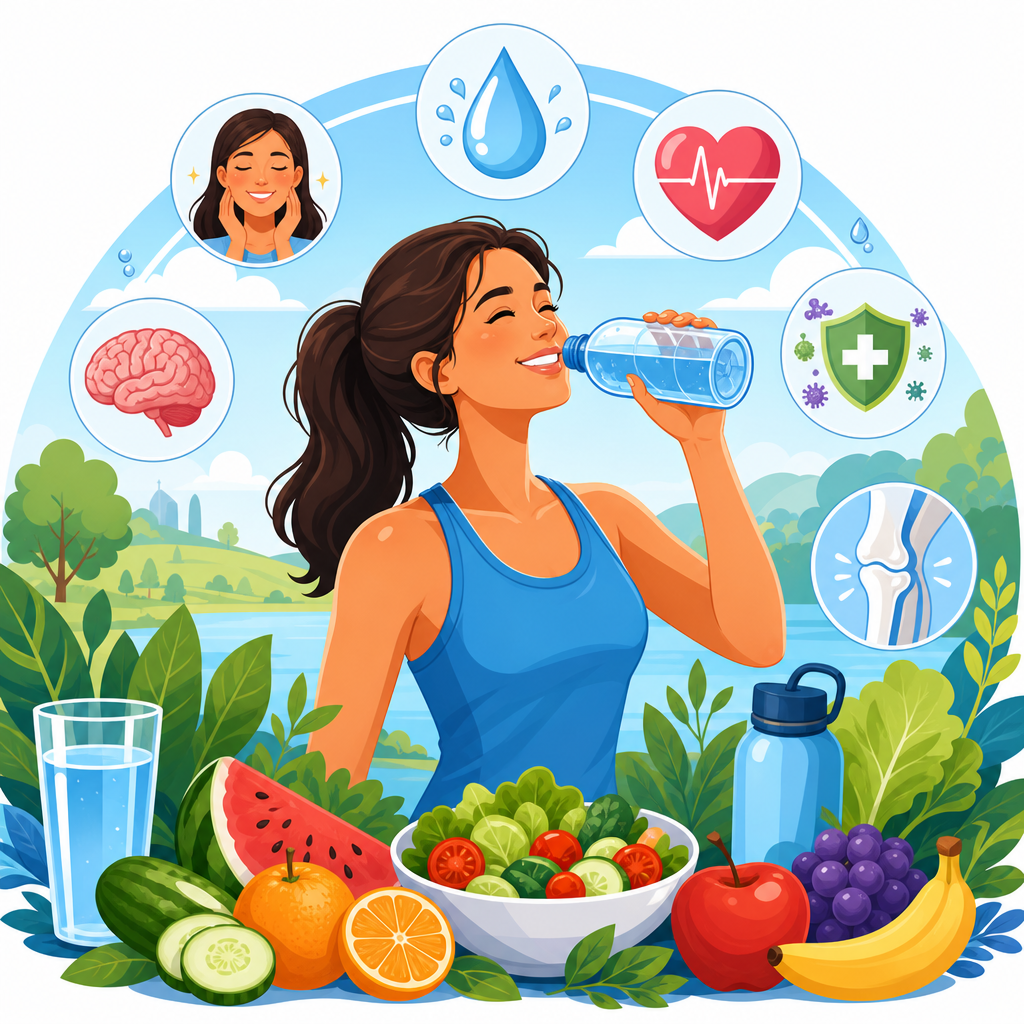
Water is not merely a beverage choice; it is a physiological requirement. Roughly half to two thirds of adult body weight is water, with differences based on age, sex, and body composition. The body uses water to transport nutrients, regulate heat through sweating, cushion joints, support saliva and mucus production, and enable kidney filtration. Electrolytes such as sodium, potassium, and chloride work with water to maintain fluid distribution between cells and the bloodstream. When hydration status drifts too low or, less commonly, too high, performance, cognition, and health can suffer.
This matters because hydration advice often gets reduced to slogans instead of evidence. For a subtopic as central as hydration and its role in health, readers need practical guidance that fits real life: desk work, exercise, hot weather, illness, pregnancy, aging, travel, and diets with very different sodium and water content. Good hydration habits can support concentration, physical endurance, kidney health, bowel regularity, and temperature control. Poor guidance, however, can lead to unnecessary worry, underdrinking, or overdrinking. Debunking common myths helps people replace rigid rules with better decisions.
Myth 1: Everyone needs exactly eight glasses of water per day
The “eight glasses” rule persists because it is easy to remember, not because it is a universal physiological standard. Fluid needs vary widely by body size, climate, altitude, activity level, diet, medications, health status, and life stage. A runner training in humid weather may need several liters more than an office worker in a cool environment. Someone eating a diet rich in fruit, vegetables, yogurt, soup, and oats takes in substantial water from food, while someone eating mostly dry packaged foods gets less. A single fixed target cannot fit all circumstances.
Authoritative guidance reflects that variation. The U.S. National Academies sets Adequate Intake levels for total water from all beverages and foods at about 3.7 liters per day for men and 2.7 liters per day for women, but that total includes water contained in food. In practice, many adults meet needs through a mix of drinking water, coffee, tea, milk, and moisture-rich meals. A better approach is to use a combination of thirst, urine color trends, body size, and context rather than forcing an arbitrary number. Pale yellow urine for much of the day usually suggests reasonable hydration, though not every bathroom visit needs to be nearly clear.
Myth 2: Thirst means you are already dangerously dehydrated
Thirst is a normal biological signal, not evidence of failure. The brain regulates thirst primarily through osmoreceptors that detect changes in blood concentration, along with hormones such as vasopressin that help conserve water. In healthy adults doing routine daily activities, thirst is often an effective cue to drink. It becomes less reliable in some circumstances, including older age, intense prolonged exercise, high heat, acute illness, and certain medications. That is why blanket statements mislead: thirst is useful, but context determines whether you should rely on it alone.
In sports settings, I advise people to begin activity reasonably hydrated and then drink according to thirst or a personalized plan based on sweat rate if exercise is long, intense, or performed in heat. Dangerous dehydration is not triggered the moment thirst appears. More often, problems develop when fluid losses continue without replacement for hours, especially alongside sodium loss through sweat, vomiting, or diarrhea. The practical lesson is simple: do not ignore thirst, but do not panic when you feel it. Pair the signal with common sense, environment, and duration of fluid loss.
Myth 3: Coffee and tea dehydrate you
This is one of the most resilient hydration myths, and it causes unnecessary confusion. Caffeine has a mild diuretic effect in people who are not habituated to it, but caffeinated beverages still contribute to daily fluid intake. A cup of coffee is mostly water. Regular coffee and tea drinkers typically adapt, and the net hydration effect remains positive. Studies comparing caffeinated drinks with water in habitual users generally show that coffee and tea can support hydration rather than undermine it.
That does not mean all caffeinated drinks are equal. Very large caffeine doses may increase bathroom visits, and sweet coffeehouse beverages can add substantial sugar and calories. Energy drinks may also contain high caffeine amounts and are not ideal as a primary hydration strategy, especially for adolescents or anyone sensitive to stimulants. Still, the broad claim that coffee dehydrates you is inaccurate. For most adults, unsweetened coffee and tea count toward fluid intake. If they help you drink more overall, they can support hydration habits rather than sabotage them.
Myth 4: Clear urine is the goal all day long
Urine color is useful, but it is not a precision instrument and it should not be interpreted rigidly. Consistently dark urine can indicate low fluid intake, especially if accompanied by thirst, dry mouth, headache, or reduced urination. However, perfectly clear urine all day may simply mean you are drinking more than needed. Water-soluble vitamins, certain foods, medications, and timing also influence appearance. First morning urine is often darker because urine becomes more concentrated overnight, which is normal.
I usually tell clients to think in ranges rather than absolutes. Light yellow or straw-colored urine for much of the day is a reasonable sign that intake is adequate for many healthy adults. Persistently dark urine, strong odor, dizziness, or infrequent urination deserve attention. So does compulsive overdrinking. In endurance events, drinking excessively beyond thirst can contribute to exercise-associated hyponatremia, a dangerous drop in blood sodium. The goal is not to flush the body constantly. The goal is balanced fluid regulation that matches losses.
Myth 5: Sports drinks are better than water for everyone
Sports drinks have a place, but that place is narrower than marketing suggests. During exercise lasting under an hour for most recreational athletes, water is usually enough. The value of sports drinks comes from their carbohydrate and sodium content, which can help sustain performance and replace sweat losses during long-duration or high-intensity training, especially in hot conditions. Marathon runners, competitive cyclists, and football players in summer practices may benefit. Someone walking on a treadmill for thirty minutes usually does not need a brightly colored electrolyte beverage.
There are tradeoffs. Many sports drinks contain added sugar that is useful in competition but unnecessary at a desk or on a short walk. Some products marketed as electrolyte drinks contain minimal sodium, which makes them less effective for heavy sweaters. Others contain far more sodium than sedentary people need. Choosing correctly depends on duration, sweat rate, weather, and goals.
| Situation | Best hydration choice | Why it works |
|---|---|---|
| Normal daily routine | Water, milk, tea, coffee, water-rich foods | Meets fluid needs without unnecessary sugar |
| Exercise under 60 minutes | Water | Usually replaces modest fluid losses adequately |
| Exercise over 90 minutes | Sports drink or water plus sodium and carbohydrate | Supports endurance and replaces sweat losses |
| Vomiting or diarrhea | Oral rehydration solution | Uses glucose and sodium to improve fluid absorption |
Myth 6: More water is always better for your kidneys and detoxification
The body already has a detoxification system: the liver processes substances and the kidneys filter blood, regulating water and electrolyte balance. Drinking enough water supports that process, but drinking excessive amounts does not “flush toxins” in a magical way. Healthy kidneys do not need gallons of water beyond normal requirements to function properly. In fact, forcing large volumes quickly can dilute blood sodium, particularly when combined with endurance exercise or certain medical conditions.
For kidney stone prevention, higher fluid intake can be helpful because it lowers urine concentration, but even here the guidance is targeted, not limitless. People with recurrent stones are often advised to produce at least 2 to 2.5 liters of urine per day, which may require more drinking depending on heat and activity. By contrast, people with heart failure, advanced kidney disease, or some endocrine disorders may need fluid restrictions under medical supervision. The sound principle is adequacy, not excess. Hydration supports health when it is individualized and proportional to actual need.
Hydration across life stages and common health situations
Hydration needs change across the lifespan. Infants and children have higher fluid needs relative to body size and can become dehydrated faster during fever, diarrhea, or hot weather. Older adults may have a blunted thirst response, reduced kidney concentrating ability, and medications that affect fluid balance, such as diuretics or laxatives. Pregnant and breastfeeding women need additional fluid to support blood volume, amniotic fluid, and milk production. During breastfeeding especially, many women notice thirst increases naturally, and responding to it is often effective.
Illness changes hydration strategy more than most daily routines do. Fever raises fluid needs. Vomiting and diarrhea increase losses of both water and electrolytes, making oral rehydration solutions more effective than plain water in many cases because sodium and glucose enhance intestinal absorption via the sodium-glucose cotransporter. High-fiber diets, creatine use, travel to hot climates, and medications such as SGLT2 inhibitors can all alter fluid needs. This is why a hub page on hydration and its role in health must emphasize context: the right amount to drink depends less on internet rules and more on physiology, environment, and symptoms.
How to assess hydration practically and build better habits
The most reliable everyday hydration strategy is simple and evidence-based. Drink regularly with meals, keep water accessible, respond to thirst, and increase intake when losses rise through exercise, heat, altitude, or illness. Check patterns, not single moments: urine that is usually pale yellow, stable energy, normal bathroom frequency, and the absence of excessive thirst are useful signs. Athletes can go further by measuring pre- and post-exercise body weight to estimate sweat loss, then replacing roughly 125 to 150 percent of the deficit over the next several hours with fluids and sodium.
Food counts more than many people realize. Cucumbers, oranges, berries, tomatoes, melons, soups, yogurt, and cooked grains contribute meaningful water. Salty meals can temporarily increase thirst, while alcohol can promote fluid loss and poor decision-making around drinking. Reusable bottles, scheduled drink breaks for older adults, and workplace access to cool fluids all improve intake. The best hydration plan is the one you can follow consistently without obsession. Review your routine, notice where losses are highest, and build habits around real needs rather than myths. If hydration has felt confusing, start by replacing one rule of thumb with one informed decision today.
Frequently Asked Questions
Is the “eight glasses of water a day” rule true for everyone?
No. The idea that everyone should drink eight glasses of water a day is one of the most common hydration myths, but it oversimplifies how fluid needs actually work. Hydration requirements vary widely based on age, body size, activity level, climate, diet, health status, and even medications. Someone exercising outdoors in hot weather will lose far more fluid through sweat than someone sitting in an air-conditioned office, and a person eating a diet rich in fruits, vegetables, soups, and yogurt may get a meaningful amount of water from food alone.
A more accurate way to think about hydration is that the body’s needs are dynamic, not fixed. Water intake should match water losses, which happen through urine, sweat, breathing, and normal bodily functions. Electrolytes such as sodium and potassium also play a role in fluid balance, so hydration is not just about volume of water. For most healthy adults, paying attention to thirst, urine patterns, daily routines, and environmental conditions is more useful than chasing a universal number. General intake guidelines can be helpful as a starting point, but they are not rigid prescriptions for every person in every setting.
Does coffee or tea dehydrate you?
Not in the way many people think. Coffee and tea do contain caffeine, and caffeine can have a mild diuretic effect in some people, especially if they are not used to it. However, the fluid in these beverages still contributes to overall daily hydration. In regular coffee and tea drinkers, the body generally adapts to caffeine intake, and the net effect is not the severe dehydration people often fear.
This myth likely persists because caffeine is associated with increased urination, but increased urination does not automatically mean a beverage is dehydrating overall. If you drink a cup of coffee, you are still taking in fluid. For most healthy adults, moderate amounts of coffee and tea can absolutely count toward fluid intake. The bigger issue is context: highly sweetened coffee drinks can add excess sugar and calories, and very high caffeine intake may not be ideal for everyone, particularly people with certain heart conditions, anxiety sensitivity, sleep problems, or pregnancy-related concerns. But from a hydration standpoint, plain coffee and tea are usually part of the solution, not the problem.
Does clear urine mean you are perfectly hydrated?
Not necessarily. Urine color can be a useful clue, but it is not a perfect or complete measure of hydration status. Very pale yellow urine is often considered a reasonable sign of adequate hydration, while darker urine can suggest that fluid intake may be lower than needed. However, completely clear urine all the time does not automatically mean “ideal hydration.” In some cases, it may simply mean a person is drinking more fluid than necessary, especially if they are forcing large amounts of water throughout the day.
Urine color can also be affected by factors other than hydration. Vitamins, medications, certain foods, and medical conditions can all change urine appearance. For example, B vitamins can make urine look unusually bright, and some medications alter color independently of fluid balance. That is why hydration is best assessed using several signals together: thirst, urine frequency, urine color trends, body weight changes during intense exercise, environmental heat, sweat losses, and overall physical symptoms such as dizziness, fatigue, headache, or dry mouth. Urine color is one piece of the picture, but not the entire picture.
Is thirst always a sign that you are already dehydrated?
Thirst is a normal and highly useful body signal, not automatically proof that you have already made a major hydration mistake. For most healthy adults going about daily life, thirst is an effective prompt to drink. The body has sophisticated systems that monitor fluid concentration and blood volume, and thirst is one of the main ways it maintains balance. The claim that “if you feel thirsty, it’s already too late” is often overstated and can create unnecessary anxiety around drinking water.
That said, there are important exceptions. During prolonged exercise, heavy sweating, illness with vomiting or diarrhea, high heat exposure, or in older adults whose thirst sensation may be less reliable, waiting passively for thirst may not always be the best strategy. Children, older adults, and some individuals with medical conditions may need more intentional hydration habits. Athletes and physically active people may also benefit from planned fluid intake before, during, and after longer or more intense activity. So thirst is not useless or dangerously late in most everyday situations, but in higher-risk scenarios it should be paired with proactive habits and attention to fluid and electrolyte losses.
Is drinking more water always better for your health?
No. While inadequate hydration can absolutely affect energy, exercise performance, temperature regulation, concentration, and overall well-being, more water is not endlessly better. The body works best within a balanced range. Drinking far beyond your needs can be uncomfortable and, in extreme cases, dangerous. Excessive water intake can dilute sodium levels in the blood, a condition called hyponatremia, which is particularly relevant in endurance events or situations where people consume large volumes of plain water without replacing electrolytes.
Healthy hydration is about matching intake to your body’s actual demands. If you are active, sweating heavily, working in heat, or losing fluids from illness, your needs rise. In those settings, replacing electrolytes may matter as much as replacing water. On the other hand, if you are sedentary in a cool environment and aggressively forcing fluids all day because you think “more is healthier,” you may simply be overdoing it. A practical approach is to drink regularly, respond to thirst, increase fluids when conditions demand it, and consider the quality of your overall diet. Foods rich in water and minerals support hydration too. The goal is not to maximize water intake at all costs, but to maintain stable, appropriate fluid balance that supports normal body function.