In today’s fast-paced world, with various diet trends and eating patterns emerging almost daily, the focus on a well-balanced diet remains paramount. While macronutrients like carbohydrates, proteins, and fats gather a significant amount of attention, micronutrients, primarily vitamins and minerals, silently play an indispensable role in maintaining our health. Despite their requirement in smaller quantities, micronutrients are essential in facilitating numerous physiological functions that sustain life. From supporting cellular function, metabolic processes to enhancing immune defense, their importance cannot be overemphasized. Unfortunately, many people overlook their significance, often unaware that even a slight deficiency can lead to serious health complications. Thus, understanding why micronutrients, particularly vitamins and minerals, are essential for a balanced diet is crucial for anyone aiming to maintain optimal health and prevent disease.
Micronutrients are essential nutrients that the body needs in small amounts for the proper functioning of its systems. These vitamins and minerals don’t supply energy like macronutrients do but are critical in enabling the body to produce energy and carry out numerous functions. As indivisible to our health and well-being, they are mandatory for processes such as bone development, wound healing, immunity bolstering, blood clotting, and the maintenance of a healthy heart. Furthermore, these nutrients play roles in detoxifying and maintaining the nervous system, ensuring everything in our body operates smoothly. A balanced diet rich in these micronutrients allows the body to function at its peak, promoting longevity and reducing the risk of chronic diseases such as heart disease, diabetes, and cancer. With a myriad perspective to cover, we delve deeper into why these nutrients are essential in maintaining a balanced diet.
The Essential Role of Micronutrients
Vitamins and minerals are neither optional nor supplementary to human health; they serve as crucial components within our bodies’ machinery. Each type of vitamin or mineral fulfills a specific role and impacts various cellular functions. The vitamins, categorized as water-soluble or fat-soluble, differ in how they are absorbed and stored in the body. Water-soluble vitamins, such as vitamin C and B vitamins, dissolve in water and are not stored in large quantities, requiring regular replenishment through diet. These vitamins are primarily involved in energy production, immune function, and the maintenance of healthy skin, eyes, and brain function. For instance, vitamin B12 is crucial for neurological function and the production of DNA and red blood cells, while vitamin C enhances iron absorption and acts as a potent antioxidant.
On the other hand, fat-soluble vitamins, including vitamins A, D, E, and K, are stored in the body’s fatty tissues and liver. These vitamins play significant roles in vision (vitamin A), bone health (vitamin D), protection of cells from oxidative stress (vitamin E), and blood clotting (vitamin K). Minerals, classified as macro or trace minerals, also sustain various bodily operations. Macrominerals such as calcium, phosphorus, magnesium, sodium, potassium, chloride, and sulfur are needed in larger quantities, with calcium and phosphorus being fundamental in forming bones and teeth. In contrast, trace minerals like iron, manganese, copper, iodine, zinc, cobalt, fluoride, and selenium are required in minute amounts, yet they manage critical processes like oxygen transport in the blood (iron) and thyroid hormone function (iodine).
While the complex roles of these micronutrients cover vast health areas, their contributions coalesce into integral support for growth, development, and disease prevention, identifying them as indispensable allies in a balanced diet.
The Impact of Vitamin Deficiencies
Neglecting micronutrients in dietary regimens can lead to a raft of health complications. Vitamin deficiencies, depending on what is lacking, can manifest in various ways and affect multiple body systems. Vitamin D deficiency, prevalent due to modern lifestyles with limited sun exposure, leads to weakened bone structure and complications such as rickets in children and osteomalacia in adults. Lacking vitamin A can cause vision issues, making nighttime visibility challenging and increasing the risk of night blindness. Meanwhile, inadequate vitamin C intake can result in scurvy, characterized by anemia, gum disease, and overall body weakness. Furthermore, a scarcity of B vitamins, especially B12 and folate (B9), can cause anemia, neurological disorders, and an increased risk for heart disease due to elevated homocysteine levels.
Confronting these deficiencies requires a clear understanding of dietary sources rich in these vitamins. Vitamin D can be obtained from fatty fish, fortified milk, and egg yolks, whereas leafy greens and brightly colored fruits supply a high vitamin A dosage. Citrus fruits, berries, and peppers are excellent sources of vitamin C, while whole grains, nuts, and seeds deliver diverse B vitamins. The key lies in ensuring dietary variety and incorporating fortified foods if necessary to prevent these deficiencies and related health issues.
The Role of Minerals in Health
Minerals, like their vitamin counterparts, are critical players in maintaining a well-functioning body. Calcium and phosphorus are undeniably vital in establishing structural strength within bones and teeth, significantly reducing osteoporosis risk. Meanwhile, magnesium contributes to more than 300 biochemical reactions, including protein synthesis, blood glucose control, muscle and nerve function, and blood pressure regulation. Without sufficient dietary intake of these minerals, critical systems might falter, leading to osteoporosis, cardiovascular problems, or issues with metabolic functions.
Trace minerals, though less discussed, exhibit profound impacts on human health. Iron, paramount for hemoglobin formation in red blood cells, ensures adequate oxygen transport throughout the body. Iron deficiencies sometimes result in anemia, characterized by fatigue, weakness, and compromised immune function due to diminished oxygen supply and production of new cells. Similarly, zinc supports immune function and wound healing, while iodine is essential for thyroid function and metabolic rate regulation. A lack of these trace minerals can disrupt metabolic balance, leading to fatigue, slower healing, weight fluctuations, or thyroid-related disorders. While supplements may provide an additional mineral source, the primary and most effective means of fulfilling these needs remains a balanced, mineral-rich diet encompassing a diverse array of food groups.
Maintaining a Balanced Diet: Food Sources
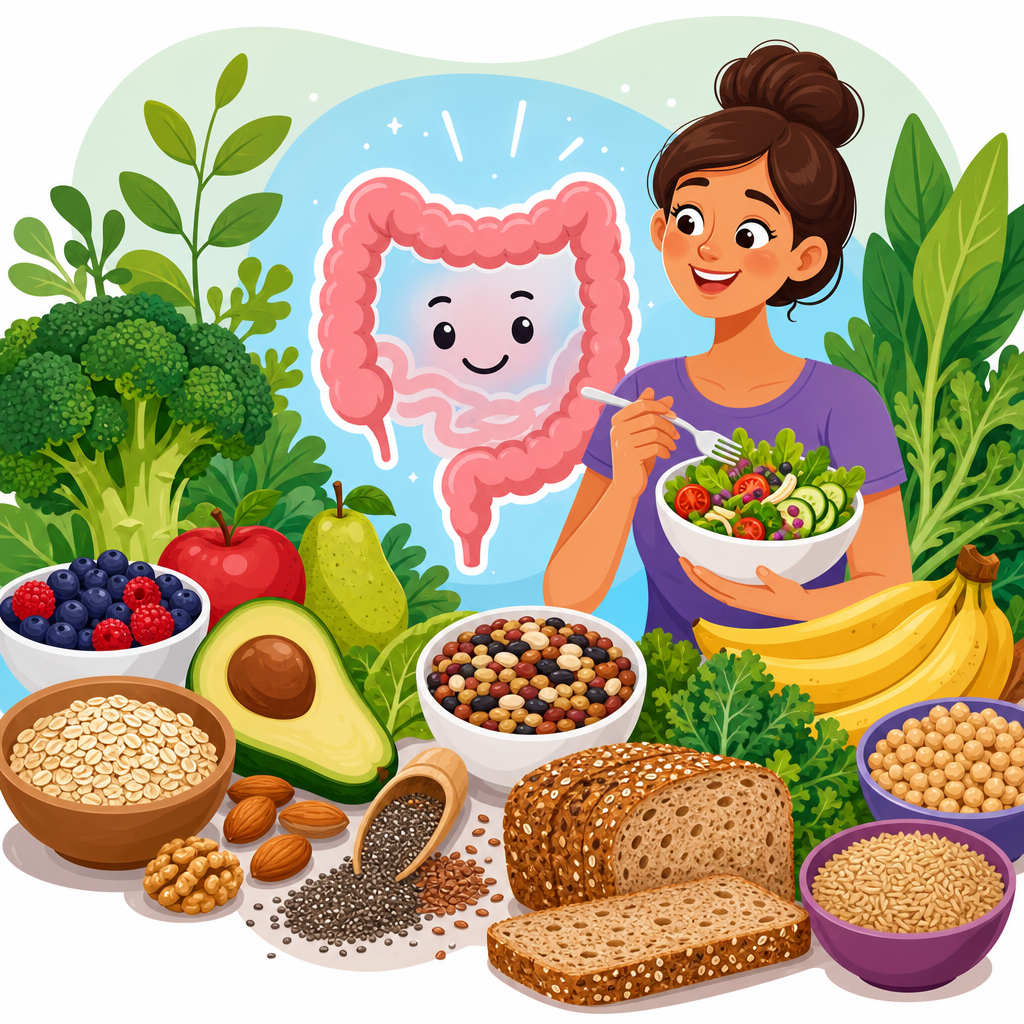
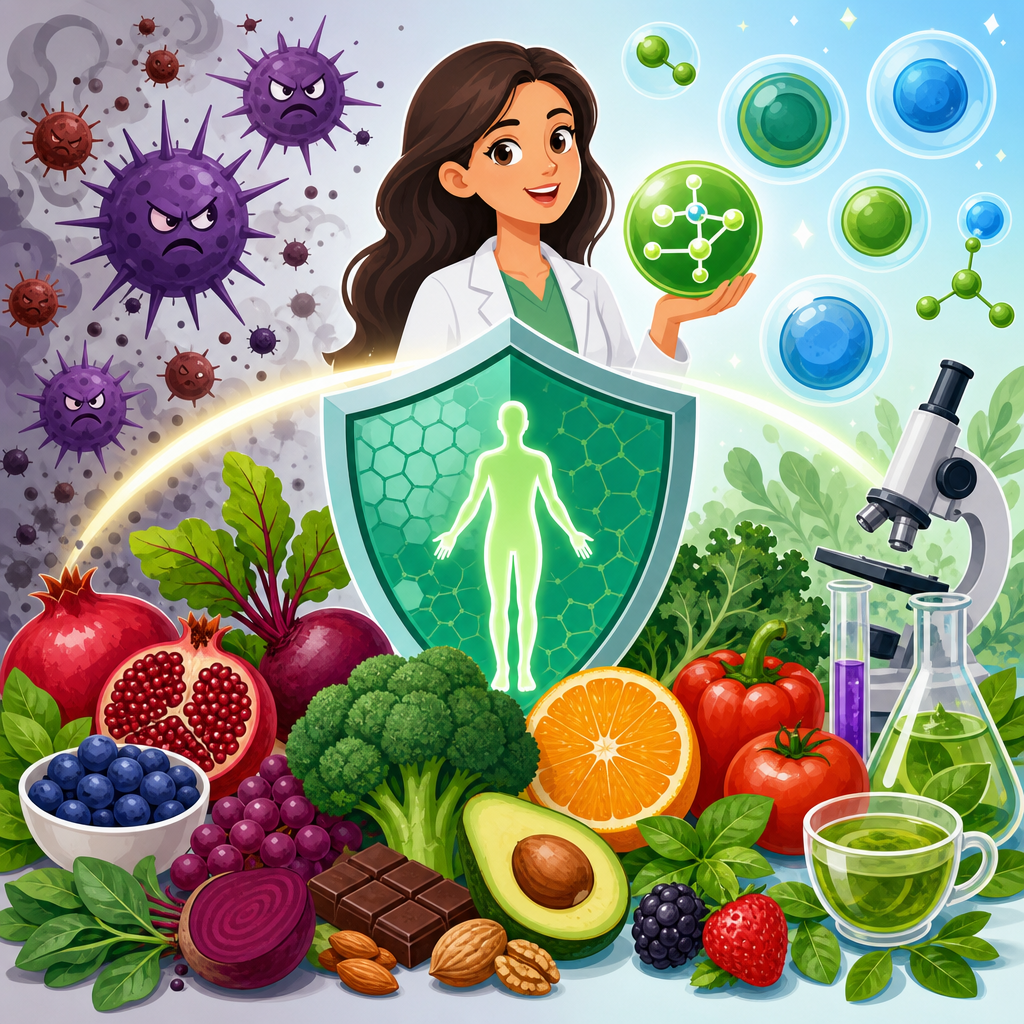
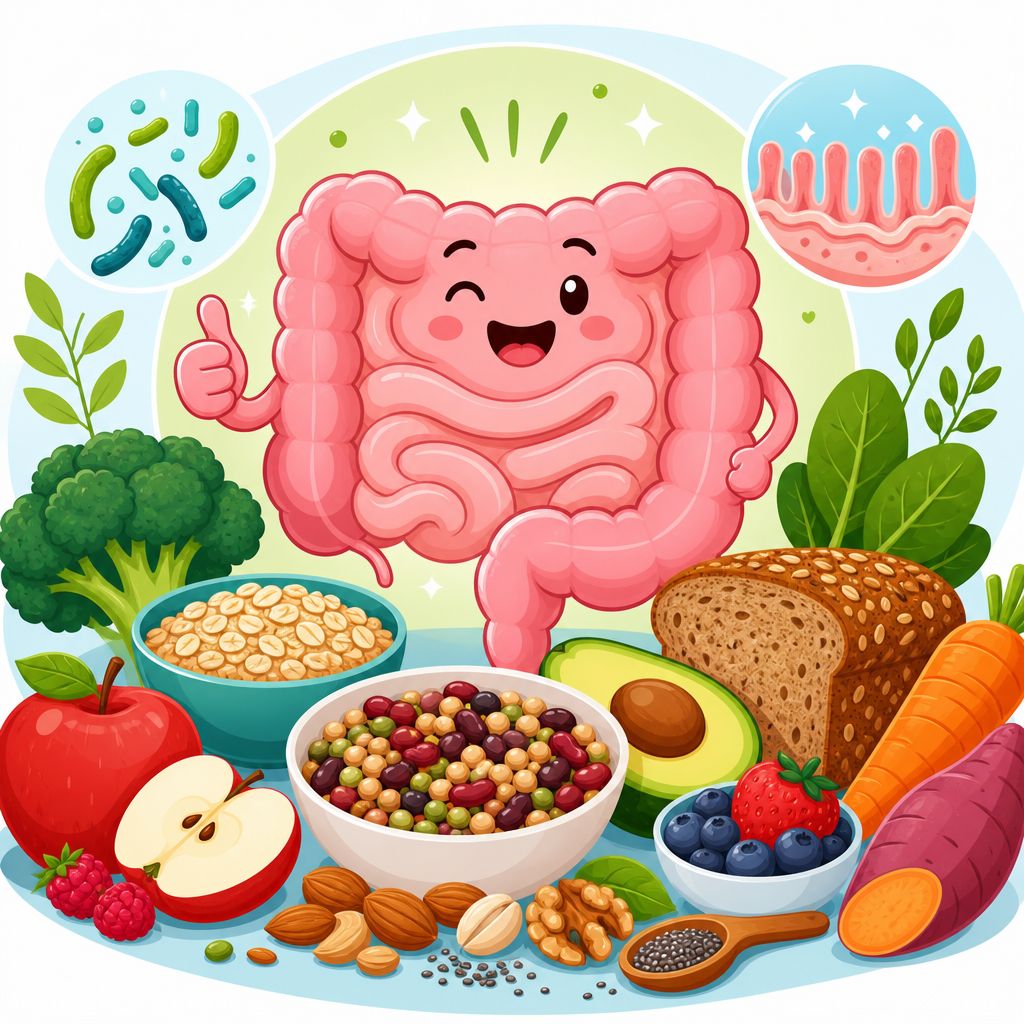
A balanced diet maximizes micronutrient intake, ensuring every physiological function that requires these nutrients is supported effectively. It is noteworthy that whole foods should be a top priority as they offer a wide spectrum of essential vitamins and minerals in their natural forms, including other beneficial compounds like fiber, that synergistically promote health. Vegetables, often termed nutritional powerhouses, supply hefty doses of essential vitamins and minerals. Dark leafy greens, such as spinach and kale, are abundant in vitamins A, C, and K and house important minerals like iron and calcium. Red, orange, and yellow vegetables, including bell peppers, carrots, and sweet potatoes, contribute essential vitamins and minerals, alongside antioxidants that counter oxidative stress.
Fruits, a staple in a balanced diet, provide a wide array of vitamins, especially vitamin C and a diverse range of B vitamins. Citrus fruits, berries, bananas, and avocados ought to find regular placement in one’s diet to enhance vitamin intake and help prevent deficiencies. For minerals, especially macro minerals like calcium, dairy products such as milk, cheese, and yogurt are renowned for their richness in calcium, alongside vitamin D, an essential duo for bone health. Seafoods like salmon provide significant vitamin D and omega-3 fatty acids, essential for heart health, while nuts and seeds like almonds offer commendable levels of magnesium and vitamin E.
Proteins—beans, legumes, lean meats, and fish—offer an impressive balance of vitamins and minerals while delivering essential amino acids required for muscle repair and growth. To ensure comprehensive coverage of micronutrient needs, consuming a broad spectrum of these nutritious foods crisps the fine line between optimal health and nutrient deficiency.
Conclusion
In compelling synergy, vitamins and minerals operate behind the scenes of human physiology, warding off illnesses, treading the fine balance of essential processes, while each discreetly impacting health in myriad ways. Their role is instrumental in prevention strategies, warding off nutrient-deficiency diseases and fortifying the body against chronic conditions that are a hallmark of modern lifestyles. The significance of these micronutrients in maintaining a balanced diet underscores the necessity of dietary variety and nutritional awareness to match the body’s evolving needs.
Educating self and community on the importance of these nutrients, and promoting a food-first approach, remains critical. It is essential to recognize that a lack of these much-needed nutrients can stealthily disrupt health and set precedence for disease proliferation. Thus, prioritizing their inclusion in a balanced diet is not merely advisable but essential. Opting for foods rich in vitamins and minerals, while being mindful of proper dietary guidelines, creates a solid foundation for all aspects of health to thrive. Therefore, ensure an enriching and nutritious intake, and witness the remarkable impact of micronutrients on health and longevity. Closing the circle between diet and wellness feeds a reciprocal cycle of nourishment and vitality, echoing the eternal truth: micronutrients, though minute, hold magnificent power in shaping health outcomes.
Frequently Asked Questions
1. What are micronutrients and why are they important in our diet?
Micronutrients are vitamins and minerals that our bodies require in small quantities, but they are no less essential than macronutrients like carbohydrates, proteins, and fats. Although they don’t provide energy, they are crucial in supporting a wide range of bodily functions. For instance, they help in the production of enzymes and hormones, bolster our immune system, and are vital for the maintenance of healthy bones and the healing of wounds. Without adequate micronutrient intake, our bodily functions can become impaired, potentially leading to deficiencies and associated health issues.
2. How do vitamins and minerals differ, and what roles do they play individually?
Vitamins and minerals are both micronutrients, but they have distinct characteristics and roles. Vitamins are organic compounds that are essential for conducting a variety of physiological processes. For instance, vitamin A promotes eye health, vitamin C aids in collagen production and immune support, and vitamin D is pivotal in calcium absorption for bone health. On the other hand, minerals are inorganic and contribute to the structural and functional makeup of cells. Key minerals like calcium and phosphorus are integral components of healthy bones and teeth, while iron is crucial for the transport of oxygen in the blood. Each vitamin and mineral plays a unique role in our body, and a balanced intake is necessary to maintain overall health and wellbeing.
3. Can I get enough micronutrients through supplements, or should I rely on a balanced diet?
While supplements can be beneficial in certain situations, such as during pregnancy or when addressing specific deficiencies, the best way to obtain micronutrients is through a varied and balanced diet. Whole foods not only provide vitamins and minerals but also offer fiber, antioxidants, and other bioactive compounds that are not available in supplements. Foods like fruits, vegetables, whole grains, lean proteins, and dairy products are rich in micronutrients and contribute to better absorption and utilization in the body compared to synthetic forms. Therefore, relying primarily on a balanced diet rather than supplements will typically promote optimal health and nutrient intake.
4. What are some common signs that I might be deficient in certain micronutrients?
Micronutrient deficiencies can manifest in various subtle and not-so-subtle ways. For instance, if you’re experiencing fatigue, you might be low on iron or vitamin B12. Frequent colds or infections could suggest a lack of vitamin C or zinc. Brittle hair and nails may indicate a deficiency in biotin. Additionally, bleeding gums may be a sign of inadequate vitamin C, and night blindness might point to a vitamin A deficiency. Listening to your body’s signals and consulting with healthcare professionals for proper testing and diagnosis is essential if you suspect a micronutrient deficiency.
5. Are certain populations more at risk of micronutrient deficiencies, and how can they be addressed?
Yes, certain populations are more prone to micronutrient deficiencies due to varying dietary needs, lifestyle factors, or life stages. For instance, pregnant and breastfeeding women require more nutrients to support infant development. Children and adolescents in growth stages need ample vitamins and minerals for healthy growth and development. The elderly might face challenges in nutrient absorption, increasing their deficiency risk. Additionally, people with dietary restrictions, like vegans or individuals with food allergies, should monitor their nutrient intake closely. Addressing these risks often involves dietary adjustments, fortified foods, and when necessary, supplements, under professional guidance to ensure all nutrient needs are met effectively.