Calories have become a hallmark of our nutritional discussions, often dominating conversations around dieting, weight management, and general health. Yet, how much do most people genuinely understand about calories and their role in energy balance? This guide aims to demystify the complex topic of calories, shedding light on their fundamental role in our bodies and how they influence our health and lifestyle choices. Through a deep dive into concepts such as caloric intake, expenditure, and the body’s energy requirements, we will explore everything you need to know to make informed decisions about your nutritional habits.
To appreciate calories’ significance, one must first recognize that calories are simply a measure of energy. They are not inherently negative or positive, but rather a unit of energy transfer. Our bodies, much like machines, require fuel to function optimally, whether during mundane tasks or intense physical activities. Present throughout various food sources, calories provide this essential energy which is critical for cellular function, growth, and overall vitality. However, the key to health lies in understanding and maintaining an energy balance – the concept of balancing the calories we consume with the calories we expend. If these basics pique your interest, get ready for an in-depth exploration that goes beyond the basic calorie counting model to look at other vital components that affect your well-being and energy management.
As you navigate through this guide, you’ll discover how to tailor these concepts to your personal health goals, whether for weight management or enhancing your daily energy levels. Too often, people equate calories solely with weight gain, forgetting their indispensable role in sustaining life and optimal health. By the time you reach the conclusion, you should feel empowered to view calories from a new perspective, recognizing their importance beyond the nutritional labels and traditional myths associated with dieting. With a good grasp of these fundamentals, you’ll be better equipped to make the right dietary choices in tandem with your fitness and health objectives, completing your path to an energy-balanced lifestyle.
Calories and How They Work
A calorie is a unit of energy, commonly used to quantify the amount of energy provided by food and drinks. This energy fuels every function of our body—from the internal processes like maintaining a heartbeat to external activities such as walking or running. Calorically, foods differ, with fats offering approximately nine calories per gram, while carbohydrates and proteins both provide about four calories per gram. Understanding these differences is key to managing the energy that your body takes in.
The concept of calories is closely tied to metabolism, the process through which our bodies convert food into energy. Basal metabolic rate (BMR) accounts for most of our daily calorie expenditure and refers to the energy required to maintain essential physiological functions at rest. Above this, there are additional energy expenditures influenced by physical activities and the thermic effect of food, the energy your body uses to digest, absorb, and metabolize nutrients. Each individual’s metabolism is influenced by factors like age, sex, muscle mass, and genetics, further complicating the simplistic notion of calorie counting.
Proper comprehension of caloric energy and metabolism provides a solid foundation for better monitoring and managing your body’s energy needs. Whether attempting to lose, maintain, or gain weight, balancing caloric intake with your energy expenditure remains integral. Excess calories consumed lead to storage of energy reserves, often in the form of body fat. Conversely, a calorie deficit prompts the usage of these reserves for energy. This dynamic highlights the importance of calories in achieving specific health objectives.
The Importance of Energy Balance
Energy balance refers to the relationship between the calories consumed through food and drink and the calories burned through physical activity and metabolic processes. A stable, healthy weight is usually associated with achieving an equilibrium between calorie intake and expenditure. Maintaining this balance over time can contribute significantly to long-term health, preventing both undernutrition and overnutrition.
A caloric surplus, where intake exceeds expenditure, can lead to weight gain. It may promote muscle growth and energy storage when combined with strength training, which is beneficial for individuals looking to build muscle mass. Conversely, a caloric deficit, where expenditure supersedes intake, results in weight loss, and can be a tool for reducing body fat when applied sincerely and consistently.
Achieving energy balance doesn’t necessarily mean adhering to a rigid diet or exhaustive exercise routines. It’s about making informed decisions that align with your personal goals, lifestyle, and preferences. Monitoring food consumption, acknowledging portion sizes, understanding nutrient quality, and staying active all play significant roles in maintaining an energy-balanced approach to life, thereby supporting not just weight goals but overall physical and mental health.
Factors Influencing Energy Balance
Several factors can influence your overall energy balance, affecting how calories are consumed and expended. Age and sex are primary determinants, as metabolic efficiency often declines with age, and men generally have a higher muscle mass leading to different caloric needs than women. Muscle mass, being metabolically active, requires more calories to sustain, meaning individuals with greater muscle typically have higher caloric needs even at rest.
Beyond these, lifestyle choices, activity levels, and personal health conditions substantially impact energy expenditure. Sedentary lifestyles can lead to lower energy requirements, while those who engage in regular physical activity may experience greater caloric needs. Health conditions, such as hyperthyroidism or hypothyroidism, can also skew energy balance by affecting the metabolic rate.
Understanding these factors is crucial for striking a harmonious energy balance. While individual needs vary widely, approaching this holistically by considering all external and internal determinants can empower you to tailor energy strategies that best suit your unique circumstances.
The Role of Diet in Energy Management
When it comes to managing energy balance, not all calories are created equal. The quality of the calories consumed is as essential as the quantity. Diets that emphasize whole, nutrient-dense foods provide essential vitamins, minerals, and macronutrients aside from mere caloric content. While tracking calorie intake through nutrition facts and diet loggers can help maintain balance, focusing predominantly on nutrient variety and quality is more sustainable.
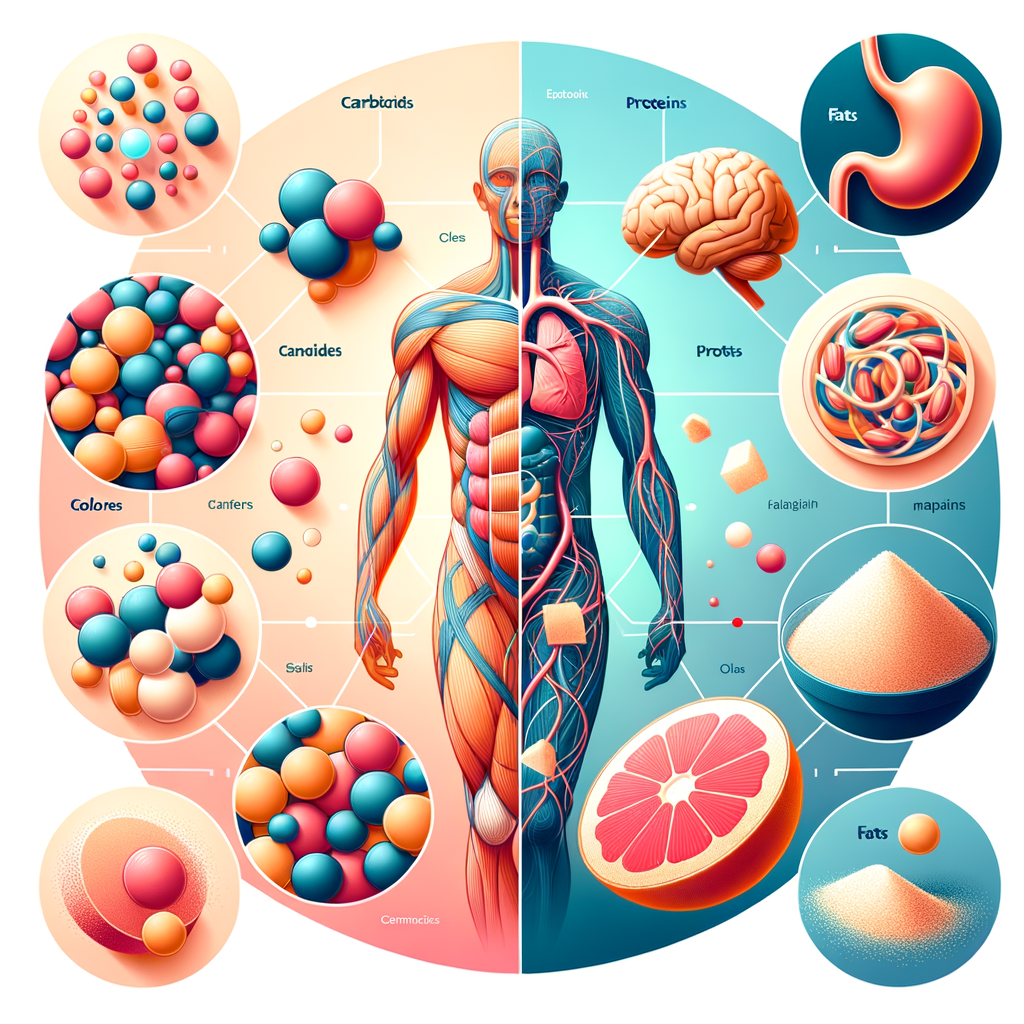
Macronutrients, such as proteins, carbohydrates, and fats, play distinct roles in energy balance. Proteins contribute significantly to muscle repair and growth, while carbohydrates serve as a primary energy source for the body. Fats, although more calorie-dense, aid in vitamin absorption and hormone regulation. A balanced intake of macronutrients ensures that the body receives holistic nutrition, supporting metabolism and contributing to energy efficiency.
Moreover, staying hydrated is an often-overlooked but crucial component of effective diet management. Water plays a key role in metabolic processes, and adequate hydration can aid in maintaining energy levels and optimizing bodily functions. Thus, a comprehensive diet plan considers not just calorie quantity but food quality, hydration, and macronutrient balance, providing the body with the requisite materials for efficient energy use.
Physical Activity and Its Impact on Energy Balance
Physical activity serves as a vital lynchpin in the energy balance equation, directly influencing calorie expenditure. Regular exercise increases the number of calories burned over a period, promoting weight management or enhanced physical fitness. The type, intensity, duration, and frequency of physical activity directly affect caloric burn, thus playing a substantial role in achieving an energy surplus or deficit.
Different types of exercise offer varied caloric impacts. Aerobic exercises like running, cycling, or swimming primarily enhance cardiovascular fitness and calorie expenditure. On the other hand, strength training builds muscle mass, increasing resting metabolic rates and aiding long-term metabolism. Active lifestyles generate efficiencies in energy use, often leading to improved health outcomes, better weight regulation, and higher energy levels.
Adapting an exercise program that aligns with personal interests and fitness levels is crucial for sustainability. As part of a rounded approach to energy balance, regular physical activity complements dietary efforts, supporting holistic health enhancement and fortifying both physical and mental well-being.
Conclusion
Understanding calories and energy balance is pivotal to navigating modern health challenges and optimizing personal well-being. With knowledge of how calories fuel the body, you gain insight into the intricate processes governing metabolism and energy use. Through careful consideration of caloric intake, energy expenditure, and the factors influencing these dynamics, you can cultivate a lifestyle centered around balance and purposeful living.
This guide equips you with the foundational knowledge to meet your health and fitness goals with success and sustainability. By focusing on nutrient quality, embracing active living, and personalizing dietary and exercise patterns, you become adept at managing energy balance effectively. Rather than merely counting calories, this approach promotes lifelong wellness by integrating informed choices that align with personal values and aspirations.
Ultimately, cultivating energy balance brings more than weight management; it fosters resilience, vigor, and holistic health. As you take this knowledge into your daily life, remember that energy balance is dynamic and adaptable, encouraging a flexible and conscientious approach to health. You possess the power to drive positive change, enriching your body and life one calorie at a time, embracing the journey towards a vibrant and balanced existence.
Frequently Asked Questions
1. What exactly are calories and why do they matter?
Calories are units of energy that measure how much energy food provides once consumed and metabolized by our bodies. They’re a critical part of our nutritional vocabulary because they represent the energy value food has for our bodies. A calorie itself is a technical term that designates the amount of energy needed to raise the temperature of 1 kilogram of water by 1 degree Celsius. This might seem like a trivial piece of information, but it’s foundational to understanding why calories are so crucial in the realm of nutrition.
In practical terms, calories are essential because they drive every activity in our bodies, from basic physiological functions like breathing and circulating blood to physical actions like walking, lifting, and running. If you’ve ever wondered why your dietitian or healthcare provider is so insistent on managing caloric intake, it’s because maintaining the right balance of calories consumed versus calories expended is pivotal to achieving healthy body weight and sustaining energy balance.
2. How does caloric intake relate to weight gain or loss?
Weight gain or loss fundamentally revolves around the concept of caloric balance, which is the relationship between the number of calories consumed through eating and drinking, and the number that our bodies use up through activities and bodily functions. When you consume more calories than your body uses, the excess is stored as body fat, leading to weight gain. On the other side of the spectrum, if you burn more calories than you ingest, your body needs to tap into fat reserves for energy, resulting in weight loss.
Think of your body as a bank account: calories are like money you deposit. If you’re consistently putting in more than you’re spending, your savings (or body fat) grows. When you withdraw more than you deposit, you shrink your savings. This analogy oversimplifies some of the complexities involved—like types of calories and individual metabolic differences—but it’s a helpful way to understand the basic principle of energy balance and its critical role in weight management.
3. What is energy balance and how does it affect my health?
Energy balance is essentially the equilibrium between the calories you take in from food and drink and the calories you expend through physical activity and basic physiological processes. Achieving this balance is integral to maintaining a healthy weight over the long term. Think of energy balance as a seesaw: when balanced, it’s in equilibrium and ideally maintaining a neutral position.
For good health, sustaining an energy balance means consuming a diet that provides sufficient nutrients without surplus calories. If your energy expenditures exceed calorie intake persistently, you’ll enter an energy deficit, leading to weight loss. Conversely, if you consistently consume more than you expend, you’ll find yourself in an energy surplus, often resulting in weight gain. Being aware of energy balance allows you to tailor your diet and activities to match your health goals, whether it be for weight loss, weight maintenance, or weight gain.
4. How do different activities affect caloric expenditure?
The number of calories you burn during activities varies significantly based on the type, duration, and intensity of the activity, as well as personal factors such as weight and metabolism. Generally, the more intense the activity, the more calories are burned. An individual who jogs, for instance, expends more calories than someone walking the same distance because running requires a higher intensity and energy output.
To provide some perspective, moderate activities like gardening or a leisurely bike ride might burn around 200-300 calories per hour, while high-intensity activities like competitive sports or rowing could use up to 600-800 calories per hour. Your total daily energy expenditure is the sum of basal metabolic rate (calories burned at rest), thermic effect of food (calories used to digest food), and physical activity level—suggesting that increasing your activity level can substantially influence caloric output and overall energy balance.
5. Can I lose weight just by counting calories?
Counting calories can be an effective tool for weight loss, as it helps you become more aware of food consumption and steer your diet towards a calorie deficit if that’s your goal. However, it’s crucial to remember that not all calories are equal when it comes to the nutritional value and impact on your health. Focusing solely on calorie minimization might lead to a lack of essential nutrients, which could impair bodily functions and overall health.
Instead of only counting calories, it’s beneficial to focus on the quality of those calories, choosing nutrient-dense foods that provide essential vitamins, minerals, and other beneficial compounds. Balancing calorie counting with nutrition ensures you’ll meet your body’s needs while working towards your weight goals. Integrating healthy eating patterns with physical activity advice can facilitate more sustainable weight management and promote overall health, beyond just numbers and scales.