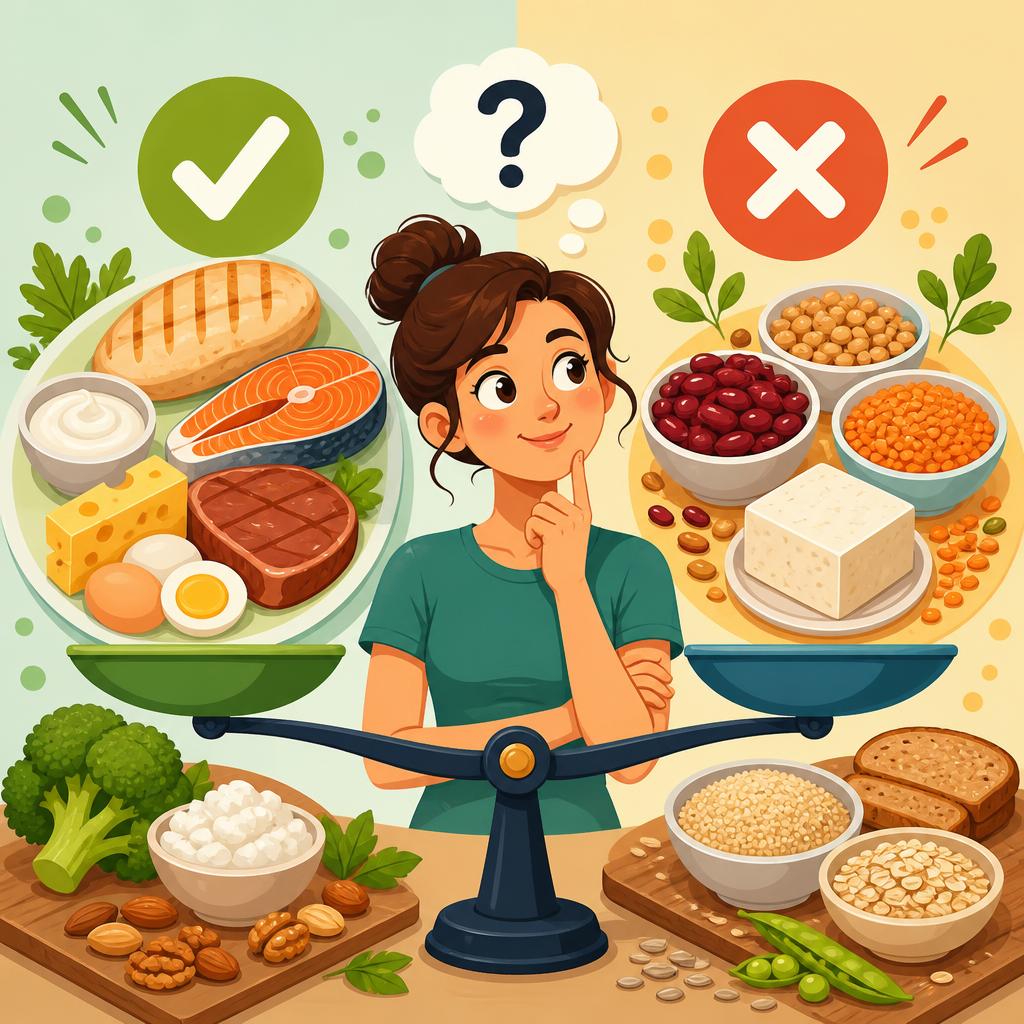

Understanding saturated vs. unsaturated fat starts with a broader point: fat is one of the three essential macronutrients, alongside carbohydrates and protein, and each plays a distinct role in human health. Carbohydrates are the body’s most efficient source of readily available energy, especially for the brain and high-intensity activity. Protein provides amino acids needed to build and repair tissues, make enzymes, support immune function, and preserve lean mass. Fat supplies concentrated energy, helps absorb fat-soluble vitamins A, D, E, and K, forms cell membranes, and contributes to hormone production, insulation, and satiety. When people ask whether fat is “good” or “bad,” the accurate answer is that type, dose, and food source matter more than the single word fat.
In nutrition practice, I have seen more progress from practical food swaps than from rigid restriction. Most people do not need to eliminate entire macronutrients; they need a clearer understanding of quality, balance, and context. Saturated fat is typically solid at room temperature and found in foods such as butter, cheese, fatty cuts of red meat, coconut oil, and many pastries. Unsaturated fat is usually liquid at room temperature and includes monounsaturated and polyunsaturated fats found in olive oil, nuts, seeds, avocados, and fish. This distinction matters because replacing a meaningful portion of saturated fat with unsaturated fat is consistently linked with better cardiovascular outcomes. The change is not cosmetic. It can alter LDL cholesterol, diet quality, and long-term disease risk.
This article serves as a hub for the macronutrients topic by connecting fats to the bigger picture of carbohydrates and proteins. You will see how fat quality affects heart health, how different macronutrients work together in meals, which foods are worth swapping, and where nuance matters. If you want a simple takeaway up front, here it is: keep all three macronutrients in your diet, but shift your fat intake toward unsaturated sources while choosing carbohydrates and proteins in minimally processed forms.
Macronutrients basics: where fats fit with carbohydrates and protein
Macronutrients are nutrients the body needs in relatively large amounts because they provide energy or structural material. Carbohydrates supply four calories per gram, protein supplies four calories per gram, and fat supplies nine calories per gram. That higher energy density is one reason fat has long been misunderstood. In reality, fat is not inherently harmful; it is simply concentrated. A tablespoon of olive oil packs far more calories than a cup of berries, but it also provides fatty acids and bioactive compounds berries do not.
Carbohydrates range from minimally processed foods like oats, beans, fruit, potatoes, and brown rice to refined sources like sugary drinks, candy, and white pastries. Protein can come from poultry, fish, eggs, dairy, tofu, tempeh, beans, lentils, and lean meat. Fats appear in both whole foods and extracted oils. In meal planning, these macronutrients interact. For example, full-fat yogurt with berries and walnuts provides protein, carbohydrate, and mostly unsaturated fat in one bowl, increasing satiety more effectively than a sugary pastry alone.
One practical mistake I often see is treating macronutrients as isolated villains or heroes. A low-fat diet built on refined carbohydrates can worsen blood sugar control and leave people hungry. A high-fat diet heavy in butter, processed meat, and fast food can raise LDL cholesterol and crowd out fiber-rich foods. A high-protein pattern low in plant foods may miss potassium, magnesium, and beneficial phytochemicals. The strongest eating patterns, including Mediterranean-style diets, succeed because they balance all three macronutrients while emphasizing food quality.
Saturated vs. unsaturated fat: what the terms mean and why they matter
The difference between saturated and unsaturated fat is chemical structure. Saturated fatty acids have no double bonds between carbon atoms, which makes them more stable and often solid at room temperature. Unsaturated fatty acids contain one or more double bonds. Monounsaturated fats have one double bond; polyunsaturated fats have multiple. These structural differences affect how fats behave in the body and in cooking.
From a health perspective, the most important fact is this: replacing saturated fat with unsaturated fat, especially polyunsaturated fat, generally lowers LDL cholesterol, a major causal risk factor for atherosclerotic cardiovascular disease. Organizations such as the American Heart Association and the Dietary Guidelines for Americans recommend limiting saturated fat to less than 10% of daily calories for most adults. For someone eating 2,000 calories per day, that means less than 20 grams of saturated fat.
Not all saturated-fat-containing foods act identically, and the total dietary pattern still matters. Cheese, yogurt, dark chocolate, and unprocessed red meat differ in sodium, calcium, fermentation, calorie density, and processing. Even so, population-level guidance remains clear because most excess saturated fat comes bundled with processed foods, high sodium, and refined starches. Unsaturated fats, by contrast, tend to come from foods associated with better cardiometabolic health, including nuts, seeds, olive oil, and seafood. The question is not whether you must ban every source of saturated fat. The useful question is what you can replace it with most days.
Best food swaps: how to replace saturated fat with unsaturated fat
The most effective nutrition changes are specific enough to repeat. Swapping butter for extra-virgin olive oil in cooking is a classic example because it changes the fatty acid profile without making meals complicated. Replacing fatty processed meats like sausage or salami with salmon, sardines, grilled chicken, tofu, or beans changes both fat quality and overall nutrient density. Choosing nuts or hummus instead of chips or cheese-heavy snack foods can reduce saturated fat while adding fiber, magnesium, and plant compounds.
Breakfast offers easy wins. Use avocado or nut butter on whole-grain toast instead of butter. Choose oatmeal with chia seeds and walnuts instead of pastries made with shortening or palm oil. At lunch, build salads with olive oil vinaigrette instead of creamy dressings based on mayo and sour cream. At dinner, swap a marbled ribeye for baked trout, lentil pasta with olive oil, or skinless chicken thighs cooked with olives and vegetables. Even desserts can shift: Greek yogurt with berries and pistachios often satisfies the same craving that drives ice cream or bakery purchases.
| Common choice | Better swap | Why it helps |
|---|---|---|
| Butter on toast | Avocado or almond butter | More unsaturated fat, plus fiber or vitamin E |
| Sausage breakfast sandwich | Egg and hummus wrap | Less saturated fat, more fiber, still protein-rich |
| Creamy salad dressing | Olive oil and vinegar | Improves fat quality with minimal effort |
| Potato chips | Roasted nuts or edamame | More protein, minerals, and healthier fats |
| Ribeye steak | Salmon or tofu stir-fry | Shifts toward unsaturated fat and often lowers LDL impact |
| Ice cream nightly | Greek yogurt with berries | Cuts saturated fat while adding protein |
When evaluating swaps, avoid replacing saturated fat with highly refined carbohydrates. Trading buttered toast for jam-filled white bread is not a meaningful upgrade. The beneficial pattern is replacing saturated fat with unsaturated fat and whole-food carbohydrates, not with sugar and starch.
How carbs, protein, and fat work together in real meals
People rarely eat pure macronutrients. They eat meals, and meals perform best when they combine the three in sensible proportions. Carbohydrates provide fast and stored energy through blood glucose and muscle glycogen. Protein slows gastric emptying, supports recovery, and improves satiety. Fat enhances flavor, absorption of fat-soluble vitamins, and meal satisfaction. The art of nutrition is not selecting one macronutrient over the others; it is building combinations that match health goals and daily activity.
A balanced breakfast might be plain Greek yogurt, berries, oats, and walnuts. That includes protein from yogurt, carbohydrates from fruit and oats, and unsaturated fat from walnuts. A balanced lunch could be a grain bowl with quinoa, chickpeas, grilled vegetables, olive oil, and tahini. A balanced dinner might be baked salmon, roasted potatoes, and broccoli drizzled with olive oil. In each example, the fat source supports, rather than dominates, the meal.
This balance also improves adherence. People stay with an eating pattern when meals taste good and keep them full. Unsaturated fats are especially useful here because they make vegetables, legumes, and grains more satisfying. A lentil salad with olive oil, herbs, and feta is usually easier to sustain than plain lentils and raw greens. Good nutrition is not only biochemical; it is behavioral.
Reading labels, cooking smart, and knowing the limits
To make food swaps that matter, learn where saturated fat hides. Nutrition labels list saturated fat in grams per serving, and ingredient lists reveal common sources such as butter, cream, palm oil, coconut oil, shortening, and high-fat cheese. Restaurant meals can be harder because oils, sauces, and portion sizes are often unclear. In practice, dishes described as creamy, crispy, loaded, buttery, or smothered usually carry more saturated fat and total calories than grilled, roasted, steamed, or vinaigrette-based options.
Cooking method matters too. Extra-virgin olive oil is excellent for sautéing, roasting, and dressings. Canola oil, peanut oil, and avocado oil are also useful depending on flavor and heat needs. Nuts and seeds can replace some cheese in salads, pasta, and grain bowls. Beans can replace part of the ground beef in tacos or chili without sacrificing texture. Canned salmon or sardines make fast, affordable alternatives to deli meats. These are the swaps I use repeatedly because they save time as well as improve diet quality.
There are limits and exceptions worth acknowledging. Some people tolerate higher-fat eating patterns well, but lipid response varies, and LDL cholesterol should not be ignored. Athletes may need more total carbohydrate than sedentary adults. People with kidney disease may need individualized protein guidance. Weight loss still depends on sustained energy balance, so unlimited portions of olive oil or nuts are not harmless. The goal is not perfection. It is a repeatable pattern that improves fat quality while keeping the full macronutrient picture in view.
Conclusion: small fat swaps can improve the whole diet
Saturated vs. unsaturated fat is not a narrow debate about one nutrient. It is a practical entry point into understanding macronutrients as a whole. Carbohydrates fuel the body, protein builds and repairs it, and fat supports absorption, structure, hormones, and satisfaction. Within that fat category, unsaturated sources such as olive oil, nuts, seeds, avocado, and fish consistently offer an advantage when they replace foods high in saturated fat.
The biggest improvements usually come from ordinary routines: olive oil instead of butter, beans or fish instead of processed meat, nuts instead of chips, yogurt instead of ice cream, vinaigrette instead of creamy dressing. These choices do not require a perfect diet, and they work best when paired with high-quality carbohydrates and adequate protein. That is why food swaps matter. They change the nutritional pattern you repeat every day.
If you are building a stronger foundation in nutrition basics, start with one meal you eat often and make one smart substitution this week. Then repeat it until it becomes your default.
Frequently Asked Questions
What is the difference between saturated and unsaturated fat?
Saturated and unsaturated fats differ mainly in their chemical structure, and that difference affects how they behave in foods and in the body. Saturated fats have no double bonds in their fatty acid chains, which makes them more stable and usually solid at room temperature. Common sources include butter, cheese, cream, fatty cuts of beef and pork, sausage, bacon, and tropical oils like coconut and palm oil. Unsaturated fats, by contrast, contain one or more double bonds, which typically makes them liquid at room temperature. These fats are found in foods such as olive oil, avocados, nuts, seeds, and fatty fish like salmon, sardines, and trout.
From a health perspective, the distinction matters because replacing more saturated fat with unsaturated fat is associated with better heart health for many people. Unsaturated fats, especially monounsaturated and polyunsaturated fats, can help support healthier cholesterol levels when they take the place of saturated fat in the diet. That does not mean all saturated fat is “toxic” or that every unsaturated fat source is automatically beneficial in any amount. The bigger picture still matters: overall dietary pattern, food quality, portion size, and how foods are prepared all influence health outcomes. A practical takeaway is to think less in terms of “fat is good” or “fat is bad” and more in terms of choosing more fats from minimally processed plant foods and seafood, while being more selective with heavily processed and high-saturated-fat choices.
Why does swapping saturated fat for unsaturated fat matter for heart health?
Food swaps matter because health effects depend not just on what you reduce, but also on what replaces it. When saturated fat is replaced with unsaturated fat, particularly polyunsaturated fats from foods like nuts, seeds, vegetable oils, and fish, that shift can help improve LDL cholesterol levels, which is one of the major risk factors for cardiovascular disease. In simple terms, this means the type of fat you choose can influence the way fats circulate in your bloodstream and, over time, affect artery health.
It is important to note that replacing saturated fat with refined carbohydrates or highly processed foods is not the same thing as replacing it with unsaturated fat. For example, swapping butter for olive oil is generally a more helpful change than swapping butter for a sugary pastry or white bread. The most beneficial changes usually come from replacing foods like processed meats, heavy cream sauces, and high-fat snack foods with options such as olive oil-based dressings, avocado, hummus, nut butters, seeds, and fish. These swaps often improve nutrient quality too, since foods rich in unsaturated fat frequently provide fiber, vitamins, minerals, antioxidants, or omega-3 fats in addition to energy.
What are the best everyday food swaps to reduce saturated fat without feeling deprived?
The most effective swaps are usually the ones that fit naturally into meals you already enjoy. Instead of cooking eggs or vegetables in butter, use olive or avocado oil. Replace some or all of the cheese in sandwiches and salads with avocado, hummus, or a smaller amount of a strongly flavored cheese so you still get satisfaction with less saturated fat. Choose peanut butter, almond butter, or tahini in place of cream cheese or butter on toast. When making salads, use olive oil and vinegar-based dressings instead of creamy dressings made with large amounts of sour cream or heavy mayo.
At meals, try fish, beans, lentils, tofu, or skinless poultry more often in place of fatty cuts of red meat or processed meats like sausage and pepperoni. If you eat ground meat, consider swapping part or all of it for leaner poultry, extra beans, or lentils in tacos, chili, pasta sauces, and casseroles. For snacks, trade chips made with cheese powders or buttery crackers for nuts, seeds, olives, or roasted chickpeas. In baking, some recipes allow you to replace part of the butter with oils, nut butters, or yogurt, depending on the texture you want. These changes can be modest, flexible, and realistic. You do not need a perfect diet to benefit; even a few consistent swaps each week can meaningfully improve the overall fat quality of your diet.
Are all unsaturated fats healthy, and should I eat as much of them as I want?
Unsaturated fats are generally considered the more heart-supportive choice, but that does not mean unlimited amounts are ideal. Fat is an essential macronutrient and plays important roles in energy storage, hormone production, cell structure, insulation, and absorption of fat-soluble vitamins such as A, D, E, and K. It is also calorie-dense, providing more than twice the calories per gram as carbohydrates or protein. That means portion awareness still matters, especially if your goals include weight management or improving overall diet quality.
It is also worth distinguishing between whole-food sources and highly processed products. Unsaturated fats from foods like nuts, seeds, olives, avocados, and fish come packaged with additional nutrients and tend to support a balanced eating pattern. On the other hand, a packaged snack can be technically high in unsaturated fat and still be low in fiber, high in sodium, and easy to overeat. The healthiest approach is to emphasize unsaturated fats from nutrient-dense foods and use oils thoughtfully in cooking and dressings. In other words, unsaturated fats are beneficial, but they work best as part of a diet built around vegetables, fruits, legumes, whole grains, quality proteins, and minimally processed foods.
How can I tell whether a packaged food is high in saturated fat or a better fat choice?
Reading the Nutrition Facts panel and ingredient list is the most reliable way to compare products. Start by checking the saturated fat line on the label and look at the amount per serving, while also paying attention to how realistic that serving size is for the way you actually eat. A food may appear moderate in saturated fat until you realize the package contains two or three servings. Then scan the ingredient list for major sources of saturated fat such as butter, cream, cheese, lard, palm oil, palm kernel oil, and coconut oil. These ingredients do not automatically make a product unhealthy, but they are useful clues when comparing similar items.
Next, look at the overall food context rather than relying on a single number. A better fat choice often includes ingredients like olive oil, canola oil, nuts, seeds, or avocado, and may also provide fiber and protein with less added sugar and sodium. For example, a nut-and-seed snack bar with modest saturated fat and some fiber is usually a stronger everyday option than a frosted pastry, even if both contain fat. The goal is not to obsess over every gram, but to build a routine where more of your packaged choices align with a heart-healthier pattern. When in doubt, choose foods with simpler ingredient lists and prioritize items that resemble their original food sources as closely as possible.