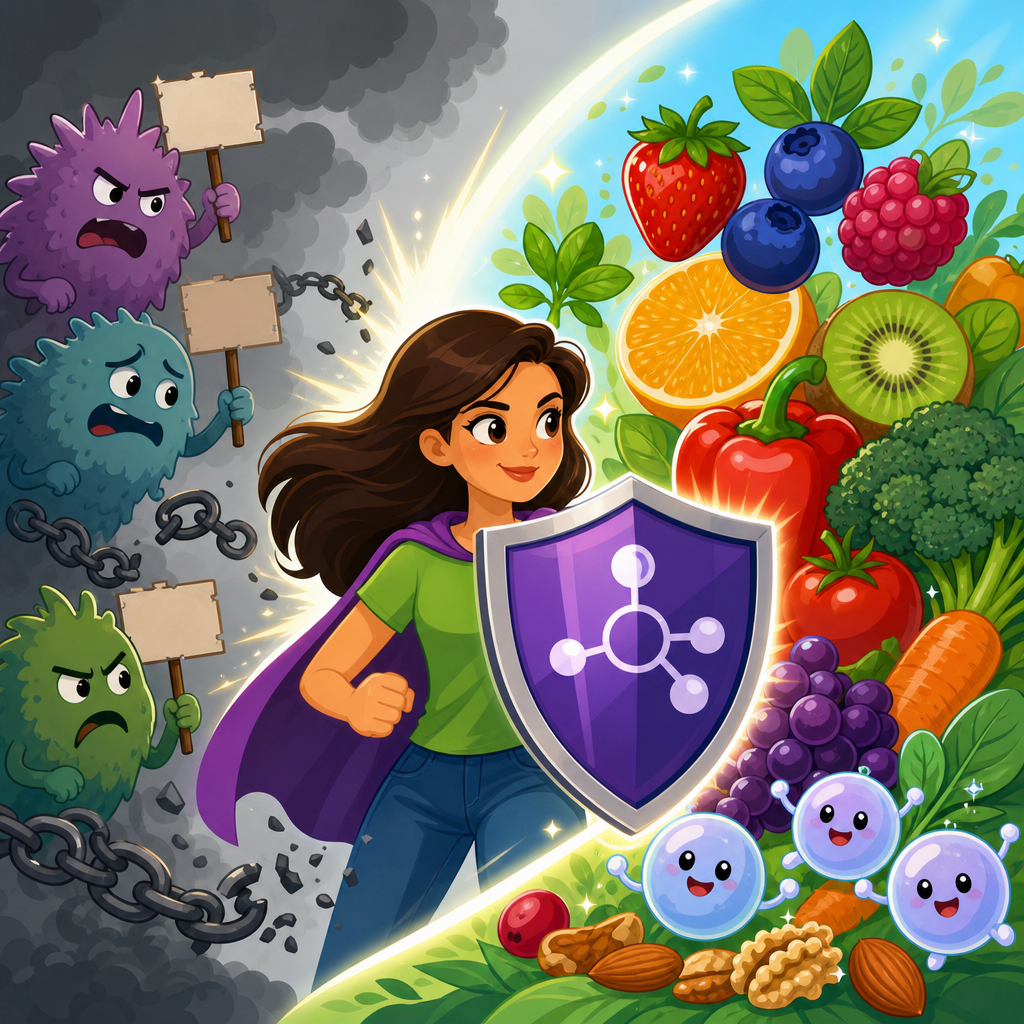
Antioxidants influence nearly every system in the body because they help manage oxidative stress, a process tied to aging, inflammation, immunity, exercise recovery, skin health, eye function, and long-term disease risk. In nutrition, antioxidants are compounds that can neutralize unstable molecules called free radicals before those molecules damage cells, proteins, lipids, or DNA. When I explain the importance of antioxidants to clients, I start with that simple fact: your body is constantly producing reactive molecules through normal metabolism, and your environment adds more through pollution, ultraviolet light, smoking, alcohol, and some highly processed dietary patterns. Well-being depends in part on how effectively you balance that burden.
Free radicals are not always harmful. They also play useful roles in cell signaling, immune defense, and adaptation to exercise. The problem arises when production outpaces your internal defenses. That imbalance is called oxidative stress. Endogenous antioxidant systems include enzymes such as superoxide dismutase, glutathione peroxidase, and catalase, along with compounds like glutathione and uric acid. Food contributes additional support through vitamin C, vitamin E, carotenoids, polyphenols, selenium, zinc, manganese, and sulfur-containing compounds found in many plants. Rather than acting as one magic shield, antioxidants work as a network, recycling one another and operating in different tissues and cellular compartments.
This matters because overall well-being is not limited to the absence of disease. It includes steady energy, physical resilience, cognitive clarity, healthy skin, better recovery from training, and protection of tissues over time. Diets rich in fruits, vegetables, legumes, nuts, seeds, herbs, spices, tea, coffee, and minimally processed plant foods consistently correlate with better health outcomes, and antioxidant density is one reason. Still, context matters. More is not always better, and isolated high-dose supplements can behave differently from antioxidants consumed in food. Understanding where antioxidants come from, how they work, and how to build an eating pattern around them helps you make practical choices that improve daily function and support long-term health.
As a hub within Nutrition Basics, this guide covers the essential ideas you need first: what antioxidants do, which foods provide them, how they affect major body systems, why whole foods usually outperform pills, and how to turn the science into habits you can sustain. If you have ever wondered whether berries are worth the hype, whether coffee counts, or whether antioxidant supplements are necessary, this page gives clear answers grounded in nutrition science and real-world dietary practice. Antioxidants are important not because they are trendy, but because they are one of the core ways food interacts with the biology of stress, repair, and protection.
What Antioxidants Do in the Body
Antioxidants protect the body by donating electrons to unstable reactive molecules without becoming dangerously unstable themselves. That action helps interrupt chain reactions that would otherwise damage cell membranes, LDL particles, mitochondrial structures, connective tissue, and genetic material. In plain terms, antioxidants limit wear and tear at the cellular level. Vitamin E, for example, is especially important in protecting polyunsaturated fats in cell membranes from lipid peroxidation. Vitamin C works in watery environments, helps regenerate vitamin E, and supports collagen synthesis. Carotenoids such as beta-carotene, lutein, and lycopene have specialized roles in tissues including the skin and eyes.
The body’s own defenses are just as important as dietary antioxidants. Superoxide dismutase converts superoxide radicals into less reactive compounds. Catalase and glutathione peroxidase then help break down hydrogen peroxide. These systems rely on adequate intake of nutrients such as selenium, copper, zinc, and manganese. This is why antioxidant nutrition is broader than a list of superfoods. It includes the proteins, minerals, and plant compounds that support the enzymes doing the daily protective work. In practice, people with a varied diet tend to have stronger antioxidant capacity than people focused on one isolated nutrient.
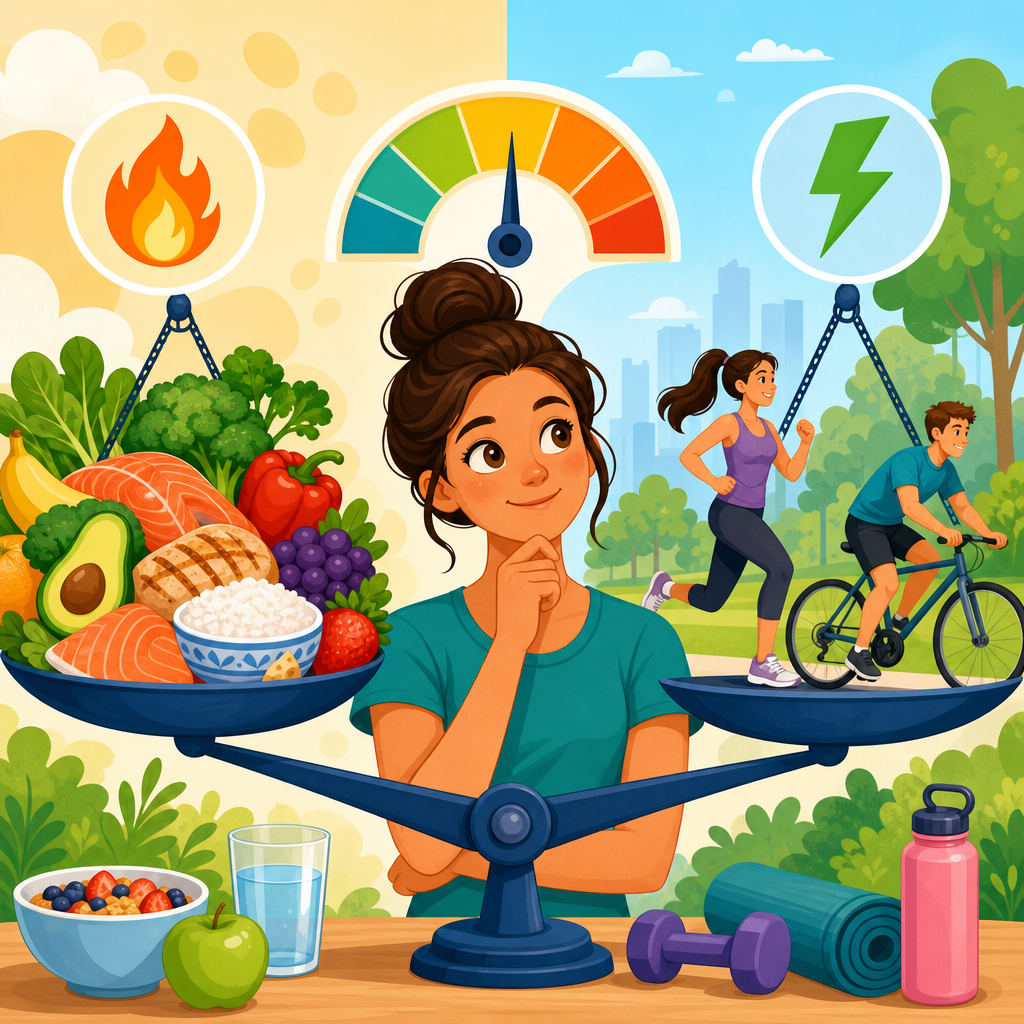
Oxidative stress has been linked with atherosclerosis, type 2 diabetes, neurodegenerative disease, cataracts, fatty liver disease, and chronic inflammatory states. That does not mean antioxidants alone prevent these conditions, but they are part of the mechanism connecting diet quality with health outcomes. I often see confusion here: an antioxidant-rich diet is not a shortcut that cancels out smoking, sleep loss, excess alcohol, or a sedentary lifestyle. It is one protective factor within a larger pattern. The biggest benefit comes when antioxidant intake is combined with fiber, adequate protein, regular movement, stress management, and enough sleep.
Major Dietary Sources of Antioxidants
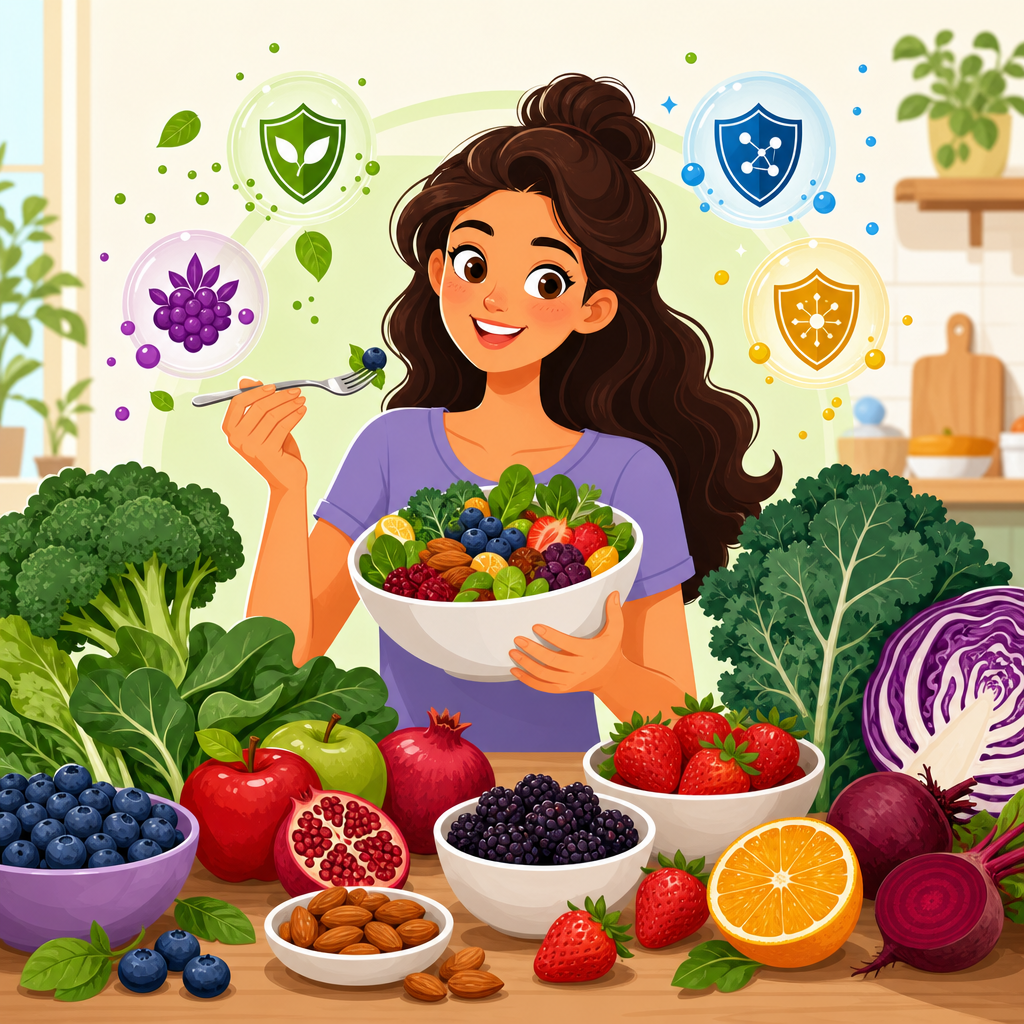
The best antioxidant foods are usually colorful, minimally processed, and eaten regularly rather than occasionally. Berries provide anthocyanins and vitamin C. Citrus fruits add flavanones and ascorbic acid. Tomatoes supply lycopene, especially when cooked with a little fat for absorption. Leafy greens and egg yolks provide lutein and zeaxanthin for eye health. Nuts and seeds contribute vitamin E, selenium, and phenolic compounds. Beans and lentils offer polyphenols along with fiber and minerals. Cocoa, green tea, black tea, coffee, extra virgin olive oil, turmeric, cinnamon, oregano, and cloves all contain bioactive compounds with antioxidant activity.
Preparation matters. Some antioxidants are better retained in raw foods, while others become more available after cooking. Lycopene in tomato sauce is more bioavailable than in raw tomatoes. Light steaming can preserve or even improve access to some carotenoids in vegetables. Long storage, repeated reheating, and deep frying can reduce beneficial compounds or create oxidative byproducts. I usually recommend building meals around variety instead of chasing a laboratory score such as ORAC, which was once popular but does not reliably predict effects in the human body. Absorption, metabolism, gut microbiota, and food combinations all matter more than a single ranking number.
| Food | Primary antioxidants | Practical benefit | Easy use |
|---|---|---|---|
| Blueberries | Anthocyanins, vitamin C | Supports vascular and brain health | Add to oats or yogurt |
| Tomato paste | Lycopene | Helps protect cells from oxidative damage | Use in soups and sauces |
| Spinach | Lutein, zeaxanthin, vitamin C | Supports eye and skin health | Blend into eggs or smoothies |
| Almonds | Vitamin E, polyphenols | Protects cell membranes | Snack or add to salads |
| Green tea | Catechins | Provides concentrated plant compounds | Swap for sugary drinks |
| Beans | Polyphenols | Pairs antioxidants with fiber | Add to bowls and soups |
A useful rule is to “eat across the color spectrum.” Deep blue, red, orange, green, purple, and even white foods bring different compounds. Garlic and onions, for instance, are not brightly colored yet provide sulfur compounds that support glutathione pathways. Herbs and spices are especially valuable because small amounts can significantly increase phytochemical diversity. Coffee is another overlooked source. In many populations, coffee is among the largest contributors of dietary antioxidants, though its effects depend on dose, tolerance, and what is added to it.
How Antioxidants Support Overall Well-Being
Antioxidants matter for well-being because oxidative stress affects systems you notice every day. In the cardiovascular system, oxidation of LDL particles is part of plaque development, and diets rich in plant foods are associated with better endothelial function and lower cardiometabolic risk. In the immune system, antioxidants help regulate inflammatory signaling and support white blood cell function. In the skin, ultraviolet exposure generates reactive oxygen species that accelerate collagen breakdown and pigmentation changes; carotenoids, vitamin C, and polyphenols help reduce that burden. In the eyes, lutein and zeaxanthin accumulate in the macula, where they help filter blue light and protect retinal tissue.
The brain also depends on antioxidant protection. Neural tissue uses a lot of oxygen and contains abundant lipids, making it especially vulnerable to oxidative damage. Research on dietary patterns such as the Mediterranean diet suggests that consistent intake of antioxidant-rich foods is linked with better cognitive aging. That relationship is not caused by antioxidants alone, but they are a major part of the dietary package. In athletes and active adults, antioxidants from food can support recovery by helping manage exercise-induced oxidative stress. The nuance is important: some oxidative stress from training is beneficial because it signals adaptation. Very high-dose antioxidant supplements taken around workouts may blunt some training responses, while a whole-food diet generally supports recovery without disrupting adaptation.
Digestive health is another pathway. Polyphenols interact with the gut microbiome, and gut microbes transform many of these compounds into metabolites that influence inflammation, blood vessel function, and metabolic health. This is one reason pomegranate, cocoa, tea, berries, and legumes may have broad benefits beyond their vitamin content alone. When clients improve antioxidant intake through whole foods, I usually see secondary gains that matter just as much as the chemistry: more fiber, fewer ultra-processed snacks, better blood sugar control, steadier fullness, and improved meal quality overall. The importance of antioxidants, in practice, is that they help create a dietary pattern that protects tissues while making the rest of healthy eating easier to sustain.
Whole Foods vs Supplements: What Works Best
For most people, food should be the primary source of antioxidants. Whole foods contain complex mixtures of vitamins, minerals, fiber, fatty acids, and phytochemicals that work together. An orange does not deliver only vitamin C; it also provides flavonoids, water, potassium, and a food matrix that affects absorption and satiety. Extra virgin olive oil brings polyphenols along with monounsaturated fat. Walnuts offer vitamin E, polyphenols, magnesium, and alpha-linolenic acid. These combinations matter. Nutrition science repeatedly shows stronger and more consistent benefits from dietary patterns than from single isolated compounds.
Supplement use has specific but limited roles. People with diagnosed deficiencies, malabsorption, restrictive diets, or increased needs may benefit from targeted supplementation under professional guidance. Age-related macular degeneration is one example where a defined formula based on AREDS2 research can be appropriate for some patients. But high-dose antioxidant supplements for the general population have produced mixed results, and some have raised concerns. Beta-carotene supplements increased lung cancer risk in smokers in major trials. High doses of vitamin E may interfere with blood clotting in some contexts. Excessive selenium can cause toxicity. The lesson is straightforward: more is not automatically safer or better.
I advise people to think in terms of dietary sufficiency first. Aim for fruits or vegetables at most meals, include nuts, seeds, legumes, herbs, spices, and consider beverages like tea or coffee if tolerated. Then evaluate whether there is a medical reason for supplementation. If you are considering a product, look for third-party testing from organizations such as USP, NSF, or Informed Choice, and avoid blends that promise detoxification, anti-aging reversal, or dramatic disease prevention. Those claims are usually a red flag. Reliable antioxidant support is boring in the best way: consistent meals, diverse plants, sensible preparation, and patience.
Practical Ways to Increase Antioxidant Intake Every Day
The easiest way to improve antioxidant intake is to attach one small upgrade to meals you already eat. Add berries to breakfast, spinach to eggs, beans to lunch, tomato sauce to dinner, and herbs or spices to almost anything. Keep frozen fruit and vegetables on hand because freezing preserves many nutrients and reduces waste. Rotate produce weekly so you get a wider range of compounds: berries one week, kiwi and citrus the next, then grapes, cherries, or pomegranate. Replace one refined snack with nuts and fruit. Use extra virgin olive oil instead of heavily refined fats when cooking suits it. Brew tea instead of reaching for another sweetened beverage.
Structure helps. A simple target is five or more servings of fruits and vegetables daily, but quality and diversity matter as much as count. Build plates with at least two colors. Include legumes several times a week. Use tomato products, leafy greens, cruciferous vegetables, and allium vegetables regularly. If budget is a concern, prioritize staples with strong evidence and broad use: cabbage, carrots, onions, frozen berries, beans, tomatoes, oats, peanuts, and tea. These foods are affordable, practical, and nutritionally dense. If digestion is an issue, increase fiber-containing antioxidant foods gradually and adjust preparation methods, such as cooking vegetables more thoroughly or choosing lower-FODMAP options temporarily.
Consistency beats intensity. A weekend smoothie cannot offset a week of low-quality eating, just as one salad does not create antioxidant adequacy. Well-being improves when these foods become routine. Start with three anchors: one fruit at breakfast, one vegetable at lunch, and one antioxidant-rich addition at dinner, such as beans, tomato sauce, greens, herbs, or a side salad. Then build from there. If you want better energy, recovery, and long-term protection, make antioxidants a daily habit through ordinary food choices. Review your meals this week, identify the gaps, and add one colorful, minimally processed plant food to each day.
Frequently Asked Questions
1. Why are antioxidants so important for overall well-being?
Antioxidants are important because they help protect the body from oxidative stress, which happens when unstable molecules called free radicals build up faster than the body can manage them. Free radicals are created naturally through normal metabolism, exercise, and immune activity, but they also increase with factors like pollution, smoking, poor diet, excess alcohol, UV exposure, and chronic stress. When too many free radicals are present, they can damage cells, proteins, fats, and even DNA. Over time, that damage may affect how well your body functions and can contribute to faster aging and a higher risk of chronic health issues.
This matters for overall well-being because oxidative stress does not affect just one organ or system. It can influence inflammation levels, immune resilience, cardiovascular health, brain function, skin appearance, eye health, and recovery from physical activity. Antioxidants act as part of the body’s defense network by helping neutralize free radicals before they cause widespread cellular damage. In simple terms, they help the body maintain balance. That is why antioxidant support is often associated with better long-term health, healthier aging, and a stronger foundation for daily energy and resilience.
2. How do antioxidants work in the body?
Antioxidants work by donating an electron to a free radical without becoming unstable themselves. Free radicals are highly reactive because they have an unpaired electron, so they tend to steal electrons from healthy cells and tissues. That chain reaction can spread damage if it is not interrupted. Antioxidants help stop that process by stabilizing those reactive molecules. This is one of the reasons they are considered essential protective compounds in nutrition and physiology.
The body has its own built-in antioxidant systems, including enzymes such as superoxide dismutase, catalase, and glutathione peroxidase. At the same time, it also depends on antioxidants from food, such as vitamin C, vitamin E, carotenoids, polyphenols, selenium, and other plant compounds. These nutrients do not all work in exactly the same way. Some act in watery parts of the body, some protect cell membranes, and some help regenerate other antioxidants after they have been used. This teamwork is important, because antioxidant defense is not about one “super nutrient.” It is about a network of compounds working together to help protect tissues, support repair, and reduce the cumulative burden of oxidative damage over time.
3. What are the best food sources of antioxidants?
The best food sources of antioxidants are usually colorful, minimally processed whole foods, especially fruits, vegetables, legumes, herbs, spices, nuts, seeds, tea, and cocoa. Berries, cherries, citrus fruits, leafy greens, carrots, sweet potatoes, tomatoes, red cabbage, broccoli, beans, walnuts, pecans, turmeric, cinnamon, green tea, and dark chocolate are all commonly recognized for their antioxidant content. Different foods provide different antioxidant compounds, which is why variety matters so much. For example, berries are rich in anthocyanins, tomatoes contain lycopene, carrots and sweet potatoes provide beta-carotene, and green tea offers catechins.
Rather than focusing on a single food, the most effective approach is to regularly eat a wide range of plant foods across the week. A colorful plate is often a practical way to think about it, because deeper natural colors often reflect different protective compounds. Whole foods also deliver fiber, vitamins, minerals, and other phytonutrients that work together in ways supplements cannot always replicate. In practice, that might mean adding berries to breakfast, including leafy greens at lunch, using beans or lentils in meals, snacking on nuts, and seasoning food with herbs and spices. Consistency matters more than chasing one antioxidant trend.
4. Can antioxidants help with aging, inflammation, and disease prevention?
Antioxidants can play an important role in healthy aging and may help lower the impact of oxidative stress that contributes to inflammation and long-term wear and tear in the body. As we age, the balance between free radical production and antioxidant defense can become harder to maintain. That can affect tissues throughout the body, including the skin, blood vessels, brain, joints, and eyes. Because oxidative stress is closely linked with inflammatory processes, antioxidants may help support a healthier internal environment by reducing some of the cellular stress that can drive damage over time.
It is important to be precise here: antioxidants are not a cure-all, and no single nutrient can prevent disease on its own. However, diets rich in antioxidant-containing foods are consistently associated with better long-term health outcomes. These eating patterns are often linked with support for cardiovascular health, cognitive function, eye health, skin integrity, immune balance, and lower risk of certain chronic conditions. The biggest benefit comes when antioxidants are part of an overall healthy lifestyle that includes regular physical activity, quality sleep, stress management, and not smoking. So yes, antioxidants matter for prevention and healthy aging, but they work best as part of a bigger picture, not as a stand-alone solution.
5. Should you get antioxidants from food or supplements?
In most cases, it is best to get antioxidants from food first. Whole foods provide antioxidants in their natural context, along with fiber, minerals, healthy fats, and a wide range of supportive compounds that can improve absorption and function. Foods also supply antioxidants in balanced amounts, which is important because more is not always better. The body uses oxidative signals for certain normal processes, including exercise adaptation and immune function, so taking very large doses of isolated antioxidant supplements is not always helpful and in some situations may even be counterproductive.
Supplements may be appropriate in certain cases, such as when a person has a diagnosed deficiency, limited food variety, increased nutrient needs, or a medical reason that makes targeted support necessary. But supplementation should be individualized, especially for nutrients like vitamin E, selenium, or beta-carotene, where excessive intake may carry risks for some people. If someone is considering antioxidant supplements regularly, the best step is to discuss it with a qualified healthcare professional who can take medications, health history, and overall diet into account. For most people, building meals around antioxidant-rich whole foods remains the safest, most effective, and most evidence-based strategy for supporting overall well-being.