
Antioxidants are compounds that help protect the body from oxidative stress, a process linked to aging, chronic disease, and everyday cellular wear. In nutrition, the importance of antioxidants comes down to one core function: they neutralize unstable molecules called free radicals before those molecules damage lipids, proteins, and DNA. I have seen this concept misunderstood in both clinical conversations and wellness marketing. People often assume antioxidants are a miracle cure or, on the opposite extreme, that they are just another nutrition buzzword. Neither view is accurate. Antioxidants are essential, but their benefits depend on context, dose, food sources, and overall dietary pattern.
Free radicals are naturally produced during metabolism, exercise, immune defense, and exposure to pollution, ultraviolet radiation, tobacco smoke, and certain chemicals. Oxidative stress occurs when free radical production outpaces the body’s antioxidant defenses. Those defenses include enzymes made by the body, such as superoxide dismutase, catalase, and glutathione peroxidase, along with dietary antioxidants like vitamin C, vitamin E, carotenoids, polyphenols, selenium, and zinc. The body therefore relies on both internal systems and food-based support. This is why antioxidant nutrition matters across the lifespan, from healthy aging and immune resilience to cardiovascular, eye, skin, and brain health.
Understanding the importance of antioxidants also means separating evidence-based nutrition from supplement-driven claims. Large health organizations consistently support diets rich in fruits, vegetables, legumes, nuts, seeds, herbs, tea, cocoa, and whole grains because these foods deliver antioxidants together with fiber, minerals, and thousands of bioactive compounds. By contrast, high-dose supplements do not always reproduce the same benefits and can sometimes create risks. This guide explains what antioxidants are, how they work, which foods provide them, where the evidence is strongest, and how to build practical habits around them.
What Antioxidants Are and How They Work
Antioxidants are molecules that slow or prevent oxidation, a chemical reaction that can generate free radicals. A free radical is an atom or molecule with an unpaired electron, making it highly reactive. In the body, these reactive species can trigger chain reactions. For example, when oxidative damage hits LDL particles, blood vessel walls may become more vulnerable to inflammation and plaque formation. When cell membranes are exposed to oxidation, their fatty acids can degrade. When DNA is repeatedly damaged, normal repair systems face greater strain. Antioxidants interrupt these reactions by donating electrons without becoming dangerously unstable themselves.
Some antioxidants work directly. Vitamin C, found in citrus, berries, kiwi, peppers, and broccoli, scavenges reactive oxygen species in watery environments such as blood plasma. Vitamin E, present in nuts, seeds, and vegetable oils, protects cell membranes because it is fat soluble. Beta-carotene, lycopene, lutein, and zeaxanthin are carotenoids that help neutralize oxidative stress in tissues and, in some cases, protect against light-induced damage. Polyphenols in berries, tea, coffee, olive oil, cocoa, and spices often act less like simple radical sponges and more like signaling compounds that influence inflammation, vascular function, and the body’s own defense systems.
Endogenous antioxidants are equally important. Glutathione is one of the body’s central antioxidant molecules, and enzymes such as glutathione peroxidase depend on selenium. Superoxide dismutase requires minerals including copper, zinc, and manganese. This is one reason a varied diet matters more than chasing a single “superfood.” Antioxidant protection is a network, not a single nutrient story. In practice, the strongest nutrition plans support the whole network through diverse plant foods, adequate protein, mineral sufficiency, and limited exposure to major oxidative stressors.
Why Oxidative Stress Matters for Health
Oxidative stress is involved in many chronic conditions, although it is rarely the only cause. It contributes to atherosclerosis, type 2 diabetes complications, neurodegenerative disease pathways, cataract formation, and chronic inflammation. It also plays a role in skin aging through collagen breakdown and ultraviolet damage. In the clinic and in nutrition education, this is where the importance of antioxidants becomes practical. People do not eat berries or leafy greens because oxidation is a theoretical chemistry term; they eat them because reducing cumulative cellular damage supports better long-term health outcomes.
Cardiovascular health is one of the clearest examples. Oxidized LDL is more likely to be taken up by macrophages, helping form foam cells inside artery walls. Diets rich in antioxidant-containing foods, especially Mediterranean-style patterns centered on extra-virgin olive oil, vegetables, legumes, fruit, nuts, and fish, are associated with lower cardiovascular risk. These diets do more than provide antioxidants, but antioxidant-rich foods are a consistent part of the benefit. Similarly, in eye health, lutein and zeaxanthin accumulate in the macula, where they help filter blue light and protect retinal tissue. This is why dark leafy greens and egg yolks are regularly discussed in vision-support nutrition.
Exercise is another useful example because it shows the nuance. Physical activity increases oxygen use and free radical production, yet regular exercise improves antioxidant defenses over time. The body adapts. This is one reason very high-dose antioxidant supplementation around training can be controversial: blunt too much of the signal and you may interfere with adaptation. Food-first antioxidant intake generally avoids that problem while supporting recovery, vascular function, and overall diet quality. Oxidative stress is not something to eliminate completely; it is something to balance.
Major Types of Antioxidants in Food
Several classes of antioxidants matter in human nutrition. Vitamin C supports immune function, collagen synthesis, wound healing, and regeneration of other antioxidants. Vitamin E protects polyunsaturated fats in cell membranes. Carotenoids include beta-carotene, alpha-carotene, lycopene, lutein, and zeaxanthin, each distributed in different foods and tissues. Polyphenols are a broad family that includes flavonoids, anthocyanins, catechins, quercetin, resveratrol, and many others. Selenium, zinc, copper, and manganese are not antioxidants in the same direct sense, but they are required for antioxidant enzyme systems. Understanding this distinction helps prevent the common mistake of focusing only on vitamins.
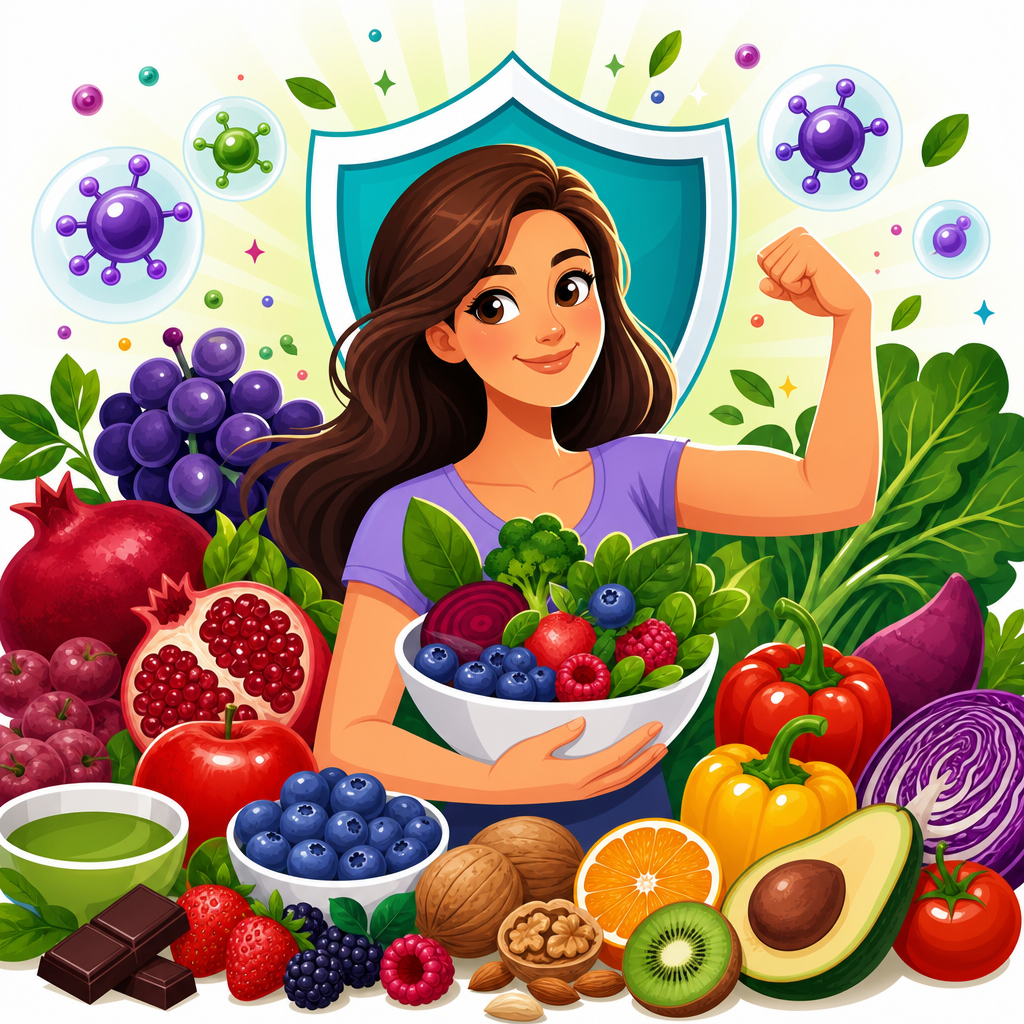
Color is a helpful, though imperfect, guide. Orange foods such as carrots, sweet potatoes, and pumpkin often supply carotenoids. Red foods like tomatoes and watermelon are rich in lycopene. Blue and purple berries provide anthocyanins. Green vegetables, particularly spinach, kale, collards, and broccoli, offer vitamin C, lutein, and many polyphenols. Beans, lentils, pecans, walnuts, sunflower seeds, herbs, spices, green tea, black tea, and coffee also contribute meaningful antioxidant compounds. Cocoa with high flavanol content can fit too, though sugar content matters when choosing chocolate products.
| Antioxidant type | Main role | Common food sources | Notable example |
|---|---|---|---|
| Vitamin C | Water-soluble free radical defense, collagen support | Citrus, kiwi, strawberries, bell peppers, broccoli | Red bell peppers provide more vitamin C per serving than many oranges |
| Vitamin E | Protects cell membranes from lipid oxidation | Almonds, sunflower seeds, wheat germ, avocado | Sunflower seeds are one of the densest everyday sources |
| Carotenoids | Support eye health, skin protection, antioxidant activity | Carrots, tomatoes, spinach, kale, sweet potato | Cooked tomatoes increase lycopene bioavailability |
| Polyphenols | Influence oxidative stress signaling and inflammation | Berries, tea, coffee, cocoa, olives, herbs | Blueberries are rich in anthocyanins |
| Selenium and trace minerals | Enable antioxidant enzymes | Brazil nuts, seafood, whole grains, legumes | Selenium supports glutathione peroxidase activity |
Best Food Sources and How to Eat Them
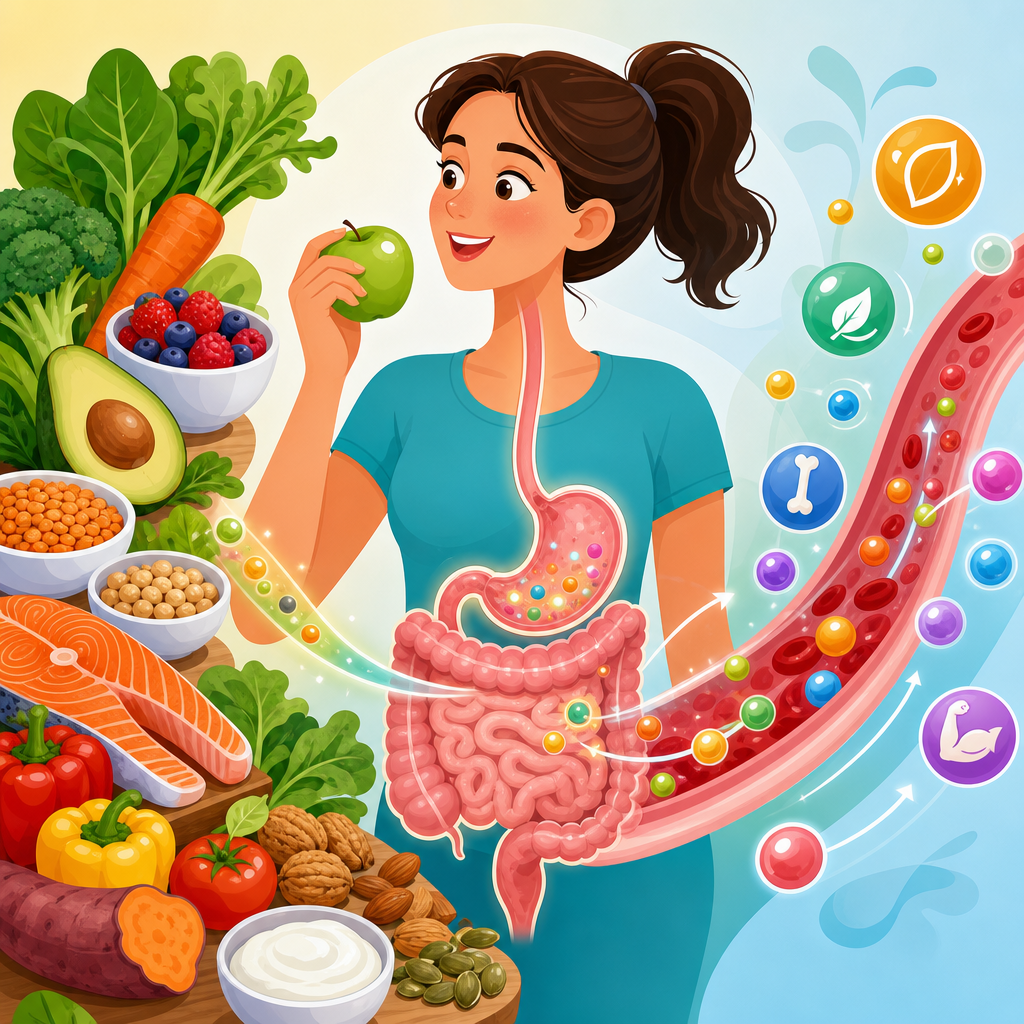
The best antioxidant foods are the ones people can eat consistently in realistic portions. In practice, that means building meals around variety rather than searching for a single highest-scoring food list. Berries at breakfast, beans at lunch, greens at dinner, nuts for snacks, herbs and spices in cooking, and tea or coffee in moderate amounts create a strong antioxidant pattern without requiring unusual products. Frozen berries, canned tomatoes, and plain frozen vegetables are especially useful because they are affordable, convenient, and often nutritionally comparable to fresh options.
Preparation affects bioavailability. Cooking tomatoes in olive oil improves lycopene absorption. Lightly steaming spinach or kale can make some carotenoids more accessible while also reducing volume, making these vegetables easier to eat in useful amounts. On the other hand, vitamin C is heat sensitive, so raw fruits, peppers, and lightly cooked vegetables help preserve it. Fat matters for absorbing carotenoids, which is why salads with olive oil or avocado often outperform fat-free versions nutritionally. Chopping garlic and letting it sit briefly before heating can support formation of sulfur compounds associated with health benefits.
Food pairing also matters. A bowl of oatmeal with blueberries, walnuts, and cinnamon contains fiber, polyphenols, and healthy fats. A lentil salad with parsley, tomatoes, peppers, and olive oil combines vitamin C, carotenoids, and mineral-rich legumes. Yogurt with strawberries and pumpkin seeds adds antioxidant value while also contributing protein and zinc. These combinations are more beneficial than isolated nutrient thinking because they improve satiety, dietary adherence, and overall nutrient density. Antioxidant intake works best when it is woven into normal eating patterns.
Antioxidants, Supplements, and the Limits of More
A common question is whether antioxidant supplements are necessary. For most healthy adults eating a balanced diet, routine high-dose supplementation is not the best first strategy. Whole foods consistently outperform pills in long-term dietary patterns because they provide complex matrices of nutrients and phytochemicals. Research on supplements has been mixed. Some targeted uses are appropriate, especially when deficiency, malabsorption, restricted diets, or specific medical advice applies. But large doses of single antioxidants can produce disappointing or even harmful results depending on the compound, population, and smoking status.
Beta-carotene is the classic cautionary example. Trials in smokers found that high-dose beta-carotene supplementation increased lung cancer risk, which sharply challenged the assumption that more antioxidant activity is always better. Vitamin E supplements have also produced inconsistent cardiovascular findings in large trials. This does not mean antioxidants are unimportant. It means nutrition is more complex than isolating one compound and pushing the dose upward. The body regulates redox signaling tightly, and some oxidative signaling is physiologically useful for immunity, exercise adaptation, and cell communication.
When supplements are warranted, precision matters. People with age-related macular degeneration may be advised to use evidence-based eye formulas under professional guidance. Individuals with documented low intake or specific deficiencies may need targeted support. Even then, quality, dosage, interactions, and medical history must be reviewed. I generally advise starting with a dietary audit: How many servings of colorful produce, legumes, nuts, seeds, and whole grains are actually present each week? That question usually reveals far more opportunity than a supplement shelf does.
Building an Antioxidant-Rich Nutrition Plan
The most effective way to increase antioxidants is to structure meals intentionally. Aim to include at least one fruit or vegetable at every meal, rotate colors across the week, and rely on minimally processed staples. A practical template is simple: fruit or oats in the morning, a bean- or grain-based lunch with vegetables, and a dinner built around cooked vegetables, protein, and healthy fat. Herbs, spices, tea, and coffee can make meaningful contributions, especially when they replace less nutritious choices.
Context matters because antioxidants are only one piece of the broader health picture. Smoking, heavy alcohol use, poor sleep, chronic psychological stress, and low physical activity all increase oxidative burden. So does a dietary pattern dominated by ultra-processed foods with low fiber and minimal produce. A person who takes an expensive antioxidant blend but rarely eats plants is not solving the core problem. By contrast, someone who eats a varied Mediterranean-style pattern, exercises regularly, protects skin from excessive sun exposure, and manages blood sugar is supporting antioxidant balance from several angles at once.
For readers building out their knowledge in Nutrition Basics, this topic connects naturally to fiber, phytonutrients, inflammation, hydration, gut health, and meal planning. If you are creating a healthier diet from scratch, start with repeatable habits: add berries or citrus daily, use extra-virgin olive oil, eat leafy greens several times a week, swap refined snacks for nuts, and cook with beans, lentils, garlic, onions, turmeric, and tomatoes more often. Those habits create a durable antioxidant foundation without making eating feel complicated.
The importance of antioxidants is best understood as part of a complete nutrition pattern, not as a single nutrient trend. Antioxidants help defend the body against oxidative stress, support cellular integrity, and contribute to healthy aging, cardiovascular function, eye health, and overall resilience. They come from vitamins, carotenoids, polyphenols, and mineral-dependent enzyme systems, all of which work together rather than independently. That is why variety matters so much. No single food, drink, or supplement can replace a consistently plant-rich diet built on real meals.
The most reliable strategy is straightforward: eat more colorful fruits and vegetables, include legumes, nuts, seeds, herbs, tea, cocoa, and whole grains, and use supplements only when there is a clear reason. Remember the key nuance: antioxidants are beneficial, but excess supplementation is not automatically better and can be counterproductive in some cases. Food-first approaches remain the strongest recommendation because they deliver antioxidant compounds in combinations the body can use effectively.
If you want to improve your nutrition basics, make antioxidants a daily habit rather than an occasional fix. Start with one practical change today, such as adding berries to breakfast, vegetables to lunch, or olive oil and greens to dinner, then build from there.
Frequently Asked Questions
What are antioxidants, and why are they important to overall health?
Antioxidants are compounds that help protect cells from oxidative stress, which happens when unstable molecules known as free radicals build up faster than the body can control them. Free radicals are created naturally during normal metabolism, but they can also increase because of factors like pollution, smoking, UV exposure, poor diet, chronic inflammation, and psychological stress. When free radicals accumulate, they can damage important cellular structures, including lipids in cell membranes, proteins, and even DNA. Over time, that damage is associated with aging, reduced cellular function, and a higher risk of chronic health problems.
The importance of antioxidants comes from their ability to neutralize free radicals before extensive damage occurs. This does not mean antioxidants “stop aging” or completely prevent disease, but they do play a valuable protective role in the body’s broader defense system. Your body also has built-in antioxidant defenses, including enzymes such as superoxide dismutase and glutathione peroxidase, which work alongside antioxidant nutrients from food. In practical terms, antioxidants matter because they support normal cellular maintenance, help the body respond to everyday stressors, and contribute to long-term health when they are part of an overall balanced lifestyle.
How do antioxidants work against free radicals in the body?
Antioxidants work by stabilizing free radicals, which are molecules that have unpaired electrons and are therefore highly reactive. Because free radicals are unstable, they seek out electrons from nearby molecules, setting off a chain reaction that can damage cell membranes, proteins, and genetic material. Antioxidants interrupt this process by donating an electron without becoming dangerously unstable themselves. That simple action can help stop oxidative chain reactions before they spread through tissues.
It is also helpful to understand that antioxidant protection is not handled by one single nutrient. It is a network. Vitamin C can help neutralize certain free radicals in watery environments such as blood plasma. Vitamin E is especially important in protecting fatty parts of cells, including membranes, from oxidative damage. Compounds like selenium support antioxidant enzymes, while plant chemicals such as polyphenols and carotenoids contribute in different ways depending on their structure and where they act in the body. This is why a varied diet tends to be more beneficial than relying on one “super antioxidant.” The body uses multiple overlapping systems, and antioxidants are most effective when they are part of that coordinated biological defense rather than treated as a magic bullet.
What foods are the best natural sources of antioxidants?
Many of the best antioxidant sources are whole plant foods, especially those with deep, vibrant colors. Berries, cherries, grapes, citrus fruits, leafy greens, tomatoes, carrots, sweet potatoes, beets, red cabbage, and cruciferous vegetables all provide different antioxidant compounds. Nuts, seeds, beans, herbs, spices, green tea, cocoa, and extra virgin olive oil can also contribute meaningful amounts. Specific antioxidants vary by food. For example, berries are known for anthocyanins, tomatoes provide lycopene, carrots and sweet potatoes contain beta-carotene, and leafy greens offer lutein and zeaxanthin. These compounds often work alongside vitamins, minerals, and fiber, which is one reason whole foods offer broader benefits than isolated nutrients alone.
Rather than chasing a single “highest antioxidant” food, it is smarter to focus on variety and consistency. Eating a range of colorful foods across the week generally provides a wider mix of protective compounds. Preparation matters too. Some antioxidants are better absorbed when foods are lightly cooked or eaten with healthy fat. Lycopene in cooked tomatoes is a classic example. The larger takeaway is that antioxidant intake is not about one perfect ingredient. It is about building meals that regularly include fruits, vegetables, legumes, nuts, seeds, and other minimally processed foods so the body receives a steady supply of protective compounds in a form it knows how to use.
Can antioxidant supplements provide the same benefits as antioxidant-rich foods?
Not always, and this is one of the most common areas of confusion. Antioxidant supplements can be useful in specific situations, particularly when a person has a medically confirmed deficiency, restricted intake, absorption issue, or a condition that increases certain nutrient needs. However, supplements do not automatically replicate the effects of antioxidant-rich foods. Foods contain complex mixtures of vitamins, minerals, fiber, and plant compounds that interact in ways science is still working to fully understand. Those compounds may be more effective together than when isolated into a single pill or high-dose formula.
There is also an important caution here: more is not always better. High doses of some antioxidant supplements have not consistently shown benefits in research and, in some cases, may even be harmful for certain populations. For example, excessive supplementation can interfere with normal biological signaling or interact with medications and medical treatments. That is why the most evidence-based approach is usually to prioritize a nutrient-dense diet first and consider supplementation only when there is a clear reason to do so. If someone is thinking about taking antioxidant supplements regularly, especially at high doses, it is wise to discuss it with a qualified healthcare professional rather than relying on marketing claims.
Do antioxidants prevent aging and chronic disease?
Antioxidants help defend the body against oxidative stress, and because oxidative stress is linked to aging and many chronic diseases, antioxidants are certainly relevant. But the honest answer is that they do not function as a guaranteed shield against aging or illness. Aging is driven by many factors, including genetics, inflammation, metabolic changes, environmental exposures, sleep, physical activity, and overall diet quality. Chronic diseases such as cardiovascular disease, diabetes, neurodegenerative conditions, and some cancers are similarly complex. Antioxidants are one important part of the picture, but they are not the whole picture.
A more accurate way to view antioxidants is as supportive compounds that contribute to resilience over time. Diets rich in fruits, vegetables, legumes, nuts, seeds, and other whole foods are consistently associated with better long-term health outcomes, and antioxidants are one reason why. Still, those benefits come from the total pattern of eating and living, not from a single molecule acting alone. In real-world health, antioxidants work best when they are paired with habits that reduce oxidative burden in the first place, such as not smoking, managing stress, sleeping well, exercising regularly, and limiting heavily processed foods. That balanced perspective is much more useful than the idea that antioxidants are either miracle cures or meaningless hype.