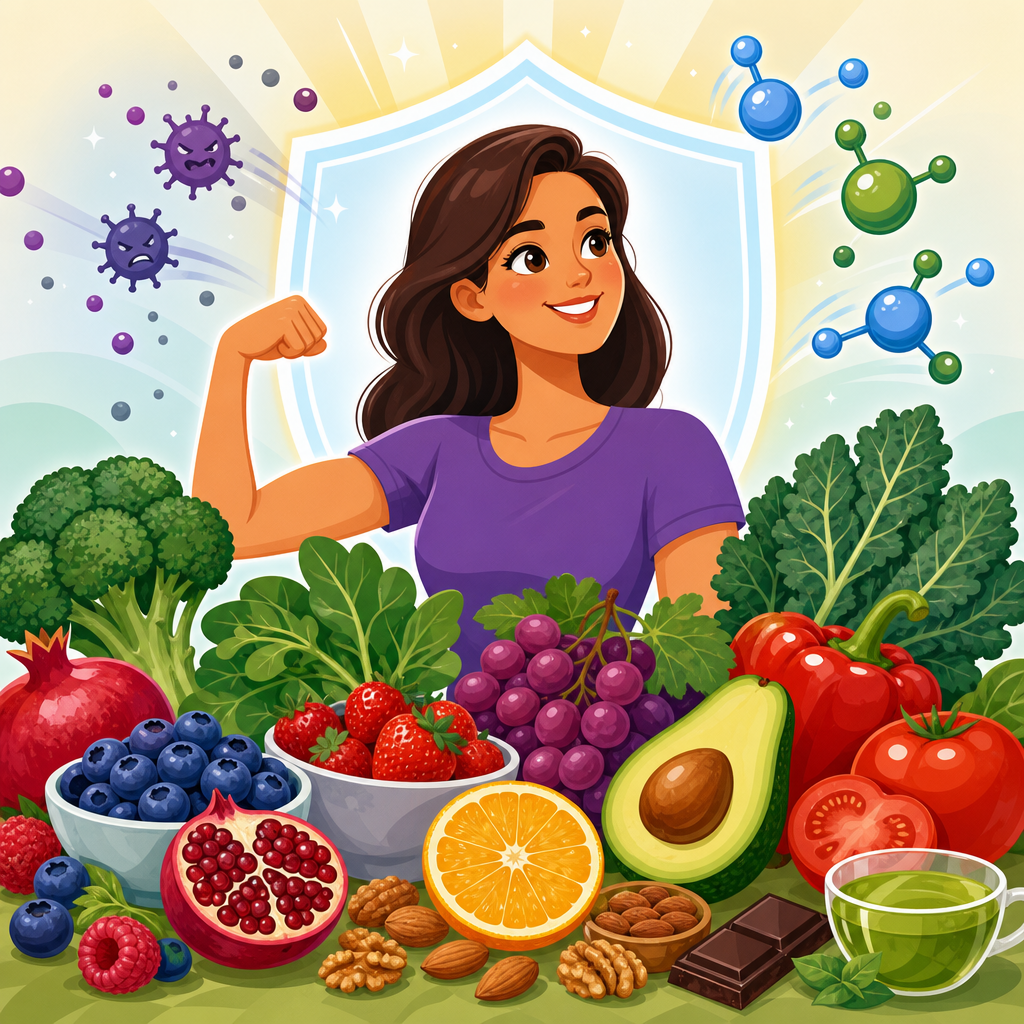
Antioxidants are compounds that help protect the body from oxidative stress, a process linked to aging, inflammation, and many chronic diseases. In nutrition, the importance of antioxidants comes from their ability to neutralize unstable molecules called free radicals before those molecules damage cells, proteins, and DNA. I explain this topic often because it sits at the intersection of everyday food choices and long term health outcomes. When people hear the word antioxidant, they often think of berries, green tea, or supplements, but the concept is broader and more practical: antioxidants are part of the body’s continuous defense system, and diet strongly influences how well that system works.
Free radicals are generated naturally during metabolism, exercise, immune activity, and exposure to sunlight, smoke, air pollution, and certain chemicals. Oxidative stress happens when free radical production outpaces the body’s defenses. That imbalance matters because it contributes to cellular damage associated with cardiovascular disease, type 2 diabetes, neurodegenerative disorders, eye disease, and some cancers. Antioxidants include vitamins such as vitamin C and vitamin E, minerals such as selenium that support antioxidant enzymes, and plant compounds such as polyphenols and carotenoids. The body also produces antioxidant enzymes, including superoxide dismutase, catalase, and glutathione peroxidase, which form a built in protection network.
Understanding antioxidants is important because nutrition advice is often reduced to slogans that miss the real point. No single “superfood” can solve oxidative stress, and more is not always better, especially with high dose supplements. What works consistently is a pattern of eating that supplies diverse antioxidant compounds through whole foods. This hub article explains what antioxidants are, how they function, where to find them, what the evidence says about health benefits, and how to build a practical diet around them. If you want better nutrition basics, antioxidants are not a side topic. They are one of the clearest examples of how food quality influences resilience at the cellular level.
What Antioxidants Do in the Body
Antioxidants interrupt oxidation reactions that can otherwise harm tissues. A free radical is a molecule with an unpaired electron, which makes it highly reactive. To stabilize itself, it may steal electrons from nearby molecules, setting off a chain reaction. Antioxidants can donate an electron without becoming dangerously unstable themselves, effectively ending that chain. In practical terms, this means less damage to cell membranes, lipids carried in the bloodstream, structural proteins, and genetic material. That protective role is why antioxidant status is discussed in relation to atherosclerosis, skin aging, immune defense, and recovery from physiological stress.
Different antioxidants work in different environments. Vitamin C is water soluble, so it helps defend fluids inside and outside cells. Vitamin E is fat soluble, so it protects cell membranes and lipoproteins from oxidation. Carotenoids such as beta carotene, lycopene, lutein, and zeaxanthin accumulate in tissues and have specialized roles, especially in skin and eye health. Polyphenols, a broad class found in fruits, vegetables, tea, cocoa, herbs, and legumes, can act directly as antioxidants and also influence signaling pathways involved in inflammation and detoxification. One reason diverse diets outperform narrow ones is that these compounds work in complementary ways.
The body’s own antioxidant systems are just as important as dietary compounds. Glutathione, often called the master antioxidant, is produced in cells and helps regenerate other antioxidants. Selenium supports glutathione peroxidase, while zinc, copper, and manganese are required for forms of superoxide dismutase. This is why antioxidant nutrition is not just about colorful produce. It also depends on adequate protein, trace minerals, and overall dietary quality. In practice, I have found that when people move from a processed diet to one built around vegetables, legumes, nuts, whole grains, seafood, and fruit, their antioxidant intake improves naturally without chasing isolated compounds.
Main Types of Antioxidants and Food Sources
The importance of antioxidants becomes easier to understand when you connect each type to foods people actually eat. Vitamin C is abundant in citrus, kiwi, strawberries, bell peppers, broccoli, and potatoes. Vitamin E is found in almonds, sunflower seeds, hazelnuts, wheat germ, and plant oils. Carotenoids appear in orange, red, and dark green produce: carrots, sweet potatoes, pumpkin, tomatoes, spinach, kale, and red peppers. Polyphenols come from berries, cherries, grapes, onions, extra virgin olive oil, green tea, black tea, coffee, cocoa, beans, and many herbs and spices. Selenium is concentrated in seafood, eggs, meat, and Brazil nuts, though soil content affects plant levels.
Color is a useful clue, but it is not a perfect rule. White and brown foods can also contribute antioxidant compounds. Garlic contains organosulfur compounds. Oats provide avenanthramides. Coffee is one of the largest sources of dietary polyphenols in many adult diets because of how commonly it is consumed. Dark chocolate with high cocoa content contains flavanols, although it also carries calories and sometimes significant sugar. Herbs and spices such as turmeric, cinnamon, oregano, cloves, and rosemary can add concentrated phytochemicals in small amounts. The practical message is that variety matters more than trying to rank one food as the best.
| Antioxidant group | Examples | Main food sources | Notable role |
|---|---|---|---|
| Vitamin C | Ascorbic acid | Citrus, kiwi, peppers, broccoli, berries | Protects aqueous environments, supports collagen and immunity |
| Vitamin E | Alpha tocopherol | Almonds, seeds, wheat germ, sunflower oil | Protects cell membranes from lipid oxidation |
| Carotenoids | Beta carotene, lycopene, lutein | Carrots, tomatoes, spinach, kale, sweet potato | Eye health, skin protection, antioxidant activity in tissues |
| Polyphenols | Flavonoids, phenolic acids, catechins | Tea, coffee, berries, cocoa, beans, olive oil | Influence oxidative stress and inflammatory signaling |
| Mineral supported enzymes | Selenium, zinc, copper, manganese | Seafood, nuts, legumes, whole grains | Enable endogenous antioxidant enzyme systems |
Food preparation also changes antioxidant availability. Cooking tomatoes increases the bioavailability of lycopene, especially when eaten with oil. Light steaming can preserve or improve access to some carotenoids in greens. On the other hand, prolonged boiling can reduce vitamin C because it is heat sensitive and water soluble. Chopping garlic and letting it rest briefly before cooking improves allicin formation. These details matter because the best antioxidant rich diet is not raw versus cooked. It is a mix of preparation methods that improves both nutrient retention and long term adherence.
How Antioxidants Support Health Outcomes
Research consistently links diets rich in antioxidant containing foods with better cardiometabolic health. Oxidation of LDL particles is one step in atherosclerosis, and dietary patterns that reduce oxidative stress are associated with lower cardiovascular risk. The Mediterranean dietary pattern is a well known example because it combines extra virgin olive oil, vegetables, legumes, nuts, fruit, fish, and herbs, all of which deliver antioxidant compounds along with fiber and healthy fats. Large observational studies repeatedly show that people who eat more fruits and vegetables have lower rates of heart disease and stroke, though the benefit comes from the overall pattern rather than one nutrient in isolation.
Antioxidants also matter for metabolic health and inflammation. Chronic low grade inflammation and oxidative stress often rise together in obesity and insulin resistance. Polyphenol rich foods such as berries, tea, cocoa, and olive oil have been studied for effects on endothelial function, blood pressure, and glucose regulation. The improvements are usually modest, but over time they can be meaningful when combined with weight management, exercise, sleep, and reduced intake of ultra processed foods. In practice, replacing sugary snacks with fruit and nuts or replacing refined sides with beans and vegetables can improve antioxidant density while also improving fiber intake and glycemic control.
Eye and brain health provide more specific examples. Lutein and zeaxanthin accumulate in the macula of the eye and are associated with reduced risk of age related macular degeneration progression. The AREDS2 study informed clinical guidance by showing that a targeted formula can help certain patients with intermediate or advanced disease, although that is a medical use case, not general nutrition advice. For brain health, evidence is more associative than definitive, but diets rich in berries, leafy greens, and olive oil are linked with better cognitive aging. The likely reason is not one magic compound. It is the combined effect of vascular support, anti inflammatory activity, and reduced oxidative damage.
Whole Foods Versus Supplements
One of the most common questions is whether antioxidant supplements provide the same benefit as antioxidant rich foods. The short answer is no, not in most cases. Whole foods package antioxidants with fiber, water, minerals, unsaturated fats, and thousands of interacting phytochemicals. Supplements deliver isolated compounds in amounts that may not reflect how the body encounters them in food. Clinical trials on high dose antioxidant supplements have often shown mixed results, no clear benefit, or even harm in specific groups. Beta carotene supplements increased lung cancer risk in smokers in major trials, and high dose vitamin E has raised safety concerns in some analyses.
That does not mean supplements are useless. They can be appropriate when there is a diagnosed deficiency, a medically defined need, or increased risk due to life stage or disease. Prenatal folate, vitamin B12 for strict vegans, and AREDS2 formulas for certain eye conditions are examples where targeted supplementation has a place. But using pills as insurance against a poor diet is a weak strategy. I regularly see people spend heavily on antioxidant blends while eating very few vegetables and little fruit. The better investment is almost always improving meals first: frozen berries, canned beans, leafy greens, nuts, olive oil, and colorful produce are more effective nutrition foundations than a generic capsule.
A useful rule is to prioritize food first, then consider supplements only when the indication is clear. If someone eats a varied diet, adding megadoses of antioxidants is unlikely to create extra protection and may interfere with normal signaling. Reactive oxygen species are not purely harmful; they also serve physiological roles in immune function and exercise adaptation. Blunting them excessively is not always desirable. This nuance is important because antioxidant marketing often ignores dose, context, and population differences. Better nutrition is not about flooding the body with isolated compounds. It is about maintaining balance through consistently high quality food choices.
How to Build an Antioxidant Rich Diet
Building an antioxidant rich diet does not require expensive powders or complicated rules. Start with a simple meal structure: half the plate vegetables or fruit, a quarter protein, and a quarter whole grains or other minimally processed starches, with healthy fats added where appropriate. Aim for color diversity across the week rather than obsessing over every meal. Berries at breakfast, a salad or vegetable soup at lunch, beans and tomatoes at dinner, and nuts or fruit for snacks can shift antioxidant intake significantly. Frozen produce is an excellent option because it is affordable, convenient, and harvested close to peak ripeness.
There are several practical habits that reliably improve antioxidant intake. Keep washed fruit visible. Use extra virgin olive oil as a routine fat. Add beans or lentils to soups, grain bowls, and salads. Rotate greens such as spinach, kale, arugula, and romaine. Choose herbs and spices generously instead of depending only on salt. Drink unsweetened tea if you enjoy it. Swap some dessert occasions for fruit with yogurt or a small portion of dark chocolate. These are realistic changes, and they work because they increase beneficial compounds without demanding perfection. Consistency matters more than chasing the highest antioxidant score on a label.
It also helps to think beyond individual foods and consider the exposures that increase oxidative stress. Smoking, heavy alcohol intake, poor sleep, chronically high calorie intake, and low physical activity all worsen the underlying burden. Nutrition can support the body, but it cannot fully counteract those habits. A balanced approach pairs antioxidant rich eating with exercise, adequate sleep, weight management, and reduced exposure to tobacco smoke. If you are using this page as a hub within Nutrition Basics, the next step is straightforward: review your current meals, identify where plants are missing, and add two or three reliable antioxidant sources each day. Small, repeatable upgrades create measurable nutritional improvement.
The importance of antioxidants is not that they offer a quick fix. It is that they explain, in concrete biological terms, why a varied whole food diet protects health over time. Antioxidants help manage oxidative stress, support normal cellular function, and work alongside the body’s own enzyme systems. They are found in fruits, vegetables, legumes, nuts, seeds, tea, coffee, herbs, olive oil, and other minimally processed foods that consistently appear in the healthiest dietary patterns. When people improve antioxidant intake through food, they usually improve fiber, mineral intake, and overall dietary quality at the same time.
The strongest takeaway is to focus on dietary patterns, not miracle products. Whole foods outperform isolated high dose supplements for most healthy people because they deliver synergistic compounds in useful amounts. A practical antioxidant strategy includes colorful produce, regular legumes, nuts and seeds, healthy oils, and sensible cooking methods that preserve or enhance nutrient availability. It also recognizes limits: supplements may help in specific medical situations, but they are not a substitute for balanced eating or healthy lifestyle habits. That balanced view is what makes antioxidant guidance credible and effective.
If you want better nutrition basics, use antioxidants as a daily planning tool. Build meals around plants, vary colors and textures, and choose foods that support the body’s defenses naturally. Start with one week of intentional changes: add berries or citrus, include one leafy green, use beans twice, and cook with olive oil and herbs. Those simple steps translate nutrition science into action, and they create a strong foundation for every related topic in this hub.
Frequently Asked Questions
What are antioxidants, and why are they important for better nutrition?
Antioxidants are natural compounds found in many foods that help defend the body against oxidative stress. Oxidative stress happens when unstable molecules called free radicals build up faster than the body can neutralize them. These free radicals can damage cells, proteins, fats, and even DNA over time. That damage is associated with aging, inflammation, and a higher risk of many chronic health conditions. From a nutrition standpoint, antioxidants matter because they are part of the body’s everyday protection system. They help support normal cell function and reduce the wear and tear that can come from metabolism, pollution, smoking, UV exposure, poor diet, and other stressors.
What makes antioxidants especially important in nutrition is that many of the best sources come from whole, plant-based foods that offer benefits far beyond a single nutrient. Fruits, vegetables, legumes, nuts, seeds, herbs, spices, tea, and cocoa all contain antioxidant compounds, often alongside fiber, vitamins, minerals, and phytonutrients. In other words, antioxidant-rich foods do not work in isolation. They are part of a broader dietary pattern that supports heart health, immune function, brain health, and metabolic wellness. This is why nutrition experts typically emphasize eating a colorful, varied diet rather than focusing on a single “superfood” or miracle compound.
How do antioxidants work in the body to protect cells?
Antioxidants work by helping stabilize free radicals before those reactive molecules can damage healthy tissue. Free radicals are produced naturally during normal body processes, including energy production, exercise, and immune activity. They can also increase because of outside exposures such as cigarette smoke, air pollution, radiation, and processed foods. Because free radicals are chemically unstable, they seek out other molecules to react with, which can trigger chain reactions of cellular damage. Antioxidants interrupt that process by donating electrons in a way that neutralizes free radicals without becoming dangerously unstable themselves.
The body has its own built-in antioxidant defenses, including enzymes and compounds such as glutathione. Nutrition supports this internal system by supplying antioxidant nutrients and plant compounds that help reinforce those defenses. Examples include vitamin C, vitamin E, carotenoids like beta-carotene and lycopene, selenium, and flavonoids such as quercetin and anthocyanins. These substances may help protect cell membranes, support immune resilience, and reduce oxidation of lipids and other vulnerable molecules in the body. The key point is that antioxidants are not a cure-all, but they are an essential part of how the body manages ongoing biological stress and maintains long-term health.
Which foods are the best sources of antioxidants?
The best antioxidant sources are typically whole foods, especially deeply colored plant foods. Berries are among the most well-known examples because they contain anthocyanins and vitamin C. Leafy greens, broccoli, red cabbage, carrots, sweet potatoes, tomatoes, bell peppers, and beets also provide a range of antioxidant compounds. Citrus fruits, cherries, grapes, pomegranates, and apples contribute valuable phytonutrients as well. Beans, lentils, walnuts, pecans, sunflower seeds, and dark chocolate can also be excellent additions to an antioxidant-rich eating pattern.
Herbs, spices, and beverages deserve attention too. Green tea, black tea, coffee, turmeric, cinnamon, oregano, ginger, and cloves all contain antioxidant compounds that can add to overall intake. That said, the healthiest approach is not to chase the highest antioxidant score on a chart. It is to build meals around variety. Different foods provide different protective compounds, and they often work together. A plate filled with multiple colors usually signals a broader mix of beneficial nutrients. In practice, that might mean adding berries to breakfast, including a salad or cooked vegetables at lunch, choosing beans or lentils regularly, and using herbs and spices generously in cooking.
Can antioxidant supplements provide the same benefits as antioxidant-rich foods?
In most cases, antioxidant-rich foods are a better choice than supplements for general health. Whole foods contain complex combinations of vitamins, minerals, fiber, and phytonutrients that interact in ways science is still working to fully understand. Those compounds often appear to be more beneficial when consumed as part of food rather than isolated in high-dose supplement form. For example, an orange provides vitamin C, but it also contains fiber and many other plant compounds that contribute to its nutritional value. The same is true for vegetables, legumes, nuts, and tea.
High-dose antioxidant supplements are not automatically better, and in some situations they may even be unhelpful or inappropriate. Research has shown that more is not always better when it comes to isolated nutrients. Certain supplements can interact with medications, affect medical conditions, or fail to produce the same long-term benefits seen with diets rich in fruits and vegetables. That does not mean supplements never have a role. Some people may need targeted supplementation based on a diagnosed deficiency, life stage, or medical guidance. But for most people, the smartest strategy is to prioritize a balanced diet with a wide range of antioxidant-containing foods and use supplements only when there is a clear reason to do so.
How can I increase antioxidants in my diet in a practical, everyday way?
The easiest way to increase antioxidants is to make simple food choices more colorful and less processed. Start by adding one antioxidant-rich food to each meal instead of trying to overhaul everything at once. You might put berries or sliced fruit on oatmeal, add spinach and tomatoes to eggs, include a side salad or roasted vegetables with lunch, and build dinner around vegetables, beans, and whole grains. Choosing fruit for snacks, swapping refined snack foods for nuts or seeds, and drinking tea can also raise antioxidant intake naturally. Even small habits, repeated daily, can make a meaningful difference.
It also helps to think in patterns rather than individual ingredients. Aim for variety across the week by rotating produce colors and types. Red foods like tomatoes and watermelon, orange foods like carrots and sweet potatoes, green vegetables like kale and broccoli, blue and purple foods like blueberries and eggplant, and white plant foods like onions and garlic all contribute different protective compounds. Cooking methods matter too. Light steaming, roasting, sautéing, and eating some produce raw can create a balanced approach, since some antioxidants are better preserved raw while others become more available after cooking. The overall goal is not perfection. It is building a consistent, enjoyable eating style that supports the body’s natural defenses over time.