Hydration is the process of maintaining the right balance of water and electrolytes in the body so cells, tissues, and organs can work properly. In nutrition practice, I have found that people often reduce hydration to a simple rule about drinking eight glasses a day, but that shortcut misses the real issue: fluid needs change with age, body size, climate, diet, physical activity, medications, and health status. Water is the main nutrient involved, yet sodium, potassium, chloride, and other electrolytes determine how that water moves between the bloodstream, cells, and tissues. Good hydration supports blood volume, temperature regulation, digestion, joint lubrication, kidney function, nutrient transport, and cognitive performance. Poor hydration can range from mild thirst and fatigue to dizziness, kidney stones, heat illness, and serious medical complications.
Understanding hydration matters because even small fluid deficits can affect how people feel and function throughout the day. Research consistently shows that losses of around 1 to 2 percent of body weight from fluid can impair attention, endurance, mood, and perceived effort, especially in hot conditions or during exercise. At the same time, drinking too much water without enough sodium can also be dangerous, leading to hyponatremia, a condition in which blood sodium drops too low. A useful hydration strategy is therefore not about forcing large volumes of water. It is about matching intake to output and recognizing the signs your body gives you. This hub article explains what hydration is, how much fluid most people need, what affects requirements, how to judge hydration status, and how to build sustainable habits that fit daily life.
What hydration does in the body
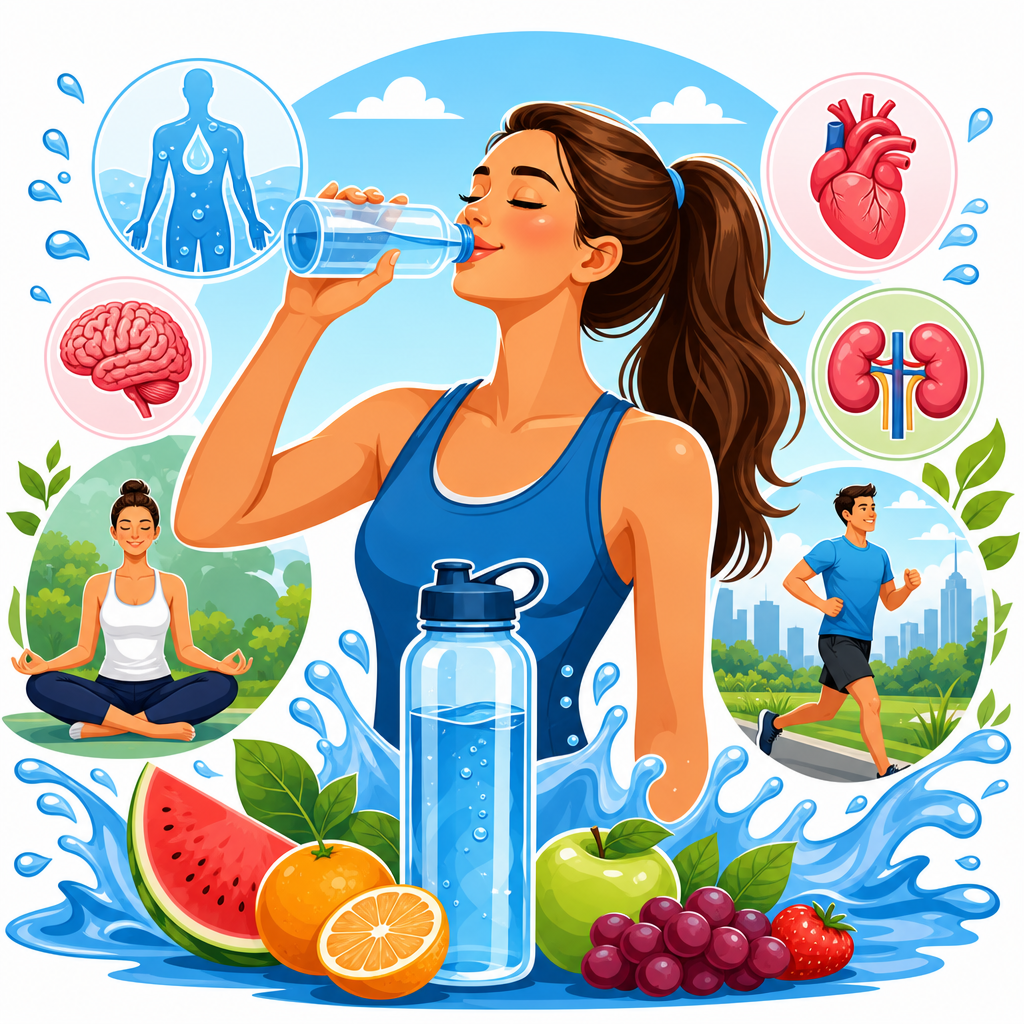
Water makes up roughly half to two thirds of adult body weight, with the exact proportion depending on age, sex, and body composition. Lean tissue contains more water than body fat, which is one reason larger or more muscular people often require more fluid. Every major system depends on this water. Blood plasma is mostly water, so hydration helps maintain circulation and supports delivery of oxygen and nutrients. Saliva and gastric fluids assist chewing and digestion. Synovial fluid cushions joints. Mucous membranes in the nose, mouth, and lungs stay moist with adequate fluid, which supports comfort and barrier function. The kidneys use water to filter waste and regulate electrolyte balance, while the skin uses sweat to release heat.
Hydration also affects the brain in practical ways. In clinic settings and sports nutrition work, I have seen mild dehydration show up first as headaches, sluggish thinking, irritability, and an unusual sense of effort during normal tasks. That pattern makes sense biologically. When fluid intake is too low, blood volume can drop, heart rate may rise to maintain circulation, and the body conserves water through hormonal signals such as vasopressin. Thirst is one signal, but it does not always appear early enough for athletes, older adults, or busy workers who ignore it. Because hydration influences both physical and mental performance, it belongs alongside protein, fiber, and sleep as a daily health priority, not an afterthought reserved for workouts or hot weather.
How much water you actually need
There is no universal water target that fits everyone. In the United States, the National Academies set adequate intake levels for total water at about 3.7 liters per day for men and 2.7 liters per day for women. Total water includes plain water, other beverages, and water naturally present in food, which often contributes around 20 percent of daily intake. Those values are population-level references, not personal prescriptions. Someone who eats a high-produce diet, works in air conditioning, and does light exercise may feel well below those numbers from beverages alone, while a runner in humid heat may need far more. Pregnancy and lactation increase requirements, as do fever, vomiting, diarrhea, and high altitude exposure.
The best practical guideline is to use a baseline target and then adjust. For many adults, starting with regular fluid intake across the day works better than trying to catch up at night. A common sports nutrition framework is to consider body weight and activity. Endurance athletes may need individualized plans based on sweat rate, which can vary from less than 0.5 liters per hour to more than 2 liters per hour depending on genetics, pace, clothing, and weather. During illness, hydration plans should account for fluid losses and the need for electrolytes, not only water. People with heart failure, advanced kidney disease, liver disease, or certain endocrine conditions may have fluid restrictions or special guidance, so general advice should never override clinical recommendations from their care team.
Factors that change hydration needs
Hydration needs rise when fluid losses increase or when intake is harder to maintain. Heat and humidity are obvious drivers because sweat output climbs as the body tries to cool itself. Exercise intensity matters too. A short walk does not create the same demand as ninety minutes of interval training, field work, or marathon pace running. Diet can shift needs in subtler ways. High sodium meals can increase thirst, while high fiber intake requires sufficient fluid to support comfortable digestion. Alcohol promotes fluid loss by suppressing antidiuretic hormone, and caffeine, although less dehydrating than many people think, can still contribute to fluid shifts in high amounts or in people not used to it. Medications such as diuretics, laxatives, and some diabetes drugs also alter balance.
Age is another major factor. Infants and young children lose fluid more quickly and rely on caregivers to provide it. Older adults often have a reduced thirst response, lower total body water, and greater use of medications that affect hydration, making them more vulnerable during hot weather or illness. In care facilities, I have seen how dehydration can be mistaken for confusion, fatigue, or a urinary problem when the underlying issue is simply inadequate fluid access or poor drinking habits. Travel, long shifts, fasting periods, and jobs that limit bathroom breaks can quietly reduce intake for hours. Understanding these triggers helps people move beyond generic goals and design hydration routines that match the realities of their environment, schedule, and health profile.
Signs of dehydration and how to monitor it
Mild dehydration often starts with thirst, dry mouth, darker urine, and reduced urine frequency, but the body offers many other clues. Common symptoms include headache, fatigue, dizziness when standing, muscle cramps, constipation, and reduced exercise tolerance. In more serious cases, people may experience rapid heartbeat, confusion, fainting, or very little urine output. For most healthy adults, urine color is a useful rough indicator: pale yellow usually suggests adequate hydration, while apple juice-colored urine often signals a need for more fluids. It is not perfect, though. B vitamins, some medications, and certain foods can change color independently of hydration status.
Body weight changes are one of the most reliable tools for athletes. Weighing before and after exercise, with similar clothing and after toweling off sweat, helps estimate fluid loss. A loss of 1 kilogram generally reflects about 1 liter of fluid. If a runner finishes a long session 2 pounds lighter, the body likely lost close to 0.9 liters more than it took in. That information can shape a better plan next time. For everyday use, combine simple markers rather than relying on one sign alone.
| Marker | What it suggests | Limitation |
|---|---|---|
| Thirst | Early warning that intake may be lagging | Can be blunted in older adults or ignored during busy days |
| Urine color | Pale yellow often indicates reasonable hydration | Affected by supplements, medications, and foods |
| Body weight change after exercise | Helps estimate sweat loss and replacement needs | Requires consistent conditions to be useful |
| Urine frequency | Very infrequent urination may reflect low intake | Influenced by caffeine, alcohol, and diuretics |
| Symptoms | Headache, dizziness, and fatigue can signal dehydration | These symptoms also have many other causes |
Best sources of hydration and when electrolytes matter
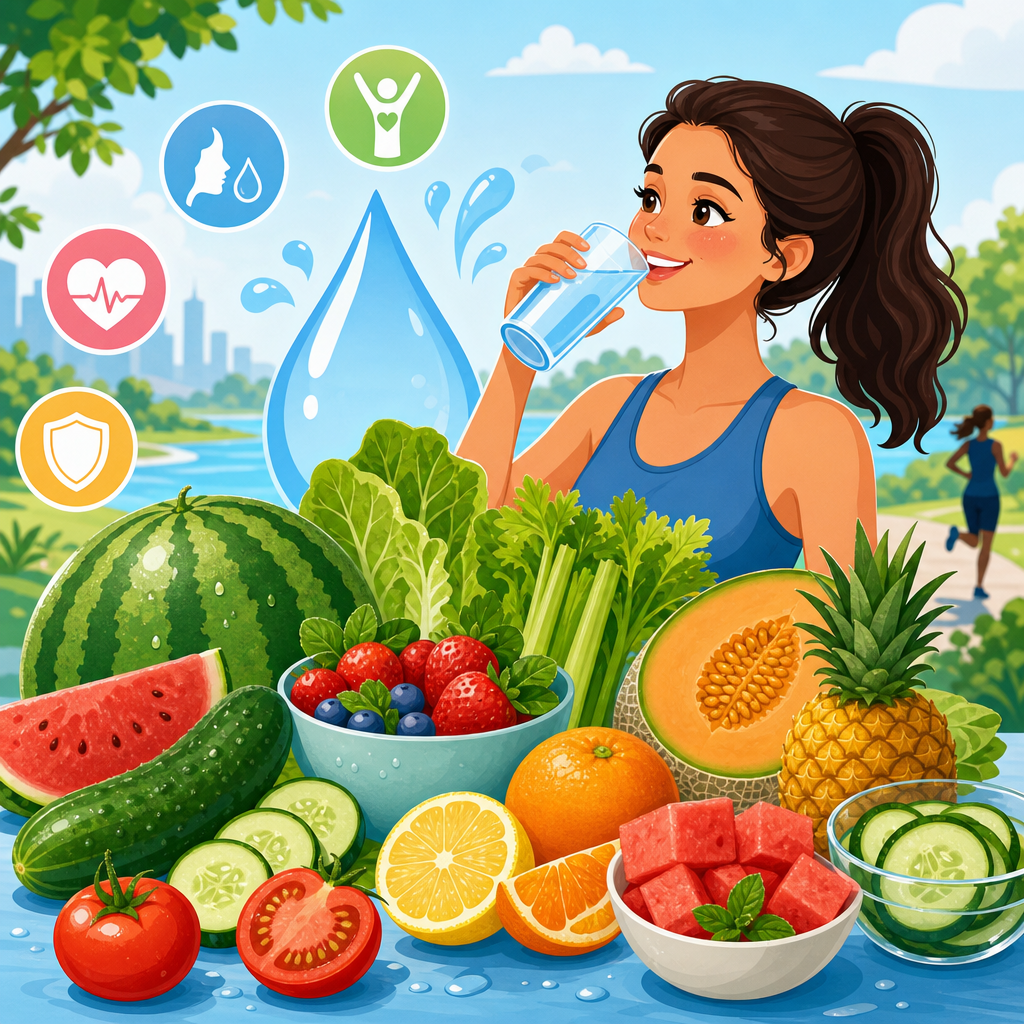
Plain water is the default hydration choice for most situations because it is effective, widely available, and calorie free. Still, hydration does not come only from water bottles. Milk, tea, coffee, soups, yogurt, and high-water foods such as cucumbers, oranges, strawberries, lettuce, tomatoes, and watermelon all contribute meaningfully to total intake. For children, milk and water are strong routine options, while sugary drinks should remain limited because regular consumption raises total energy intake without improving hydration better than lower-sugar alternatives. For older adults with low appetite or poor thirst, foods with high water content can help close the gap when large drinks feel uncomfortable.
Electrolyte beverages become useful when sweat losses are high, exercise exceeds about an hour, work takes place in heavy heat, or illness causes vomiting or diarrhea. In those cases, replacing sodium is especially important because sweat contains sodium and because sodium helps the body retain fluid. Oral rehydration solutions use a specific balance of sodium and glucose to improve absorption in the intestine and are preferred during gastrointestinal illness. Sports drinks can help during prolonged exercise, especially if they provide both sodium and carbohydrate, but they are not automatically healthier for people doing light activity. Coconut water offers potassium but often contains less sodium than ideal for heavy sweat replacement. The right drink depends on the situation, not the label.
Hydration strategies for daily life, exercise, and special situations
The most effective hydration habits are simple enough to repeat. Start the day with a drink, include fluids with meals, and keep water visible during work or commuting. People who struggle to remember can pair drinking with existing routines, such as after brushing teeth, before each meal, and after every bathroom break. During exercise, begin well hydrated, sip based on thirst and sweat rate, and replace losses afterward. For many moderate sessions, water is enough. For long runs, tournaments, construction work, or hiking in heat, plan fluids and sodium before leaving home rather than improvising once symptoms start. This matters even more at altitude, where dry air and faster breathing increase water loss.
Special situations need extra care. During diarrhea or vomiting, small frequent sips of oral rehydration solution are usually more effective than large volumes of plain water. During pregnancy, blood volume rises and fluid needs increase; during lactation, milk production adds another daily demand, so regular drinking throughout the day is helpful. People prone to kidney stones are often advised to raise fluid intake enough to produce at least 2 to 2.5 liters of urine daily, because dilution lowers stone-forming concentration. On the other hand, individuals with kidney, heart, or liver disease may need to limit fluids, monitor sodium closely, or follow medication-based plans. Hydration advice is powerful only when it fits the person and the context.
Common myths, mistakes, and the bottom line
Several hydration myths continue to confuse people. The first is that everyone must drink exactly eight glasses of water a day. That rule is easy to remember, but it ignores body size, food intake, climate, and activity. The second is that thirst is always too late. Thirst is a useful signal for many healthy adults, though not the only one and not sufficient in every setting. The third is that coffee dehydrates you so much it does not count toward fluid intake. In reality, caffeinated beverages still contribute to hydration, especially in people who consume caffeine regularly. Another common mistake is assuming clear urine is always the goal. Persistently colorless urine can simply reflect overdrinking, which offers no extra benefit and can be risky in extreme cases.
The real lesson is straightforward: hydration is a daily balancing act, not a rigid rule. Most people do best with steady intake, attention to thirst and urine patterns, and thoughtful adjustments for exercise, heat, illness, and age. Water should be the foundation, food contributes more than many people realize, and electrolytes matter when losses are heavy or illness disrupts balance. If you want to improve energy, digestion, exercise tolerance, and overall well-being, build a hydration routine that matches your day instead of chasing generic targets. Review your fluid habits, note when you feel or perform poorly, and make one practical change this week, such as carrying water consistently or planning recovery fluids after workouts.
Frequently Asked Questions
What does hydration really mean, and why is it so important for overall health?
Hydration is more than just drinking water. It refers to maintaining the right balance of fluids and electrolytes in the body so that cells, tissues, and organs can function the way they should. Water supports nearly every major process in the body, including regulating temperature, transporting nutrients, removing waste, lubricating joints, cushioning tissues, supporting digestion, and helping maintain blood volume and circulation. Electrolytes such as sodium, potassium, and chloride are equally important because they help control fluid balance, nerve signaling, and muscle contraction.
When hydration is off, the effects can show up quickly. Even mild dehydration may lead to fatigue, headaches, dizziness, dry mouth, reduced focus, constipation, and decreased physical performance. If fluid losses continue and are not replaced, hydration problems can become more serious and affect heart function, kidney health, and the body’s ability to regulate temperature. On the other side, drinking excessive amounts of fluid without enough electrolytes can also create imbalance. That is why hydration should be understood as a dynamic process, not just a single daily water target. Good hydration supports energy, mental clarity, exercise performance, digestion, and day-to-day well-being in very practical ways.
Is drinking eight glasses of water a day really enough for everyone?
The “eight glasses a day” rule is a simple reminder, but it is not a universal prescription. Fluid needs vary widely from person to person. Age, body size, physical activity, climate, altitude, diet, pregnancy, breastfeeding, medications, and certain medical conditions all influence how much fluid someone needs. A person who exercises intensely, works outdoors, lives in a hot environment, eats a high-protein or high-fiber diet, or takes medications that affect fluid balance may need substantially more than eight glasses. Someone with specific health conditions may need a more individualized plan.
It is also helpful to remember that total fluid intake does not come only from plain water. Milk, tea, coffee, soups, and foods with high water content such as fruit and vegetables all contribute. At the same time, relying on a fixed number can cause people to ignore the body’s actual cues. A more realistic approach is to use both habits and feedback: drink regularly throughout the day, increase intake when fluid losses are higher, and monitor signs such as thirst, energy level, and urine color. Pale yellow urine is often a practical sign of adequate hydration, while darker urine may suggest the need for more fluids. The best goal is not to force an arbitrary amount, but to consistently meet your body’s changing needs.
How do electrolytes fit into hydration, and when do they matter most?
Electrolytes are minerals that carry an electrical charge and play a central role in fluid balance. Sodium, potassium, chloride, magnesium, and calcium help regulate where fluid is distributed in the body, support nerve communication, and allow muscles to contract properly. Water and electrolytes work together, which is why hydration is not just about replacing fluid volume. If you lose large amounts of sweat, vomit, or diarrhea, you are usually losing both water and electrolytes, especially sodium and chloride.
Electrolytes matter most when losses are higher than usual or when the body is under physical stress. This includes prolonged exercise, endurance events, hot and humid weather, physically demanding work, illness with gastrointestinal losses, and situations where someone is sweating heavily for hours. In those cases, plain water alone may not always be enough for ideal recovery. Replacing sodium and other electrolytes can help maintain performance, prevent cramping related to fluid imbalance, and support normal nerve and muscle function. For everyday hydration, many people can meet electrolyte needs through balanced meals and regular fluids. Sports drinks or oral rehydration solutions are usually most useful when sweat or illness-related losses are significant, rather than as a routine choice for everyone.
What are the most common signs of dehydration, and how can you tell if you need more fluids?
Common signs of dehydration include thirst, dry mouth, darker yellow urine, urinating less often, fatigue, headache, dizziness, lightheadedness, irritability, reduced concentration, and constipation. During exercise or heat exposure, dehydration may also show up as early muscle fatigue, poor endurance, or feeling unusually overheated. In older adults, thirst can be less reliable, so changes in energy, confusion, weakness, or reduced appetite may sometimes be more noticeable clues. Children may show fewer wet diapers, dry lips, sleepiness, or fussiness.
A practical way to assess hydration is to look at patterns rather than one isolated symptom. Urine color can be a helpful tool, with pale yellow often suggesting adequate hydration and darker urine suggesting a need for more fluid. Thirst is useful, but it should not be your only guide, especially if you are busy, highly active, or in hot weather. If you are sweating a lot, sick, traveling, or spending long periods outdoors, it is smart to drink proactively instead of waiting until you feel depleted. Severe dehydration requires prompt attention and may include rapid heartbeat, fainting, very low urine output, confusion, or inability to keep fluids down. In those situations, medical care is important.
What are the best ways to stay well hydrated throughout the day?
The most effective hydration strategy is consistency. Instead of trying to drink a large amount all at once, spread fluids across the day. Start with a drink in the morning, include fluids with meals and snacks, and drink before, during, and after exercise as needed. Carrying a water bottle, setting reminders, or pairing drinking habits with daily routines can make hydration much easier to maintain. If plain water feels boring, adding fruit slices, using sparkling water, or including herbal tea, broth, milk, or water-rich foods can help increase intake without making it feel like a chore.
It is also smart to adjust hydration based on your circumstances. Increase fluids in hot weather, during travel, at higher altitudes, and during physical activity. If your diet is high in fiber or protein, your fluid needs may increase as well. During long workouts or periods of heavy sweating, consider beverages or foods that help replace electrolytes, especially sodium. For illness involving fever, vomiting, or diarrhea, fluids and electrolyte replacement become especially important. Most importantly, think of hydration as a flexible habit rather than a rigid rule. Paying attention to your body, environment, and routine will help you stay better hydrated than following a one-size-fits-all target.