Hydration and its role in health is one of the most overlooked foundations of nutrition, yet it influences nearly every process that keeps the body alive, alert, and physically capable. Hydration means maintaining the right balance of water and electrolytes inside and outside cells so organs, tissues, nerves, blood vessels, and muscles can perform their jobs efficiently. In practice, hydration is not just about drinking more water. It includes fluid intake from beverages, moisture from foods, sodium and potassium balance, sweat losses, kidney regulation, and daily habits shaped by climate, exercise, illness, age, and diet. I have seen people focus intensely on calories, protein, supplements, and meal timing while ignoring hydration, then wonder why they feel fatigued, lightheaded, constipated, or mentally sluggish. Water is involved in circulation, temperature regulation, digestion, nutrient transport, waste removal, and joint lubrication. Even mild fluid deficits can reduce concentration, endurance, and comfort. For a nutrition basics hub, hydration matters because it connects to energy, appetite, exercise performance, recovery, and long-term health. Understanding how hydration works helps people make practical decisions, spot early signs of imbalance, and support the body’s key functions every day.
What Hydration Does Inside the Body
The body is mostly water, but that water is not stored randomly. It is distributed between intracellular fluid inside cells and extracellular fluid in blood plasma and the spaces around tissues. This fluid environment allows nutrients, hormones, and oxygen to move where they are needed and lets waste products travel out for removal. Blood volume depends heavily on fluid status. When intake falls or losses rise, plasma volume can drop, forcing the heart to work harder to maintain circulation. That is one reason dehydration often causes fatigue, dizziness, and a faster heart rate.
Hydration also supports thermoregulation. When body temperature rises, sweat glands release fluid onto the skin, and evaporation removes heat. This cooling mechanism is remarkably effective, but it comes at a cost: water and electrolytes leave the body. In hot weather, high humidity, or intense exercise, sweat losses can be substantial. I routinely tell active adults that if they wait until they feel parched after a workout, they are already behind. Thirst is useful, but it is not always fast enough to match heavy losses.
Digestive and kidney function are equally dependent on hydration. Fluids help form saliva, support swallowing, move food through the gastrointestinal tract, and soften stool. Inadequate intake commonly contributes to constipation, especially when fiber intake increases without enough fluids. The kidneys, meanwhile, regulate fluid and mineral balance by adjusting urine concentration through hormones such as antidiuretic hormone and aldosterone. Dark, low-volume urine often signals that the kidneys are conserving water. Pale yellow urine usually suggests adequate intake, although supplements, medications, and certain foods can change color.
Why Hydration Affects Energy, Focus, and Physical Performance
One of the clearest reasons hydration matters is its effect on how people feel and function from hour to hour. Even mild dehydration can impair attention, mood, short-term memory, and perceived effort. This happens because fluid deficits influence blood flow, electrolyte balance, temperature control, and the brain’s sensitivity to physiological stress. In office settings, I have watched afternoon headaches and concentration dips improve simply by establishing a reliable drinking routine rather than relying on coffee alone.
During exercise, hydration needs rise because sweat losses increase. A loss of as little as 2 percent of body weight from fluid can reduce endurance performance, elevate cardiovascular strain, and make exercise feel harder. For a 150-pound person, that is only 3 pounds of fluid loss. In longer or hotter sessions, sodium losses matter as well. Replacing only water after prolonged sweating can dilute blood sodium in rare but serious cases, particularly during endurance events. That is why sports nutrition guidelines from organizations such as the American College of Sports Medicine emphasize matching fluid plans to duration, sweat rate, and sodium loss rather than giving everyone the same advice.
Hydration also influences strength, coordination, and recovery. Muscles contract using electrical signals that depend on proper fluid and electrolyte balance. When hydration is off, cramping risk may increase, although cramps are multifactorial and can also involve fatigue and conditioning. Post-exercise rehydration supports circulation, nutrient delivery, and restoration of normal body temperature. For most recreational exercisers, water and a regular meal are enough. For sessions exceeding about an hour, especially in heat, a drink containing sodium and carbohydrates may improve replacement and performance.
How Much Water You Need and What Changes Your Requirements
There is no single water target that fits everyone because fluid needs vary widely. The National Academies’ general adequate intake estimates are about 3.7 liters of total water per day for men and 2.7 liters for women, including water from beverages and foods. Those numbers are useful starting points, not rigid prescriptions. Someone who eats plenty of fruit, vegetables, yogurt, soups, and other high-water foods may drink less plain water and still be well hydrated. Someone working outdoors in summer may need far more.
Key factors that change fluid requirements include body size, activity level, ambient temperature, humidity, altitude, pregnancy, breastfeeding, fever, vomiting, diarrhea, and use of medications such as diuretics. Older adults deserve special attention because thirst sensation can decline with age, and some may intentionally limit fluids due to bladder concerns. Children are also vulnerable because they can become dehydrated more quickly during heat exposure or illness.
A practical way to estimate personal needs is to combine baseline habits with observation. Start with fluids across the day, drink with meals, and add more before, during, and after exercise or heat exposure. Then watch markers such as urine color, urine frequency, body weight changes around workouts, thirst, bowel regularity, and energy levels. In athletes, pre- and post-exercise weighing is especially helpful. Roughly 16 to 24 ounces of fluid can be used to replace each pound lost after exercise, adjusted for ongoing sweat and urine losses. This kind of individualized approach works better than chasing arbitrary gallon goals.
Best Sources of Hydration and When Electrolytes Matter
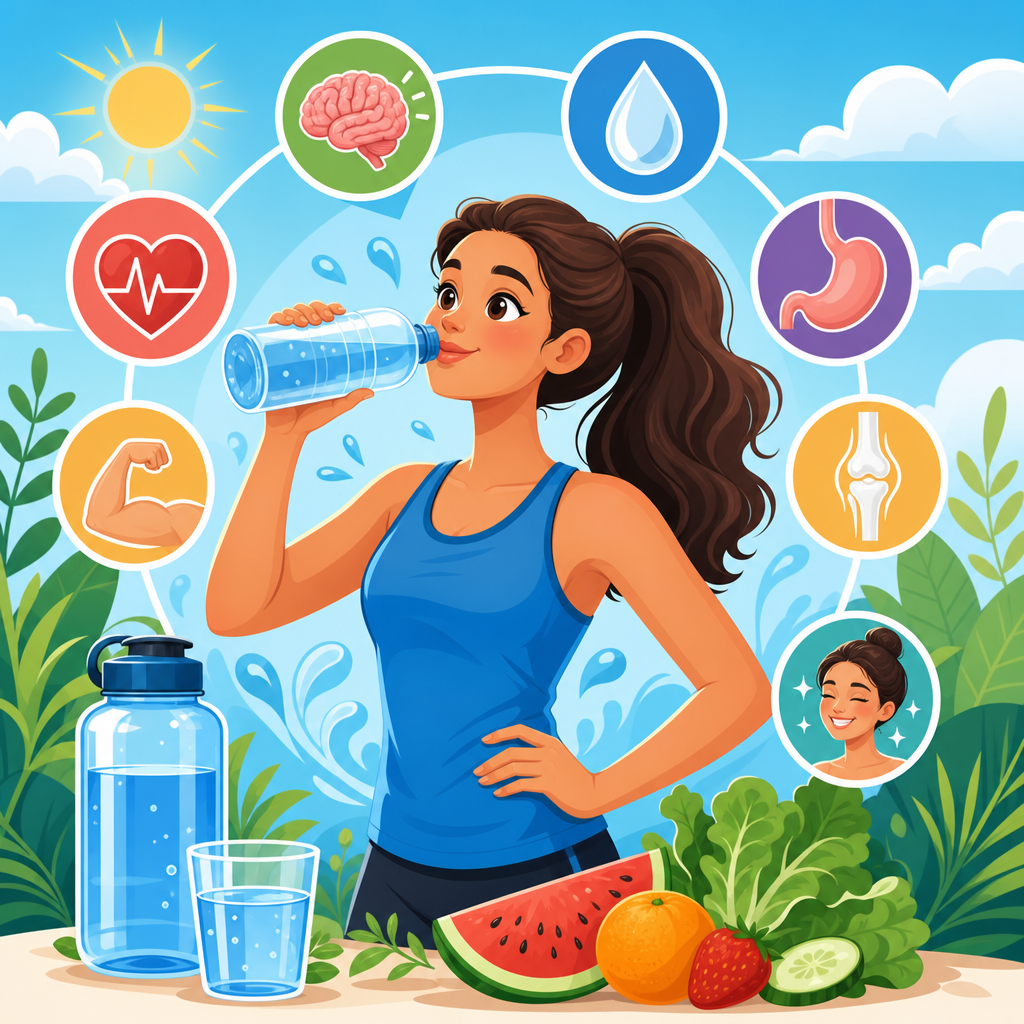
Water is the default hydration choice for most people because it is effective, available, and calorie free. But it is not the only source. Milk, sparkling water, tea, coffee, oral rehydration solutions, sports drinks, and water-rich foods all contribute to total intake. Fruits and vegetables such as watermelon, oranges, strawberries, cucumber, tomatoes, and lettuce can meaningfully support hydration, especially in warm weather. Soups, smoothies, and yogurt can help people who struggle to drink enough.
Electrolytes matter because water balance is inseparable from minerals, especially sodium and potassium. Sodium helps maintain extracellular fluid volume and supports nerve signaling and muscle contraction. Potassium is critical inside cells and helps regulate fluid balance and blood pressure. In everyday life, most people can maintain electrolyte balance through normal meals. During vomiting, diarrhea, extreme heat exposure, or prolonged endurance exercise, however, fluid losses may outpace replacement and oral rehydration solutions can be more effective than plain water because they improve absorption through the sodium-glucose transport mechanism in the small intestine.
| Situation | Best Hydration Option | Why It Works |
|---|---|---|
| Normal daily routine | Water, milk, unsweetened tea, water-rich foods | Replaces routine losses without excess sugar or sodium |
| Workout under 60 minutes | Water | Usually sufficient for modest sweat losses |
| Endurance exercise or heavy sweating | Sports drink or water plus salty food | Replaces fluid, sodium, and some carbohydrate |
| Vomiting or diarrhea | Oral rehydration solution | Improves fluid absorption and replaces electrolytes |
| Older adults with low intake | Scheduled fluids, soups, milk, herbal tea | Supports intake when thirst cues are weak |
Not every beverage is equally helpful. Sugary drinks can add excess calories, alcohol can increase fluid loss and impair judgment, and highly caffeinated drinks may irritate some people, although moderate caffeine intake does not automatically cause dehydration in habitual users. The key is matching the beverage to the situation.
Recognizing Dehydration, Overhydration, and Common Mistakes
The earliest signs of dehydration are often subtle: dry mouth, thirst, headache, darker urine, reduced urine output, fatigue, and declining concentration. As dehydration worsens, symptoms can include dizziness, rapid heartbeat, lethargy, irritability, poor exercise tolerance, and in severe cases confusion or fainting. In infants, warning signs include fewer wet diapers, dry lips, no tears when crying, and unusual sleepiness. In older adults, confusion may appear before obvious thirst. Severe dehydration needs prompt medical attention, especially when linked to heat illness or gastrointestinal losses.
Overhydration is less common but important. Drinking large volumes of plain water rapidly, especially during endurance events, can lower blood sodium and lead to hyponatremia. Symptoms may start with bloating, nausea, headache, and confusion, then become dangerous if swelling affects the brain. I have seen recreational athletes assume that “more water is always better,” then feel worse because they replaced sweat with water but ignored sodium and total duration. Smart hydration means replacing what is lost, not overwhelming the body.
Several common mistakes deserve mention. First, people often confuse dry mouth from mouth breathing, medications, or anxiety with true systemic dehydration. Second, many rely exclusively on thirst, which can lag behind needs during exercise, illness, or aging. Third, some use urine color too rigidly; perfectly clear urine all day may suggest unnecessary overdrinking. Fourth, increasing fiber or protein without increasing fluids can worsen constipation or make meals feel harder to tolerate. Finally, hydration cannot compensate for sleep deprivation, poor diet, or overtraining, though it can reduce the strain those factors place on the body.
Building a Practical Hydration Routine That Lasts
The most effective hydration strategy is simple, repeatable, and adjusted to real life. Start the day with a glass of water, drink with each meal, and keep fluids visible during work, school, travel, and exercise. Use a bottle if it helps, but do not assume a larger bottle automatically creates better habits. Routine matters more than container size. Pair drinking with existing behaviors, such as after brushing your teeth, before meetings, or during commute breaks.
Plan ahead for higher-risk situations. On hot days, begin exercise already hydrated, carry fluids, and replace losses afterward. When flying, increase fluids because dry cabin air can contribute to insensible losses. During illness, small frequent sips may be easier than large amounts at once, and oral rehydration solutions are often best when diarrhea or vomiting is present. If you take medications affecting fluid balance or have kidney, heart, or endocrine conditions, follow individualized medical guidance because unrestricted fluid intake may be inappropriate.
Hydration and its role in health ultimately comes down to supporting the body’s key functions with consistent, informed habits. Water helps maintain blood volume, regulate temperature, transport nutrients, remove waste, protect joints, support digestion, and keep the brain and muscles working smoothly. The right amount is personal, influenced by climate, diet, age, activity, and health status. Most people do best with water as the foundation, electrolyte-containing fluids when losses are high, and daily attention to signs such as urine color, thirst, and energy. If you want a strong nutrition basics routine, make hydration nonnegotiable: assess your current intake, identify situations where you fall behind, and build a plan you can follow every day.
Frequently Asked Questions
What does hydration actually mean, and why is it so important for overall health?
Hydration is the process of maintaining the right balance of water and electrolytes throughout the body so cells, tissues, organs, and body systems can function properly. While many people think hydration simply means drinking enough water, it is more accurate to think of it as a full-body fluid balance system. Water helps regulate body temperature, transport nutrients, remove waste, lubricate joints, protect tissues, support digestion, maintain blood volume, and allow muscles and nerves to work efficiently. Electrolytes such as sodium, potassium, magnesium, and chloride are also essential because they help control fluid movement in and out of cells and support muscle contractions, heart rhythm, and nerve signaling.
When hydration is adequate, the body performs its daily tasks more smoothly. Blood can circulate efficiently, oxygen and nutrients can reach tissues, and the kidneys can filter waste effectively. Even brain function depends heavily on fluid balance, which is why hydration can influence concentration, memory, mood, and mental clarity. On the other hand, even mild dehydration can begin to affect energy levels, physical performance, alertness, and comfort. Because hydration touches nearly every major physiological process, it is not just a wellness trend or a minor habit. It is one of the most fundamental pillars of health and a daily requirement for the body to stay resilient and functional.
How does hydration support the body’s key functions each day?
Hydration supports the body in practical, measurable ways from the moment you wake up to the moment you go to sleep. One of its biggest roles is maintaining blood volume, which allows the cardiovascular system to deliver oxygen and nutrients where they are needed. This is especially important for the brain, muscles, and organs that constantly rely on a steady supply of circulation. Water also plays a central role in temperature regulation. Through sweating and the evaporation of moisture from the skin, the body can cool itself and prevent overheating during exercise, hot weather, or illness.
Hydration is also essential for digestion and metabolism. Fluids help break down food, move it through the digestive tract, and support nutrient absorption. Adequate hydration can help stools remain softer and easier to pass, reducing the likelihood of constipation. The kidneys depend on water to filter the blood and eliminate waste through urine, and the urinary system works best when the body has enough fluid to maintain healthy flow and concentration. In the muscles and nervous system, hydration helps support coordination, muscle contraction, and communication between nerves. This is one reason dehydration may contribute to cramping, fatigue, dizziness, or reduced exercise performance. In short, hydration is not doing just one job in the body; it is helping multiple systems operate together efficiently all day long.
Can you stay hydrated from foods and other beverages, or does it have to come from plain water?
Hydration does not have to come exclusively from plain water. Water is an excellent and simple choice, but the body also receives fluid from a wide range of beverages and water-rich foods. Milk, herbal tea, sparkling water, soups, broths, and many fruits and vegetables all contribute to daily fluid intake. Foods such as cucumbers, oranges, watermelon, strawberries, lettuce, tomatoes, and celery contain a high percentage of water and can meaningfully support hydration as part of a balanced eating pattern. This is one reason diet quality and hydration often work together rather than separately.
That said, beverage choices still matter. Some drinks support hydration better than others, depending on their sugar, sodium, caffeine, or alcohol content. Moderate amounts of caffeinated beverages can still count toward fluid intake for most people, but highly sweetened drinks may add excess calories without offering the same nutritional value as other options. Alcohol deserves extra caution because it can increase fluid loss in some situations and may make dehydration more likely if not balanced with water and food. For people who sweat heavily, exercise intensely, or lose fluids because of heat or illness, drinks that contain electrolytes may sometimes be useful. The big picture is that hydration comes from an overall pattern of fluid intake, food choices, activity level, and environment, not from water alone.
What are the signs of dehydration, and how can you tell if your body needs more fluids?
The signs of dehydration can range from subtle to serious depending on how much fluid the body has lost. Early or mild dehydration may show up as thirst, dry mouth, darker urine, urinating less often, tiredness, headache, reduced focus, or feeling slightly lightheaded. Some people notice lower exercise performance, a faster heart rate during activity, or a sense that normal physical tasks feel harder than usual. Because thirst can lag behind the body’s actual fluid needs, especially in older adults or during intense activity, waiting until you feel very thirsty is not always the best strategy.
More significant dehydration can cause dizziness, weakness, confusion, irritability, sunken eyes, very dark urine, and in severe cases, rapid heartbeat, low blood pressure, or fainting. Children, older adults, athletes, and people who are sick with vomiting, diarrhea, or fever may be at higher risk because fluid losses can increase quickly. A practical way to monitor hydration is to pay attention to urine color and frequency, overall energy, and whether you are replacing fluids lost through sweating or illness. Pale yellow urine is often a sign of reasonable hydration, while consistently dark urine may suggest you need more fluids. If someone cannot keep fluids down, has signs of severe dehydration, or shows confusion or extreme weakness, medical evaluation is important. Recognizing the early warning signs can help prevent minor fluid imbalance from becoming a bigger health issue.
How can someone improve hydration habits in a realistic, healthy way?
The best hydration habits are the ones that fit naturally into daily life and account for individual needs. A realistic approach starts with drinking fluids consistently throughout the day rather than trying to make up for it all at once. Keeping water nearby, drinking with meals, and having fluids before, during, and after exercise can make hydration more automatic. Including water-rich foods in meals and snacks is another effective strategy, especially for people who struggle to remember to drink enough. Many people also benefit from building simple cues into their routine, such as drinking a glass of water after waking up, during work breaks, or after time outdoors.
It is also important to understand that fluid needs are not identical for everyone. Age, body size, climate, physical activity, medications, pregnancy, illness, and health conditions can all affect hydration requirements. Someone exercising in heat will need more fluid than someone spending the day in a cool indoor setting. In some cases, especially after prolonged sweating, replacing electrolytes may matter as much as replacing water. At the same time, more is not always better. Excessive fluid intake can also create imbalances if it greatly dilutes sodium levels. The healthiest strategy is to aim for steady, appropriate hydration by listening to your body, watching for signs of fluid loss, and adjusting intake based on your environment and activity. Consistency, not perfection, is what supports long-term hydration and better overall health.