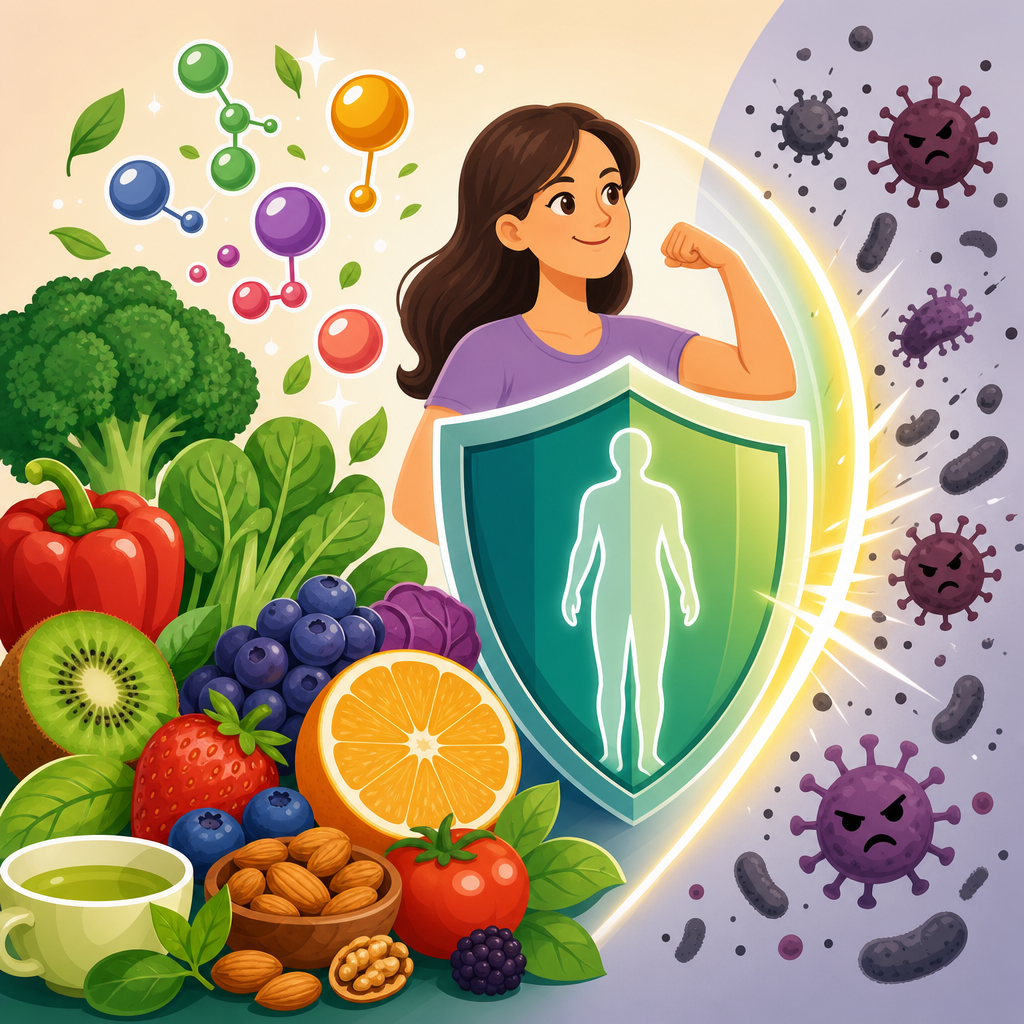
Antioxidants are central to disease prevention because they help control oxidative stress, a biological process linked to aging, inflammation, and the development of many chronic conditions. In nutrition, antioxidants are compounds that can neutralize unstable molecules called free radicals before those molecules damage cells, proteins, and DNA. Free radicals form naturally during metabolism, exercise, immune activity, and exposure to sunlight, pollution, tobacco smoke, alcohol, and certain processed foods. The importance of antioxidants is not that they make the body invincible, but that they support the body’s existing defense systems and reduce cumulative wear on tissues over time.
When I explain this topic to clients, I start with a simple distinction: oxidative stress is not the same as oxidation in food, and antioxidants are not limited to vitamin pills. Oxidative stress refers to an imbalance between reactive oxygen species and the body’s capacity to counter them through enzymes and antioxidant nutrients. That imbalance matters because it is associated with atherosclerosis, type 2 diabetes, neurodegenerative disease, some cancers, eye disorders, and immune dysfunction. The body already makes antioxidant enzymes such as superoxide dismutase, catalase, and glutathione peroxidase, but those systems depend on diet, sleep, recovery, and overall health status.
Food is where most people should focus first. Vitamin C, vitamin E, carotenoids, selenium, polyphenols, and flavonoids all contribute to antioxidant defense, often working together rather than in isolation. Berries, leafy greens, beans, nuts, herbs, cocoa, tea, coffee, and colorful vegetables consistently supply these compounds in forms the body recognizes within a broader food matrix that also includes fiber, minerals, and thousands of phytochemicals. That is why the importance of antioxidants goes beyond a single nutrient claim. It is really about dietary patterns that lower biological stress and help protect long-term health.
This matters because chronic disease risk is shaped by daily exposures accumulated over years. A person does not develop cardiovascular disease or cognitive decline from one low-antioxidant meal, but a pattern of poor intake combined with smoking, sedentary behavior, and high environmental stress can amplify damage. Understanding how antioxidants work gives people a practical framework for prevention. It also helps them avoid misleading shortcuts, especially the assumption that more supplementation always means more protection. In practice, the strongest evidence supports eating a varied, plant-forward diet and using supplements only when a documented need exists.
How antioxidants work inside the body
Free radicals are atoms or molecules with unpaired electrons, which makes them highly reactive. In the body, common reactive species include superoxide, hydroxyl radicals, and hydrogen peroxide. These molecules are not universally harmful. Immune cells use them to destroy pathogens, and cells use redox signaling to regulate adaptation, repair, and metabolism. The problem begins when production outpaces control. Excess reactive species can trigger lipid peroxidation in cell membranes, oxidize LDL particles, alter proteins, and damage genetic material. Over time, that damage contributes to tissue dysfunction and accelerates disease processes.
Antioxidants reduce this burden in several ways. Some directly donate electrons and stabilize free radicals. Others regenerate oxidized antioxidants back into active form; vitamin C, for example, can help restore vitamin E after it has quenched a radical in a cell membrane. Some compounds chelate transition metals such as iron and copper, reducing their ability to catalyze oxidative reactions. Many plant compounds also influence gene expression by activating pathways such as Nrf2, which upregulates endogenous antioxidant enzymes. This is why antioxidant nutrition is more sophisticated than a simple scavenger model.
A useful real-world example is intense exercise. A hard workout temporarily increases oxidative stress, yet this is not automatically harmful. In fact, moderate oxidative signaling helps stimulate adaptation, mitochondrial biogenesis, and recovery. Problems arise when stressors stack up: poor sleep, inadequate calories, low fruit and vegetable intake, overtraining, and smoking. In those cases, antioxidant defenses may be overwhelmed. The goal is balance, not elimination of all oxidation. That distinction is essential because biology depends on controlled stress, while chronic uncontrolled stress drives disease.
Key antioxidant nutrients and food sources
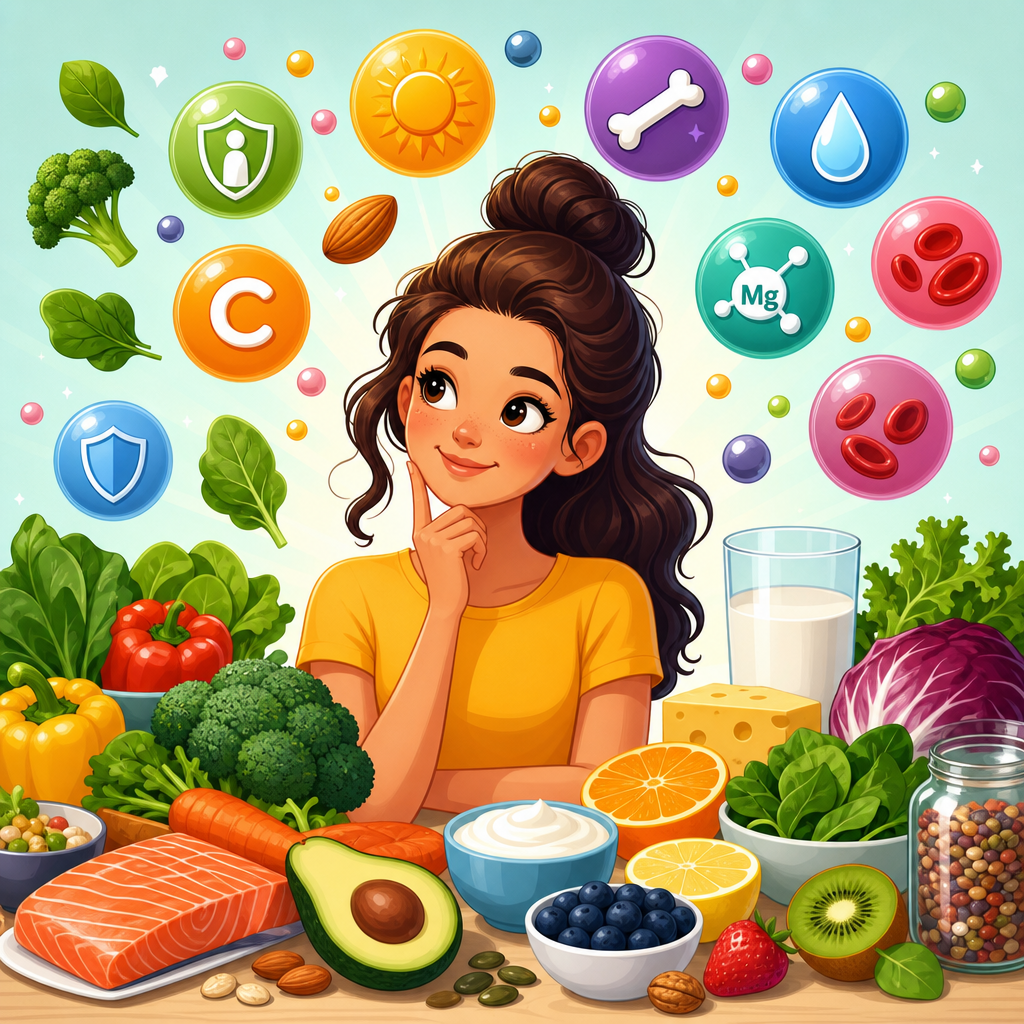
The most important antioxidant nutrients include vitamin C, vitamin E, carotenoids, selenium, zinc, and a wide range of polyphenols. Vitamin C is abundant in citrus, kiwi, strawberries, bell peppers, broccoli, and potatoes. It works in watery environments, supports collagen production, and helps recycle other antioxidants. Vitamin E, found in almonds, sunflower seeds, hazelnuts, wheat germ, and avocado, protects cell membranes from lipid oxidation. Carotenoids such as beta-carotene, lycopene, lutein, and zeaxanthin occur in carrots, sweet potatoes, tomatoes, spinach, kale, and corn. Selenium, present in Brazil nuts, seafood, eggs, and whole grains, is required for glutathione peroxidase activity.
Polyphenols deserve special attention because they are diverse, widely distributed, and often overlooked in basic nutrition advice. Flavonoids in berries, onions, apples, tea, and cocoa; phenolic acids in coffee; and resveratrol in grapes all interact with cellular signaling pathways linked to inflammation and oxidative stress. I have seen clients improve diet quality fastest when they stop chasing one “superfood” and instead build meals around variety: oats with blueberries and walnuts, lentil salad with peppers and parsley, salmon with roasted tomatoes and spinach, or yogurt with cocoa and cherries. Diversity increases the chance of covering multiple antioxidant mechanisms.
| Antioxidant | Main role | Food sources | Disease prevention relevance |
|---|---|---|---|
| Vitamin C | Water-soluble radical neutralization; collagen support | Citrus, kiwi, peppers, broccoli | Supports vascular integrity and immune defense |
| Vitamin E | Protects lipids and cell membranes | Almonds, seeds, avocado, wheat germ | Helps limit lipid oxidation linked to heart disease |
| Carotenoids | Quench singlet oxygen; support vision and signaling | Tomatoes, carrots, kale, sweet potatoes | Associated with eye health and lower chronic disease risk |
| Selenium | Cofactor for antioxidant enzymes | Brazil nuts, seafood, eggs | Supports glutathione systems and thyroid function |
| Polyphenols | Influence inflammation and antioxidant gene pathways | Berries, tea, cocoa, coffee, olives | Linked with cardiometabolic and cognitive protection |
Food synergy matters more than antioxidant scores. Measures like ORAC became popular because they seemed to rank foods neatly, but lab values do not translate directly into clinical benefit. Absorption, metabolism, dose, and interaction with the microbiome all influence outcomes. A cup of blueberries is valuable not because it wins a ranking contest, but because it delivers fiber, anthocyanins, vitamin C, and low energy density within a healthy eating pattern. For readers exploring broader nutrition planning, this hub connects naturally with topics like anti-inflammatory foods, micronutrient density, gut health, and balanced meal composition.
Why oxidative stress is linked to major diseases
The link between antioxidants and disease prevention becomes clearer when you look at how oxidative stress contributes to pathology. In cardiovascular disease, oxidized LDL is more likely to be taken up by macrophages, forming foam cells and promoting atherosclerotic plaque development. Endothelial dysfunction, another early step in heart disease, is worsened by excess reactive species that reduce nitric oxide availability. Diets rich in fruits, vegetables, legumes, nuts, and extra virgin olive oil repeatedly show cardiovascular benefits, partly because they improve this oxidative and inflammatory environment.
In type 2 diabetes and metabolic syndrome, chronic high blood glucose increases oxidative stress through several biochemical pathways, including advanced glycation end products and mitochondrial overproduction of reactive oxygen species. This can damage blood vessels, kidneys, nerves, and retinal tissue. Antioxidant-rich foods help by improving overall diet quality, insulin sensitivity, and vascular function, especially when they replace refined snacks and sugary drinks. The protective effect comes from the pattern: more fiber, more phytochemicals, fewer highly processed foods, and better glycemic control.
Neurodegenerative conditions also show a strong oxidative component. The brain uses large amounts of oxygen, contains oxidation-prone lipids, and has relatively limited antioxidant reserve in certain regions. Research on Alzheimer’s disease and Parkinson’s disease suggests oxidative damage interacts with mitochondrial dysfunction, protein misfolding, and neuroinflammation. No single antioxidant prevents these disorders, but diets emphasizing leafy greens, berries, fish, olive oil, and legumes are associated with slower cognitive decline. Eye health follows a similar theme. Lutein and zeaxanthin accumulate in the retina, where they help protect against light-induced oxidative damage and are relevant to age-related macular degeneration.
Cancer is more complex. Oxidative DNA damage can contribute to mutations, but reactive species also affect cell signaling, immune surveillance, and treatment response. The evidence supports diets rich in plant foods for risk reduction, yet it does not support indiscriminate high-dose antioxidant supplementation during all phases of cancer care. In some settings, large supplemental doses may interfere with therapies that rely partly on oxidative mechanisms. This is a good example of why food-first guidance is more reliable than assuming isolated antioxidants act like broad-spectrum medicine.
Diet patterns, not miracle supplements, drive results
One of the most important lessons in nutrition practice is that antioxidant protection is built through patterns, not through a handful of capsules. The Mediterranean diet is a strong example because it combines olive oil polyphenols, vegetables, legumes, nuts, herbs, fish, and fruit in a consistent routine associated with lower cardiovascular risk and better metabolic outcomes. DASH-style eating patterns also increase antioxidant intake while lowering sodium and improving blood pressure. These dietary models work because they reshape the whole exposure profile: lower oxidation burden, lower inflammation, better lipid control, and improved endothelial function.
Supplements have a role, but that role is narrower than marketing suggests. If someone has low vitamin C intake due to food insecurity, a medically restricted diet, or severe appetite issues, supplementation may help close a gap. Specific nutrients are also used when deficiencies are documented, as with certain bariatric patients, older adults with limited intake, or people with malabsorption disorders. But large trials of isolated antioxidant supplements have often produced disappointing or mixed results, and some have shown harm. High-dose beta-carotene increased lung cancer risk in smokers in major studies, including the ATBC and CARET trials. That finding changed how clinicians discuss antioxidant supplements with high-risk groups.
Practical prevention looks less dramatic but works better. Aim for color variety across the week, include at least one fruit or vegetable at each meal, choose nuts or seeds regularly, cook with herbs and spices, and replace some ultra-processed snacks with beans, yogurt, fruit, or dark chocolate with a high cocoa content. If you drink coffee or tea, they can contribute meaningful polyphenols as part of a balanced diet. If you are considering supplements, use lab data, diagnosis, medications, smoking status, and clinician guidance to make the decision. Precision beats enthusiasm every time.
How to increase antioxidants in everyday meals
The easiest way to raise antioxidant intake is to build repeatable meal patterns rather than chasing perfect days. Breakfast can include oatmeal topped with berries, chia seeds, and cinnamon, or eggs with sautéed spinach and tomatoes. Lunch can be a bean soup, quinoa bowl, or salad with mixed greens, peppers, olive oil, pumpkin seeds, and citrus. Dinner can center on salmon, lentils, tofu, or chicken with two colorful vegetables and a whole grain. These meals naturally increase vitamin C, carotenoids, selenium, flavonoids, and fiber while reducing reliance on low-nutrient processed foods.
Shopping strategy matters. I recommend choosing “three colors and one legume” each week: for example, frozen blueberries, red cabbage, carrots, and chickpeas. Frozen produce is often as nutrient-dense as fresh because it is processed soon after harvest. Canned tomatoes and beans are excellent staples, especially for budget-conscious households. Extra virgin olive oil, green tea, garlic, onions, cocoa powder, and mixed herbs are cost-effective ways to layer in antioxidant compounds. Cooking method also influences retention. Steaming and microwaving often preserve vitamin C better than prolonged boiling, while light cooking can improve carotenoid availability from tomatoes and carrots.
Consistency matters more than novelty. A simple, sustainable routine beats an expensive basket of specialty powders that sits untouched. Review your current meals, identify where color and plant variety are missing, and make one upgrade this week. Over time, that approach strengthens antioxidant defenses, supports disease prevention, and builds a more resilient nutritional foundation for every other health goal.
Frequently Asked Questions
Why are antioxidants considered so important for disease prevention?
Antioxidants are considered important for disease prevention because they help protect the body from oxidative stress, a process that occurs when free radicals outnumber the body’s defenses. Free radicals are unstable molecules produced naturally during normal metabolism, physical activity, and immune responses, but they can also increase because of outside factors such as air pollution, tobacco smoke, alcohol, UV exposure, and certain chemicals. When free radicals build up, they can damage cells, proteins, fats, and DNA. Over time, that damage may contribute to chronic inflammation, faster aging, and a higher risk of developing conditions such as cardiovascular disease, type 2 diabetes, neurodegenerative disorders, and some cancers.
Antioxidants work by neutralizing free radicals before they trigger widespread cellular damage. This does not mean antioxidants can “cure” disease on their own, but they play a meaningful role in reducing one of the underlying processes that contributes to disease development. The body makes some of its own antioxidant defenses, and it also relies on nutrients from food, including vitamin C, vitamin E, beta-carotene, selenium, and many plant compounds such as flavonoids and polyphenols. In practical terms, antioxidants support the body’s long-term resilience by helping preserve healthy tissues, support immune function, and lower the burden of oxidative damage that can accumulate over years.
How do free radicals and oxidative stress affect the body?
Free radicals are highly reactive molecules that have one or more unpaired electrons, which makes them unstable. To become more stable, they react with nearby molecules in the body, including cell membranes, proteins, and DNA. This chain of reactions can disrupt normal cell function and create more damage if it is not controlled. Oxidative stress is the term used when there is an imbalance between free radical production and the body’s ability to neutralize them using antioxidants and repair systems.
In the short term, free radicals are not always harmful. In fact, the body uses them for useful purposes, such as signaling between cells and helping immune cells destroy pathogens. The problem arises when exposure is excessive or chronic. Persistent oxidative stress can injure blood vessels, alter cholesterol particles in ways that promote plaque buildup, interfere with insulin signaling, accelerate tissue wear and tear, and damage genetic material. This is one reason oxidative stress is often discussed in relation to heart disease, metabolic disorders, inflammatory conditions, eye disease, and cognitive decline. The body is designed to manage some level of oxidative activity, but consistent support through healthy diet and lifestyle choices helps prevent that balance from tipping in the wrong direction.
Which foods are the best sources of antioxidants?
The best sources of antioxidants are typically whole plant foods, especially those that are colorful, varied, and minimally processed. Fruits such as berries, cherries, oranges, grapes, and pomegranates are well known for their antioxidant content. Vegetables like spinach, kale, broccoli, red cabbage, carrots, sweet potatoes, tomatoes, and bell peppers also provide important antioxidant compounds. Nuts, seeds, beans, herbs, spices, green tea, cocoa, and whole grains can contribute as well. Different foods provide different antioxidants, which is why variety matters more than focusing on one “superfood.”
For example, vitamin C is abundant in citrus fruits, strawberries, kiwi, and peppers. Vitamin E is found in almonds, sunflower seeds, and vegetable oils. Carotenoids such as beta-carotene and lycopene are found in carrots, sweet potatoes, and tomatoes. Polyphenols and flavonoids are concentrated in foods such as berries, tea, onions, apples, and dark chocolate with high cocoa content. Eating a range of these foods regularly gives the body access to many protective compounds that can work together. A balanced eating pattern rich in vegetables, fruits, legumes, nuts, and other whole foods is generally more effective than relying on isolated nutrients, because foods naturally contain combinations of antioxidants, fiber, vitamins, minerals, and other beneficial substances that support overall health.
Are antioxidant supplements as effective as getting antioxidants from food?
In most cases, antioxidants from food are preferred over supplements for general health and disease prevention. Whole foods provide antioxidants in forms and combinations that the body is well adapted to use. They also come packaged with fiber, healthy fats, minerals, and other phytochemicals that may enhance absorption and work together in ways supplements cannot fully replicate. Research consistently suggests that dietary patterns rich in antioxidant-containing foods are associated with better long-term health outcomes.
By contrast, high-dose antioxidant supplements have produced mixed results in research, and in some cases they may even be harmful for certain people. For example, very large doses of specific antioxidant supplements may interfere with normal cellular signaling or interact with medications and medical conditions. Some studies have shown that supplementing single antioxidants in isolation does not necessarily provide the same protective effect seen with antioxidant-rich diets. That does not mean supplements are never useful. They may be appropriate in cases of diagnosed nutrient deficiencies, restricted diets, malabsorption issues, or specific medical guidance from a healthcare professional. Still, for most people, the strongest foundation is to get antioxidants through a consistent, varied diet rather than depending on pills or powders.
What are the best everyday habits for increasing antioxidant protection and lowering disease risk?
The most effective everyday approach is to combine an antioxidant-rich diet with broader lifestyle habits that reduce unnecessary oxidative stress. Start by building meals around vegetables, fruits, beans, nuts, seeds, and whole grains, and aim for a wide range of colors throughout the week. Color diversity often reflects a diversity of protective plant compounds. Choosing foods that are less processed and limiting excess intake of sugary foods, heavily fried items, and processed meats can also support better overall balance. Hydration matters, and so does preparing foods in healthy ways, such as steaming, roasting, sautéing lightly, or eating some produce raw when appropriate.
Lifestyle factors are just as important. Avoiding smoking is one of the most powerful ways to reduce free radical exposure. Limiting alcohol, protecting skin from excessive sun exposure, managing stress, sleeping well, and staying physically active all help the body regulate inflammation and oxidative stress more effectively. Regular exercise is beneficial even though it temporarily increases free radical production, because it strengthens the body’s natural antioxidant defense systems over time. Managing chronic conditions such as obesity, high blood pressure, and diabetes is also important, since these conditions can increase oxidative damage. In other words, antioxidant protection is not about one nutrient or one meal. It is about a long-term pattern of choices that supports the body’s built-in defense and repair systems.