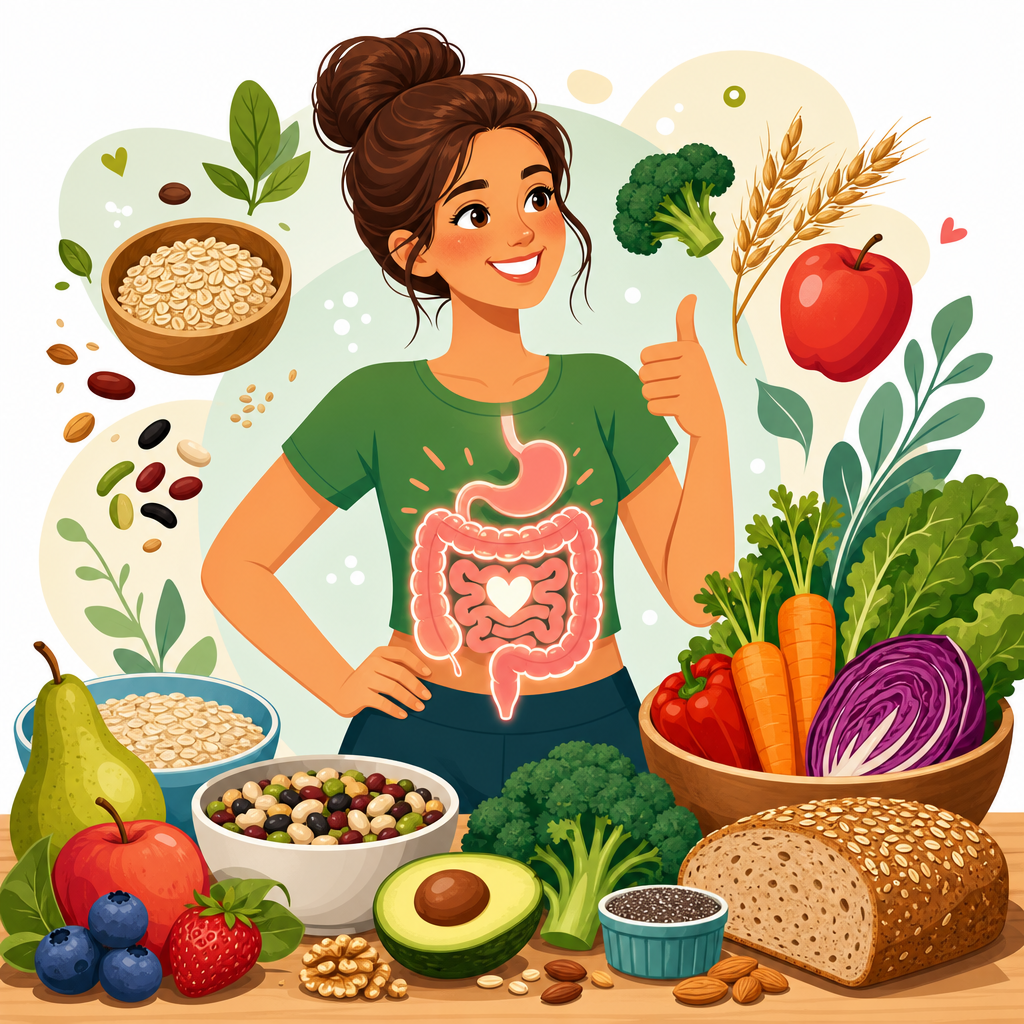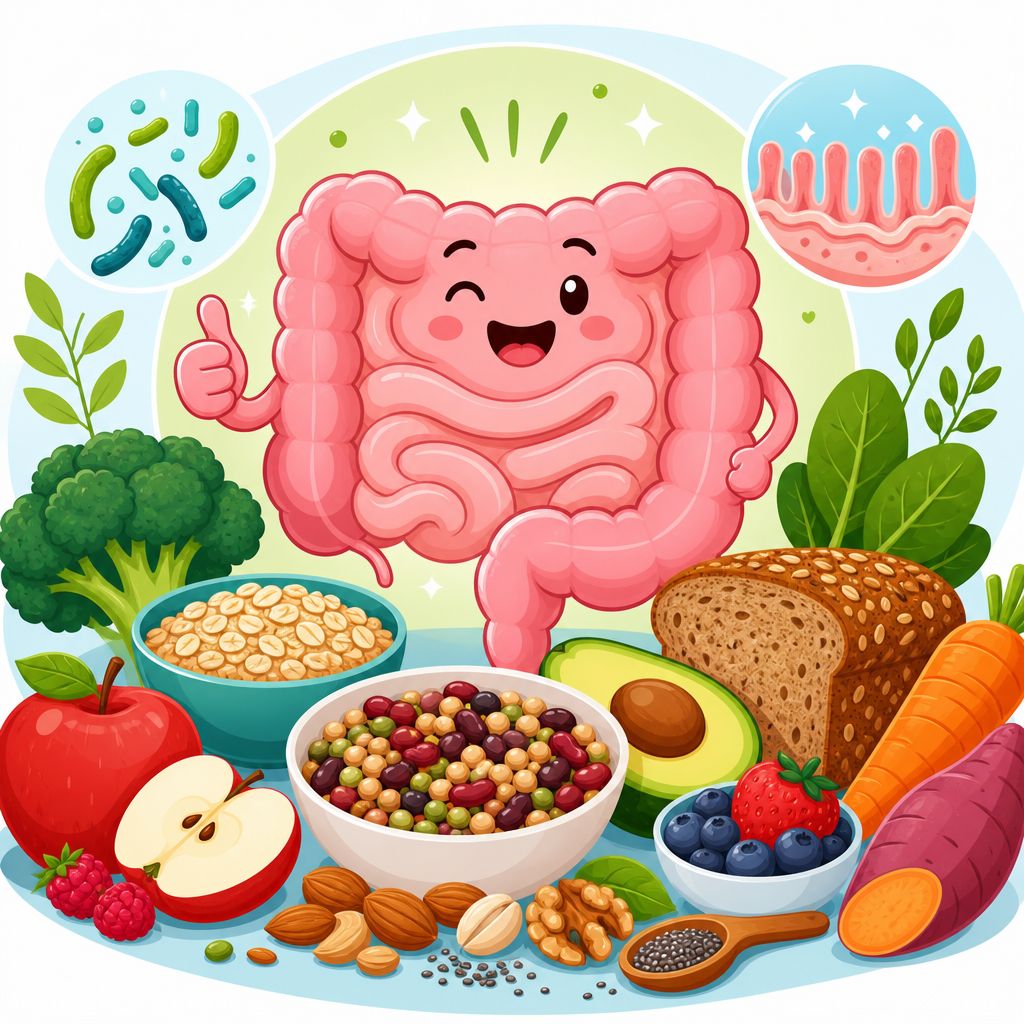
Dietary fiber and digestive health are inseparable topics because fiber shapes how food moves through the gastrointestinal tract, how gut microbes function, and how comfortably the body eliminates waste. In nutrition practice, I have seen fiber dismissed as little more than roughage, yet the science is far richer. Dietary fiber refers to carbohydrate components in plant foods that resist digestion in the small intestine and reach the colon partly or fully intact. The main categories are soluble fiber, which dissolves in water and forms viscous gels, and insoluble fiber, which adds bulk and speeds intestinal transit. A third useful concept is fermentability, or how readily gut bacteria break fiber down into short-chain fatty acids.
This matters because digestive health is not just the absence of constipation. It includes regular bowel movements, stool quality, gut barrier integrity, a balanced microbiome, reduced gastrointestinal symptoms, and lower long-term risk of disorders affecting the colon and metabolism. Fiber influences all of these. Research consistently links higher fiber intake with healthier bowel patterns, lower rates of diverticular disease, improved symptom control in some patients with irritable bowel syndrome, and beneficial shifts in microbial activity. Major authorities, including the National Academies and many public health agencies, recommend roughly 14 grams of fiber per 1,000 calories, which translates to about 25 grams daily for many women and 38 grams for many men, yet average intake in the United States remains far below target.
As a hub topic within Nutrition Basics, fiber deserves a broad, practical explanation because readers usually ask the same core questions. What does fiber actually do in digestion? Which foods provide the most? Is one type better than another? Can too much fiber backfire? The evidence-based answer is that fiber supports digestive health through several mechanisms, but the right amount, type, and pace of increase matter. Understanding those details helps people build a sustainable eating pattern instead of chasing supplements or single “superfoods.”
How Fiber Works Inside the Digestive System
Fiber begins affecting digestion before food even reaches the stomach. Foods naturally rich in fiber often require more chewing, which can slow eating and support satiety. Once in the stomach and small intestine, soluble fibers such as beta-glucan in oats, psyllium, pectins in fruit, and guar gum absorb water and increase viscosity. That gel-forming property slows gastric emptying and alters the rate at which nutrients contact the intestinal lining. Insoluble fibers, found in wheat bran, many vegetables, nuts, seeds, and whole grains, contribute structure and fecal bulk. They are especially useful for improving stool weight and reducing transit time.
In the colon, fermentable fibers become fuel for gut microbes. Bacteria metabolize fibers such as inulin, resistant starch, fructooligosaccharides, galactooligosaccharides, and some hemicelluloses into short-chain fatty acids, primarily acetate, propionate, and butyrate. Butyrate is particularly important because colon cells use it as a preferred energy source. It supports epithelial integrity, helps maintain an appropriate colonic environment, and is associated with anti-inflammatory effects. This is one reason fiber benefits extend beyond simply “keeping you regular.” It changes the biology of the colon itself.
Water is part of the equation. Fiber without adequate fluid can worsen bloating or hard stools in some people, particularly when intake rises abruptly. In practice, the digestive benefits of fiber come from the interaction of type, dose, fluid intake, gut motility, and the existing microbiome. That is why two people can respond differently to the same food. A bowl of lentils may improve one person’s regularity while causing another person temporary gas until the microbiome adapts.
What Science Says About Fiber and Common Digestive Outcomes
The strongest evidence for fiber’s digestive benefit involves constipation. Increased intake of fiber-rich foods or targeted supplemental fibers can improve stool frequency, stool consistency, and ease of passage, although the response depends on the fiber used. Psyllium has some of the best evidence because it is soluble, viscous, and only moderately fermentable, which means it can soften stools without producing as much gas as highly fermentable fibers. Wheat bran can also help some people, especially when low stool bulk is part of the problem, though it may aggravate symptoms in sensitive individuals.
Fiber also appears protective against diverticular disease. Large prospective cohort studies have found that people who consume more total fiber, especially from fruit and cereal sources, tend to have lower rates of diverticulitis. The mechanism is likely multifactorial: bulkier stools, lower intracolonic pressure, improved microbial activity, and lower inflammation. The older idea that nuts, seeds, and popcorn should be universally avoided in diverticular disease has not held up well under modern evidence. In many cases, those foods can be included unless an individual notices clear intolerance.
For irritable bowel syndrome, the picture is more nuanced. Fiber is not one uniform treatment. Insoluble bran often does not help and may worsen pain or bloating. Soluble fibers, especially psyllium, are more consistently useful. Fermentable short-chain carbohydrates can trigger symptoms in some IBS patients, which is why foods rich in certain fibers may need to be adjusted temporarily during structured dietary therapy. In my experience, the mistake is telling people with IBS to simply “eat more fiber” without specifying type, amount, and symptom pattern.
There is also a long-term colorectal health angle. Higher fiber intake is associated with a lower risk of colorectal cancer in many observational studies, particularly when fiber comes from whole grains. No single food guarantees protection, but the consistency of the association, combined with plausible mechanisms such as diluted carcinogen exposure, faster transit, and short-chain fatty acid production, makes fiber a foundational part of colorectal prevention strategies.
Best Food Sources of Dietary Fiber
The best dietary fiber sources are whole plant foods because they deliver a matrix of fiber types, water, polyphenols, vitamins, and minerals. Legumes are among the highest-fiber staples and are consistently underused. Lentils, black beans, chickpeas, split peas, and edamame provide substantial total fiber while also contributing protein. Whole grains such as oats, barley, bulgur, quinoa, brown rice, and 100 percent whole wheat products improve intake further. Fruits add pectin and other soluble fibers, especially berries, pears, apples, oranges, and kiwi. Vegetables such as artichokes, Brussels sprouts, broccoli, carrots, and sweet potatoes are especially useful for volume and variety. Nuts and seeds, including chia, flax, almonds, and pistachios, provide fiber in smaller serving sizes.
Food diversity matters because different fibers nourish different bacterial species and affect stool differently. Someone who relies only on bran cereal may increase total grams but miss the broader microbiome benefits of beans, oats, fruit, and vegetables. A practical weekly pattern includes oatmeal at breakfast, beans or lentils several times a week, at least one fruit daily, vegetables at both lunch and dinner, and a whole-grain starch in place of refined grains when possible.
| Food | Typical Serving | Approximate Fiber | Digestive Strength |
|---|---|---|---|
| Lentils, cooked | 1 cup | 15 to 16 g | High total fiber, supports stool bulk and fermentation |
| Black beans, cooked | 1 cup | 15 g | Excellent for overall intake and microbiome diversity |
| Oats, dry | 1/2 cup | 4 g | Provides beta-glucan, a viscous soluble fiber |
| Psyllium husk | 1 tablespoon | 6 to 7 g | Well supported for constipation and mixed bowel patterns |
| Raspberries | 1 cup | 8 g | High fruit fiber with water and polyphenols |
| Pear with skin | 1 medium | 5 to 6 g | Useful everyday source of soluble and insoluble fiber |
| Broccoli, cooked | 1 cup | 5 g | Adds bulk and supports meal volume |
| Chia seeds | 2 tablespoons | 10 g | Absorbs water and can improve stool consistency |
Fiber Supplements, Resistant Starch, and Special Cases
Fiber supplements can be effective, but they should solve a clear problem rather than replace a food-based pattern. Psyllium is the best-supported general option for people with constipation, variable stool form, or mild IBS symptoms because it forms a gel and holds water. Methylcellulose is less fermentable and may be better tolerated when gas is a major issue. Inulin and wheat dextrin are common ingredients in powders and bars, but they are not interchangeable with psyllium; inulin is highly fermentable and can increase bloating in sensitive people. Clinicians choose fibers based on physiology, not marketing terms.
Resistant starch deserves special mention because it behaves differently from classic fiber but delivers related benefits. It escapes digestion in the small intestine and is fermented in the colon. Sources include cooked and cooled potatoes, green bananas, beans, and some whole grains. Resistant starch can increase butyrate production and may improve stool patterns, though tolerance varies. This area of science is active, and responses are individualized because microbiome composition influences fermentation efficiency.
There are also situations where less fiber is temporarily appropriate. During acute gastrointestinal flares, after certain surgeries, with bowel strictures, or in active inflammatory bowel disease complications, a lower-fiber approach may reduce mechanical irritation. This does not mean fiber is harmful in general; it means digestive care must match the condition. Once symptoms stabilize, many patients can gradually reintroduce tolerated fibers under medical guidance.
How to Increase Fiber Without Causing More Problems
The safest way to increase dietary fiber for digestive health is gradually. A sudden jump from 12 grams a day to 35 grams often produces gas, distention, and discomfort because the gut microbiota and intestinal handling need time to adjust. A better strategy is adding 3 to 5 grams every few days while increasing fluids. For example, start by replacing a refined breakfast with oatmeal and berries, then add beans to lunch twice a week, then swap white rice for barley or brown rice at dinner. This pace improves adherence and symptoms.
Pay attention to stool pattern, not just total grams. The Bristol Stool Form Scale is useful in practice: hard, lumpy stools suggest low fluid, low bulk, or slow transit; loose stools may improve with gel-forming fiber such as psyllium. If bloating becomes pronounced, reduce highly fermentable additions and retry with smaller portions. Cooking vegetables, soaking beans, and using canned beans rinsed well can also improve tolerance.
Digestive health improves most when fiber is part of a larger pattern that includes movement, hydration, and regular meals. Walking stimulates motility. Skipping meals can worsen constipation in some people because the gastrocolic reflex is less consistently triggered. Ultra-processed diets low in plant variety often undermine fiber goals even when a supplement is added. The practical goal is not perfection. It is building a repeatable routine that supplies enough total fiber, enough fluid, and enough variety to support regular elimination and a healthier colonic environment.
Dietary fiber and digestive health belong at the center of basic nutrition because fiber affects stool quality, transit time, microbial fermentation, and the resilience of the colon lining. The science is clear on the broad point: people who eat more fiber from diverse plant foods generally have better bowel regularity and lower risk of several digestive disorders. The details matter, though. Soluble, viscous fibers such as psyllium and oat beta-glucan behave differently from insoluble bran, and highly fermentable fibers can help or hinder depending on the person and the condition.
The most useful takeaway is practical. Aim to raise fiber intake with foods first: beans, lentils, oats, fruit, vegetables, nuts, seeds, and whole grains. Increase gradually, drink enough fluid, and match the type of fiber to the symptom pattern. If constipation is the issue, psyllium is often a smart evidence-based option. If IBS is the issue, be more selective and avoid assuming every fiber will help. If you have a diagnosed gastrointestinal disease, tailor intake with a clinician rather than following generic advice.
Used well, fiber is not a fad or a single-number target. It is a daily tool for better digestion and better long-term gastrointestinal health. Review your current meals, identify one low-fiber habit you can replace this week, and build from there. Small consistent changes are how digestive health improves and stays improved over time.
Frequently Asked Questions
What is dietary fiber, and why is it so important for digestive health?
Dietary fiber is the portion of plant foods that resists digestion in the small intestine and travels to the large intestine partly or fully intact. While fiber is often described simply as “roughage,” that label does not capture how biologically active it is. Fiber helps regulate how food moves through the gastrointestinal tract, supports stool formation, influences water balance in the intestines, and nourishes beneficial gut microbes. In practical terms, it helps the digestive system function more efficiently and comfortably.
There are different types of fiber, and they do not all behave the same way. Soluble fiber dissolves in water and can form a gel-like substance, which may help slow digestion, soften stool, and support a healthier intestinal environment. Insoluble fiber adds bulk to stool and can help speed intestinal transit, making bowel movements more regular. Many plant foods contain a mix of both, which is one reason whole foods such as beans, oats, fruits, vegetables, nuts, seeds, and whole grains are so valuable.
Science also shows that fiber has an important relationship with the gut microbiome. Certain fibers are fermented by bacteria in the colon, producing short-chain fatty acids such as butyrate, acetate, and propionate. These compounds help support the cells lining the colon, contribute to a healthier gut barrier, and may reduce inflammation. So when we talk about fiber and digestive health, we are not just talking about preventing constipation. We are talking about supporting gut motility, microbial balance, stool quality, and the long-term resilience of the digestive system.
How does fiber help with constipation and regular bowel movements?
Fiber helps with constipation primarily by improving stool consistency and supporting more predictable bowel movements. Insoluble fiber increases stool bulk by adding material that holds structure as it passes through the digestive tract. This can stimulate intestinal movement and help waste move through the colon more efficiently. Soluble fiber, on the other hand, absorbs water and forms a softer, gel-like mass that can make stool easier to pass. Together, these effects often improve regularity and reduce the strain associated with constipation.
That said, fiber works best when it is introduced thoughtfully and paired with adequate fluid intake. A sudden increase in high-fiber foods or fiber supplements can cause bloating, gas, or discomfort, especially in people who are used to eating very little fiber. In practice, the best results usually come from gradually increasing fiber over days or weeks while also drinking enough water and maintaining regular physical activity. This gives the digestive system time to adapt and lets gut microbes adjust to the change.
It is also worth noting that not every type of constipation responds the same way to fiber. For many people, especially those with low dietary fiber intake, increasing fiber can be very effective. But in some digestive conditions, the issue may involve pelvic floor dysfunction, medication side effects, or slow-transit constipation, where fiber alone may not fully solve the problem. The science supports fiber as a foundational strategy for regularity, but it should be seen as one part of a broader digestive health approach rather than a one-size-fits-all fix.
What does science say about fiber and the gut microbiome?
Modern research strongly supports the idea that dietary fiber is one of the most important nutrients for maintaining a healthy gut microbiome. Many fibers serve as fuel for beneficial bacteria in the colon. When these microbes ferment fiber, they produce short-chain fatty acids, including butyrate, which is especially important because it helps nourish colon cells and supports the integrity of the intestinal lining. A stronger intestinal barrier can help the gut function more effectively and may reduce unwanted irritation or inflammation.
Fiber also helps shape microbial diversity, which is generally considered a sign of a healthier and more resilient gut ecosystem. Diets rich in varied plant foods tend to expose the microbiome to a broader range of fibers, and different microbes thrive on different substrates. This means that eating a diverse range of fiber-containing foods may be more beneficial than relying on just one source. From a digestive health perspective, this diversity can translate into better fermentation patterns, improved stool quality, and more stable bowel habits.
Importantly, more fiber is not always better in every situation, especially for individuals with highly sensitive digestion, active gastrointestinal symptoms, or certain medically diagnosed conditions. Some fermentable fibers can worsen gas or bloating in the short term if the gut is not accustomed to them. However, the overall scientific picture is clear: fiber is central to feeding the microbiome, supporting colon health, and creating an internal environment that favors digestive function. In many ways, fiber acts as a bridge between what we eat and how our gut ecosystem behaves.
Can eating more fiber reduce bloating and other digestive discomforts, or can it make them worse?
Fiber can do both, depending on the person, the type of fiber, and how quickly intake increases. Over the long term, an appropriate amount of fiber often improves digestive comfort by supporting regular bowel movements, reducing stool stagnation, and promoting a healthier microbial balance. People who are constipated often experience bloating because stool remains in the colon too long. In those cases, improving fiber intake gradually can reduce pressure, improve transit, and make the abdomen feel less heavy or distended.
At the same time, increasing fiber too quickly can temporarily make bloating, gas, and cramping worse. This is especially true with rapidly fermentable fibers, because gut bacteria produce gas as they break them down. Foods such as beans, lentils, onions, certain fruits, and some fiber supplements can be helpful for many people, but they may need to be introduced slowly in sensitive individuals. The body often adapts over time, but that adjustment period matters.
The key is personalization. Someone with generally healthy digestion may tolerate a quick increase in plant foods with minimal issues, while someone with irritable bowel syndrome, recent digestive illness, or a very low-fiber baseline may need a slower approach. Cooking vegetables, choosing gentler sources such as oats or chia, spacing fiber throughout the day, and drinking enough fluids can all improve tolerance. The science does not support the idea that fiber is inherently irritating; rather, it shows that fiber is beneficial when matched to the individual’s digestive capacity and introduced in a way the gut can handle comfortably.
What are the best ways to increase fiber intake safely and effectively?
The most effective way to increase fiber intake is to focus on whole foods and make changes gradually. Rather than jumping from a low-fiber pattern to a very high-fiber diet overnight, it is usually better to add one or two fiber-rich foods at a time. For example, someone might start by adding berries or oatmeal at breakfast, beans or lentils a few times per week, and an extra serving of vegetables at lunch or dinner. Whole grains, nuts, seeds, and fruits with edible skins can also help increase intake steadily.
Hydration is essential when increasing fiber. Fiber interacts with water, and without enough fluid, some forms of fiber may contribute to harder stools or digestive discomfort instead of improving elimination. Regular movement also matters, since physical activity helps stimulate bowel motility. For many people, the combination of more fiber, better hydration, and consistent movement produces better results than any one strategy on its own.
Fiber supplements can be useful, but they should be seen as tools rather than substitutes for a plant-rich diet. Psyllium, for example, is well studied and can help with stool regularity in some people. Even so, whole foods provide a broader nutritional package, including vitamins, minerals, antioxidants, and different fiber types that work together in the gut. The safest and most sustainable approach is to build fiber intake from a variety of plant foods, monitor how digestion responds, and adjust based on tolerance. If symptoms persist despite dietary changes, or if there is significant pain, bleeding, or unexplained weight loss, it is wise to seek medical evaluation rather than assume fiber alone is the answer.