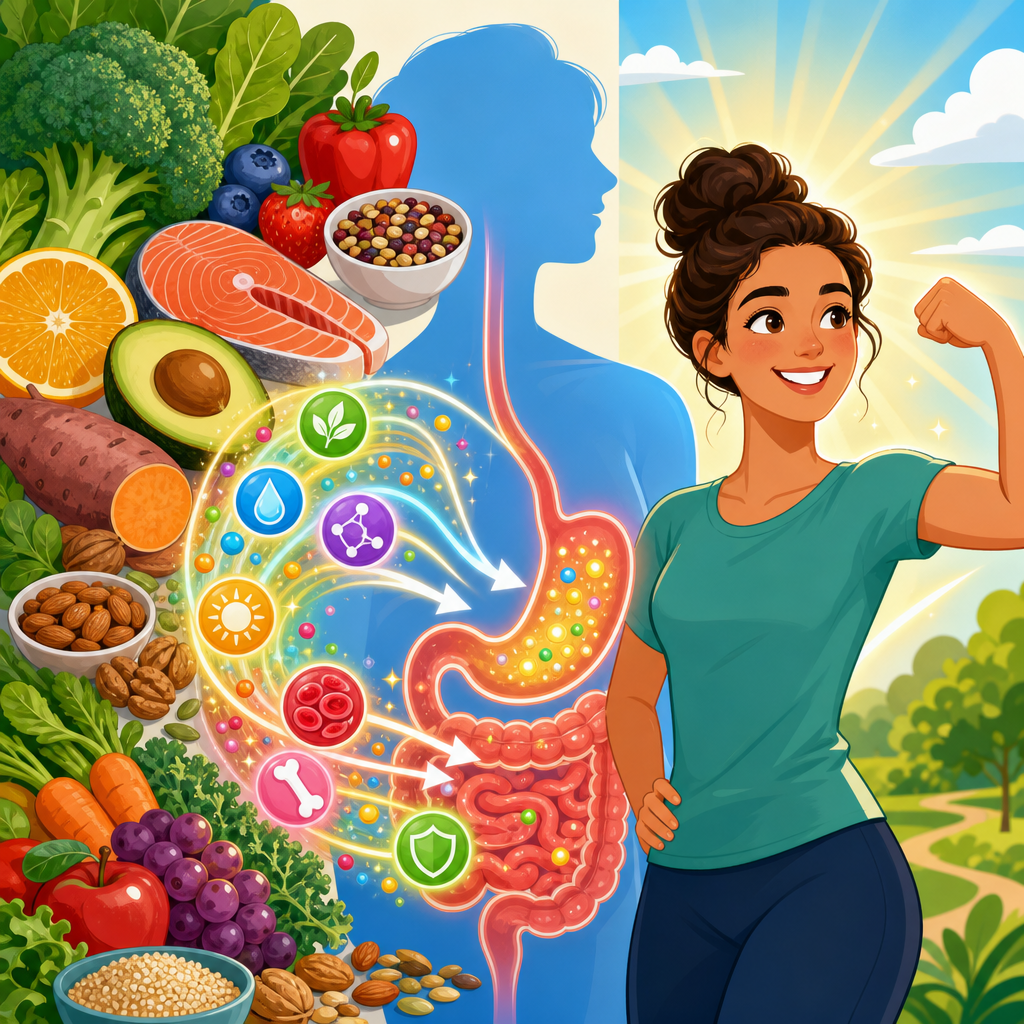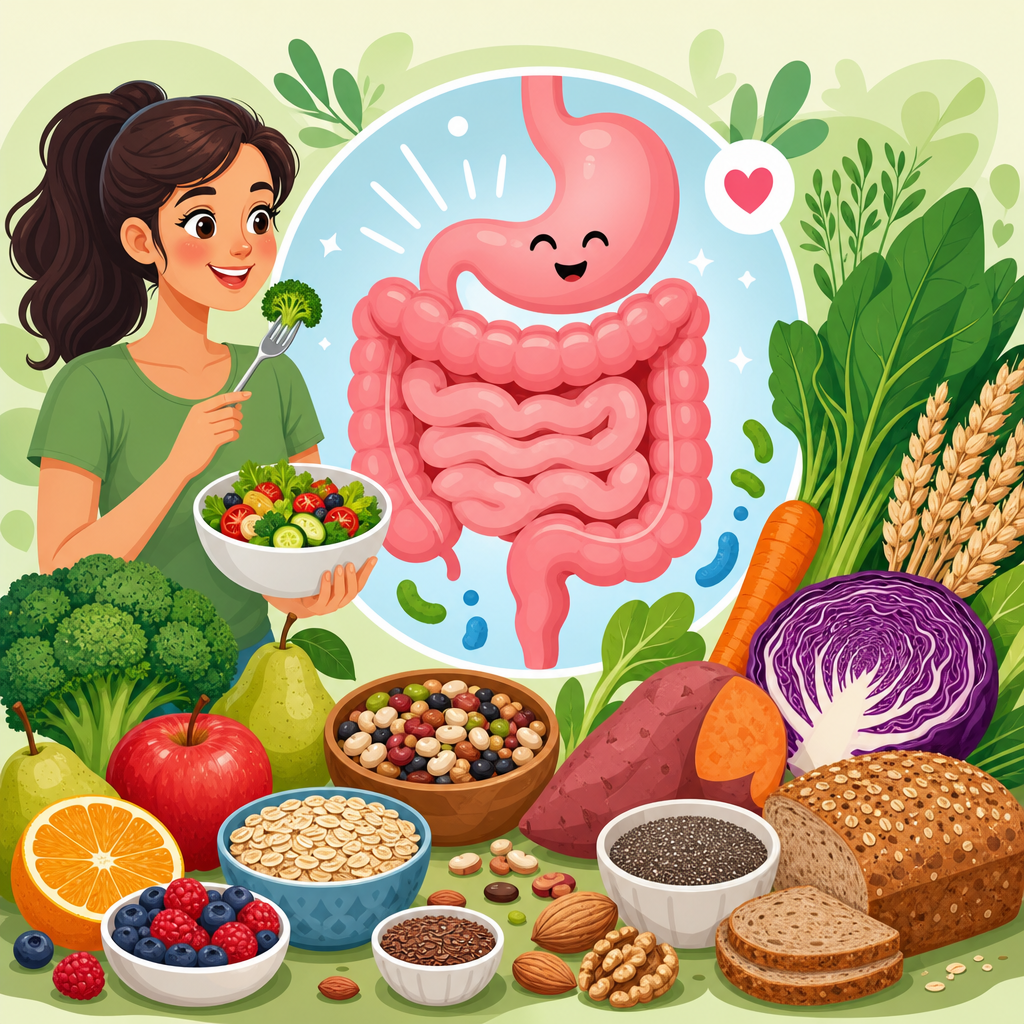
Dietary fiber and digestive health are central to a healthy diet because they influence bowel regularity, gut microbiome balance, blood sugar control, cholesterol levels, satiety, and long-term disease risk. Fiber is the portion of plant foods that resists digestion in the small intestine and reaches the colon largely intact, where it adds bulk, absorbs water, or becomes fuel for beneficial gut bacteria. In practice, that simple definition matters far more than many people realize. When I review food logs or help people improve eating patterns, low fiber intake is one of the most common gaps, even in diets that look healthy on the surface. People may eat enough calories and even enough protein, yet still fall short on beans, vegetables, fruit, whole grains, nuts, and seeds, which are the main foods that support digestive function consistently.
Digestive health refers to how well the gastrointestinal tract breaks down food, absorbs nutrients, moves waste, and supports a balanced intestinal environment. It includes regular bowel movements, comfortable digestion, a resilient gut barrier, and a microbiome that produces useful compounds such as short-chain fatty acids. The reason fiber and digestive health belong together is straightforward: fiber shapes stool form, transit time, fermentation, and the composition of gut microbes. A healthy digestive system does more than prevent constipation. It affects appetite regulation, immune signaling, metabolic health, and day-to-day comfort. People often search for quick fixes like detoxes, juices, or supplements, but the strongest evidence still points to a durable routine built on fiber-rich foods, hydration, and meal patterns that the gut can handle well.
Most adults do not meet recommended fiber targets. The Academy of Nutrition and Dietetics and U.S. dietary guidance commonly point to about 14 grams of fiber per 1,000 calories, which works out to roughly 25 grams per day for many women and 38 grams per day for many men, with needs varying by age, intake, and clinical context. Average intake is typically much lower. That shortfall helps explain why so many people deal with constipation, erratic bowel habits, poor fullness after meals, and diets that rely too heavily on refined carbohydrates. Understanding fiber is therefore not a niche topic. It is a nutrition basic, and this hub article covers the core ideas you need to connect dietary fiber and digestive health in practical, evidence-based terms.
What Dietary Fiber Is and Why Different Types Matter
Dietary fiber is not one single substance. It is a category that includes non-digestible carbohydrates and related compounds naturally present in plant foods. The most useful way to think about fiber is by what it does in the body. Some fibers are more viscous, meaning they form a gel-like texture in water. These can slow gastric emptying, moderate glucose absorption, and help reduce LDL cholesterol by binding bile acids. Oats, barley, beans, and psyllium are classic examples. Other fibers are less fermentable but excellent at increasing stool bulk and reducing intestinal transit time. Wheat bran is the standard example used in clinical nutrition because it can improve regularity effectively.
You will also see the terms soluble and insoluble fiber, and they are still useful, but they do not tell the whole story. A fiber can be soluble without being especially fermentable, and a fiber can be insoluble yet still helpful for stool quality. Fermentable fibers deserve special attention because bacteria in the colon convert them into short-chain fatty acids such as acetate, propionate, and butyrate. Butyrate is especially important because colon cells use it as a preferred energy source, and it is associated with support for gut barrier integrity and local anti-inflammatory effects. Foods that contribute fermentable fibers include onions, garlic, oats, legumes, bananas, asparagus, and many other plant foods. Resistant starch, found in foods such as cooled potatoes, green bananas, legumes, and some whole grains, behaves in a similar beneficial way.
In real diets, the best strategy is variety rather than obsessing over labels. A bowl of oatmeal with berries and chia seeds, lentil soup with vegetables, or a meal built around brown rice, black beans, avocado, and roasted broccoli gives you multiple fiber types at once. That variety is important because the digestive system benefits from both bulking effects and fermentation. People who focus only on one isolated supplement often miss the broader nutritional package of whole foods, including potassium, magnesium, polyphenols, and water content, all of which contribute to digestive health.
How Fiber Supports Digestion, Regularity, and the Gut Microbiome
The most direct answer to the question “How does fiber improve digestive health?” is this: fiber helps create stools that are easier to pass, supports beneficial gut bacteria, and promotes a healthier intestinal environment. Bulking fibers increase stool mass, which stimulates movement through the colon. Viscous fibers absorb water and can soften stool consistency when fluid intake is adequate. Fermentable fibers feed bacteria that produce short-chain fatty acids, which help maintain the lining of the colon. Together, these effects can reduce straining, improve regularity, and make digestion feel more predictable.
Constipation is the digestive issue most people associate with fiber, and for good reason. Low-fiber diets commonly produce small, hard stools that move slowly. Increasing fiber gradually can help, especially when paired with more fluids and regular physical activity. However, nuance matters. Some people with severe bloating, pelvic floor dysfunction, irritable bowel syndrome, or very slow transit constipation may need a more tailored plan. In those cases, simply adding large amounts of bran or raw vegetables can worsen discomfort. I have seen people feel dramatically better when fiber type is adjusted rather than pushed indiscriminately, for example by using oats, kiwi, chia, psyllium, or partially hydrolyzed guar gum instead of coarse bran.
The microbiome piece is equally important. A diverse intake of plant foods gives different microbes different substrates to ferment. That matters because microbial diversity is generally associated with resilience. Diets built around ultra-processed foods and refined grains tend to be low in fermentable substrates, while diets rich in beans, whole grains, vegetables, fruits, nuts, and seeds encourage the production of metabolites linked to gut and metabolic health. This does not mean every high-fiber food works for every person all the time. It means that over weeks and months, dietary patterns shape the digestive ecosystem in ways that affect comfort, bowel habits, and broader health outcomes.
Best High-Fiber Foods for a Healthy Diet
If someone asks, “What are the best foods for dietary fiber and digestive health?” the answer is plant foods eaten consistently across meals. Legumes are among the strongest options because they provide fiber, resistant starch, and protein together. Lentils, black beans, chickpeas, split peas, and edamame are exceptionally useful in meal planning. Whole grains such as oats, barley, quinoa, bulgur, and whole wheat contribute both fiber and minerals. Fruits like raspberries, pears, apples, oranges, and kiwi offer fiber plus water, which helps stool softness. Vegetables including artichokes, Brussels sprouts, carrots, broccoli, sweet potatoes, and leafy greens add bulk, micronutrients, and phytochemicals. Nuts and seeds, especially chia, flax, pistachios, and almonds, help close the fiber gap in small portions.
Food form matters in practical ways. Intact grains and minimally processed legumes generally produce better satiety and steadier digestion than refined versions. An apple usually has a different effect than apple juice because the fiber structure remains intact. Oatmeal tends to be more beneficial for digestion than a low-fiber breakfast cereal made from refined flour. This is one reason dietary patterns like the Mediterranean diet often improve digestive health: they are naturally rich in beans, vegetables, fruit, olive oil, nuts, and whole grains rather than isolated nutrients.
| Food | Typical serving | Approximate fiber | Digestive benefit |
|---|---|---|---|
| Lentils, cooked | 1 cup | 15 to 16 g | Supports regularity and feeds beneficial microbes |
| Black beans, cooked | 1 cup | 15 g | Adds bulk and provides resistant starch |
| Oats, dry | 1/2 cup | 4 g | Provides beta-glucan, a viscous fiber |
| Raspberries | 1 cup | 8 g | High fiber with water for stool softness |
| Chia seeds | 2 tablespoons | 10 g | Absorbs water and improves stool form |
| Pear with skin | 1 medium | 5 to 6 g | Useful everyday fruit for bowel regularity |
These numbers vary by brand and preparation, but the pattern is clear: reaching daily fiber goals is easiest when meals regularly include legumes, whole grains, produce, and seeds. A sandwich on whole grain bread with hummus and vegetables, a burrito bowl with beans and brown rice, or yogurt topped with berries and ground flax can all move intake upward without making the diet feel restrictive.
How Much Fiber You Need and How to Increase It Safely
For most healthy adults, a practical goal is to build toward at least 25 to 38 grams of fiber per day, or about 14 grams per 1,000 calories. Children, older adults, and people with medical conditions may need modified targets, but the general principle remains the same: more fiber from whole foods is usually beneficial when introduced appropriately. The key word is gradually. A sudden jump from 10 grams a day to 35 grams often leads to gas, cramping, or bloating. That does not mean fiber is the problem. It means the gut needs time to adapt, and the person may need better hydration and a better mix of fiber types.
The safest way to increase fiber is to add one or two changes at a time. Replace refined breakfast foods with oats or high-fiber cereal, add beans to lunch three times a week, choose fruit instead of juice, and include an extra serving of vegetables at dinner. Water matters because many fibers work by absorbing fluid. If intake rises and fluids stay low, stool can become harder rather than easier to pass. Activity matters too. Walking and regular movement stimulate bowel motility, which is why digestive health cannot be separated from overall lifestyle.
Supplements can help, but they should fill a gap rather than replace foods. Psyllium is one of the best-studied options for improving stool regularity and modestly lowering LDL cholesterol. Methylcellulose can be useful for some people who want a less fermentable product. Inulin and other prebiotic fibers may help the microbiome but can trigger bloating in sensitive individuals. Whenever symptoms are persistent, severe, or new, medical evaluation comes first. Blood in the stool, unexplained weight loss, iron deficiency, nighttime symptoms, or a sudden change in bowel habits are not problems to self-treat with fiber alone.
Common Digestive Issues, Special Diets, and When Fiber Needs Adjustment
Fiber is beneficial, but more is not always better in every circumstance. People with irritable bowel syndrome often tolerate some high-fiber foods well and others poorly, especially foods high in certain fermentable carbohydrates. During symptom flares, onions, garlic, large portions of beans, wheat products, or certain fruits may increase gas and pain. In clinical practice, a temporary low-FODMAP approach can help identify triggers, after which foods are strategically reintroduced to preserve diversity. The goal is never to stay unnecessarily restrictive, because long-term digestive health usually improves with the broadest diet a person can comfortably maintain.
Inflammatory bowel disease introduces another layer of complexity. During remission, many people benefit from a varied, plant-forward diet that includes fiber. During active flares, strictures, or postoperative recovery, low-residue guidance may be necessary for symptom control and safety. Diverticular disease is another area where outdated advice persists. Current evidence does not support routinely avoiding nuts, seeds, or popcorn to prevent diverticulitis. In fact, overall dietary pattern and adequate fiber intake are more relevant. For celiac disease, digestive health improves only when gluten is strictly removed, but people still need deliberate fiber planning because many gluten-free processed foods are low in fiber.
The most reliable long-term approach is personalized consistency. Track which foods help, which portions cause symptoms, and whether issues improve when sleep, stress, and meal timing improve. Digestive health is influenced by the gut-brain axis as well as by food itself. That is why this hub topic connects naturally to related nutrition basics such as hydration, probiotics and prebiotics, whole grains, meal planning, and reading food labels. Build your diet around fiber-rich foods, increase intake gradually, use supplements thoughtfully when needed, and seek professional care when symptoms suggest something more than routine constipation or bloating. Start with one high-fiber upgrade today and make it repeatable.
Frequently Asked Questions
What is dietary fiber, and why is it so important for digestive health?
Dietary fiber is the part of plant foods that the body cannot fully break down and absorb in the small intestine. Instead of being digested like starch, sugar, or protein, fiber moves into the large intestine, where it plays several important roles in digestive health. Some types of fiber absorb water and help soften stool, some add bulk that supports regular bowel movements, and others are fermented by beneficial gut bacteria in the colon. That fermentation process produces compounds called short-chain fatty acids, which help nourish the cells lining the colon and support a healthier gut environment.
What makes fiber especially valuable is that its benefits extend beyond simply “keeping you regular.” Adequate fiber intake can help reduce constipation, support a more balanced gut microbiome, improve satiety after meals, and contribute to more stable blood sugar levels by slowing the rate at which carbohydrates are absorbed. Certain fibers can also help lower LDL cholesterol by binding with bile acids and influencing how cholesterol is processed in the body. Over time, diets rich in fiber are associated with a lower risk of conditions such as heart disease, type 2 diabetes, and some digestive disorders. In other words, fiber is not just a digestive aid; it is a foundational part of a healthy diet that affects multiple systems throughout the body.
What is the difference between soluble and insoluble fiber?
Soluble and insoluble fiber are the two major categories most people hear about, and both support digestive health in different ways. Soluble fiber dissolves in water and forms a gel-like substance in the digestive tract. This can help slow digestion, which is one reason it is often associated with steadier blood sugar responses and improved cholesterol management. Foods rich in soluble fiber include oats, barley, beans, lentils, apples, citrus fruits, and psyllium. Because it slows the movement of food through the digestive system, soluble fiber can also help improve fullness and support appetite control.
Insoluble fiber does not dissolve in water. Instead, it adds bulk to stool and helps food move more efficiently through the digestive tract. This makes it especially helpful for promoting bowel regularity and preventing constipation. Good sources of insoluble fiber include whole grains, wheat bran, nuts, seeds, and many vegetables such as cauliflower, green beans, and potatoes with the skin. Many plant foods contain a mix of both types, which is one reason a varied diet is so beneficial.
It is also worth noting that the soluble-versus-insoluble distinction is helpful, but it does not capture the full picture. Some fibers are especially fermentable, meaning they serve as fuel for beneficial gut bacteria. Others are more viscous and particularly useful for cholesterol and blood sugar control. In practice, rather than focusing only on labels, it is usually most effective to eat a broad range of fiber-rich foods from fruits, vegetables, legumes, whole grains, nuts, and seeds so you benefit from the full spectrum of fiber’s digestive and metabolic effects.
How much fiber do you need each day, and what are the best ways to get more of it?
Fiber needs vary somewhat by age, sex, and calorie intake, but many adults would benefit from aiming for roughly 25 to 38 grams of fiber per day. A practical rule is that most people are not getting enough, especially if their diet is built around refined grains, packaged snack foods, and low-produce meals. Increasing fiber intake is one of the simplest dietary changes that can improve digestive health, but it works best when done gradually and consistently rather than all at once.
The best way to get more fiber is to build it into meals you already eat. Choose oatmeal or high-fiber whole grain cereal at breakfast, add berries or sliced fruit, include beans or lentils in soups, salads, or grain bowls, switch from white bread and white rice to whole grain versions, and make vegetables a regular part of lunch and dinner. Snacks can help too: nuts, seeds, fresh fruit, roasted chickpeas, and popcorn can all contribute meaningful amounts of fiber. Keeping the edible skins on fruits and vegetables when appropriate can also increase fiber intake without much extra effort.
One of the most important points is to increase fiber along with fluids. Fiber, especially the types that absorb water, works best when the body is well hydrated. If you sharply increase fiber without enough water, you may feel bloated or constipated instead of better. A smart approach is to add a few grams per day, spread fiber-rich foods across meals, and give your digestive system time to adjust. For people who struggle to meet their needs through food alone, a fiber supplement such as psyllium may be useful, but whole foods should remain the foundation because they also provide vitamins, minerals, antioxidants, and other beneficial plant compounds.
Can fiber improve gut health and support the gut microbiome?
Yes, fiber plays a central role in supporting the gut microbiome, which is the community of microorganisms living in the digestive tract. Certain fibers act as prebiotics, meaning they feed beneficial bacteria in the colon. When those bacteria ferment fiber, they produce short-chain fatty acids such as butyrate, acetate, and propionate. These compounds help support the intestinal lining, influence inflammation, and contribute to a healthier digestive environment. This is one of the reasons fiber is considered so important not only for regularity but also for broader gut function.
A healthy microbiome is associated with better digestion, stronger immune function, and potentially improved metabolic health. While the science of the microbiome is still evolving, one conclusion is already clear: a diverse intake of plant foods tends to support a more diverse and resilient gut ecosystem. That means regularly eating foods like beans, lentils, oats, onions, garlic, asparagus, bananas, berries, whole grains, nuts, seeds, and vegetables of all kinds. Variety matters because different microbes thrive on different fibers and plant compounds.
At the same time, more fiber is not always better overnight. If your current diet is low in fiber, suddenly adding large amounts of legumes, bran, or fiber supplements can cause gas, bloating, and discomfort. That does not necessarily mean fiber is a problem; it often means the gut is adapting. Gradual increases, adequate hydration, and a wider range of fiber sources usually improve tolerance over time. If digestive symptoms are persistent, severe, or linked to a condition such as irritable bowel syndrome, inflammatory bowel disease, or a history of bowel obstruction, it is wise to get individualized guidance from a healthcare professional or registered dietitian.
Can eating more fiber help with blood sugar, cholesterol, and weight management?
Fiber can support all three, which is one reason it is so strongly linked with long-term health. Soluble and viscous fibers can slow the digestion and absorption of carbohydrates, helping to reduce sharp spikes in blood sugar after meals. This is particularly helpful for people with insulin resistance, prediabetes, or type 2 diabetes, although fiber-rich eating patterns can benefit nearly everyone. Meals that include high-fiber carbohydrates such as beans, lentils, oats, intact whole grains, fruits, and vegetables tend to produce a steadier energy response than meals built around refined flour and added sugars.
Fiber also helps with cholesterol management. Certain soluble fibers, especially those found in oats, barley, beans, and psyllium, can reduce LDL cholesterol by interfering with the reabsorption of bile acids. The body then uses more cholesterol to make new bile, which can help lower circulating LDL levels over time. This effect is not a replacement for medication when medication is needed, but it is a well-established part of heart-healthy nutrition.
When it comes to weight management, fiber contributes by increasing fullness and helping meals feel more satisfying. High-fiber foods often require more chewing, take up more space in the stomach, and slow digestion, which can reduce the urge to eat again shortly after a meal. They are also commonly found in minimally processed foods that offer more nutritional value per calorie than many refined snack products. That said, fiber is not a magic fix. It works best as part of an overall healthy eating pattern that includes balanced meals, enough protein, regular physical activity, and sustainable habits. Still, if someone wants one of the most practical nutrition upgrades for digestion and overall health, increasing fiber is high on the list.