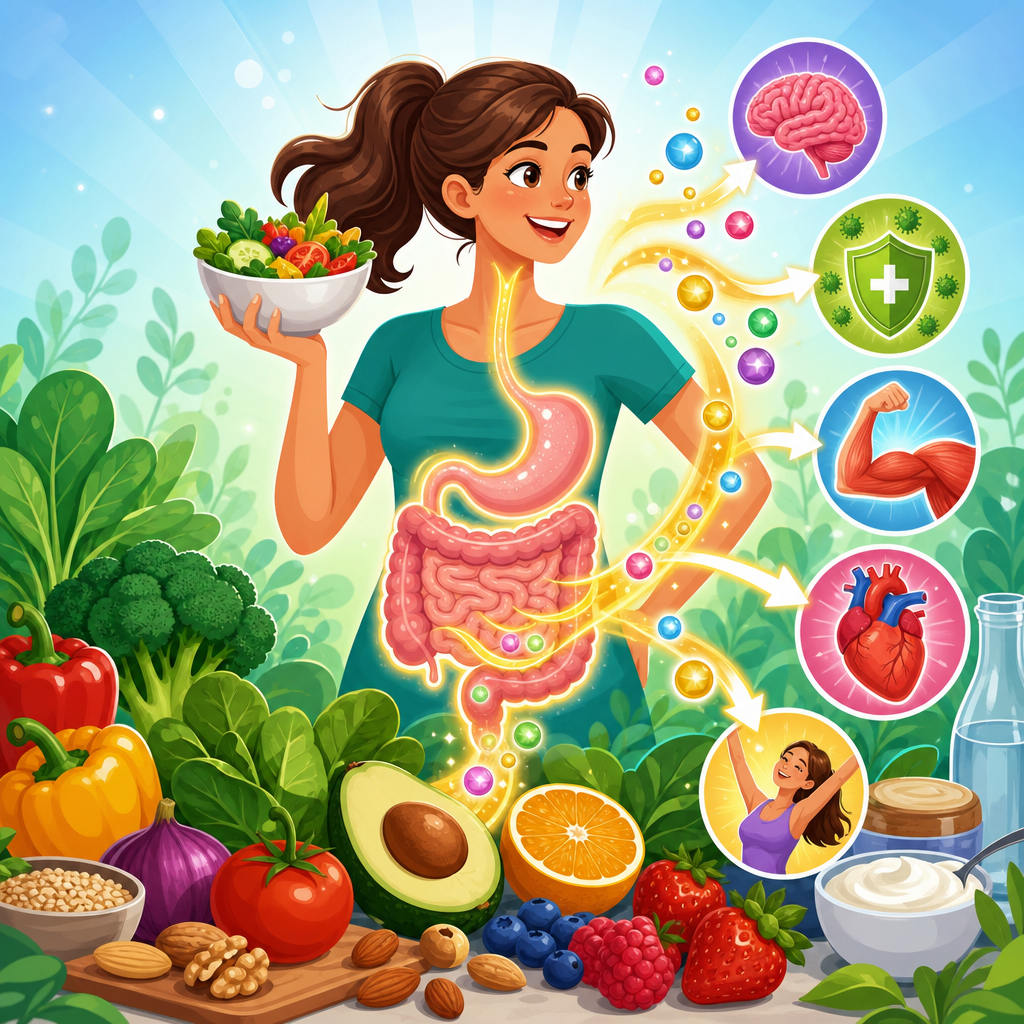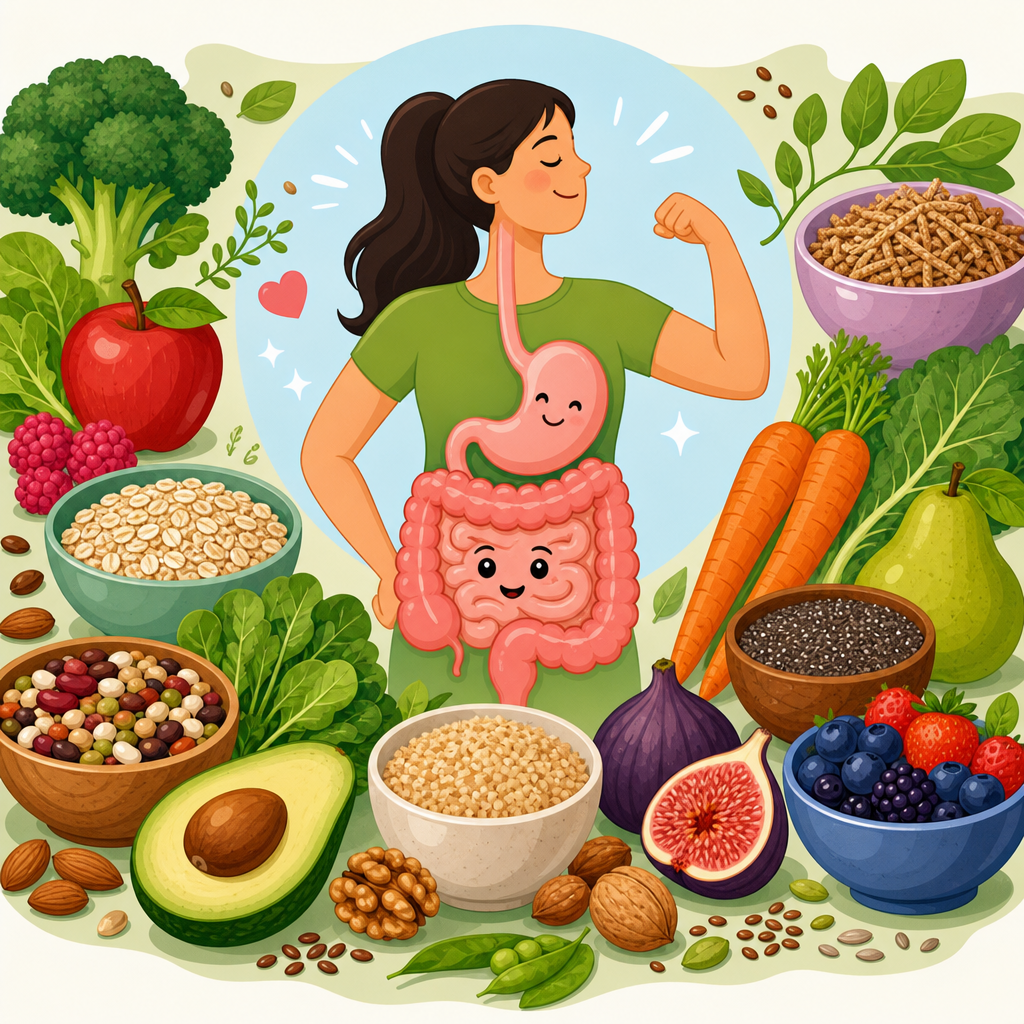
Dietary fiber is one of the most misunderstood nutrients in everyday eating, yet it has a direct and measurable impact on digestive health, blood sugar control, cholesterol levels, appetite regulation, and long-term disease risk. In simple terms, dietary fiber is the part of plant foods that resists digestion in the small intestine and reaches the colon largely intact. Unlike protein, fat, and most carbohydrates, fiber is not absorbed for calories in the usual way. Instead, it works through bulk, viscosity, fermentation, and its influence on the gut microbiome. After years of reviewing food logs, coaching clients on constipation and irregularity, and translating nutrition labels into practical habits, I have seen the same pattern repeatedly: when fiber intake improves, digestive symptoms often improve with it. Understanding the forms of fiber, how much you need, where to get it, and how to increase it without discomfort is essential for anyone building a solid nutrition foundation.
Fiber matters because digestive health is not only about avoiding constipation. A healthy digestive system involves regular bowel movements, comfortable stool passage, balanced gut bacteria, normal transit time, integrity of the intestinal lining, and manageable symptoms such as bloating or urgency. Fiber contributes to all of these, but different fibers behave differently. Some add stool bulk, some soften stool by holding water, and some are fermented by gut microbes into short-chain fatty acids such as butyrate, acetate, and propionate. Health authorities consistently recommend higher intakes of fiber because population intake remains too low. In the United States, adults typically consume far less than recommended amounts, while targets from major guidance generally land around 25 grams per day for women and 38 grams per day for men, with adjusted goals across age groups. This guide explains the types of dietary fiber, its digestive benefits, top food sources, common mistakes, and the best way to build a high-fiber diet that supports long-term gut health.
What dietary fiber is and how it works in the digestive system
Dietary fiber includes non-digestible carbohydrates and related plant compounds such as certain oligosaccharides, resistant starches, celluloses, hemicelluloses, pectins, beta-glucans, gums, mucilages, and lignin. The old shortcut of dividing fiber into soluble and insoluble is still useful, but it is incomplete. Soluble fiber dissolves or disperses in water and often forms a gel. Oats, barley, psyllium, beans, apples, and citrus are classic examples. Insoluble fiber does not dissolve in water and is found in wheat bran, many vegetables, nuts, seeds, and whole grains. It tends to increase stool bulk and may help move waste through the gut more efficiently.
In practice, the most important distinction is often whether a fiber is viscous and whether it is fermentable. Viscous fibers thicken intestinal contents, which can slow gastric emptying, support blood sugar control, and bind bile acids in ways that help lower LDL cholesterol. Fermentable fibers are used by gut microbes, which produce short-chain fatty acids that nourish colon cells and influence inflammation, immunity, and bowel function. Psyllium is notable because it is highly viscous and only moderately fermented, which is one reason it is frequently used for both constipation and loose stools. Wheat bran is less fermentable but excellent for adding bulk. Inulin and fructooligosaccharides are highly fermentable and can support beneficial bacteria, though they may trigger gas in sensitive people.
The digestive process helps explain why fiber has such broad effects. Most nutrients are absorbed before food reaches the large intestine, but fiber arrives there with water and undigested residues. Some fibers hold water in stool, increasing softness and easing passage. Others stimulate the colon by increasing volume. Fermentable fibers feed microbes in the cecum and colon, shifting the microbiome toward species associated with better gut function. This is why two foods with similar total fiber amounts can feel very different in the body. A cup of lentils and a high-fiber cereal may both contribute grams of fiber, but the mix of soluble, insoluble, and fermentable components changes the digestive outcome.
Why fiber is essential for digestive health
The clearest digestive benefit of fiber is support for regular bowel movements. Adequate fiber intake, combined with enough fluid, can increase stool weight, improve stool form, and reduce straining. For many people with chronic constipation, low intake is a major contributing factor. That said, not every case of constipation responds the same way. If someone has slow transit, pelvic floor dysfunction, or irritable bowel syndrome, increasing fiber without strategy can worsen bloating or discomfort. This is why the form of fiber matters as much as the amount.
Fiber also supports the gut microbiome, the complex community of bacteria, fungi, and other microbes living in the digestive tract. When microbes ferment fiber, they produce short-chain fatty acids, especially butyrate, which serves as a preferred fuel for colon cells. Butyrate is associated with intestinal barrier support and local anti-inflammatory effects. Diets rich in beans, oats, vegetables, fruit, nuts, seeds, and whole grains generally provide a wider range of fermentable substrates, which promotes microbial diversity. In clinical nutrition practice, this matters because a more diverse microbiome is often linked with better digestive resilience, though the exact relationship varies by person and condition.
Another important function is stool normalization. Many people assume fiber only helps constipation, but certain fibers can also improve diarrhea by absorbing water and increasing stool consistency. Psyllium is the best-known example. This dual action is why fiber is commonly used as a first-line tool for people who alternate between loose stools and constipation. Fiber may also reduce pressure in the colon by improving stool passage, which is one reason high-fiber diets have long been recommended to lower the risk of complications related to diverticular disease, although research details continue to evolve. The broader point is straightforward: a well-chosen fiber pattern helps create predictable, comfortable digestion.
Best food sources of dietary fiber and what they provide
Whole plant foods are the best foundation for dietary fiber because they package fiber with vitamins, minerals, water, and phytochemicals. Legumes are among the strongest choices. Lentils, black beans, chickpeas, split peas, and kidney beans deliver substantial fiber per serving along with protein, iron, magnesium, and potassium. Oats and barley stand out for beta-glucan, a viscous soluble fiber with established benefits for cholesterol management. Fruits such as pears, apples, berries, oranges, and kiwi contribute both water and fiber, while vegetables such as broccoli, Brussels sprouts, carrots, artichokes, and sweet potatoes add bulk and diversity.
Whole grains matter, but the term must be used carefully. Whole grain bread can vary widely in actual fiber content depending on the flour blend and processing. A dense slice with intact grains, bran, and seeds may provide several grams, while a softer commercial loaf labeled whole wheat may offer much less. Nuts and seeds, including chia, flax, almonds, pistachios, and pumpkin seeds, add fiber in smaller portions and can be especially useful for breakfast bowls, yogurt, and salads. Potatoes and rice deserve nuance: white potatoes contain some fiber, especially with skin, while cooled potatoes and rice also contribute resistant starch, which behaves differently from standard fiber but supports fermentation in the colon.
| Food | Typical serving | Approximate fiber | Digestive benefit |
|---|---|---|---|
| Lentils, cooked | 1 cup | 15 to 16 g | High total fiber and fermentable carbohydrates that support stool bulk and microbiome activity |
| Black beans, cooked | 1 cup | 15 g | Improves fullness and regularity; useful replacement for lower-fiber refined starches |
| Oats, dry | 1/2 cup | 4 g | Provides beta-glucan, a viscous fiber linked with better stool consistency and lower LDL cholesterol |
| Raspberries | 1 cup | 8 g | High fiber-to-calorie ratio and good tolerance for many people |
| Pear with skin | 1 medium | 5 to 6 g | Adds water and mixed fibers that can help ease constipation |
| Chia seeds | 2 tablespoons | 10 g | Absorbs water, forms a gel, and supports stool softness when paired with fluid |
| Broccoli, cooked | 1 cup | 5 g | Delivers insoluble fiber plus micronutrients that support overall diet quality |
| Psyllium husk | 1 tablespoon | About 7 g | Clinically useful for constipation, loose stools, and cholesterol support |
For day-to-day planning, I usually recommend building meals around one legume or whole grain, one or two vegetables, and one fruit each day, then using nuts or seeds to close the gap. This pattern works better than chasing fiber through specialty snack bars. Packaged high-fiber foods can help, but they often rely on isolated fibers such as chicory root, resistant dextrin, or polydextrose. These ingredients are not inherently bad, yet they do not always provide the same satiety, nutrient density, or digestive tolerance as intact foods. A bowl of oatmeal with berries and chia is usually more useful than a processed cereal bar with added fiber and sugar alcohols.
How much fiber you need and how to increase it without digestive discomfort
Most adults should aim for at least 14 grams of fiber per 1,000 calories, which generally aligns with roughly 25 to 38 grams per day depending on age, sex, and energy intake. Many people are starting far below that level, so the safest approach is gradual increase. Jumping from 10 grams a day to 30 grams overnight often causes gas, bloating, and cramping, especially if intake of beans, bran, or inulin-rich foods rises too quickly. A better strategy is to add 3 to 5 grams every few days while increasing fluid intake and monitoring stool form, frequency, and comfort.
Hydration is essential because many fibers work by holding water. Without enough fluid, adding bulk can backfire and make constipation worse. Practical changes include switching from refined grains to oats or higher-fiber whole grain bread, adding fruit at breakfast, using beans in soups or salads three times a week, choosing potatoes with skin, and aiming for vegetables at both lunch and dinner. If supplements are needed, psyllium has the strongest practical evidence for general digestive support, but it should be introduced slowly and taken with adequate water. For people with irritable bowel syndrome, low-FODMAP guidance may temporarily limit certain fermentable fibers, then reintroduce them methodically to determine tolerance. The goal is not maximum fiber at any cost; it is the right fiber pattern for your digestive system.
Common problems, misconceptions, and when to get medical advice
One common misconception is that all fiber supplements and all high-fiber foods have the same effect. They do not. Bran cereal can help one person and irritate another. Beans may improve regularity but cause troublesome gas if portions are too large or preparation is poor. Another mistake is using total fiber on the label as the only measure that matters. Ingredients, processing, and the type of added fiber change how a product behaves. A second misconception is that digestive symptoms always mean you need more fiber. In some cases, symptoms point to something else entirely, including celiac disease, inflammatory bowel disease, thyroid disorders, medication side effects, pelvic floor dysfunction, or colorectal issues.
There are also situations where caution is necessary. People with known bowel strictures, active inflammatory flares, severe gastroparesis, or recent gastrointestinal surgery may need modified fiber intake under medical guidance. Persistent constipation lasting weeks, blood in stool, unexplained weight loss, anemia, severe abdominal pain, vomiting, or a sudden major change in bowel habits deserve medical evaluation rather than self-treatment. In routine cases, however, the evidence is clear: diets built around varied fiber-rich foods support digestive health, and the biggest benefit comes from consistency. If your intake is low today, start with one meal upgrade this week, track how you feel, and build from there.
Frequently Asked Questions
What is dietary fiber, and why is it so important for digestive health?
Dietary fiber is the portion of plant-based foods that the body cannot fully digest or absorb in the small intestine. Instead of being broken down for energy like sugars, starches, fats, or proteins, fiber moves through the digestive tract largely intact and reaches the colon, where it plays several important roles. This is exactly why fiber matters so much: even though it does not provide calories in the usual way, it has a direct effect on how the digestive system functions day to day and over the long term.
One of fiber’s most important digestive benefits is that it helps regulate bowel movements. Certain types of fiber add bulk to stool, which can help food move more efficiently through the intestines and reduce constipation. Other types absorb water and form a gel-like substance that can soften stool and support more comfortable elimination. Fiber also helps nourish beneficial gut bacteria in the colon. When these bacteria ferment specific fibers, they produce short-chain fatty acids that help support the lining of the colon and contribute to a healthier gut environment.
Beyond regularity, fiber is important because its benefits extend well outside the digestive tract. A higher-fiber diet is associated with improved blood sugar control, lower LDL cholesterol levels, better appetite regulation, and a lower risk of several chronic health conditions. In practical terms, fiber helps slow digestion, increases fullness after meals, and influences how the body handles carbohydrates and fats. That makes it one of the most useful nutrients for supporting both digestive wellness and overall metabolic health.
What is the difference between soluble and insoluble fiber?
Soluble and insoluble fiber are the two main categories most often discussed, and both are valuable. Soluble fiber dissolves in water and forms a gel-like material in the digestive tract. This type of fiber is found in foods such as oats, beans, lentils, apples, citrus fruits, barley, and psyllium. Because it slows how quickly food leaves the stomach and how rapidly carbohydrates are absorbed, soluble fiber can help moderate blood sugar levels and improve satiety. It also binds with substances in the digestive system in a way that can help lower LDL, or “bad,” cholesterol.
Insoluble fiber does not dissolve in water. Instead, it adds bulk to stool and helps move material through the digestive tract more efficiently. It is commonly found in whole grains, wheat bran, nuts, seeds, and many vegetables, especially the skins and tougher structural parts. Insoluble fiber is often especially helpful for people who struggle with constipation or sluggish bowel habits because it promotes stool volume and regular movement through the intestines.
Although these categories are useful for understanding fiber, most whole plant foods contain a mix of both types. That is why focusing on food variety is usually more practical than trying to eat one kind of fiber in isolation. Fruits, vegetables, legumes, nuts, seeds, and whole grains each contribute different fiber profiles and additional nutrients that work together to support digestive health. A balanced, fiber-rich eating pattern is generally more effective than relying on a single “superfood” or supplement alone.
How much fiber do most adults need each day, and what are the best food sources?
Most adults do not eat enough fiber, even though daily needs are fairly well established. General recommendations often fall around 25 grams per day for women and 38 grams per day for men, with some variation depending on age, calorie intake, and individual health needs. Many people get far less than that, especially when their diet is built around refined grains, packaged snacks, sugary foods, and low produce intake. Closing that gap can make a noticeable difference in digestion, fullness, and overall diet quality.
The best sources of fiber are whole plant foods. Legumes such as beans, lentils, and chickpeas are among the richest and most effective choices because they provide both soluble and insoluble fiber along with protein and minerals. Whole grains like oats, barley, brown rice, quinoa, and whole wheat products can also contribute significantly, particularly when they replace refined grains. Fruits such as berries, pears, apples, oranges, and bananas add fiber along with water and beneficial plant compounds. Vegetables, including broccoli, carrots, Brussels sprouts, leafy greens, and sweet potatoes, help round out intake while providing volume and micronutrients. Nuts and seeds, including chia seeds, flaxseeds, almonds, and sunflower seeds, are compact but useful sources as well.
For most people, the best strategy is not to chase a number all at once, but to build fiber into every meal. That might mean oatmeal with berries at breakfast, beans or lentils at lunch, vegetables and whole grains at dinner, and fruit or nuts as snacks. A diet that naturally includes a range of minimally processed plant foods will usually supply more fiber and create a more supportive environment for digestive health than one that depends heavily on supplements or highly refined products labeled as “high fiber.”
Can eating more fiber improve constipation, bloating, and overall gut health?
Yes, increasing fiber can often improve constipation and support better gut health, but the details matter. Fiber helps bowel regularity by increasing stool bulk, improving stool consistency, and supporting movement through the intestines. For people with low fiber intake, adding more fiber gradually can reduce constipation and make bowel movements more predictable and comfortable. This is one of the most immediate and noticeable benefits of a fiber-rich diet.
Fiber also influences the health of the gut microbiome, which is the community of bacteria and other microorganisms living in the digestive tract. Certain fibers act as prebiotics, meaning they feed beneficial gut bacteria. When these bacteria ferment fiber, they produce compounds that help support the colon lining and may play a role in immune health, inflammation regulation, and overall digestive resilience. This is one reason fiber is often considered foundational for long-term digestive wellness, not just symptom relief.
At the same time, some people notice more gas or bloating when they suddenly increase fiber intake, especially from beans, cruciferous vegetables, bran, or fiber supplements. That does not necessarily mean fiber is harmful. More often, it means the gut needs time to adapt. Increasing fiber slowly, spreading it across the day, and drinking enough fluids can make the transition much easier. It is also important to recognize that not every digestive issue improves with simply adding more fiber. People with irritable bowel syndrome, inflammatory bowel disease, chronic unexplained bloating, or frequent abdominal pain may need a more individualized approach. In those cases, the type of fiber and the pace of increase can matter just as much as the total amount.
What is the best way to increase fiber intake safely and effectively?
The best way to increase fiber intake is gradually, consistently, and through a wide range of foods. A sudden jump from a low-fiber diet to a very high-fiber diet can cause bloating, gas, cramping, or a sense of digestive discomfort. That is why a steady approach works better. Adding one or two fiber-rich foods each day is often enough to begin seeing benefits without overwhelming the digestive system. For example, you might start by replacing white bread with whole grain bread, adding fruit to breakfast, or including a serving of beans a few times per week.
Hydration is also essential. Fiber works best when it has enough fluid to move through the digestive tract properly. If someone increases fiber but does not drink enough water, constipation or bloating can sometimes get worse rather than better. Physical activity can help as well, since regular movement supports intestinal motility and complements the effects of a higher-fiber diet.
Food-first is usually the most effective and sustainable approach because whole foods provide a mixture of fiber types along with vitamins, minerals, antioxidants, and water. Supplements such as psyllium can be helpful in some situations, especially when recommended for cholesterol management or bowel regularity, but they should not automatically replace fiber from meals. If you have a digestive condition, a history of bowel obstruction, or persistent gastrointestinal symptoms, it is wise to speak with a healthcare professional before making major changes. In general, though, increasing fiber through vegetables, fruits, legumes, whole grains, nuts, and seeds is one of the simplest and most evidence-based steps a person can take to support digestive health and broader long-term wellness.