Antioxidants are compounds that help protect the body from oxidative stress, a process in which unstable molecules called free radicals damage cells, proteins, and DNA. In practical nutrition terms, the importance of antioxidants lies in their role as one part of the body’s defense system against everyday wear from metabolism, pollution, ultraviolet light, smoking, alcohol, intense exercise, and infection. I have worked with clients who assumed antioxidants were a single nutrient or a miracle supplement, but the science is more grounded and more useful: antioxidants include vitamins, minerals, plant compounds, and enzyme systems that work together across tissues and organ systems.
Free radicals are not inherently bad. The body produces them during normal energy production, immune defense, and cell signaling. Problems begin when free radical production outpaces antioxidant defenses, creating oxidative stress. Over time, that imbalance is associated with accelerated aging and increased risk of cardiovascular disease, type 2 diabetes, neurodegenerative disease, eye disorders, and some cancers. That is why understanding the importance of antioxidants matters for anyone building a solid nutrition foundation. A food-first approach can improve resilience, support recovery, and complement other basics such as adequate protein, fiber, sleep, hydration, and physical activity.
When people ask what antioxidants do, the short answer is this: they neutralize or stabilize reactive molecules before those molecules can trigger chain reactions of damage. Vitamin C can donate electrons in water-based environments, vitamin E helps protect cell membranes, selenium supports antioxidant enzymes such as glutathione peroxidase, and carotenoids and polyphenols from plants contribute additional protection through multiple pathways. Antioxidants also interact with inflammation, mitochondrial function, vascular health, and gene expression. Because no single compound covers every role, variety matters far more than megadoses of one isolated nutrient.
This article serves as a complete hub on the importance of antioxidants within nutrition basics. It explains how oxidative stress develops, which antioxidants matter most, where to find them in food, how cooking and storage affect them, when supplements may help, and what common myths get wrong. If you want to eat in a way that supports long-term health without chasing trends, antioxidants deserve attention because they connect directly to disease prevention, recovery, skin health, cognitive aging, and everyday energy.
How Antioxidants Work in the Body
At the cellular level, antioxidants work by interrupting oxidation reactions. Free radicals have unpaired electrons, which makes them highly reactive. They can steal electrons from nearby molecules, damaging lipids in cell membranes, altering proteins, and mutating DNA. Antioxidants reduce that damage by donating electrons without becoming dangerously unstable themselves. Some act directly, while others support enzyme systems that continuously recycle and regenerate antioxidant capacity. In clinic-style nutrition counseling, I often explain it as a relay team rather than a single shield.
The body’s internal antioxidant network includes superoxide dismutase, catalase, and glutathione peroxidase. These enzymes depend on nutrients such as zinc, copper, manganese, selenium, and amino acids. Diet supplies the building blocks, while plant foods add external compounds that broaden protection. Polyphenols in berries, tea, cocoa, olives, and herbs do more than mop up free radicals. They influence signaling pathways like Nrf2, which regulates the expression of detoxification and antioxidant genes. This matters because the best antioxidant effects are often indirect and adaptive, not simply chemical scavenging.
Oxidative stress rarely appears alone. It overlaps with chronic inflammation, insulin resistance, endothelial dysfunction, and mitochondrial strain. For example, oxidized LDL particles are more likely to contribute to atherosclerotic plaque formation. In the brain, oxidative damage can affect neurons, lipids, and synaptic function. In skin, ultraviolet exposure increases reactive oxygen species that accelerate collagen breakdown. These mechanisms help explain why antioxidant-rich eating patterns repeatedly correlate with better outcomes, especially when they come from whole diets such as Mediterranean-style eating rather than isolated pills.
Key Types of Antioxidants and What They Do
Several antioxidant families matter in human nutrition. Vitamin C, found in citrus, kiwi, bell peppers, strawberries, and broccoli, operates mainly in watery parts of the body and helps regenerate vitamin E. Vitamin E, present in almonds, sunflower seeds, wheat germ, and vegetable oils, is especially important in protecting cell membranes from lipid peroxidation. Vitamin A precursors such as beta-carotene, plus carotenoids like lutein, zeaxanthin, and lycopene, support vision, skin, and cellular protection. Selenium acts through selenoproteins, and zinc contributes to antioxidant enzyme structure and immune function.
Polyphenols form a broad category that includes flavonoids, anthocyanins, catechins, resveratrol, and quercetin. These compounds are abundant in berries, cherries, red cabbage, onions, apples, tea, coffee, cocoa, grapes, legumes, and many spices. Their actions vary: some improve endothelial function, some reduce oxidation of lipids, and some affect gut microbes in ways that produce anti-inflammatory metabolites. Carotenoids from orange, red, and dark green produce have their own strengths. Lycopene from cooked tomatoes is linked with cardiovascular and prostate benefits, while lutein and zeaxanthin accumulate in the retina and support macular health.
| Antioxidant | Main Food Sources | Primary Role | Practical Note |
|---|---|---|---|
| Vitamin C | Citrus, kiwi, peppers, berries, broccoli | Neutralizes reactive molecules in fluid environments; regenerates vitamin E | Heat sensitive, so raw or lightly cooked sources help |
| Vitamin E | Almonds, sunflower seeds, wheat germ, avocado | Protects cell membranes from oxidation | Absorbed better with dietary fat |
| Carotenoids | Carrots, sweet potatoes, spinach, tomatoes | Support eye, skin, and immune health | Some become more available after cooking |
| Polyphenols | Berries, tea, cocoa, olives, beans, herbs | Modulate inflammation and antioxidant signaling | Benefits come from regular variety, not one superfood |
| Selenium | Brazil nuts, seafood, eggs, meats | Supports glutathione peroxidase and thyroid function | Excess can be harmful, so more is not better |
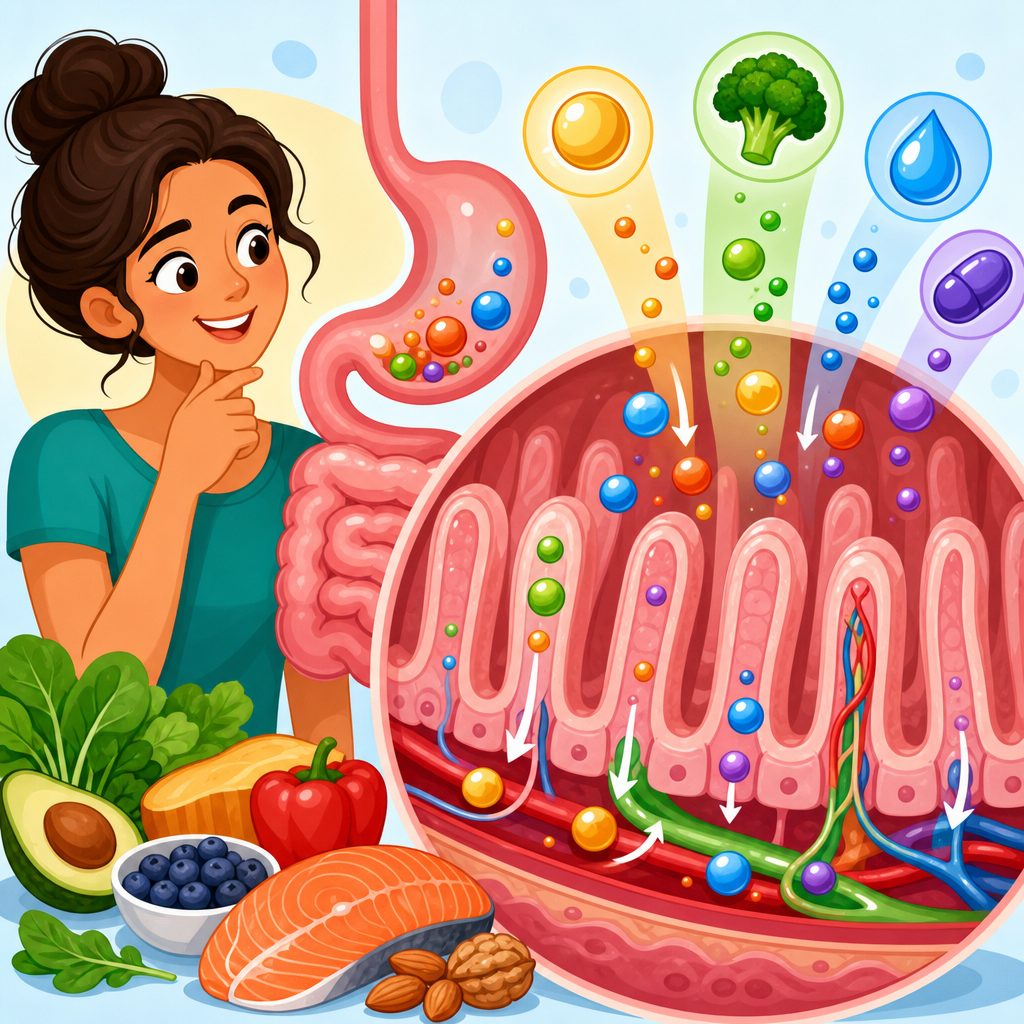
One important distinction is between dietary antioxidants and the body’s endogenous systems. Foods do not replace glutathione, catalase, or superoxide dismutase; they support them. That is why diets rich in colorful produce, legumes, nuts, seeds, herbs, tea, and minimally processed staples are consistently more effective than fixating on a single “highest antioxidant” food. Synergy is the rule. In practice, clients who eat five to eight servings of varied plant foods daily almost always build a stronger antioxidant pattern than people relying on expensive powders.
Best Food Sources of Antioxidants
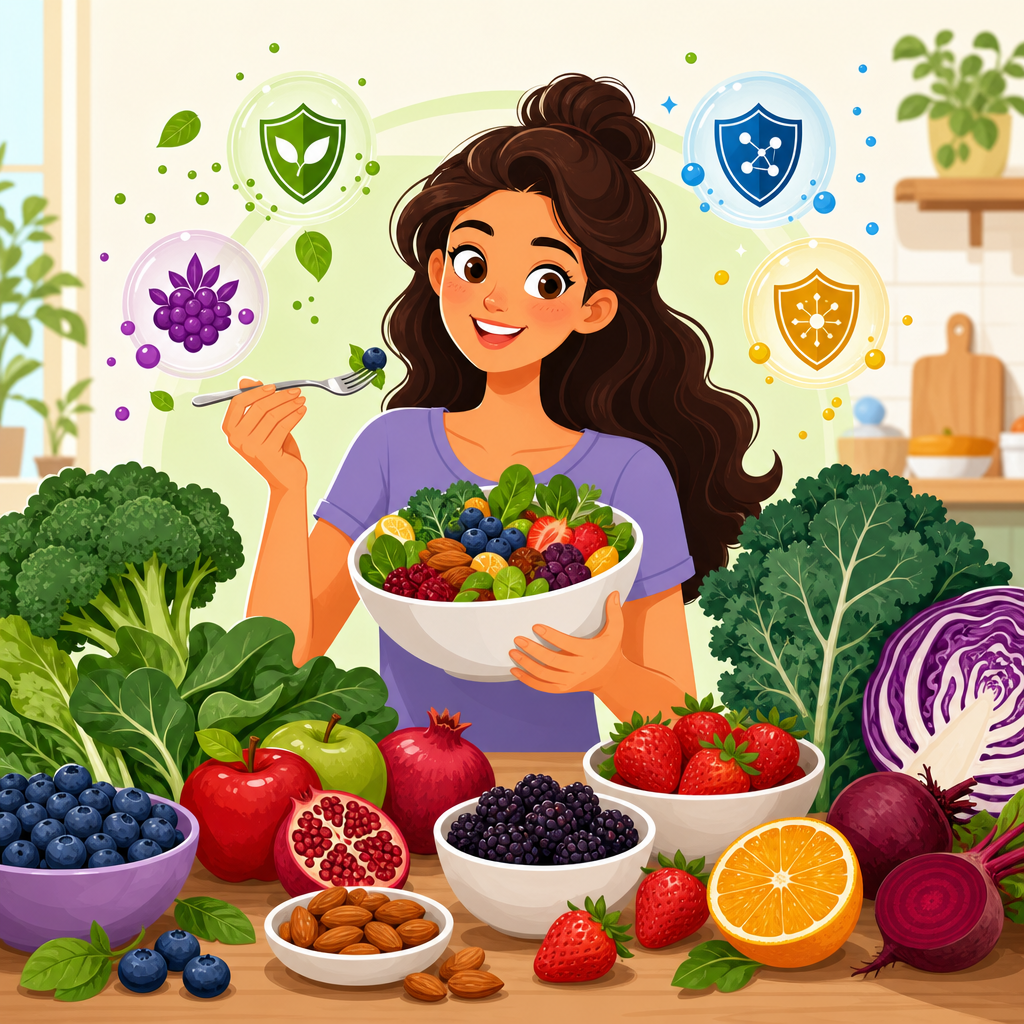
If you want to maximize antioxidants through diet, start with color, diversity, and consistency. Berries are among the most concentrated sources of anthocyanins and vitamin C. Blueberries, blackberries, raspberries, strawberries, and elderberries all contribute, but frozen berries are often just as useful as fresh because they are picked and processed quickly. Dark leafy greens such as spinach, kale, chard, and arugula provide carotenoids, vitamin C, and additional phytochemicals. Cruciferous vegetables like broccoli, Brussels sprouts, cabbage, and cauliflower also support detoxification pathways through glucosinolates, which complement antioxidant defenses.
Beans and lentils are underappreciated antioxidant foods. Black beans, red kidney beans, and lentils contain polyphenols along with fiber, folate, magnesium, and plant protein. Nuts and seeds add vitamin E, selenium, and healthy fats. Extra virgin olive oil contributes phenolic compounds that help explain why Mediterranean diet studies repeatedly show cardiovascular benefit. Green tea and coffee both supply polyphenols; moderate intake is associated with positive health outcomes in large observational research, though tolerance varies. Cocoa with high flavanol content, tomatoes, citrus fruits, cherries, herbs, onions, garlic, and spices like turmeric, cinnamon, oregano, and cloves all meaningfully contribute.
Food preparation matters. Lycopene becomes more bioavailable when tomatoes are cooked with fat, which is why tomato sauce with olive oil can outperform raw tomatoes for that specific compound. Carrots and spinach also release some carotenoids more effectively after cooking. On the other hand, vitamin C is water soluble and heat sensitive, so steaming vegetables lightly preserves more than prolonged boiling. Storage matters too. Fresh-cut produce loses some antioxidant content over time, and light exposure can degrade sensitive compounds. A practical pattern is to combine raw produce, lightly cooked vegetables, legumes, nuts, olive oil, and fruit across the day rather than seeking one perfect meal.
Health Benefits Linked to Antioxidant-Rich Diets
The importance of antioxidants becomes clearest when looking at health outcomes. Diets rich in antioxidant-containing whole foods are associated with lower rates of cardiovascular disease. One mechanism is reduced oxidative modification of lipids and better endothelial function, which helps blood vessels dilate normally. Polyphenol-rich foods such as berries, cocoa, olives, and tea have been shown to improve markers of vascular health in many controlled trials. The broader dietary pattern matters most, but antioxidants are part of the reason minimally processed, plant-forward diets consistently outperform heavily processed patterns high in refined grains, excess sugar, and oxidized fats.
Antioxidants also support metabolic health. Oxidative stress contributes to insulin resistance and pancreatic beta-cell strain. Foods rich in polyphenols and fiber can help moderate post-meal glucose response and reduce inflammatory burden. In the brain and nervous system, oxidative damage is implicated in cognitive decline, although no single food prevents dementia. What does appear helpful is a sustained pattern featuring leafy greens, berries, olive oil, legumes, fish, nuts, and whole grains. For eye health, lutein and zeaxanthin are concentrated in the macula, and higher intake is linked with reduced risk of age-related macular degeneration progression.
Skin and exercise recovery are additional reasons people care about antioxidants. Ultraviolet radiation increases reactive oxygen species in skin, contributing to premature aging. Carotenoid-rich diets, vitamin C intake, and polyphenol-rich foods may improve skin resilience, though sunscreen remains essential. After strenuous training, the body experiences temporary oxidative stress as part of adaptation. Here the nuance matters: a diet rich in antioxidant foods supports recovery, but high-dose supplements, especially around training, may blunt some beneficial exercise adaptations. That distinction comes up often with athletes, and it is one reason food-first guidance is more reliable than indiscriminate supplementation.
Supplements, Myths, and Smart Daily Strategies
Antioxidant supplements are not always harmful, but they are often oversimplified. Large trials on isolated antioxidant supplements have shown mixed results, and in some cases harm. High-dose beta-carotene increased lung cancer risk in smokers in major intervention studies. Excess vitamin E supplementation has been linked in some analyses with adverse outcomes. Selenium has a narrow safe range. These findings do not mean antioxidants are unimportant; they mean physiology is context dependent. Nutrients behave differently inside foods, where they come bundled with fiber, fats, minerals, and thousands of interacting phytochemicals.
There are situations where targeted supplementation makes sense. People with diagnosed deficiencies, highly restrictive diets, malabsorption disorders, certain gastrointestinal diseases, or medically documented increased needs may benefit from supplements under professional guidance. Older adults with poor appetite, patients after bariatric surgery, or individuals with limited produce access may also need support. Even then, the goal should be to correct a gap, not to flood the body with megadoses. In my experience, the better long-term strategy is to audit the diet first: assess vegetable intake, fruit variety, fat quality, legume frequency, beverage choices, and ultra-processed food load before reaching for capsules.
For daily practice, build antioxidant intake into routine meals. Add berries or citrus to breakfast, include a leafy or cruciferous vegetable at lunch, use beans or lentils several times per week, cook tomato-based dishes with olive oil, snack on nuts, and season generously with herbs and spices. Rotate colors across the week because different pigments signal different compounds. If you are creating a nutrition basics plan, antioxidants belong alongside fiber, protein balance, sleep, movement, and hydration. Start with one upgrade today: add two different plant colors to your next meal and make that habit repeat.
Frequently Asked Questions
What are antioxidants, and why are they important for overall health?
Antioxidants are compounds that help protect your cells from oxidative stress, which happens when unstable molecules called free radicals build up faster than your body can neutralize them. Free radicals are a normal byproduct of life and metabolism, but their production can increase with exposure to pollution, ultraviolet light, smoking, alcohol, illness, and even periods of intense physical exercise. When oxidative stress becomes excessive, it can damage cells, proteins, and DNA over time. That is why the importance of antioxidants is best understood as part of your body’s ongoing maintenance and repair system.
It is also important to understand that antioxidants are not a single nutrient. They include a wide range of vitamins, minerals, and plant compounds, such as vitamin C, vitamin E, selenium, carotenoids, and flavonoids. These substances work in different parts of the body and often support one another. Rather than acting like a magic shield, antioxidants contribute to a broader protective network that includes your immune system, natural detoxification pathways, sleep, physical activity, and a balanced diet. In practical terms, getting enough antioxidants from whole foods can support long-term health by helping your body manage the everyday wear and tear that comes from simply being alive.
Which foods are the best sources of antioxidants?
The best antioxidant sources are usually whole, minimally processed plant foods, especially those with deep, bright, or rich colors. Berries, cherries, citrus fruits, pomegranates, leafy greens, broccoli, red cabbage, sweet potatoes, carrots, tomatoes, beans, lentils, nuts, seeds, herbs, spices, tea, and cocoa all provide antioxidant compounds in different combinations. For example, berries are known for anthocyanins, tomatoes contain lycopene, carrots and sweet potatoes provide beta-carotene, and green tea is rich in catechins. Each food offers a different profile, which is why variety matters more than chasing any one “superfood.”
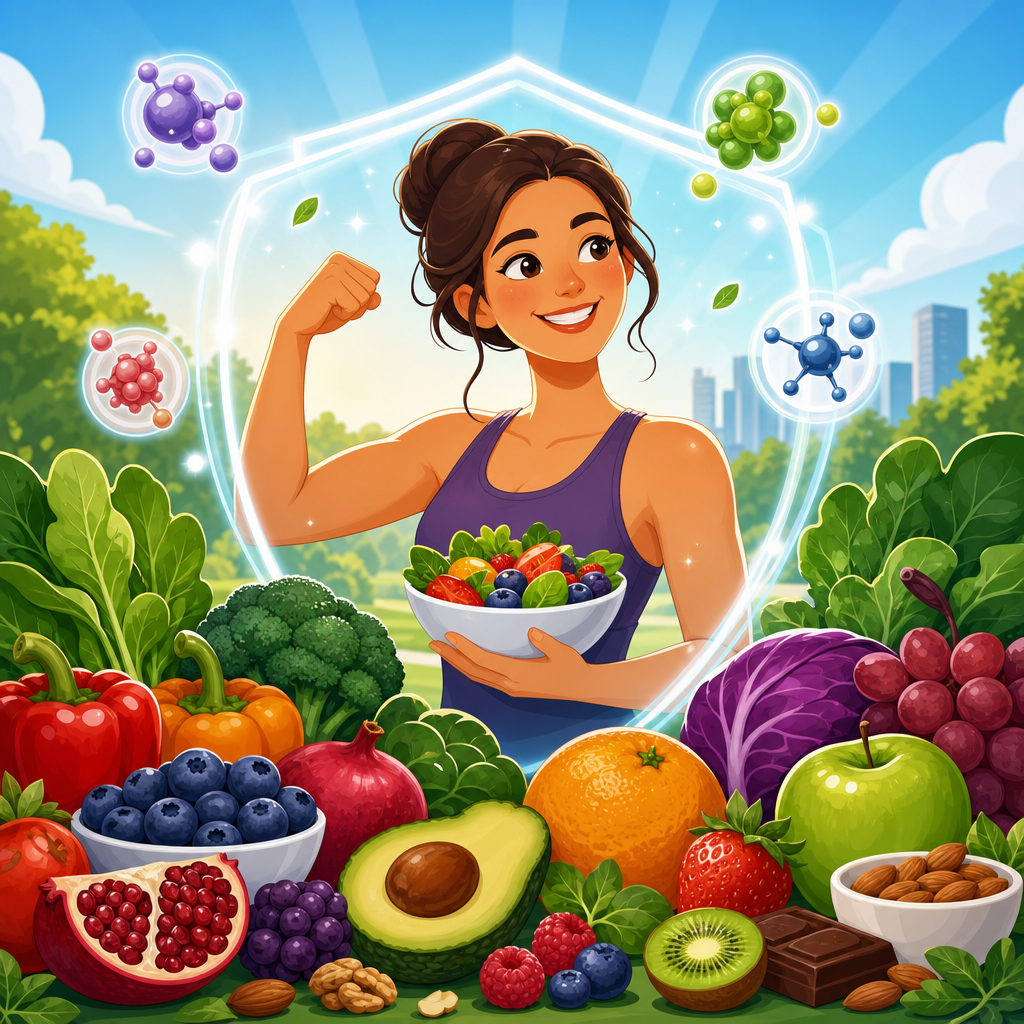
One of the smartest nutrition strategies is to “eat the rainbow,” meaning you include a wide range of colorful foods across the week. This helps you naturally consume a broader mix of protective compounds. It is also worth noting that antioxidant-rich foods bring much more than antioxidants alone. They provide fiber, water, minerals, and other beneficial plant compounds that work together in ways supplements often cannot fully replicate. If you want to maximize your intake, aim to build meals around vegetables and fruits, add beans and whole grains regularly, and use herbs and spices generously. Consistency matters much more than occasional bursts of healthy eating.
Can antioxidants prevent disease or reverse damage in the body?
Antioxidants support health, but they should not be presented as a guaranteed way to prevent disease or reverse existing damage on their own. This is one of the biggest misunderstandings around the topic. Oxidative stress is involved in aging and in many chronic conditions, so it makes sense that antioxidants are beneficial. However, health outcomes depend on many factors, including genetics, sleep, stress, physical activity, smoking status, alcohol intake, overall diet quality, medical care, and environmental exposures. Antioxidants are helpful, but they are one piece of a much larger picture.
What research supports most clearly is the value of diets naturally rich in antioxidant-containing foods. People who eat more fruits, vegetables, legumes, nuts, and other plant foods tend to have better long-term health outcomes overall. That does not mean the antioxidants alone deserve all the credit, because these foods also improve nutrition in many other ways. It is more accurate to say that antioxidants contribute to a healthy dietary pattern that helps the body defend itself and function more efficiently. If you are trying to reduce your disease risk, the best approach is to combine antioxidant-rich eating with regular movement, adequate sleep, stress management, and avoidance of smoking.
Are antioxidant supplements better than getting antioxidants from food?
In most cases, antioxidants from food are the better starting point. Whole foods deliver antioxidants in balanced amounts alongside fiber, healthy fats, protein, and countless other compounds that may improve absorption and effectiveness. For example, some fat-soluble antioxidants are better absorbed when eaten with healthy fats, and many plant compounds appear to work synergistically when consumed together in food. This natural packaging is difficult to reproduce in a pill. Food-based nutrition also lowers the risk of overdoing isolated compounds, which can happen more easily with supplements.
Supplements can have a role in specific situations, but they are not automatically superior and are not appropriate as a universal shortcut. In some cases, high-dose antioxidant supplements may be unnecessary or even counterproductive, depending on the nutrient, dose, and a person’s health status. Certain groups may benefit from targeted supplementation under medical guidance, especially when there is a diagnosed deficiency or a specific clinical need. But for most people, focusing on a varied diet rich in fruits, vegetables, legumes, nuts, seeds, and whole grains is the most reliable and evidence-based way to support antioxidant intake. If you are considering supplements, it is wise to discuss them with a qualified healthcare professional rather than assuming more is always better.
How can I realistically add more antioxidants to my daily routine?
The most practical way to increase antioxidants is to build simple habits into meals you already eat. Start with breakfast by adding berries to oatmeal or yogurt, or including a smoothie made with fruit and leafy greens. At lunch and dinner, aim to fill at least half your plate with vegetables, and rotate colors and types throughout the week. Add beans to soups and salads, choose whole fruits for snacks, keep nuts and seeds on hand, and cook with flavor-rich herbs and spices like turmeric, cinnamon, oregano, garlic, and ginger. Small, repeated choices tend to make a bigger impact than dramatic diet overhauls that are hard to maintain.
It also helps to think in terms of patterns rather than perfection. You do not need an expensive wellness routine or exotic powders to benefit from antioxidants. Frozen berries, canned beans, tomatoes, spinach, carrots, cabbage, apples, and green tea are all accessible options that can support a high-quality diet. Try to reduce habits that increase oxidative burden as well, such as smoking, excessive alcohol use, poor sleep, and chronic under-eating or overtraining. Maximizing your health with antioxidants is really about supporting your body from multiple angles. A colorful, varied diet combined with sustainable lifestyle choices is the most effective and realistic plan.