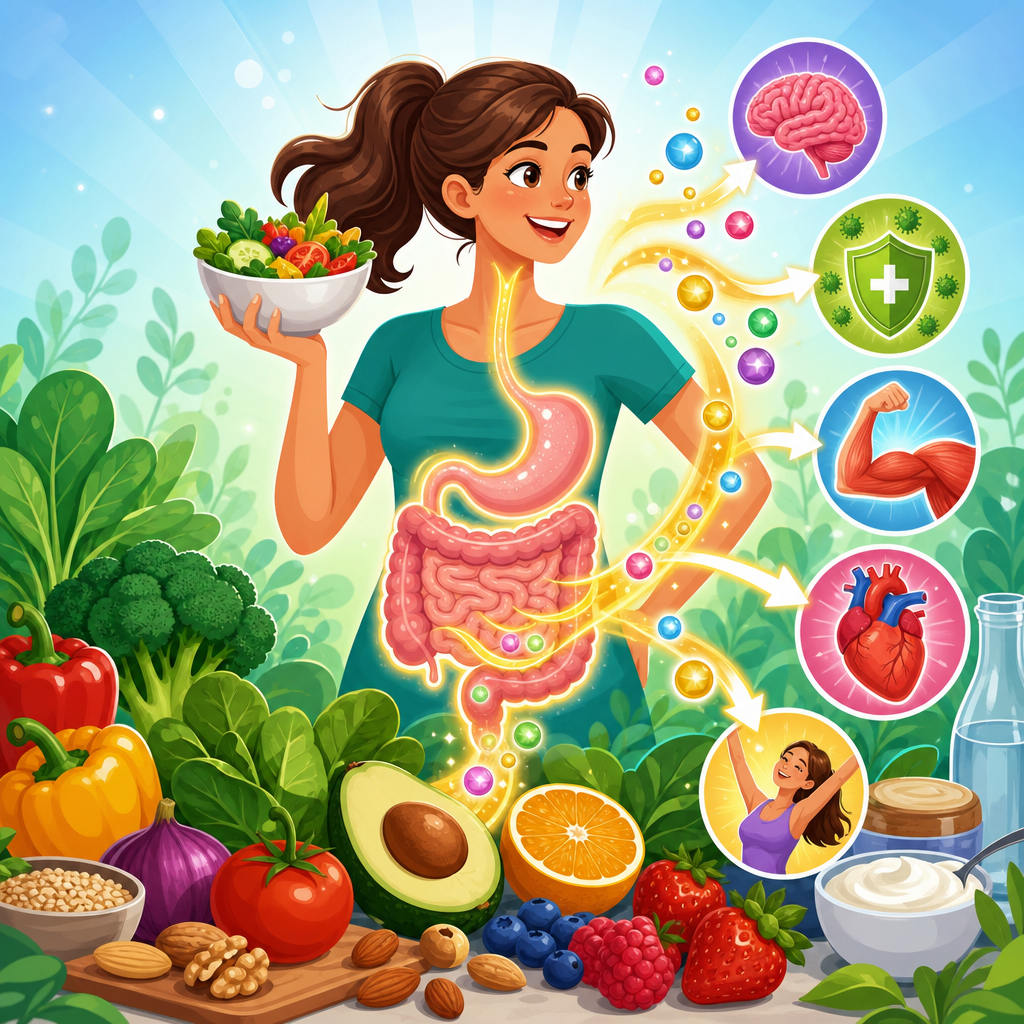
Nutrient absorption and bioavailability determine how much of the food and supplements you consume actually reaches your cells and supports health. In nutrition practice, this distinction matters more than most people realize, because a meal can look excellent on paper yet deliver far less benefit if digestion, transport, or nutrient interactions are impaired. Nutrient absorption refers to the process of moving vitamins, minerals, fats, amino acids, and other compounds from the digestive tract into the bloodstream or lymphatic system. Bioavailability describes the proportion of a nutrient that is absorbed and then used by the body for a specific function.
That difference explains why two people can eat the same diet and experience very different outcomes in energy, immunity, bone health, cognition, and recovery. It also explains why food form, gut health, age, medications, and meal composition matter so much. Iron from beef is absorbed differently than iron from spinach. Curcumin in turmeric behaves differently when eaten alone than when paired with black pepper and fat. Calcium from dairy does not act exactly like calcium in a fortified beverage. These are not minor details. They shape whether nutrients support oxygen transport, hormone production, nerve signaling, muscle contraction, and tissue repair effectively.
As a hub within Nutrition Basics, this guide covers the core principles behind nutrient absorption and bioavailability, the factors that improve or reduce them, and the practical steps that help your body use nutrients efficiently. If you understand this topic, you can make smarter decisions about food combinations, supplement timing, digestive health, and long-term nutrition strategy. Instead of asking only, “What should I eat?” you begin asking the more useful question: “What can my body actually absorb and use?” That shift leads to better results and fewer blind spots.
What Nutrient Absorption and Bioavailability Mean in Practice
Absorption begins in digestion but does not end there. Food is mechanically broken down in the mouth and stomach, then chemically processed by stomach acid, bile, and digestive enzymes. Most nutrients are absorbed in the small intestine, especially the duodenum and jejunum, through transporters, passive diffusion, or facilitated mechanisms. Fat-soluble nutrients such as vitamins A, D, E, and K require bile and dietary fat to form micelles before they can be absorbed efficiently. Water-soluble nutrients such as vitamin C and many B vitamins dissolve more readily, but they still depend on intestinal integrity and transport capacity.
Bioavailability adds another layer. A nutrient can enter the bloodstream yet still be poorly utilized. Vitamin B12, for example, requires stomach acid to separate it from food proteins, intrinsic factor from the stomach for transport, and proper absorption in the ileum. Magnesium may be ingested in high amounts, but forms such as magnesium oxide are generally absorbed less efficiently than magnesium citrate or glycinate. Protein quality also matters. Amino acid profile and digestibility influence how well protein supports muscle protein synthesis, enzyme production, and immune function.
In clinical and sports nutrition settings, I have seen people assume deficiency can be solved by simply increasing intake. Often the real issue is poor absorption, low stomach acid, chronic diarrhea, inflammatory bowel conditions, pancreatic insufficiency, alcohol overuse, or medication effects. In those cases, eating more does not solve the problem alone. Understanding the pathway from plate to cell is what makes nutrition effective.
How the Digestive System Controls Nutrient Uptake
The digestive system is the gatekeeper of nutrient delivery. The stomach provides acid that helps denature proteins, activate pepsin, and release minerals bound within food matrices. The pancreas contributes enzymes that digest carbohydrates, fats, and proteins. The liver produces bile, stored in the gallbladder, which emulsifies fat and supports absorption of essential fatty acids and fat-soluble vitamins. The intestinal lining, with its villi and microvilli, increases surface area dramatically, allowing nutrients to pass through specialized transport routes.
When this system works well, nutrients move predictably. When it is compromised, deficiencies can appear even with an adequate diet. Low stomach acid, whether from age, long-term proton pump inhibitor use, or chronic gastritis, can reduce absorption of iron, calcium, magnesium, and vitamin B12. Celiac disease damages the intestinal lining and can impair absorption of iron, folate, calcium, and fat-soluble vitamins. Crohn’s disease, ulcerative colitis, short bowel syndrome, gallbladder removal, and pancreatic enzyme insufficiency can all change nutrient status significantly.
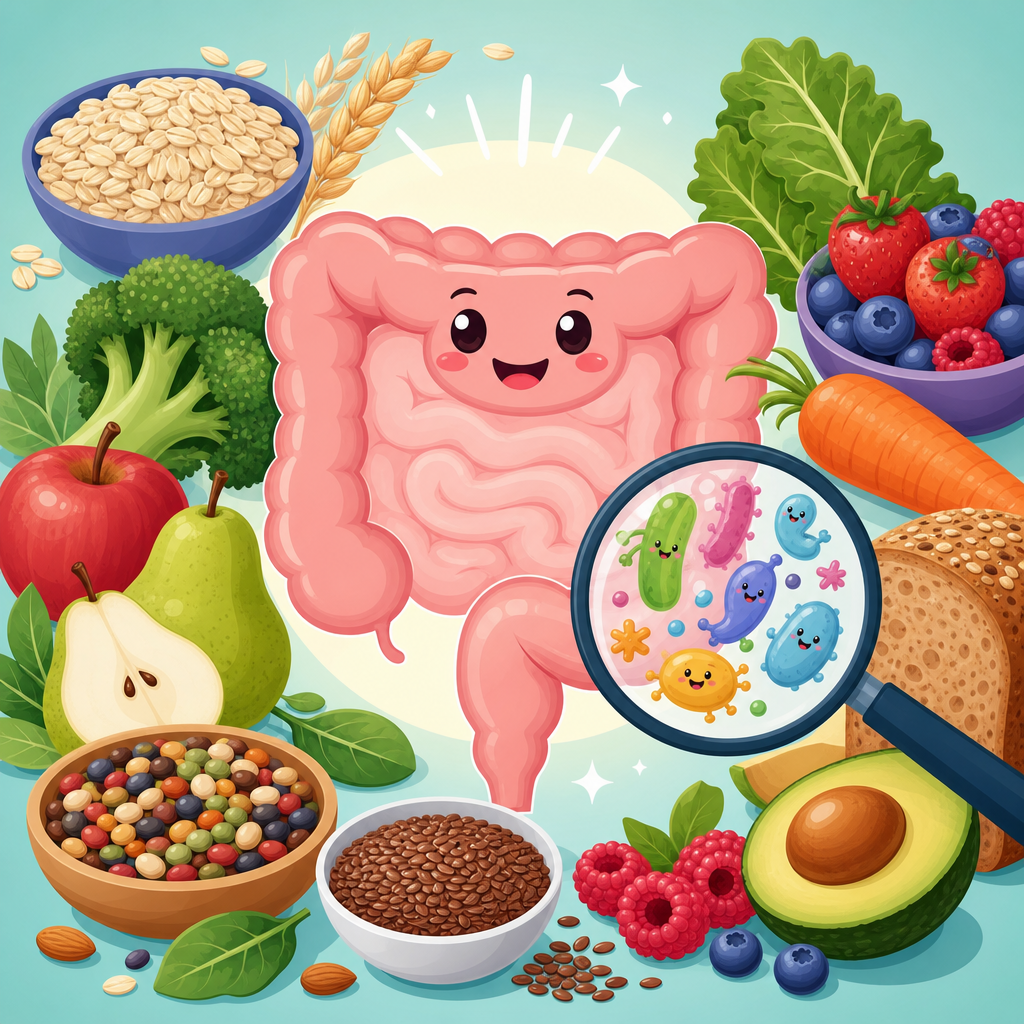
The gut microbiome also influences bioavailability. Intestinal bacteria help produce short-chain fatty acids from fermentable fiber, support gut barrier integrity, and contribute to synthesis of compounds such as vitamin K and some B vitamins. A disrupted microbiome does not automatically cause deficiency, but it can alter digestion, inflammation, transit time, and tolerance to nutrient-dense foods. This is one reason broad nutrition advice often fails when it ignores individual digestive context.
Key Factors That Increase or Reduce Bioavailability
Bioavailability depends on food form, meal composition, nutrient competition, preparation methods, and personal physiology. Some nutrients are easier to absorb from animal foods. Heme iron from meat, poultry, and seafood is generally absorbed more efficiently than nonheme iron from legumes or leafy greens. Zinc from oysters and beef is also more available than zinc bound to phytates in grains and beans. That does not make plant foods inferior. It means preparation and pairing become more important. Soaking, sprouting, fermenting, and cooking can reduce antinutrients such as phytates and improve mineral availability.
Cooking can either help or hurt. Lycopene in cooked tomatoes is more bioavailable than in raw tomatoes because heat breaks down cell walls. Beta-carotene in carrots and sweet potatoes becomes easier to access after cooking, especially with added fat. On the other hand, vitamin C is heat sensitive and can decline with prolonged boiling. Folate can also be reduced during aggressive cooking or storage. The best approach is not raw versus cooked as a rigid rule, but using a mix of methods based on the nutrient you want to maximize.
Meal combinations matter because nutrients interact. Vitamin C enhances nonheme iron absorption when eaten in the same meal. Fat improves absorption of vitamins A, D, E, and K, along with carotenoids such as lutein and beta-carotene. Calcium, iron, and zinc can compete for absorption in some contexts, especially in supplement form at high doses. Fiber supports long-term metabolic and gut health, but very high-fiber meals can modestly reduce absorption of some minerals. Timing and balance matter more than avoiding nutrient-rich foods.
| Nutrient | What Improves Absorption | What Can Reduce Absorption | Practical Example |
|---|---|---|---|
| Iron | Vitamin C, heme iron, acidic foods | Phytates, tea, coffee, excess calcium with meals | Pair lentils with bell peppers or citrus |
| Calcium | Vitamin D, divided doses, lactose in dairy | Large single doses, low vitamin D status | Take smaller calcium servings across the day |
| Vitamin D | Dietary fat, consistent intake | Fat malabsorption disorders | Take vitamin D with a meal containing fat |
| B12 | Normal stomach acid, intrinsic factor, healthy ileum | Pernicious anemia, acid suppression, GI disease | Monitor B12 if using metformin or PPIs long term |
| Magnesium | Soluble forms like citrate or glycinate | GI disorders, poorly absorbed forms | Choose form based on tolerance and goal |
Why Bioavailability Supports Energy, Immunity, Bones, and Brain Function
Your body’s key functions depend on usable nutrients, not just nutrient intake. Energy production requires B vitamins as coenzymes in carbohydrate, fat, and protein metabolism. Iron carries oxygen through hemoglobin, while copper helps with iron handling and enzyme activity. Magnesium supports ATP metabolism, muscle relaxation, and nerve transmission. If absorption is compromised, fatigue, weakness, and reduced exercise capacity often appear before a person recognizes a nutrient issue.
Immune function depends on effective absorption of protein, zinc, selenium, vitamins A, C, D, and E, plus essential fatty acids. Zinc supports cell signaling and wound healing. Vitamin A maintains mucosal barriers in the respiratory and gastrointestinal tracts. Vitamin D influences immune regulation. Protein malabsorption or chronically low intake can reduce antibody production, tissue repair, and resilience during illness. This is why digestive disorders often show up not only as gastrointestinal symptoms but also as recurring infections, poor healing, and low energy.
Bone health is another clear example. Calcium receives the most attention, but bone metabolism also depends on vitamin D for calcium absorption, vitamin K for protein activation, magnesium for structural and metabolic roles, phosphorus for mineralization, and adequate protein for matrix formation. A person can consume calcium-rich foods and still struggle with bone status if vitamin D is low, fat absorption is poor, or gastrointestinal disease limits uptake. Cognitive health follows the same pattern. The brain relies on iron, iodine, choline, omega-3 fats, B vitamins, and glucose regulation. Poor bioavailability can affect attention, memory, mood, and neurological function over time.
Common Reasons People Fail to Absorb Nutrients Well
Several issues repeatedly show up in practice. The first is digestive dysfunction. Bloating, chronic diarrhea, constipation, reflux, unexplained weight loss, greasy stools, and food intolerance can point to impaired digestion or malabsorption. Conditions such as celiac disease, inflammatory bowel disease, lactose intolerance, small intestinal bacterial overgrowth, and pancreatic insufficiency deserve medical evaluation because they can directly alter nutrient status.
The second is medication use. Proton pump inhibitors and H2 blockers may lower absorption of B12, iron, calcium, and magnesium by reducing stomach acid. Metformin has been associated with lower vitamin B12 status in some users. Bile acid sequestrants can reduce absorption of fat-soluble vitamins. Orlistat, while useful in specific obesity treatment plans, can also impair fat-soluble vitamin absorption. Long-term medication use should trigger periodic review of possible nutrient gaps.
The third is assuming all supplements work the same way. They do not. Form, dose, timing, and context matter. Iron bisglycinate is often better tolerated than ferrous sulfate for some people, though clinical needs vary. Calcium citrate can be absorbed without as much dependence on stomach acid compared with calcium carbonate. Methylcobalamin and cyanocobalamin both have uses, but the right choice depends on dosing, cost, and clinical need. Supplements can help, but they should solve a defined problem rather than substitute for basic diet quality and digestive health.
How to Improve Nutrient Absorption Through Food and Habits
Start with meal composition. Include a source of healthy fat with meals that contain fat-soluble vitamins or carotenoid-rich vegetables. Add vitamin C foods such as citrus, kiwi, strawberries, tomatoes, or bell peppers when eating plant-based iron sources. Spread protein intake across the day to support utilization and muscle repair. Use cooking strategically: lightly cook vegetables when it improves access to carotenoids or reduces antinutrients, and keep some produce raw to preserve heat-sensitive vitamins.
Support digestion through routine habits. Eat at a pace that allows chewing and proper gastric signaling. Avoid constantly grazing if it worsens symptoms or reduces appetite for balanced meals. Limit excess alcohol, which can damage the gut lining and impair absorption of folate, thiamin, and other nutrients. If you have symptoms of reflux, chronic gastrointestinal distress, or unexplained fatigue, investigate the cause instead of masking it indefinitely. Better absorption often starts with treating the underlying problem, not adding another supplement.
Food-first remains the most reliable baseline because whole foods deliver nutrients in a matrix that includes fiber, water, enzymes, fatty acids, and phytochemicals. Still, targeted supplementation has a clear role. Vitamin D is a common example, especially in people with low sun exposure. B12 supplementation is essential for strict vegans and often appropriate for older adults or people with absorption issues. Iron, calcium, omega-3s, and magnesium may also be useful when labs, diet pattern, or health status justify them. The smartest strategy is individualized: test when appropriate, choose evidence-based forms, and reassess results.
Building a Smarter Nutrition Plan Around Bioavailability
A practical nutrition plan asks three questions: what nutrients do you need, what foods supply them well, and what barriers might prevent absorption or use. For a menstruating athlete, iron, protein, and energy availability deserve close attention. For an older adult, vitamin B12, calcium, vitamin D, protein, and hydration often need emphasis because appetite, stomach acid, and muscle mass change with age. For someone eating a fully plant-based diet, protein quality, iron, zinc, calcium, iodine, omega-3 fats, and B12 should be planned intentionally rather than left to chance.
Internal topic coverage matters here because nutrient absorption is connected to digestion, gut health, meal timing, food combining, and supplement quality. A strong Nutrition Basics foundation should lead readers naturally into deeper guides on macronutrients, micronutrients, digestive health, hydration, fiber, and evidence-based supplementation. That structure helps people move from broad concepts to precise action.
The main benefit of understanding nutrient absorption and bioavailability is simple: you stop judging nutrition by intake alone and start evaluating whether your body can truly use what you consume. That perspective improves energy, resilience, recovery, and long-term health. Review your meals, note any digestive symptoms, and make one practical change this week that improves absorption, whether that means pairing iron with vitamin C, taking vitamin D with food, or speaking with a clinician about persistent symptoms.
Frequently Asked Questions
What is the difference between nutrient absorption and bioavailability?
Nutrient absorption is the process your body uses to move nutrients from the digestive tract into the bloodstream or lymphatic system, where they can then be transported to tissues and organs. Bioavailability goes a step further. It describes how much of a nutrient is not only absorbed, but also delivered to cells in a usable form so it can support important functions such as energy production, immune defense, hormone balance, muscle contraction, brain signaling, and tissue repair. In other words, absorption is about getting nutrients into the body, while bioavailability is about how effectively the body can actually use them.
This distinction matters because a food or supplement may contain impressive amounts of vitamins, minerals, protein, or healthy fats on a label, yet still provide less benefit than expected if the body cannot digest, release, absorb, transport, or activate those nutrients efficiently. For example, some nutrients require stomach acid, digestive enzymes, bile, or specific transport proteins to be absorbed well. Others compete with nearby nutrients, are affected by the food matrix, or need conversion into active forms before cells can use them. When people understand both absorption and bioavailability, they can make more informed choices about diet quality, supplement forms, meal composition, and digestive health rather than focusing only on how much of a nutrient they consume.
Why can a healthy diet still lead to poor nutrient status?
A diet can look excellent on paper and still fail to fully support health if the body is not absorbing or utilizing nutrients properly. This can happen for several reasons. Digestive issues such as low stomach acid, inadequate enzyme production, poor bile flow, chronic gut inflammation, intestinal permeability, or imbalances in the gut microbiome can all reduce how efficiently nutrients are broken down and transported across the intestinal lining. If food is not being digested and absorbed well, even a nutrient-dense meal may not deliver what the body needs at the cellular level.
Nutrient interactions also play an important role. Some compounds enhance absorption, while others interfere with it. Fat-soluble vitamins such as A, D, E, and K require dietary fat for proper absorption. Vitamin C can improve non-heme iron absorption from plant foods, but compounds like phytates, oxalates, and tannins may reduce the absorption of certain minerals in some situations. Age, stress, medications, alcohol use, underlying medical conditions, and even genetic differences in nutrient metabolism can further influence whether nutrients are converted into forms the body can use. This is why symptoms of deficiency or suboptimal function can appear even in people who seem to be eating well. Looking at digestion, lifestyle, and nutrient form often reveals why intake alone does not always match results.
Which factors most strongly affect nutrient absorption and bioavailability?
Several factors influence how much nutrition your body ultimately receives from food and supplements. Digestive function is one of the most important. Healthy stomach acid helps release nutrients from food and supports the absorption of minerals such as iron, calcium, magnesium, and zinc, as well as vitamin B12 through its connection to intrinsic factor. Digestive enzymes help break down proteins, fats, and carbohydrates into smaller components that can be absorbed, while bile is essential for emulsifying fats and improving the uptake of fat-soluble nutrients. If any part of this process is compromised, nutrient delivery can decline significantly.
The form of the nutrient also matters. Some nutrients are naturally more bioavailable in certain foods or supplemental forms than others. Heme iron from animal foods is generally better absorbed than non-heme iron from plant foods. Certain mineral chelates and active vitamin forms may be easier for some people to use than standard versions. Meal composition is another major factor. Fat improves the absorption of fat-soluble vitamins and carotenoids, while vitamin C boosts absorption of plant-based iron. At the same time, large amounts of competing minerals or fiber-bound compounds can reduce uptake in some contexts. Gut health, inflammation, medications, alcohol, age-related digestive decline, liver function, and kidney function can also shape whether nutrients are activated, transported, stored, and used properly. Bioavailability is not determined by one single factor; it reflects the entire chain from digestion to cellular use.
How does better nutrient absorption support the body’s key functions?
When nutrients are absorbed efficiently and reach cells in bioavailable forms, the body can carry out its most important jobs more reliably. Energy production depends on a steady supply of B vitamins, magnesium, iron, amino acids, and other cofactors that help convert food into usable cellular energy. The immune system relies on nutrients such as zinc, vitamin D, vitamin A, selenium, iron, and protein to support barrier integrity, immune signaling, and the production of immune cells and antibodies. Brain and nervous system function require bioavailable fats, amino acids, B vitamins, choline, magnesium, and trace minerals to support neurotransmitter production, memory, focus, mood regulation, and nerve communication.
Efficient absorption also supports muscle function, bone health, circulation, detoxification, hormone production, and tissue repair. Calcium, magnesium, vitamin D, vitamin K, and protein are central to skeletal health, but they must be absorbed and utilized in balance. Hormone production depends on cholesterol, fats, amino acids, iodine, selenium, zinc, and other nutrients being available in the right amounts. Wound healing and recovery require absorbable protein, vitamin C, zinc, copper, and iron. Even healthy skin, hair, and nails reflect effective nutrient delivery. In practical terms, good absorption helps the body do more with the nutrients you consume, making every meal and supplement more likely to translate into real physiological benefit rather than passing through unused.
What can you do to improve nutrient absorption and bioavailability naturally?
One of the most effective strategies is to support digestion from the start. Eating in a calm state, chewing thoroughly, and avoiding rushed meals can improve the early stages of digestion and help the stomach and intestines process food more effectively. Building meals around whole, minimally processed foods can also help because these foods often provide nutrients alongside natural cofactors that support their use. Pairing foods strategically makes a difference too. Include healthy fats with meals that contain fat-soluble vitamins and carotenoid-rich vegetables, and combine vitamin C-rich foods with plant sources of iron to enhance iron absorption. In some cases, soaking, sprouting, fermenting, or cooking foods can improve digestibility and reduce compounds that interfere with mineral absorption.
Gut health is another major priority. Addressing ongoing bloating, reflux, constipation, diarrhea, or other digestive symptoms may improve nutrient uptake over time. A diverse, fiber-rich diet, adequate hydration, and fermented foods or other microbiome-supportive habits can promote a healthier intestinal environment. It is also wise to review medications and supplements that may affect stomach acid, gut lining integrity, or nutrient balance, especially if symptoms of deficiency are present. When supplements are needed, choosing high-quality forms with strong evidence for absorption can be more helpful than simply taking larger doses. Most importantly, focus on consistency. Improving bioavailability is often less about one “superfood” or product and more about creating the digestive and dietary conditions that allow nutrients to be absorbed, transported, and used effectively every day.