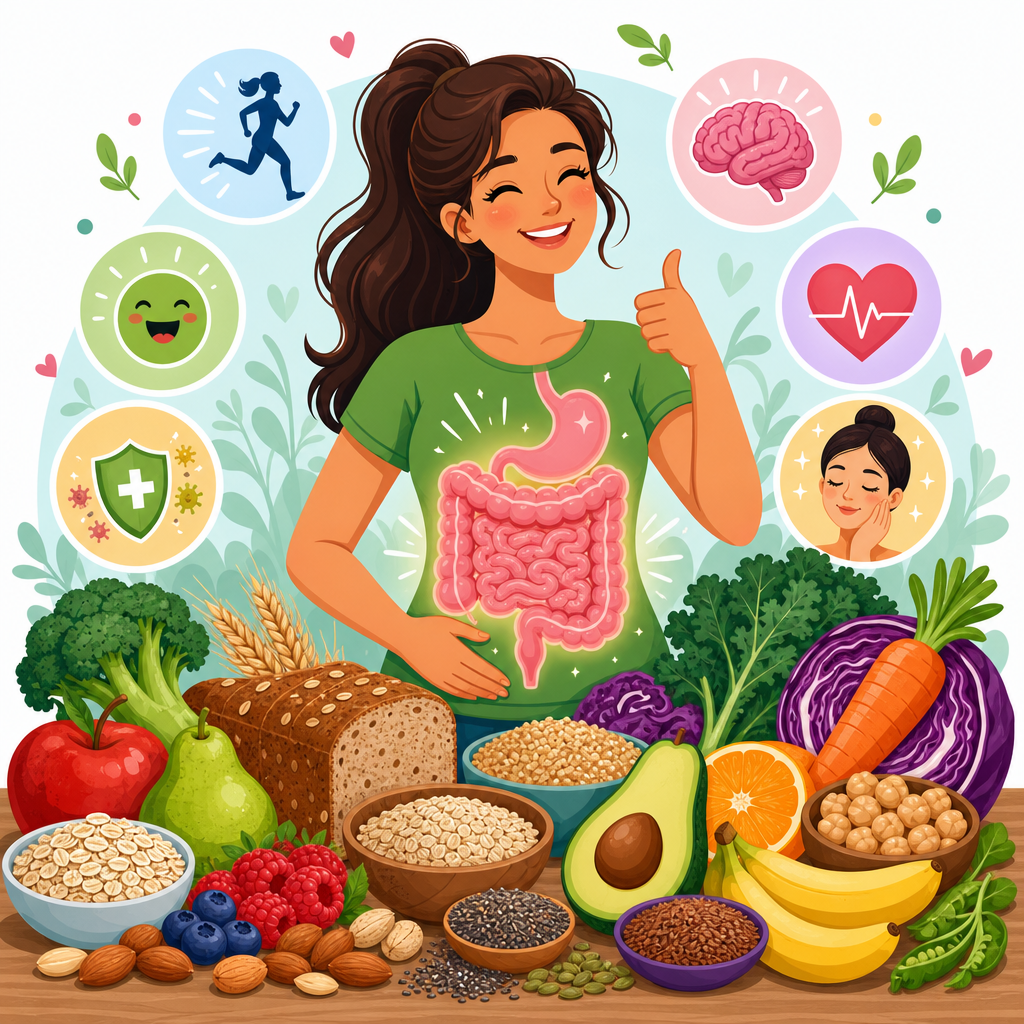

Maximizing your health with nutrient absorption and bioavailability starts with a simple truth: what you eat matters, but what your body can actually digest, absorb, transport, and use matters even more. In practice, many people consume technically adequate diets yet still fall short because nutrients are trapped in food structures, blocked by competing compounds, poorly digested, or mismatched with individual physiology. Nutrient absorption refers to the movement of vitamins, minerals, amino acids, fatty acids, and other food components from the digestive tract into the bloodstream or lymphatic system. Bioavailability goes a step further. It describes the proportion of a nutrient that is absorbed and then becomes available for cellular functions such as energy production, immune defense, bone maintenance, hormone synthesis, and tissue repair.
This distinction is central to modern nutrition. Iron in spinach, for example, is not used by the body the same way as iron in beef. Lycopene from cooked tomatoes behaves differently than lycopene from raw tomatoes. Calcium can be plentiful in a meal yet poorly absorbed if vitamin D status is low or oxalates are high. I have seen this repeatedly when reviewing food logs: people focus on intake totals while missing the factors that determine real nutritional payoff. Understanding absorption and bioavailability helps explain why two diets with similar nutrient numbers on paper can produce very different outcomes in energy, recovery, cognition, and long-term health.
This hub article covers the core mechanisms that shape nutrient uptake, the food and lifestyle factors that enhance or inhibit it, the role of digestion and the gut, common nutrient-specific examples, and practical ways to improve results without turning meals into chemistry experiments. If you want a clearer framework for making everyday nutrition more effective, this is where to begin.
How nutrient absorption works in the body
Nutrient absorption is a coordinated process that begins before food reaches the stomach. Chewing increases surface area, saliva starts carbohydrate digestion, and stomach acid unfolds proteins while freeing certain minerals from food matrices. In the small intestine, pancreatic enzymes and bile do most of the heavy lifting. Carbohydrates are reduced to simple sugars, proteins to amino acids and small peptides, and fats to fatty acids and monoglycerides. These smaller units pass through the intestinal lining using different transport systems. Water-soluble nutrients such as vitamin C and many B vitamins often enter directly into the portal circulation and travel first to the liver. Fat-soluble vitamins A, D, E, and K are packaged into chylomicrons and move through the lymphatic system before entering the bloodstream.
The small intestine is the primary site of absorption because it has villi and microvilli, structures that massively increase surface area. Specific transporters matter. Glucose uses sodium-dependent transporters, fructose uses GLUT5, and heme iron enters via a different pathway than non-heme iron. Some nutrients require helpers. Vitamin B12 needs intrinsic factor produced by the stomach, while calcium absorption is partly regulated by active vitamin D. When these systems are impaired by low stomach acid, pancreatic insufficiency, celiac disease, inflammatory bowel disease, bariatric surgery, or certain medications, deficiencies can appear even with adequate intake.
Bioavailability also depends on what happens after absorption. A nutrient may enter the body but still be less useful if it is poorly converted into its active form. Beta-carotene from carrots must be converted to retinol, and conversion rates vary with genetics, thyroid status, and fat intake. Folate in foods and folic acid in fortified products follow different metabolic routes. Magnesium is absorbed in the intestine but can be lost through the kidneys depending on medication use, blood sugar control, and overall mineral balance. That is why the most useful question is not only, “How much is in the food?” but also, “How much reaches the tissues in a form the body can use?”
What increases or decreases bioavailability
Several predictable factors shape bioavailability. Food form is one of the biggest. Cooking can improve the availability of some nutrients by breaking down cell walls. Tomatoes release more lycopene after heating, and carrots yield more absorbable beta-carotene when cooked and eaten with fat. On the other hand, prolonged boiling can leach vitamin C and some B vitamins into water. Particle size matters too. Ground flaxseed is more accessible than whole flaxseed, and pureed soups may be easier to digest during illness than large raw salads.
Meal composition is equally important. Fat enhances absorption of fat-soluble vitamins and carotenoids. A salad with olive oil delivers more vitamin K and carotenoid uptake than dry greens alone. Vitamin C can sharply increase non-heme iron absorption from beans, lentils, and fortified grains, which is why citrus, strawberries, kiwi, bell peppers, or tomatoes are useful pairings. By contrast, phytates in legumes and whole grains, oxalates in spinach and beet greens, and tannins in tea can reduce the absorption of minerals such as iron, zinc, and calcium. This does not make these foods unhealthy; it means preparation and pairing matter.
Individual factors are often overlooked. Age reduces stomach acid in many adults, lowering the release of minerals and B12 from food. Alcohol can impair absorption and increase nutrient losses. Proton pump inhibitors, metformin, certain anticonvulsants, and bile acid sequestrants all have well-documented nutrient implications. Gut infections, dysbiosis, chronic diarrhea, and pancreatic disorders can compromise digestion. Even exercise influences bioavailability, because intense training raises requirements for iron, magnesium, and protein while gastrointestinal tolerance may temporarily decrease during endurance events. The best nutrition plan accounts for both the food and the person eating it.
Digestive health and the gut barrier
Healthy digestion is the foundation of nutrient absorption. The stomach must produce enough acid to sterilize incoming food, activate pepsin, and release minerals and vitamin B12 from proteins. The pancreas must deliver enzymes such as lipase, amylase, and proteases. The liver and gallbladder must produce and release bile to emulsify fats. If any link underperforms, downstream absorption declines. In clinical settings, steatorrhea, bloating after high-fat meals, unexplained anemia, and unintentional weight loss often point to digestive dysfunction rather than simple poor food choices.
The intestinal barrier also plays a direct role. Enterocytes, tight junctions, mucus, immune cells, and the gut microbiota together regulate what is absorbed and what is kept out. Certain fibers are fermented by bacteria into short-chain fatty acids such as butyrate, which support colon health and may influence mineral absorption indirectly. Gut microbes also synthesize vitamin K2 and some B vitamins, although the extent to which this meaningfully contributes to human status varies. What is clearer is that a disrupted gut environment can reduce tolerance for nutrient-dense foods, increase inflammation, and alter transit time in ways that limit uptake.
From experience, the most practical improvements usually come from basics rather than exotic supplements: slower eating, adequate chewing, regular meal timing, enough protein, appropriate fiber, hydration, and evaluation of persistent digestive symptoms. When symptoms suggest conditions like celiac disease, Crohn’s disease, ulcerative colitis, small intestinal bacterial overgrowth, or exocrine pancreatic insufficiency, targeted medical assessment is essential. Correcting the root issue often improves absorption more than adding another product to an already complicated routine.
Nutrient-specific examples that matter most
Some nutrients are consistently important because they are commonly underabsorbed, highly interactive, or both. Iron is a classic case. Heme iron from meat, poultry, and seafood is absorbed more efficiently than non-heme iron from plants. Vitamin C can significantly improve non-heme absorption, while tea, coffee, calcium supplements, and phytates can reduce it when consumed at the same time. Calcium itself is best absorbed in moderate doses, generally around 500 milligrams or less per sitting, and requires adequate vitamin D status for efficient active transport. Spinach contains calcium, but much of it is bound by oxalates, making it less available than calcium from dairy, calcium-set tofu, or low-oxalate greens like kale and bok choy.
Protein quality also reflects bioavailability. Animal proteins generally have higher digestibility and more favorable essential amino acid profiles, measured by systems such as PDCAAS and DIAAS. That does not mean plant proteins are ineffective. It means combinations and total intake matter more. Soy, potato protein, pea and rice blends, dairy, eggs, fish, and lean meats all provide strong usable protein, but older adults, athletes, and people recovering from illness often benefit from paying attention to leucine content and total digestibility rather than grams alone.
Fat-soluble nutrients present another pattern. Vitamins A, D, E, and K need dietary fat and healthy bile function for optimal absorption. Omega-3 fatty acids from fatty fish, such as salmon, sardines, and mackerel, are delivered in preformed EPA and DHA, while plant foods like flax and chia provide ALA, which converts inefficiently in many adults. Carotenoids like lutein and lycopene also become more useful when foods are chopped, blended, cooked, or eaten with oil. The broad lesson is consistent: nutrient density is valuable, but nutrient usability is what drives results.
Methods that improve absorption in everyday meals
Simple preparation methods can make a measurable difference. Soaking, sprouting, fermenting, and sourdough fermentation reduce phytate levels and can improve mineral availability. Cooking beans thoroughly improves digestibility and lowers lectin content. Pairing iron-rich plant foods with vitamin C sources is one of the highest-return habits in nutrition. Using olive oil on vegetables, adding avocado to salads, or including nuts and seeds with meals helps with fat-soluble nutrient uptake. Rotating food sources also matters, because no single food offers the best form of every nutrient.
| Goal | Helpful strategy | Plain example |
|---|---|---|
| Improve iron absorption | Pair non-heme iron with vitamin C | Lentil soup with tomatoes and lemon |
| Improve carotenoid uptake | Add dietary fat and gentle cooking | Roasted carrots with olive oil |
| Improve mineral availability | Reduce phytates through soaking or fermentation | Overnight oats or sourdough bread |
| Support calcium use | Maintain vitamin D status and spread intake | Yogurt at breakfast, tofu at dinner |
| Improve protein usability | Choose highly digestible sources or complementary blends | Greek yogurt, eggs, or rice and beans |
Supplement form can matter when diet alone is not enough, but more is not automatically better. Magnesium glycinate and citrate are often better tolerated than magnesium oxide. Calcium citrate is absorbed well with or without meals, while calcium carbonate usually performs best with food. Methylcobalamin and cyanocobalamin can both be effective for B12, but people with severe deficiency, pernicious anemia, or absorption disorders may need high-dose oral therapy or injections under medical guidance. Timing matters too. Taking iron away from calcium and tea can help, and taking fat-soluble vitamins with a meal is usually wise.
Context should guide decisions. A vegan athlete, an older adult on acid-suppressing medication, a person recovering from gastric bypass, and a child with selective eating all face different bioavailability challenges. That is why a hub approach to nutrition basics is useful: you can build from fundamentals, then go deeper into iron, calcium, gut health, protein quality, food preparation, and supplement strategy as needed.
How to evaluate whether your diet is truly working
The most reliable way to judge nutrient status is to combine dietary assessment, symptoms, and appropriate lab data. Intake tracking can identify obvious gaps, but it cannot confirm absorption. Blood work helps, though each marker has limitations. Ferritin is useful for iron stores but rises with inflammation. Serum B12 can look normal despite functional insufficiency, so methylmalonic acid or homocysteine may add context. Vitamin D is usually assessed with 25-hydroxyvitamin D. Magnesium is difficult because serum levels are tightly regulated and may not reflect total body stores. Clinical interpretation matters.
Symptoms provide practical clues. Fatigue, brittle nails, hair shedding, frequent infections, mouth sores, poor wound healing, tingling, bone pain, easy bruising, and persistent muscle cramps can all point toward nutrition issues, but none are specific on their own. The key is pattern recognition. If a person eats a high-fiber plant-forward diet, drinks tea with meals, has heavy menstrual losses, and reports fatigue and shortness of breath during exercise, iron bioavailability should move high on the list. If another person avoids dairy, gets little sun exposure, and has low bone density, calcium and vitamin D deserve attention together.
For most people, the best next step is not a dramatic overhaul. It is a structured review of meals, symptoms, medications, digestion, and preparation habits. Improve pairings, correct obvious blockers, test when appropriate, and reassess. When you optimize nutrient absorption and bioavailability, you make every meal work harder. Use this hub as your starting point, then explore the related Nutrition Basics articles on minerals, vitamins, digestion, protein, and meal planning to build a diet that delivers not just intake, but real biological benefit every day.
Frequently Asked Questions
What is the difference between nutrient absorption and bioavailability?
Nutrient absorption is the process by which nutrients move from the digestive tract into the bloodstream or lymphatic system after food has been broken down. Bioavailability goes a step further. It describes how much of that nutrient is not only absorbed, but also transported, activated, and actually used by the body’s cells and tissues. In other words, absorption is one part of the story, while bioavailability reflects the nutrient’s real-world effectiveness inside the body.
This distinction matters because a food or supplement may contain a high amount of a nutrient on paper, yet the body may only access a fraction of it. For example, some minerals are bound to plant compounds that reduce uptake, some vitamins require dietary fat for proper absorption, and some nutrients must be converted into active forms before the body can use them efficiently. Age, digestive health, medications, genetics, inflammation, and even meal composition can all influence whether a nutrient is merely present in the diet or truly available to support energy production, immune function, bone health, cognition, and recovery.
Why can someone eat a healthy diet and still have poor nutrient status?
Eating a nutrient-dense diet is essential, but it does not guarantee optimal nutrient status. The body must first digest food properly, release nutrients from that food matrix, absorb them through the intestinal lining, transport them through the body, and then utilize them at the cellular level. Breakdowns can occur at any stage. Low stomach acid, enzyme insufficiency, gut inflammation, microbiome imbalances, chronic stress, and certain gastrointestinal conditions can all interfere with digestion and absorption, even when food choices are excellent.
There are also many practical factors that reduce nutrient availability. Some nutrients compete with one another for absorption pathways, while others are blocked by compounds such as phytates, oxalates, or excess alcohol. Certain medications can lower levels of key vitamins and minerals over time. Individual physiology also matters. For instance, some people convert nutrients less efficiently due to genetic differences, while older adults may absorb vitamin B12, calcium, magnesium, and protein less effectively than younger individuals. This is why signs of deficiency or suboptimal health can appear even in people who seem to be eating well. Looking beyond diet quantity and focusing on digestion, gut health, meal balance, and personal health status is often where real progress begins.
What foods and habits help improve nutrient absorption naturally?
Several simple food pairings and daily habits can significantly improve nutrient absorption. One of the best-known examples is pairing fat-soluble vitamins such as vitamins A, D, E, and K with healthy fats. Adding olive oil to vegetables, eating avocado with a salad, or including nuts and seeds in a meal can improve uptake of these nutrients. Vitamin C also enhances the absorption of non-heme iron from plant foods, so combining beans, lentils, spinach, or fortified grains with citrus, berries, peppers, or tomatoes can make a meaningful difference. Cooking methods matter as well. In some cases, light cooking breaks down plant cell walls and increases availability of nutrients such as lycopene and beta-carotene, while soaking, sprouting, or fermenting foods may reduce compounds that interfere with mineral absorption.
Habits beyond food selection are equally important. Eating in a relaxed state supports digestive function because stress can reduce stomach acid, enzyme release, and intestinal motility. Chewing thoroughly gives digestion a better start mechanically and chemically. Supporting gut health through a varied, fiber-rich diet and fermented foods may also improve how effectively the body processes nutrients over time. In some cases, spacing out supplements or avoiding unnecessary megadoses is helpful because high amounts of one mineral may interfere with another. The overall goal is not perfection, but creating conditions that help your body access more of the nutrition already present in your meals.
How does gut health affect nutrient bioavailability?
Gut health plays a central role in nutrient bioavailability because the digestive tract is where food is broken down, nutrients are released, and absorption takes place. A healthy intestinal lining, adequate stomach acid, balanced digestive enzymes, and proper bile flow all help the body extract and absorb nutrients efficiently. If any of these systems are compromised, bioavailability can drop. For example, low stomach acid may reduce the absorption of minerals and vitamin B12, while poor fat digestion can interfere with uptake of fat-soluble vitamins and essential fatty acids.
The gut microbiome also influences nutrient status in important ways. Beneficial microbes help ferment certain fibers, produce compounds that support the intestinal barrier, and contribute to the metabolism of some vitamins and phytonutrients. When the microbiome is disrupted, or when the intestinal lining is inflamed or damaged, absorption may become less efficient and the body may struggle to utilize nutrients properly. This is one reason digestive symptoms such as bloating, diarrhea, constipation, reflux, or food intolerances should not be ignored. They are not only comfort issues; they can be signs that nutrient delivery is being compromised. Improving gut health through targeted dietary changes, medical evaluation when needed, and consistent lifestyle support can have a direct impact on energy, immunity, hormonal balance, and overall resilience.
Are supplements always better absorbed than nutrients from food?
Not necessarily. Supplements can be very useful, especially when a person has increased needs, limited dietary intake, diagnosed deficiencies, digestive problems, or life stages that demand more of certain nutrients. However, supplements are not automatically more bioavailable than food. Whole foods often provide nutrients in a natural matrix alongside fiber, fats, proteins, enzymes, and phytonutrients that support absorption and utilization. Food also tends to deliver nutrients in balanced amounts rather than in isolated high doses, which can be easier for the body to manage.
That said, some supplements are formulated in ways that improve absorption, such as chelated minerals, emulsified fat-soluble vitamins, or active forms of certain B vitamins. In those cases, supplements may help fill specific gaps effectively. The key is matching the form, dose, and timing to the individual. A poorly chosen supplement can be ineffective or even interfere with absorption of other nutrients. For example, taking large amounts of one mineral may crowd out another, and some supplements are best taken with food while others work better away from competing compounds. The most effective strategy is usually food first, with supplements used thoughtfully to address personal needs rather than as a blanket replacement for a nutrient-rich diet.