Nutrient absorption and bioavailability determine whether the vitamins, minerals, protein, fats, and plant compounds in food actually reach the tissues that need them. In practice, this topic is often misunderstood because people assume that a nutrient listed on a label is fully available to the body, or that one “superfood” can override poor digestion, medication interactions, or an unbalanced diet. After years of reviewing food logs, supplement routines, and lab trends with clients, I have seen the same pattern repeatedly: people focus on intake, while the body’s ability to release, transport, convert, and use nutrients gets ignored. That gap is where many nutrition myths begin.
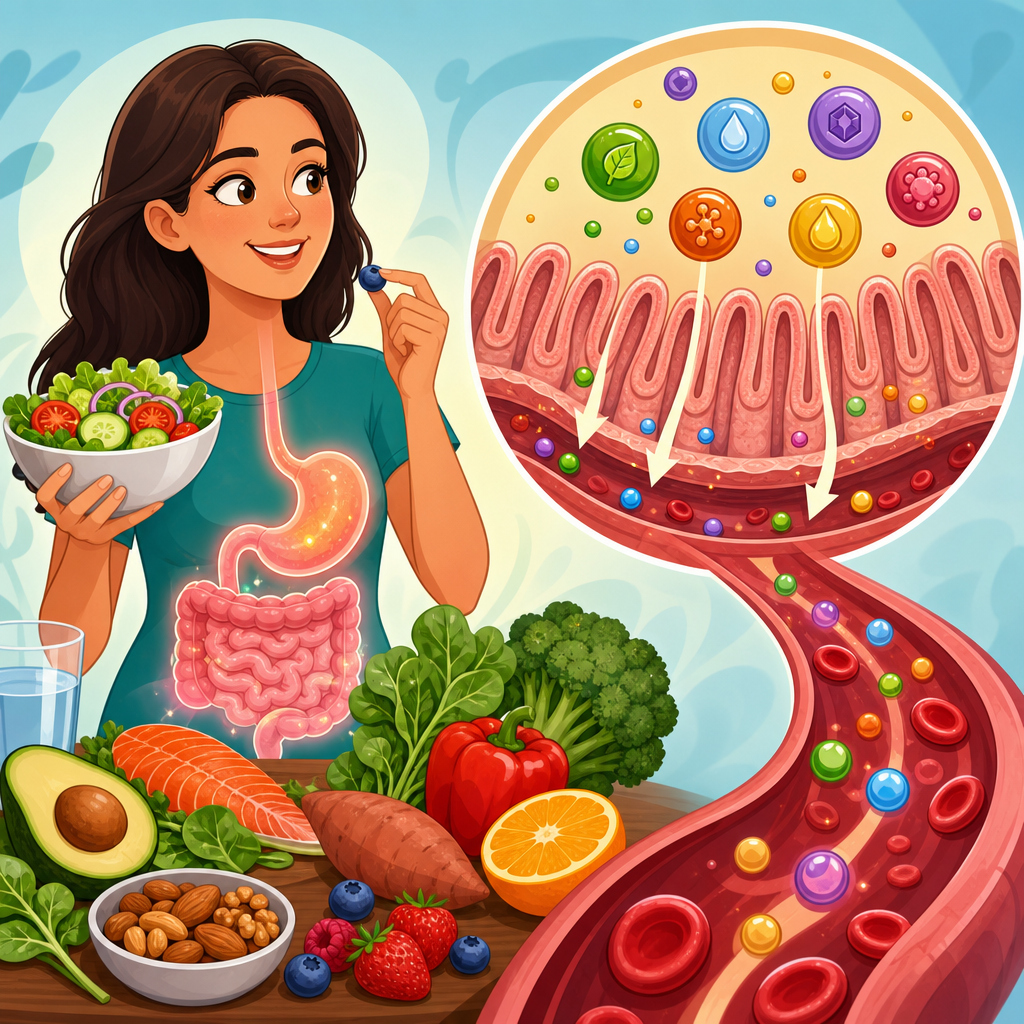
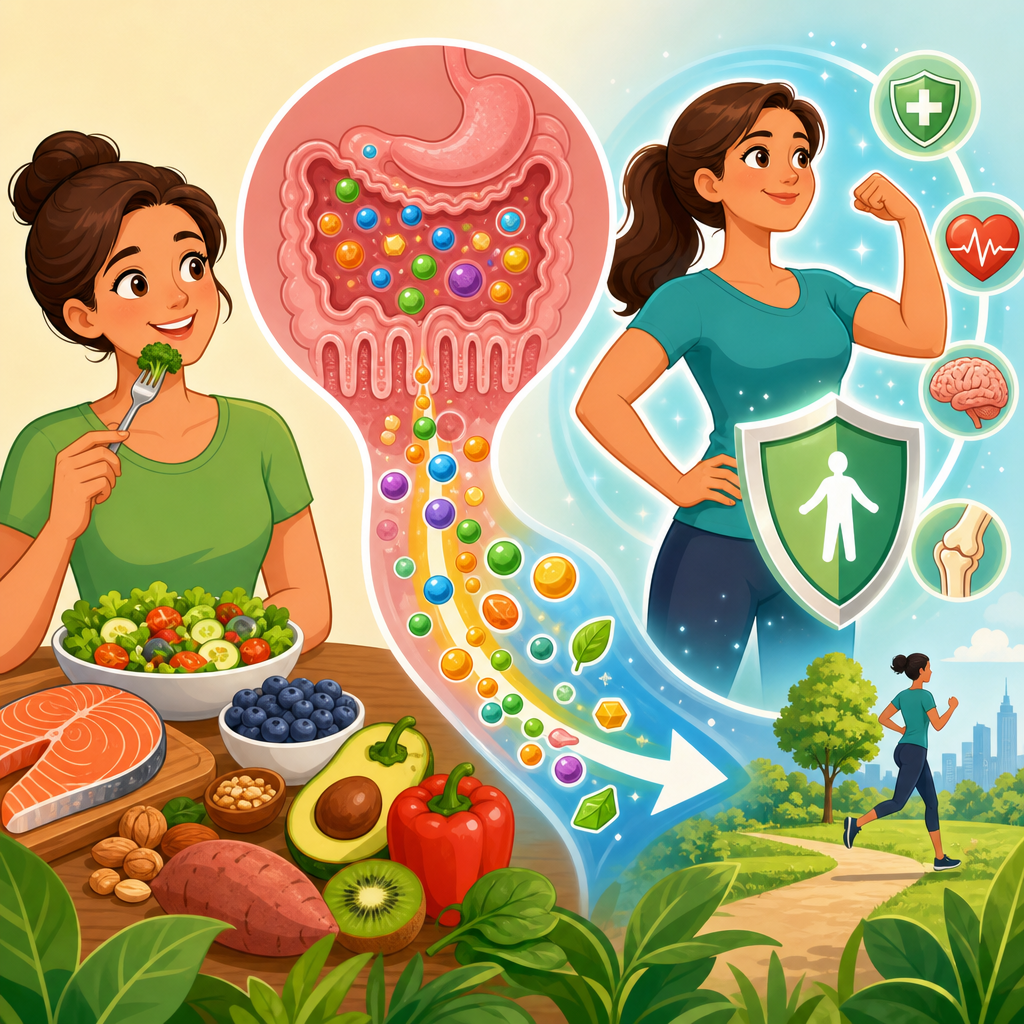
Absorption refers to the movement of nutrients from the digestive tract into the bloodstream or lymphatic system. Bioavailability goes a step further. It describes how much of an ingested nutrient is digested, absorbed, activated when necessary, delivered to target tissues, and ultimately used for a biological function. Iron is a simple example. Two meals can contain the same amount of iron on paper, yet the body may absorb far more from one meal than the other depending on whether the iron is heme or nonheme, whether vitamin C is present, and whether calcium, tea polyphenols, or phytates are consumed at the same time.
This matters because nutrient absorption and bioavailability affect energy, immunity, bone health, muscle repair, cognition, pregnancy outcomes, and healthy aging. They also shape how useful a diet or supplement plan really is. A person can consume enough vitamin B12 but absorb very little because of low stomach acid, pernicious anemia, gastrointestinal surgery, or long-term metformin use. Someone else may eat plenty of carotenoid-rich vegetables yet convert beta-carotene to vitamin A inefficiently due to genetics, low fat intake, or digestive disorders. Understanding these realities helps people make evidence-based food choices instead of chasing simplistic rules.
Many common beliefs about nutrient absorption sound plausible because they contain a fragment of truth. Fiber can interfere with some minerals in certain contexts, but high-fiber diets are still strongly associated with better health. Raw foods preserve some nutrients, but cooking improves the availability of others. Expensive supplements can help in targeted cases, but they do not automatically outperform food. This hub article explains the major myths, what actually happens in the body, and how to improve nutrient bioavailability in practical, sustainable ways.
Myth 1: If a food label lists a nutrient, your body absorbs all of it
This is the most widespread misconception. Nutrition labels report content, not guaranteed uptake. The body has to break food down mechanically and chemically, move nutrients through the intestinal wall, transport them in blood or lymph, and regulate storage or excretion. Absorption depends on digestive capacity, nutrient form, meal composition, age, health status, and medication use. Magnesium in a leafy green, magnesium oxide in a supplement, and magnesium citrate in a beverage do not behave identically. Label numbers are useful, but they are only the starting point.
The food matrix also matters. Nutrients are packaged within protein structures, fibrous plant cell walls, fat droplets, and mineral complexes. Lycopene in raw tomatoes is less bioavailable than lycopene in cooked tomato sauce with olive oil because heating breaks plant cell matrices and dietary fat improves absorption. Protein digestibility differs between eggs, legumes, dairy, and processed plant proteins. Even within the same category, preparation changes outcomes. Soaking, fermenting, sprouting, blending, and cooking can all increase access to nutrients that were present all along but not easily released.
Myth 2: Supplements are always more bioavailable than food
Supplements can be effective, but they are not automatically superior to whole foods. Food delivers nutrients alongside cofactors, enzymes, fat, water, amino acids, and phytonutrients that can improve use in the body. For example, potassium is generally better obtained through foods such as potatoes, beans, yogurt, bananas, and leafy greens, because supplements are tightly regulated in dose and can be risky in some medical conditions. Calcium in dairy or calcium-set tofu comes packaged with protein or other meal components that may support better overall intake patterns than relying on pills alone.
There are, however, clear cases where supplements are appropriate or necessary. Folic acid before and during early pregnancy reduces neural tube defect risk. Vitamin D supplementation is often useful when sun exposure is limited. Vitamin B12 supplements are essential for vegans and many older adults. Iron supplements can correct deficiency when guided by testing, but they also cause gastrointestinal side effects and should not be taken casually. Form matters too: cyanocobalamin and methylcobalamin both work for most people, while ferrous bisglycinate may be easier to tolerate than ferrous sulfate. The right supplement solves a defined problem; random stacking often creates expense without benefit.
Myth 3: Raw food is always the best choice for nutrient absorption
Raw food advocates are right that heat can reduce certain heat-sensitive compounds, including some vitamin C and folate. But the idea that raw is always nutritionally superior is false. Cooking can improve digestibility, reduce antinutrients, and increase absorption of several important compounds. The clearest examples are tomatoes and carrots. Cooking tomatoes increases available lycopene, and cooking carrots can improve access to beta-carotene. Eggs are another strong case: cooked egg protein is substantially more digestible than raw egg protein, and raw egg whites contain avidin, which can bind biotin.
Legumes and grains show why preparation matters. Raw or undercooked beans contain lectins and other compounds that impair digestion and can cause illness. Proper soaking and cooking improve safety and increase nutrient accessibility. Light steaming often preserves more nutrients than prolonged boiling, especially for cruciferous vegetables. In real meal planning, the best approach is variety: some produce raw for texture and vitamin preservation, some cooked for better absorption and tolerance. The “best” form depends on the nutrient, the food, and the person eating it.
Myth 4: Antinutrients make plant foods unhealthy
Phytates, oxalates, tannins, and lectins are often described online as reasons to avoid grains, beans, nuts, seeds, tea, and many vegetables. That is a serious distortion. These compounds can reduce absorption of specific nutrients under certain conditions, but they do not make plant foods unhealthy. In fact, many foods containing so-called antinutrients are consistently linked with lower chronic disease risk. Beans, lentils, oats, almonds, spinach, berries, and tea appear repeatedly in dietary patterns associated with longevity and cardiometabolic health.
The real issue is context. Phytates can reduce zinc and iron absorption, especially in diets heavily dependent on unrefined grains and legumes with low animal food intake. Yet soaking, sprouting, fermenting, sourdough preparation, and normal mixed-meal eating can reduce this effect. Tannins in tea may inhibit nonheme iron absorption if tea is consumed with iron-rich meals, but drinking tea between meals usually solves the problem. Oxalates matter for people prone to certain kidney stones, not for everyone. Plant foods are not nutritional enemies; they simply require smart preparation and balanced meal design.
| Myth | What actually affects bioavailability | Practical example |
|---|---|---|
| Labels equal absorption | Nutrient form, digestion, transport, meal composition | Iron from lentils is absorbed better with peppers or citrus |
| Supplements beat food | Food matrix, cofactors, dose, deficiency status | B12 supplements help vegans, but potassium is best from food |
| Raw is always best | Cooking can improve digestibility and release nutrients | Cooked tomatoes provide more bioavailable lycopene |
| Antinutrients are harmful | Preparation methods and overall diet determine impact | Soaked beans and fermented grains reduce phytate effects |
Myth 5: All forms of the same nutrient work the same way
Nutrient chemistry matters. Heme iron from meat, poultry, and seafood is absorbed more efficiently than nonheme iron from beans, grains, and vegetables. Vitamin D3 generally raises and maintains blood 25-hydroxyvitamin D more effectively than D2. Natural folate in foods and folic acid in fortified foods or supplements differ in stability and metabolism, although both can support status. Magnesium glycinate, citrate, oxide, and chloride have different elemental amounts, solubility, and gastrointestinal effects. These differences are not marketing trivia; they influence real outcomes.
One area where this becomes especially important is omega-3 fats. EPA and DHA from fatty fish are ready for use, while ALA from flax, chia, and walnuts must be converted, and that conversion is limited. Another is calcium. Calcium carbonate contains more elemental calcium but is absorbed best with food, whereas calcium citrate is often better tolerated and can be taken without meals. Choosing the right form depends on symptoms, lab values, medications, digestive function, and dietary pattern, not just the biggest number on a label.
Myth 6: More is better when trying to fix poor absorption
Taking a higher dose does not guarantee proportionally higher benefit. Absorption pathways can saturate, and excess intake can compete with other nutrients or create side effects. Calcium is a classic example. The gut absorbs calcium more efficiently in moderate doses than in very large single doses, which is why split dosing is often recommended when supplementation is necessary. Zinc can support immune function and correct deficiency, but long-term high-dose zinc can reduce copper absorption and lead to imbalance. Iron overload is dangerous, particularly for people with hereditary hemochromatosis or those supplementing without confirmed deficiency.
Megadoses also distract from solving the real barrier. If low vitamin B12 is caused by pernicious anemia, a generic multivitamin may not be enough. If fat malabsorption follows pancreatic insufficiency or gallbladder removal, simply adding more fat-soluble vitamins without addressing digestion may fail. Better strategy starts with identifying the mechanism: low intake, impaired digestion, poor absorption, increased losses, medication interaction, inflammation, or elevated need. Once the cause is clear, dose can be matched rationally instead of guessed.
Myth 7: A healthy gut automatically means optimal nutrient bioavailability
Gut health matters, but it is not a magic guarantee. Adequate stomach acid helps release minerals and protein-bound nutrients. Pancreatic enzymes are needed to break down fat, protein, and carbohydrate. Bile is essential for absorbing fats and fat-soluble vitamins A, D, E, and K. The small intestine must have enough healthy surface area for uptake. Conditions such as celiac disease, Crohn’s disease, ulcerative colitis, small intestinal bacterial overgrowth, atrophic gastritis, chronic pancreatitis, and post-bariatric surgery changes can all reduce nutrient absorption in specific ways.
Medications also reshape absorption more than people realize. Proton pump inhibitors can reduce absorption of B12, magnesium, iron, and calcium over time in susceptible individuals. Metformin is associated with lower B12 status. Orlistat reduces fat absorption and can lower absorption of fat-soluble vitamins. Broad-spectrum antibiotics can alter the gut microbiome temporarily, affecting vitamin K production and digestive resilience. When symptoms such as chronic bloating, diarrhea, reflux, unexplained fatigue, tingling, or recurrent deficiencies appear, the right response is evaluation, not internet guesswork.
How to improve nutrient absorption and bioavailability in everyday meals
The best strategies are simple and repeatable. Pair nonheme iron foods with vitamin C sources: beans with salsa, lentils with tomatoes, spinach with strawberries or citrus. Include fat with carotenoid-rich produce: olive oil on salad, avocado with peppers, tahini with roasted carrots. Spread protein across meals to support muscle protein synthesis and improve total intake quality. Use soaking, sprouting, fermenting, and cooking techniques where useful, especially for legumes and whole grains. If dairy is not tolerated, choose fortified alternatives thoughtfully and check calcium, vitamin D, iodine, and protein content.
It is also smart to personalize. Older adults may need more attention to protein quality, B12, calcium, and vitamin D. Vegans should plan for B12, iron, zinc, iodine, calcium, and omega-3 intake. People with heavy menstrual losses may need iron screening. Athletes may need more carbohydrate, sodium, and total energy to preserve micronutrient status. The most reliable approach is food first, targeted supplements when indicated, and periodic labs when risk is high. If you want a strong foundation for Nutrition Basics, build meals around nutrient pairing, preparation, and consistency rather than myths. Review your routine, identify likely weak points, and make one practical change this week.
Frequently Asked Questions
1. Does the amount of a nutrient on a food label mean my body absorbs all of it?
No. A nutrition label tells you how much of a nutrient is present in a food, not how much your body will actually absorb and use. That difference is the core of bioavailability. Absorption depends on several real-world factors, including the food matrix, how the food is prepared, what it is eaten with, the health of the digestive system, age, medication use, and even individual genetics. For example, iron in spinach is not absorbed the same way as iron in red meat, and the calcium in one food may be easier to use than the calcium in another. Even a nutrient-dense diet can fall short if digestion is impaired or if the nutrient is in a form the body does not readily access.
This is why it is misleading to assume that “high in vitamin X” automatically means “highly useful to the body.” Some nutrients need fat for absorption, such as vitamins A, D, E, and K. Others compete with one another for transport or can be blocked by compounds naturally found in foods, such as phytates and oxalates. On the positive side, food combinations can also improve uptake. Vitamin C can enhance non-heme iron absorption, and cooking can make certain plant compounds more available. The big takeaway is that labels provide a starting point, not the full story. What matters most is what your body can liberate, absorb, transport, and ultimately use.
2. Can one “superfood” or supplement make up for poor nutrient absorption or an unbalanced diet?
This is one of the most persistent myths, and the answer is no. No single food, powder, green drink, or supplement can override a chronically unbalanced diet, ongoing digestive issues, or a pattern of low overall nutrient intake. Bioavailability is influenced by the total dietary pattern and by the health of the systems responsible for digestion, absorption, and metabolism. If someone is skipping meals, eating very little protein, under-consuming healthy fats, or relying heavily on ultra-processed foods, adding one trendy superfood usually produces far less benefit than marketing suggests.
Supplements can absolutely be helpful in the right context, especially when there is a documented deficiency, increased need, restricted diet, or medical reason to use them. But they are tools, not shortcuts. If the digestive tract is inflamed, stomach acid is low, pancreatic output is inadequate, bile flow is impaired, or medications interfere with nutrient uptake, even a high-quality supplement may not work as expected. In practice, the best results usually come from improving the foundations first: regular meals, sufficient protein, adequate fiber, healthy fats, a variety of minimally processed foods, and attention to digestive health. Superfoods can be part of a strong plan, but they cannot rescue a weak one.
3. Are plant foods always poor sources of nutrients because of “anti-nutrients”?
No. This idea is often exaggerated and strips away important nuance. Plant foods do contain compounds such as phytates, lectins, tannins, and oxalates, and in some cases these can reduce absorption of specific minerals. But that does not make plant foods nutritionally inferior or harmful by default. Beans, lentils, whole grains, nuts, seeds, vegetables, and fruits provide fiber, vitamins, minerals, and thousands of beneficial plant compounds linked to long-term health. The presence of anti-nutrients does not erase those benefits.
What matters is context, preparation, and dietary variety. Traditional methods like soaking, sprouting, fermenting, and cooking can lower some compounds that interfere with mineral absorption. Pairing foods strategically also helps. For example, adding vitamin C-rich foods to meals can improve non-heme iron absorption from beans and greens. Meanwhile, a diverse diet reduces the likelihood that one absorption issue becomes nutritionally significant. For most healthy people eating a balanced diet, anti-nutrients are not the nutritional disaster they are sometimes made out to be. The more accurate view is that plant foods contain both compounds that can modestly limit absorption and compounds that strongly support health. Looking at only one side of that equation leads to bad conclusions.
4. If I have digestive symptoms, does that automatically mean I am not absorbing nutrients well?
Not automatically, but it is a legitimate concern worth paying attention to. Symptoms such as bloating, chronic diarrhea, constipation, reflux, abdominal pain, early fullness, or frequent nausea can sometimes signal problems that affect nutrient breakdown or absorption. Conditions involving the stomach, pancreas, gallbladder, small intestine, or microbiome may reduce how efficiently the body extracts nutrients from food. That said, symptoms alone do not prove malabsorption. Some people with significant deficiencies have very few digestive complaints, while others have symptoms caused by issues that do not severely impair nutrient status.
The smarter approach is to look at the full picture: symptoms, food intake, medical history, medication use, lab work, and sometimes stool testing or specialist evaluation. Warning signs that deserve further attention include unexplained fatigue, hair loss, brittle nails, numbness or tingling, frequent infections, bone issues, unintended weight loss, anemia, or deficiencies that persist despite adequate intake. Medications also matter more than many people realize. Acid-suppressing drugs, metformin, certain laxatives, bile acid binders, and some weight-loss medications can influence absorption of key nutrients. If symptoms are ongoing or deficiencies keep appearing, it is worth investigating instead of assuming that taking more supplements will solve the problem. Often the real issue is not intake alone, but the body’s ability to process and use what is being consumed.
5. Is eating a “healthy diet” enough to guarantee good bioavailability and nutrient status?
Not always. A healthy diet is the foundation, but it does not guarantee optimal nutrient status in every person. Two people can eat similarly nutritious meals and have very different outcomes based on digestion, absorption, hormone status, stress, sleep, activity level, medical conditions, medication use, menstrual losses, age-related changes, and genetics. For instance, someone may eat iron-rich foods yet still struggle with low iron because of heavy menstrual bleeding, low stomach acid, celiac disease, or poor meal composition. Another person may consume enough vitamin B12 on paper but absorb less because of gastrointestinal issues or medication effects.
Bioavailability is a reminder that nutrition is not just about what goes in the mouth. It is also about what gets broken down, absorbed through the intestinal lining, transported in the blood, activated when needed, and delivered into tissues. This is why personalized nutrition matters. In real practice, improving nutrient status may involve meal timing, food pairing, cooking methods, treating gut issues, adjusting supplements, reviewing medications, or confirming needs through lab testing rather than guessing. A generally healthy diet remains essential, but it should be seen as the base of the pyramid, not the finish line. When symptoms, deficiencies, or stalled progress show up, the next step is to ask whether the issue is intake, absorption, utilization, or all three.