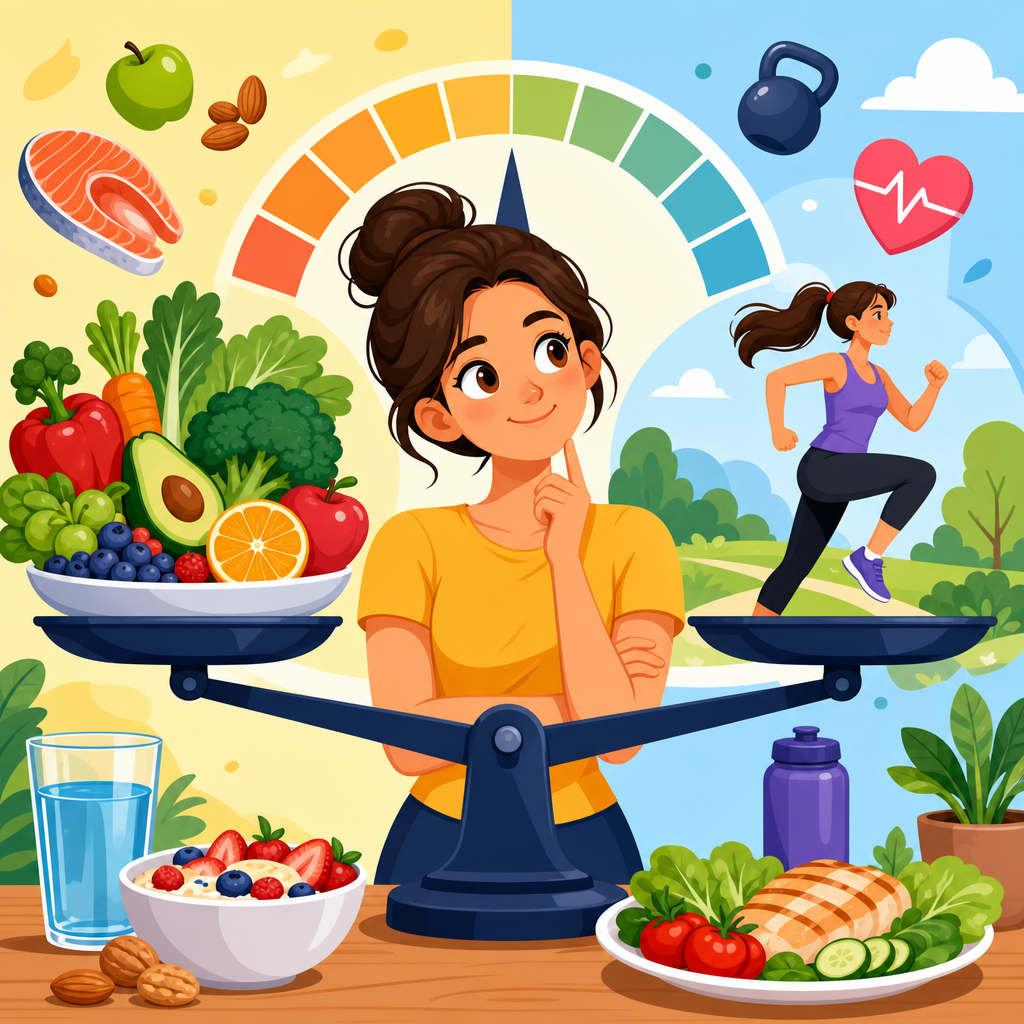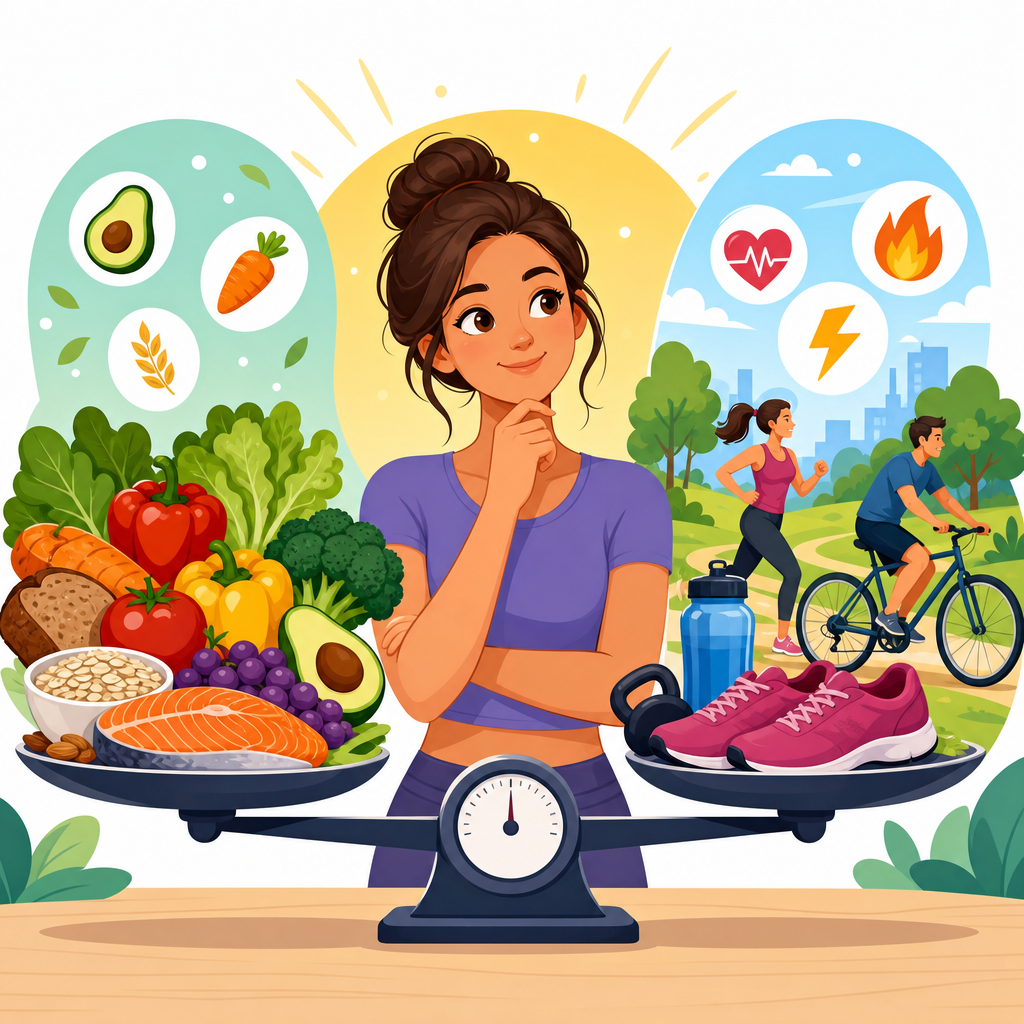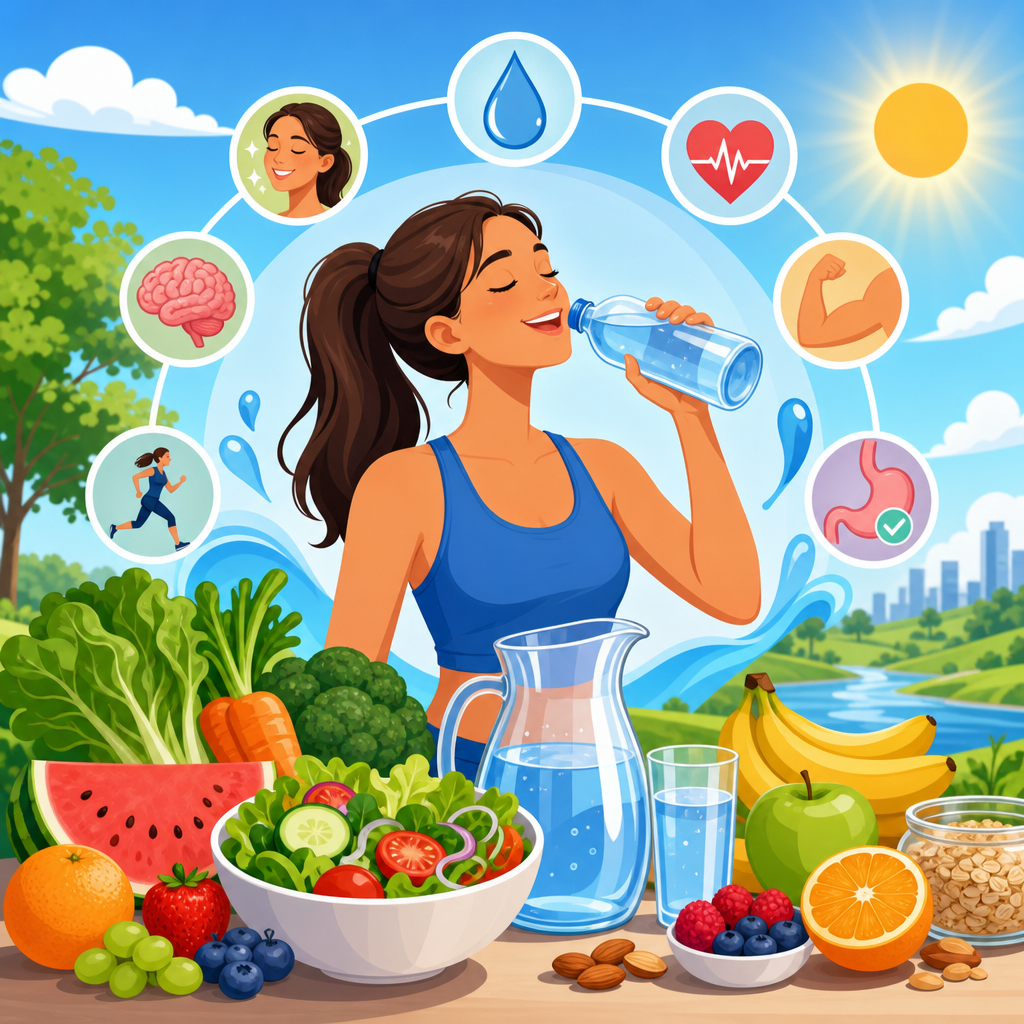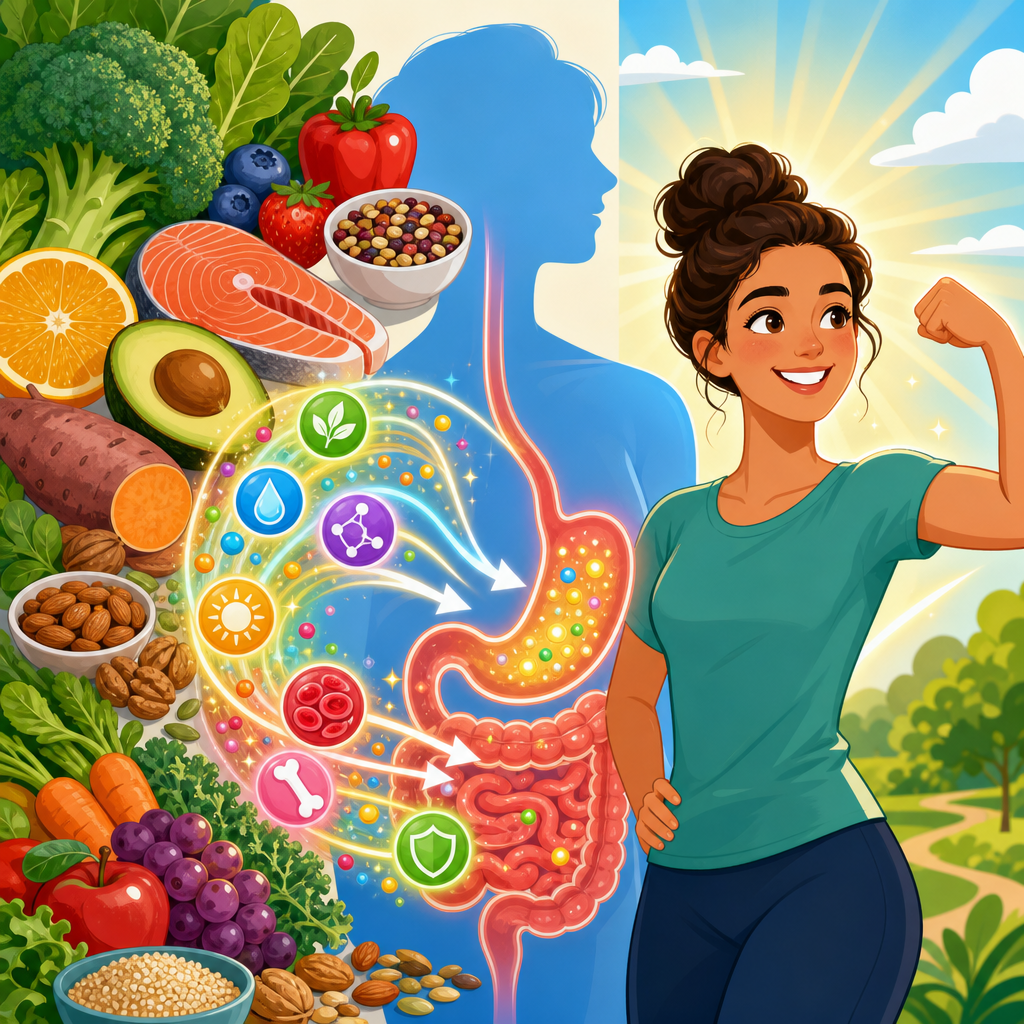
Nutrient absorption and bioavailability determine whether the food on your plate actually nourishes your body. A balanced diet is not only about eating enough protein, fiber, vitamins, and minerals; it is about how effectively those nutrients are released from food, digested, transported across the gut wall, and used by cells. In practice, I have seen people build careful meal plans, track macros, and buy expensive supplements, yet still struggle with low iron, poor energy, or slow recovery because absorption was the missing link. Understanding nutrient absorption and bioavailability turns nutrition from a checklist into a functional system.
Nutrient absorption refers to the movement of digested nutrients from the gastrointestinal tract into the bloodstream or lymphatic system. Bioavailability goes a step further. It describes the proportion of a nutrient that is absorbed and available for physiological use or storage. Those two concepts are related but not identical. A nutrient may be present in food in high amounts, but if it is bound to other compounds, poorly digested, or converted inefficiently in the body, its bioavailability can be low. This is why food labels and nutrition databases tell only part of the story.
This topic matters because nutrient status influences immune function, cognition, bone health, muscle repair, hormone production, and long-term disease risk. The body absorbs different forms of the same nutrient differently. Heme iron from meat is generally absorbed better than nonheme iron from beans or spinach. Vitamin D, calcium, magnesium, folate, zinc, omega-3 fats, and vitamin B12 all have well-documented absorption considerations. Life stage, gut health, medication use, food preparation methods, and meal composition can all change what the body actually receives. For anyone learning nutrition basics, understanding nutrient absorption and bioavailability is essential because it explains why balanced eating requires more than simply meeting intake targets.
What nutrient absorption and bioavailability really mean
When food enters the digestive tract, nutrients must pass through several steps before the body can use them. Mechanical digestion in the mouth and stomach breaks food into smaller pieces. Enzymes and bile then help release nutrients from proteins, fats, and carbohydrates. Most absorption occurs in the small intestine, where specialized transporters move amino acids, sugars, fatty acids, vitamins, and minerals across the intestinal lining. Some nutrients then go directly to the liver through the portal vein, while others, especially long-chain fats, first enter the lymphatic system. If any part of this sequence is impaired, nutrient status can decline even when intake appears adequate.
Bioavailability depends on both the nutrient itself and the context in which it is eaten. Fat-soluble vitamins A, D, E, and K need dietary fat for efficient absorption. Calcium competes with iron for uptake when both are consumed in large amounts. Oxalates in foods such as spinach can reduce calcium absorption, while phytates in legumes and whole grains can bind zinc, iron, and magnesium. At the same time, vitamin C can significantly improve nonheme iron absorption by reducing ferric iron to the more absorbable ferrous form. These interactions are not fringe details; they are central to how a balanced diet works in real life.
Another key concept is matrix effect, the influence of the whole food structure on nutrient release and uptake. For example, the lycopene in cooked tomatoes is more available than in raw tomatoes because heat breaks down plant cell walls. Protein digestibility also varies by source and preparation. Eggs, dairy, fish, and soy generally provide highly digestible protein, while some plant proteins become more usable after soaking, fermenting, or cooking. This is why sound nutrition advice focuses on eating patterns, combinations, and preparation methods rather than treating nutrients as isolated numbers.
Why absorption matters as much as intake in a balanced diet
A balanced diet aims to supply sufficient energy and essential nutrients in forms the body can use. If absorption is poor, the apparent quality of the diet becomes misleading. Someone can eat iron-rich foods yet remain iron deficient, consume calcium daily yet build bone poorly, or take a B12 supplement but still need a different dosage or delivery method because of low intrinsic factor or stomach acid suppression. In nutrition practice, this is one of the most common reasons people feel confused: they are doing many things right, but their body is not processing nutrients efficiently.
Absorption also affects how different dietary patterns should be planned. Plant-forward eating can be highly nutritious, but it benefits from attention to bioavailability. Pairing beans with vitamin C-rich peppers or citrus improves iron uptake. Fermented soy foods can improve mineral availability. Using iodized salt helps cover iodine needs that may otherwise be low in minimally processed diets. Omnivorous diets have their own issues, including low magnesium intake, poor fiber intake, and overreliance on ultra-processed foods that can displace nutrient-dense options. A balanced diet, therefore, is not a fixed list of foods. It is a strategy for delivering usable nutrition consistently.
The importance of absorption becomes even clearer during periods of higher need. Children require efficient nutrient delivery for growth. Pregnant women need more iron, folate, choline, iodine, and calcium. Older adults often absorb less vitamin B12, have lower appetite, and may take medications that affect magnesium, calcium, or folate. Athletes lose iron through training and may need more carbohydrate and protein timing support. People with gastrointestinal disorders, celiac disease, inflammatory bowel disease, pancreatic insufficiency, or prior bariatric surgery face direct absorption challenges. In all these cases, focusing only on intake misses the real biological question: what reaches the tissues?
Factors that increase or reduce nutrient bioavailability
Several factors influence whether nutrients are well absorbed. Digestive health is one of the biggest. Adequate stomach acid helps release minerals and vitamin B12 from food. Pancreatic enzymes are required to break down fats, proteins, and starches. Bile acids help absorb dietary fat and fat-soluble vitamins. Damage to the intestinal lining from chronic inflammation, infection, untreated celiac disease, or certain medications can reduce absorptive capacity. Even short-term issues such as diarrhea can lower uptake.
Meal composition is another major variable. Fat improves absorption of carotenoids and fat-soluble vitamins. Vitamin C improves nonheme iron absorption. Excess fiber in a single meal can sometimes reduce mineral uptake, although high-fiber diets remain beneficial overall. Tannins in tea and coffee can inhibit iron absorption when consumed with meals, especially in people relying mostly on plant iron. Alcohol can impair nutrient metabolism and damage the gut lining over time. Cooking methods matter too: steaming can preserve some vitamins better than boiling, while gentle heating can increase availability of compounds such as beta-carotene and lycopene.
Physiology and lifestyle add more layers. Age, genetics, menstrual blood loss, stress, sleep quality, and exercise load all influence nutrient needs and handling. Medications are particularly important. Proton pump inhibitors can reduce absorption of B12, calcium, iron, and magnesium in susceptible people. Metformin has been associated with lower B12 status. Some anticonvulsants affect vitamin D metabolism. Broad-spectrum antibiotics can alter the gut microbiome, which may influence vitamin K and other metabolic pathways. These interactions do not mean food is inadequate; they mean nutrition should be interpreted within the whole clinical picture.
| Nutrient | What improves absorption | What can reduce absorption | Practical example |
|---|---|---|---|
| Iron | Vitamin C, heme sources, cooking in cast iron | Tea, coffee, phytates, excess calcium at the same meal | Lentils with tomatoes and peppers absorb better than lentils alone |
| Calcium | Vitamin D, lactose in dairy, smaller divided doses | High oxalate foods, very large supplement doses | Calcium-fortified yogurt is usually better utilized than a single megadose pill |
| Vitamin B12 | Adequate stomach acid, intrinsic factor, fortified foods or supplements when needed | Pernicious anemia, acid-suppressing drugs, GI disorders | Older adults often need fortified foods or supplements despite adequate intake |
| Carotenoids | Dietary fat, cooking, blending | Very low-fat meals | Salad with olive oil provides better carotenoid uptake than dry raw vegetables |
| Zinc | Animal protein, soaking or fermenting legumes | Phytates in unprocessed grains and legumes | Sourdough bread can improve zinc availability compared with some unfermented breads |
Food sources, preparation, and nutrient synergy
The best way to support bioavailability is usually to build meals that combine nutrient-dense foods with smart preparation. Traditional cooking methods often evolved because they improved digestibility long before anyone knew the chemistry. Soaking beans reduces some phytate content and can shorten cooking time. Fermenting grains and dairy changes acidity and can improve tolerance for some people. Cooking tomatoes, carrots, and sweet potatoes can increase access to carotenoids. Lightly sautéing leafy greens reduces volume and can make certain minerals easier to consume in meaningful amounts, even if some heat-sensitive vitamins are lowered.
Synergy matters because nutrients rarely act alone. Vitamin D supports calcium absorption, but calcium also needs adequate protein, magnesium, vitamin K, and mechanical loading through activity to contribute to bone health. Iron depends on both intake and meal context. Folate metabolism interacts with vitamin B12 and vitamin B6. Omega-3 fats are absorbed better when consumed in a meal containing fat, and the conversion of plant ALA to EPA and DHA is limited, which is why fatty fish or algae-based sources can be important in some diets. These are not reasons to overcomplicate eating. They are reasons to think in patterns instead of single superfoods.
Supplements have a place, but they do not automatically solve bioavailability problems. Forms matter. Magnesium citrate and glycinate are generally better absorbed than magnesium oxide. Calcium citrate is often better tolerated for people with low stomach acid than calcium carbonate. Heme iron polypeptide, ferrous bisglycinate, and standard ferrous salts differ in tolerance and effectiveness. Curcumin supplements often include piperine or lipid delivery systems to improve uptake. A better supplement is not always the most expensive one; it is the form that fits the person, the need, and the digestive context.
Common signs of poor absorption and how to respond
Poor nutrient absorption can show up in subtle ways before laboratory values become obviously abnormal. Fatigue, brittle nails, frequent infections, mouth sores, hair shedding, muscle cramps, low mood, tingling, poor wound healing, constipation, and reduced exercise tolerance can all reflect nutrition issues, although none are specific on their own. Chronic bloating, greasy stools, persistent diarrhea, unexplained weight loss, or food intolerance can point more directly to digestive dysfunction. In practice, symptom patterns, diet history, medication review, and lab testing together give the clearest picture.
Useful markers depend on the suspected problem. Ferritin helps assess iron stores, though inflammation can elevate it. Serum B12 alone can miss functional insufficiency, so methylmalonic acid or homocysteine may add clarity. Vitamin D status is assessed with 25-hydroxyvitamin D. Low albumin may indicate broader malnutrition in clinical settings, while celiac serology, fecal elastase, stool fat testing, or endoscopy may be appropriate when malabsorption is suspected. The right response is not random supplementation. It is targeted evaluation, diet adjustment, and treatment of the underlying cause where possible.
Simple changes often help. Eat regular meals with adequate protein and healthy fats. Include vitamin C-rich foods with plant iron sources. Separate tea or coffee from iron-rich meals if iron status is low. Use fortified foods strategically, especially for vitamin B12, vitamin D, calcium, or iodine when diets are restrictive. If symptoms persist, involve a physician or registered dietitian, particularly when there is anemia, chronic GI distress, or significant weight change. Bioavailability is a nutrition basics topic, but unresolved malabsorption is a medical issue.
How to build a diet that delivers usable nutrition
To improve nutrient absorption and bioavailability, start with variety and consistency. Build meals around minimally processed foods: proteins, whole grains or legumes, fruits, vegetables, dairy or fortified alternatives, nuts, seeds, and healthy fats. Then refine combinations. Add olive oil, yogurt, nuts, or avocado to vegetable-heavy meals. Pair plant iron with vitamin C. Include seafood, eggs, dairy, fermented foods, or fortified staples according to your dietary pattern. Rotate protein sources to broaden amino acid and micronutrient coverage. This is the practical foundation of a balanced diet that works biologically, not just mathematically.
Preparation matters almost as much as selection. Cook some vegetables, eat others raw, and use soaking, sprouting, or fermenting where useful rather than as rigid rules. Pay attention to tolerance. If large salads leave you bloated, lightly cooked vegetables may improve digestion. If legumes are difficult, start with lentils or fermented soy and increase gradually. If appetite is low, choose nutrient-dense snacks such as Greek yogurt, eggs, smoothies with nut butter, or fortified milk alternatives. Precision helps, but perfection is unnecessary. The goal is steady intake of nutrients in forms your body can absorb and use.
Nutrient absorption and bioavailability are essential because they connect food choices to real physiological benefit. A balanced diet is not simply enough nutrients on paper; it is enough usable nutrients in the body. By understanding digestion, food form, meal composition, preparation methods, and individual factors such as age, gut health, and medications, you can make nutrition more effective without making it more complicated. Start by reviewing one week of meals and asking a better question: not just what did I eat, but what was my body likely able to absorb?
Frequently Asked Questions
What is nutrient absorption and bioavailability, and why do they matter in a balanced diet?
Nutrient absorption is the process of breaking food down, moving nutrients through the digestive tract, and transporting them across the intestinal wall into the bloodstream or lymphatic system. Bioavailability refers to how much of a nutrient is actually available for the body to use once it has been eaten. These concepts matter because a balanced diet is not just about what is on the plate; it is about what your body can effectively access, absorb, and put to work. A meal may look ideal on paper with the right amount of protein, healthy fats, vitamins, minerals, and fiber, but if digestion is compromised or certain nutrients are poorly absorbed, the body may still come up short.
This is why two people can eat very similar diets and get very different results. One may maintain strong energy, healthy iron levels, and good recovery, while the other struggles with fatigue, brittle nails, or lingering nutrient deficiencies. The difference often comes down to digestion, gut health, food combinations, medication use, age, stress, and the form in which nutrients are consumed. Understanding absorption and bioavailability helps explain why eating well is necessary but not always sufficient. It shifts the focus from simply counting nutrients to ensuring the body can truly benefit from them.
Why can someone eat a healthy diet and still have nutrient deficiencies?
It is entirely possible to eat a nutrient-dense diet and still develop deficiencies if the body is not absorbing or using those nutrients efficiently. Digestive issues are one common reason. Low stomach acid, enzyme insufficiency, inflammation in the gut, celiac disease, inflammatory bowel conditions, and imbalances in the gut microbiome can all interfere with the breakdown and uptake of nutrients. If food is not digested properly, the body cannot extract everything it needs, no matter how healthy the meal appears.
Bioavailability also varies widely between foods and nutrients. For example, iron from animal foods is generally absorbed more easily than iron from plant foods. Fat-soluble vitamins such as A, D, E, and K require dietary fat for proper absorption. Calcium, magnesium, zinc, and other minerals can compete with one another under certain circumstances, and some plant compounds can reduce the availability of specific nutrients when meals are not balanced thoughtfully. In addition, medications such as acid reducers, metformin, some antibiotics, and laxative overuse may interfere with absorption over time. Chronic stress, poor sleep, alcohol intake, and aging can further reduce digestive efficiency and increase nutrient needs. In real life, this is why someone may carefully plan meals and still feel depleted, recover slowly, or show low lab values despite making a clear effort to eat well.
Which factors most strongly affect how well nutrients are absorbed?
Several key factors influence nutrient absorption, and they often work together rather than in isolation. Digestive health is one of the biggest. Adequate chewing, stomach acid, bile flow, and digestive enzymes are all needed to break food into absorbable parts. If any of these processes are impaired, nutrient release and uptake can be reduced. Gut lining integrity matters as well, because nutrients must pass through the intestinal wall to enter circulation. Inflammation, infection, or damage to the intestinal lining can make absorption less efficient.
Food form and meal composition also play major roles. Some nutrients are easier to absorb from cooked foods, while others are better preserved in raw foods. Fat improves absorption of fat-soluble vitamins and carotenoids, so eating vegetables with olive oil, avocado, nuts, seeds, or another healthy fat can make a meaningful difference. Vitamin C enhances absorption of non-heme iron from plant foods, which is why pairing beans, lentils, spinach, or fortified grains with citrus, berries, tomatoes, or bell peppers can be helpful. On the other hand, compounds such as phytates, oxalates, and tannins can reduce absorption of certain minerals in some settings, especially if the diet lacks variety. Age, genetics, hormone status, stress levels, physical activity, illness, and medication use can further alter how nutrients are handled. The takeaway is that absorption is influenced by the entire digestive and metabolic environment, not just by the nutrient itself.
How can food combinations improve nutrient bioavailability naturally?
Strategic food pairing is one of the most practical ways to support better nutrient bioavailability without relying solely on supplements. A classic example is combining vitamin C-rich foods with plant-based iron sources. Adding strawberries to fortified cereal, squeezing lemon over lentils, or including bell peppers with beans can improve non-heme iron absorption. Pairing healthy fats with vegetables is another highly effective strategy. Carotenoids and fat-soluble vitamins found in foods such as carrots, sweet potatoes, kale, spinach, and tomatoes are better absorbed when eaten with fats like olive oil, tahini, eggs, yogurt, nuts, or avocado.
Preparation methods matter too. Soaking, sprouting, fermenting, and cooking can improve the availability of nutrients in legumes, grains, seeds, and vegetables by reducing compounds that interfere with absorption and making food easier to digest. For example, fermented dairy may be better tolerated by some people than regular milk, and cooked tomatoes provide lycopene in a form that is often easier for the body to use. Protein quality can also be improved through variety, especially in plant-forward diets, by including a range of legumes, whole grains, nuts, seeds, and soy foods across the day. These combinations do not need to be perfect at every meal, but being intentional about them can help the body extract more value from everyday foods. Over time, those small choices can significantly support energy, immunity, muscle repair, and overall nutritional status.
Are supplements enough, or is improving absorption from food still important?
Supplements can be helpful in certain situations, but they are not a complete substitute for improving nutrient absorption from food. Whole foods provide nutrients in complex packages that often include cofactors, enzymes, fiber, beneficial fats, and phytonutrients that support digestion, transport, and utilization. In many cases, the body handles nutrients better when they come from balanced meals rather than isolated high-dose products. Supplements may fill a gap, but if poor digestion, gut dysfunction, inflammation, or incompatible meal patterns are still present, the underlying problem remains unresolved.
There are also important differences in supplement quality, dosage, and form. Some forms of minerals and vitamins are more bioavailable than others, and taking too much of one nutrient can occasionally interfere with another. For example, excessive supplementation without guidance can lead to digestive discomfort, imbalances, or unnecessary expense. This is why a food-first approach remains so valuable. It focuses on improving the conditions that allow the body to use nutrients well: eating regular balanced meals, including enough protein and healthy fat, supporting gut health, staying hydrated, managing stress, and addressing any medical or digestive concerns that may affect absorption. When supplements are needed, they work best as targeted tools within a larger strategy, not as a replacement for strong dietary foundations.