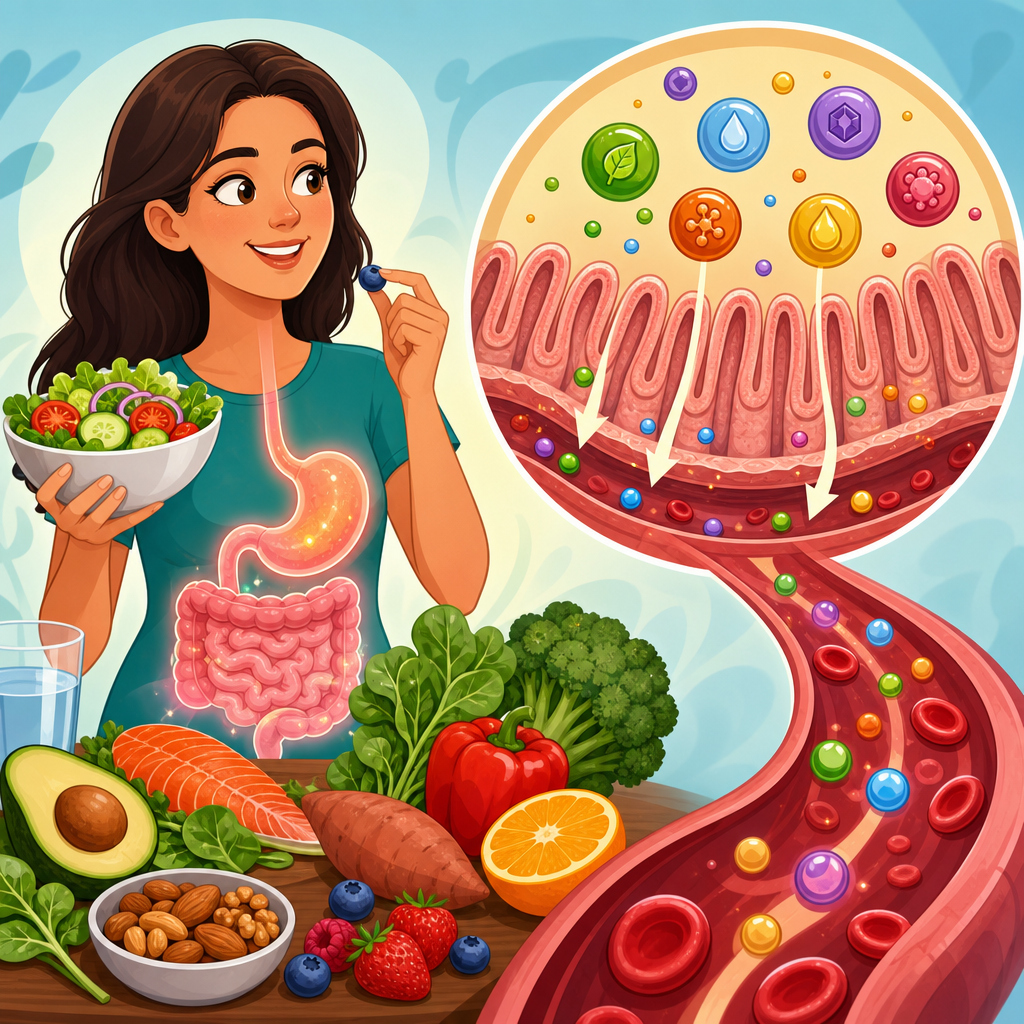
Antioxidants are compounds that help protect the body from oxidative stress, a process linked to aging, inflammation, and many chronic diseases. In practical nutrition terms, understanding the importance of antioxidants means understanding how food choices influence cellular damage, recovery, immunity, skin health, heart function, and long term disease risk. I have worked with clients who thought antioxidants were a supplement category or a marketing buzzword, but they are far more fundamental than that. They are a broad group of protective substances found naturally in foods such as berries, leafy greens, beans, nuts, cocoa, herbs, tea, and many brightly colored vegetables. Some are vitamins, including vitamin C and vitamin E. Others are minerals involved in antioxidant defense, such as selenium. Many are plant compounds called polyphenols, flavonoids, carotenoids, and anthocyanins. This matters because modern diets, pollution, smoking, excess alcohol, poor sleep, and intense exercise can all increase oxidative stress. A diet rich in antioxidant foods helps the body maintain balance, not by eliminating oxidation entirely, but by keeping normal damage from overwhelming repair systems.
Oxidation itself is not the enemy. The body naturally produces reactive oxygen species during metabolism, immune defense, and exercise. Problems arise when production outpaces defense. That imbalance can damage lipids, proteins, and DNA. Over time, this contributes to atherosclerosis, insulin resistance, neurodegeneration, and tissue aging. The importance of antioxidants is therefore not abstract; it is built into everyday physiology. Antioxidants neutralize free radicals directly, regenerate other antioxidants, support detoxification enzymes, and help stabilize cell membranes. They also work as a network. Vitamin C can regenerate oxidized vitamin E. Glutathione, often called the body’s master antioxidant, depends on amino acids and enzymes that require nutrients from food. Polyphenols can influence signaling pathways such as Nrf2, which regulates endogenous antioxidant defenses. For a Nutrition Basics hub, the key point is simple: antioxidant nutrition is not about one superfood. It is about a consistent pattern of varied whole foods that support the body’s built in protective systems.
What Antioxidants Do in the Body and Why They Matter
Antioxidants protect cells by donating electrons to unstable molecules without becoming dangerously unstable themselves. That simple chemical action has wide biological effects. In blood vessels, antioxidant compounds help limit oxidation of LDL particles, a step involved in plaque formation. In skin, they help reduce damage from ultraviolet exposure and environmental pollutants. In the brain, they support membranes that are especially vulnerable because neural tissue is rich in fats and has high metabolic activity. In exercise recovery, antioxidant rich foods help manage the oxidative load generated during intense training, although very high dose supplements can sometimes blunt adaptive responses. This distinction is important. Food based antioxidants work within a complex matrix of fiber, minerals, and phytochemicals, while isolated mega doses do not always produce the same outcome.
Research consistently associates diets high in fruits, vegetables, legumes, whole grains, nuts, and tea with lower risk of cardiovascular disease and some cancers. Large dietary patterns such as the Mediterranean diet show this clearly. That does not mean one antioxidant prevents one disease in a straight line. It means antioxidant rich dietary patterns reduce cumulative damage and improve resilience across systems. From a clinical nutrition perspective, this is why I encourage people to think in patterns, not pills. A cup of blueberries, a serving of lentils, extra virgin olive oil, spinach, and green tea contribute more useful protection together than a single “antioxidant supplement” advertised with dramatic claims. The body is designed to use a broad spectrum of compounds, and diversity matters as much as quantity.
Top Foods Rich in Antioxidants
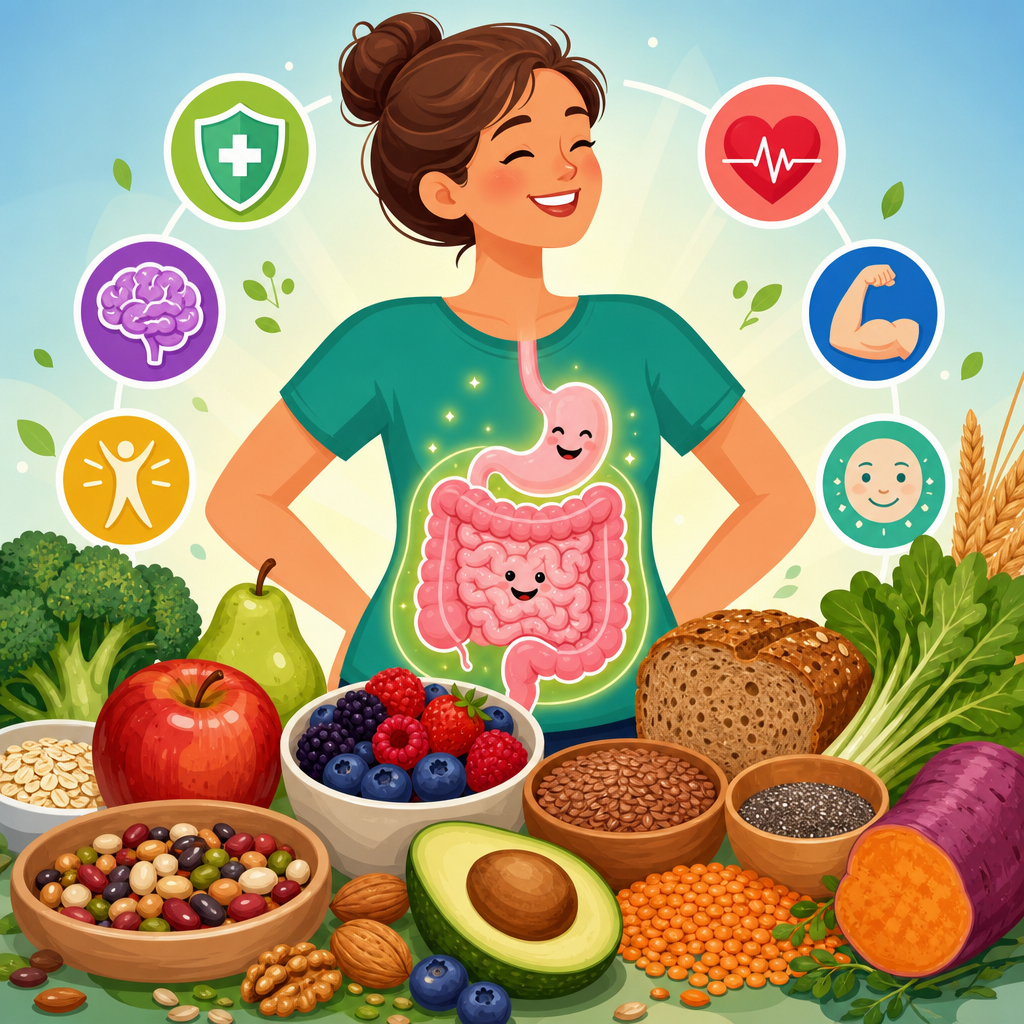
The top foods rich in antioxidants are usually the foods with deep color, strong flavor, or concentrated plant compounds, but there are important exceptions. Berries rank near the top because they provide anthocyanins, vitamin C, and other polyphenols. Blueberries, blackberries, raspberries, strawberries, and elderberries are all strong choices. Dark leafy greens such as spinach, kale, and Swiss chard deliver carotenoids including lutein and zeaxanthin, along with vitamin C. Beans are often overlooked, yet black beans, kidney beans, and small red beans contain substantial polyphenols and are highly practical, affordable staples. Red cabbage, beets, artichokes, and red onions also contribute meaningful antioxidant value.
Nuts, seeds, herbs, spices, and beverages deserve attention too. Pecans and walnuts provide vitamin E and polyphenols. Ground flaxseed and chia add lignans. Turmeric contains curcuminoids, and cinnamon, cloves, oregano, rosemary, and thyme are unusually rich in antioxidant compounds by weight, even if serving sizes are small. Green tea and coffee both supply polyphenols; coffee is one of the top antioxidant sources in many adult diets simply because intake is common. Cocoa powder and dark chocolate with high cocoa content contain flavanols, though portion size and added sugar matter. Tomatoes provide lycopene, especially when cooked with oil, while carrots, sweet potatoes, pumpkin, mango, and apricots provide beta carotene. Brazil nuts contribute selenium, which supports glutathione peroxidase, an important endogenous antioxidant enzyme.
| Food | Key antioxidant compounds | Practical benefit | Easy way to use it |
|---|---|---|---|
| Blueberries | Anthocyanins, vitamin C | Supports vascular and cognitive health | Add to yogurt or oatmeal |
| Spinach | Lutein, zeaxanthin, vitamin C | Helps protect eyes and cells | Blend into smoothies or sautée |
| Black beans | Polyphenols, fiber | Supports gut and heart health | Use in bowls, soups, salads |
| Tomatoes | Lycopene | Linked with cardiovascular protection | Cook into sauce with olive oil |
| Green tea | Catechins | Provides antioxidant support without calories | Drink between meals |
| Pecans | Vitamin E, polyphenols | Supports membrane protection and satiety | Use as a snack or salad topping |
Best Ways to Get More Antioxidants From Meals
The most effective strategy is to build antioxidant intake into ordinary meals rather than chasing occasional “clean eating” days. I usually recommend aiming for color and range across the week: berries at breakfast, leafy greens at lunch, beans or lentils at dinner, fruit for snacks, herbs and spices in cooking, and tea or coffee in sensible amounts. Frozen produce is useful here. Frozen blueberries, cherries, spinach, and mixed vegetables often retain nutrients well because they are processed soon after harvest. Canned tomatoes and beans also work, making antioxidant rich eating accessible on a budget. For many households, consistency improves more when people use reliable pantry staples than when they buy fragile specialty produce they never finish.
Preparation affects antioxidant availability. Cooking can reduce some heat sensitive nutrients like vitamin C, but it can also increase the bioavailability of others. Lycopene from tomatoes becomes easier to absorb after cooking, particularly with fat. Carotenoids in carrots and sweet potatoes are better absorbed when eaten with olive oil, avocado, nuts, or seeds. Chopping garlic and letting it sit briefly before heating helps form beneficial sulfur compounds. Light steaming can preserve texture and improve intake because people are more likely to eat vegetables they enjoy. The practical lesson is not to obsess over raw versus cooked. Both have value, and a mix is ideal. What matters most is total intake, variety, and repeated exposure.
Antioxidants, Inflammation, Aging, and Chronic Disease
The importance of antioxidants becomes especially clear when looking at chronic disease mechanisms. Oxidative stress and inflammation are distinct but closely linked processes. Reactive oxygen species can activate inflammatory pathways, and chronic inflammation can generate more oxidative stress. This cycle is implicated in cardiovascular disease, type 2 diabetes, fatty liver disease, arthritis, and cognitive decline. Antioxidant rich diets help interrupt that cycle. For example, extra virgin olive oil contains hydroxytyrosol and other phenolics associated with reduced oxidative damage to blood lipids. Berries improve markers related to vascular function in multiple intervention studies. Nuts are associated with better cardiometabolic outcomes, likely due to their combined effects on lipids, inflammation, and oxidative balance.
Aging adds another layer. Cellular wear accumulates over decades, and antioxidant defenses may become less efficient with age, especially when diets are poor or illness is present. That is one reason older adults benefit from nutrient dense meals rich in colorful produce, legumes, nuts, and fish. Eye health provides a concrete example. Lutein and zeaxanthin, found in leafy greens and egg yolks, concentrate in the retina and help protect against light induced oxidative damage. Brain health offers another. Polyphenol rich foods such as berries, cocoa, and tea are being studied for effects on cognition and cerebral blood flow. The evidence is strongest for dietary patterns rather than miracle ingredients, but the overall conclusion is firm: diets naturally rich in antioxidants support healthier aging.
Food First Versus Supplements: What Actually Works
Many people ask whether antioxidant supplements can replace food. In most cases, the answer is no. Foods deliver hundreds of compounds that interact in ways isolated capsules cannot replicate. Fiber feeds gut microbes, which then produce metabolites that influence inflammation and barrier function. Minerals, vitamins, and polyphenols arrive together in a matrix that affects absorption and biological activity. Trials of high dose single antioxidants have often shown disappointing results, and in some cases harm. High dose beta carotene supplements increased lung cancer risk in smokers in major studies. Excessive vitamin E supplementation has also raised concerns in certain populations. These findings do not mean antioxidants are harmful. They mean physiology is more complex than marketing.
Supplements still have a role in specific circumstances. People with diagnosed deficiencies, restrictive diets, malabsorption, certain medical conditions, or increased needs may benefit from targeted supplementation guided by a clinician. Selenium, vitamin C, or vitamin E may be relevant in narrow contexts. Athletes in periods of extreme training load may use specific strategies, although indiscriminate supplementation is not ideal. For the general public, however, the safest and most evidence based approach is a food first pattern built around plants, healthy fats, and minimally processed staples. If you want better antioxidant coverage, start by improving breakfast, adding vegetables to both lunch and dinner, and replacing low nutrient snacks with fruit, nuts, or yogurt rather than buying an expensive powder.
How to Build an Antioxidant Rich Nutrition Plan
A workable plan uses habits, not perfection. Start with a simple target: include at least one antioxidant rich food at every meal and snack. Breakfast might be oats with blueberries, walnuts, and cinnamon. Lunch could be a grain bowl with spinach, chickpeas, tomatoes, red cabbage, and olive oil. Dinner might feature salmon, roasted broccoli, sweet potato, and herbs. Snacks can be citrus fruit, plain yogurt with cocoa and berries, or hummus with carrots and peppers. Rotate colors across the week: blue and purple foods for anthocyanins, orange foods for carotenoids, green vegetables for lutein and folate rich support, red foods for lycopene, and legumes for polyphenols and fiber. This variety creates a broad antioxidant portfolio without complicated tracking.
For a Nutrition Basics hub, the main takeaway is that antioxidants are not a niche topic. They sit at the center of preventive nutrition. They help explain why whole foods protect health more reliably than isolated nutrients, why dietary patterns matter more than trends, and why small daily choices compound over time. The top foods rich in antioxidants include berries, leafy greens, beans, tomatoes, nuts, seeds, herbs, spices, tea, coffee, and cocoa, but their value is greatest when they are part of a varied diet. Focus on consistency, color, and minimally processed foods. Use this page as your starting point, then build your meals around these principles and explore each food group in greater detail to strengthen your nutrition basics for the long term.
Frequently Asked Questions
What are antioxidants, and why are they so important for overall health?
Antioxidants are natural compounds found in many foods that help defend your cells against oxidative stress. Oxidative stress happens when unstable molecules called free radicals build up faster than your body can neutralize them. This process is a normal part of life and can increase with factors like poor diet, smoking, pollution, heavy alcohol use, intense sun exposure, chronic stress, illness, and even normal aging. The reason antioxidants matter so much is that excess oxidative stress can damage cells, proteins, and DNA over time, which may contribute to inflammation, faster aging, and a higher risk of chronic conditions such as heart disease, diabetes, and certain cancers.
In practical terms, antioxidants support the body’s ability to repair, recover, and function efficiently. They play a role in immune defense, skin health, eye health, cardiovascular protection, and exercise recovery. They are not a magic shield, but they are a foundational part of a healthy diet because they help reduce the cumulative wear and tear that daily life places on the body. This is why the importance of antioxidants is not just a trendy nutrition topic. It is directly tied to how your food choices influence long-term health, resilience, and aging from the inside out.
Which foods are richest in antioxidants?
Some of the best antioxidant-rich foods are colorful plant foods, especially fruits, vegetables, legumes, herbs, spices, nuts, seeds, and certain beverages like green tea. Berries are often at the top of the list because they provide compounds such as anthocyanins, vitamin C, and other polyphenols that help protect cells. Blueberries, blackberries, raspberries, strawberries, and cherries are all strong choices. Dark leafy greens like spinach, kale, and Swiss chard also provide antioxidants, along with carotenoids and vitamin C. Bright vegetables such as red cabbage, beets, carrots, tomatoes, bell peppers, and sweet potatoes are valuable because their pigments often reflect antioxidant activity.
Other standout foods include beans, lentils, dark chocolate with a high cocoa content, walnuts, pecans, olives, artichokes, pomegranates, grapes, citrus fruits, and cruciferous vegetables like broccoli and Brussels sprouts. Herbs and spices should not be overlooked either. Turmeric, cinnamon, oregano, cloves, ginger, and rosemary can add meaningful antioxidant compounds in small amounts when used regularly. Even everyday staples like onions, garlic, apples, and green tea can contribute significantly. Rather than focusing on a single “superfood,” the most effective strategy is to eat a wide variety of plant foods across the week. Different antioxidants do different jobs in the body, so diversity matters just as much as quantity.
Are antioxidant supplements as effective as getting antioxidants from food?
In most cases, getting antioxidants from food is the better approach. Whole foods contain a complex mix of vitamins, minerals, fiber, and plant compounds that work together in ways supplements cannot fully replicate. For example, a bowl of berries does not just provide one antioxidant. It delivers dozens of protective compounds along with fiber and water, which support digestion, blood sugar balance, and fullness. This food matrix effect is one reason why diets rich in fruits and vegetables are consistently linked with better health outcomes, while antioxidant supplements have produced mixed results in research.
High-dose supplements are not always harmless and may even be counterproductive in some situations. Taking large amounts of isolated antioxidants such as beta-carotene or vitamin E has not consistently shown the same benefits seen with whole-food diets, and in some high-risk groups, excess supplementation may carry risks. That does not mean supplements are never useful. Some people with specific deficiencies, medical conditions, or dietary restrictions may benefit from targeted support under professional guidance. But for most people, the goal should be to build meals around antioxidant-rich foods rather than rely on pills. Food-first nutrition is usually safer, more effective, and more sustainable over the long term.
How do antioxidants help with aging, immunity, and disease prevention?
Antioxidants help in these areas by limiting some of the cellular damage caused by free radicals. As we age, the body naturally accumulates more oxidative stress, which can affect tissues throughout the body, including the skin, blood vessels, brain, and joints. Antioxidant-rich foods may help slow some of that damage by supporting cellular protection and repair. This is one reason diets high in fruits, vegetables, legumes, nuts, and other plant foods are often associated with healthier aging and better physical function over time. For skin, antioxidants such as vitamin C, vitamin E, and carotenoids can help support collagen formation and defend against environmental damage. For the heart, antioxidant-rich foods may help reduce inflammation and support healthy blood vessels.
When it comes to immunity, antioxidants help protect immune cells so they can respond appropriately to challenges. Nutrients like vitamin C, selenium, zinc, and plant polyphenols all play supportive roles in immune function. In terms of disease prevention, the bigger picture matters most. Antioxidants are one piece of an overall healthy dietary pattern that lowers stress on the body, supports metabolic health, and helps control chronic inflammation. They do not guarantee disease prevention on their own, but they are part of the reason why eating more minimally processed plant foods is consistently recommended for reducing long-term disease risk. Think of antioxidants as part of your body’s maintenance and defense system, helping preserve function and reduce damage over time.
What is the easiest way to add more antioxidant-rich foods to your daily diet?
The easiest way is to focus on color, variety, and simple habit changes rather than trying to calculate antioxidant numbers. A practical starting point is to include at least one antioxidant-rich food at every meal. Add berries or citrus to breakfast, leafy greens or chopped vegetables to lunch, and colorful vegetables or beans to dinner. Snack on fruit, nuts, or a small portion of dark chocolate instead of more heavily processed options. Swap sugary drinks for green tea or herbal tea, and use herbs and spices generously when cooking. These small upgrades can meaningfully increase antioxidant intake without making your diet feel restrictive or complicated.
It also helps to think in patterns. Build meals around plants first, then add protein and healthy fats. Keep frozen berries, spinach, broccoli, and mixed vegetables on hand so you always have convenient options. Choose whole foods that you enjoy and will actually eat regularly, because consistency matters more than chasing the latest health trend. A smoothie with berries and spinach, oatmeal topped with walnuts and cinnamon, a salad with tomatoes and beans, or roasted vegetables with olive oil are all realistic examples. The goal is not perfection. It is creating a routine where antioxidant-rich foods show up often enough to support your health in a meaningful, lasting way.