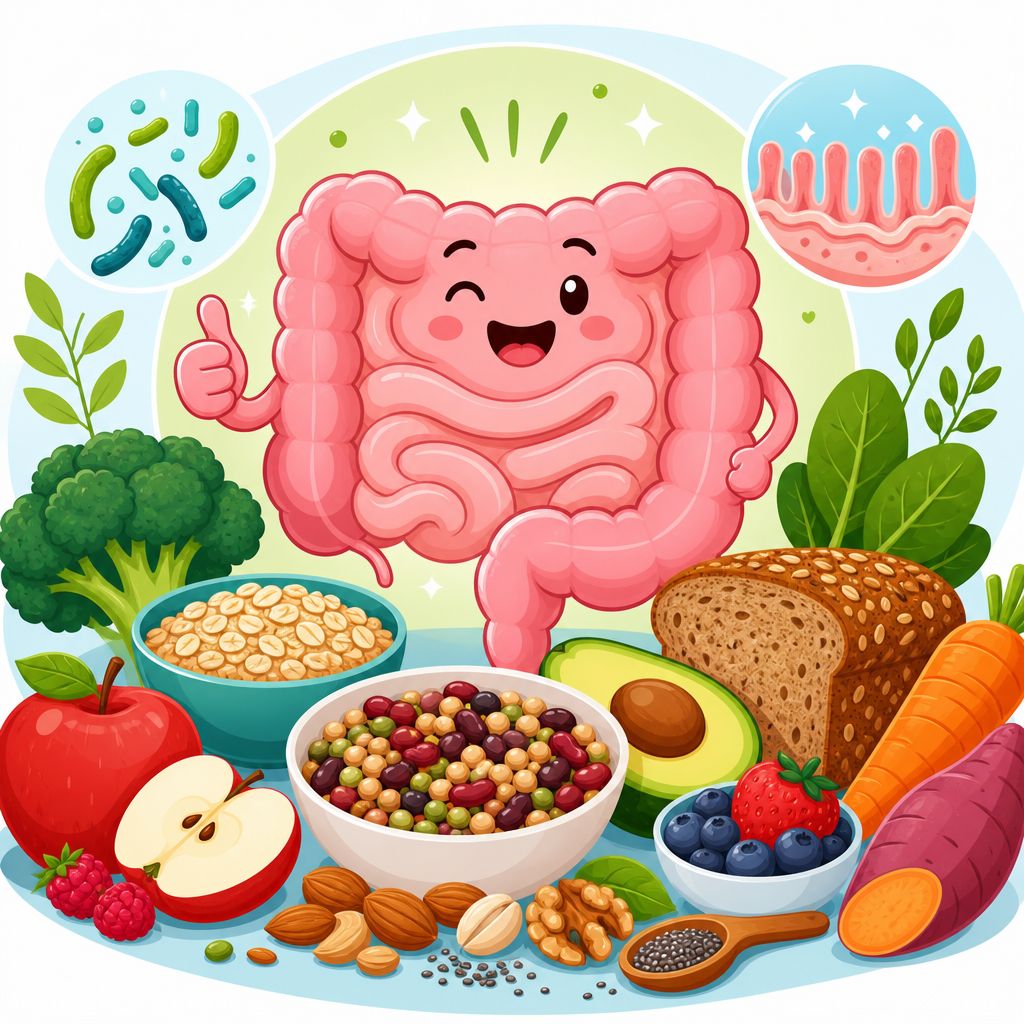
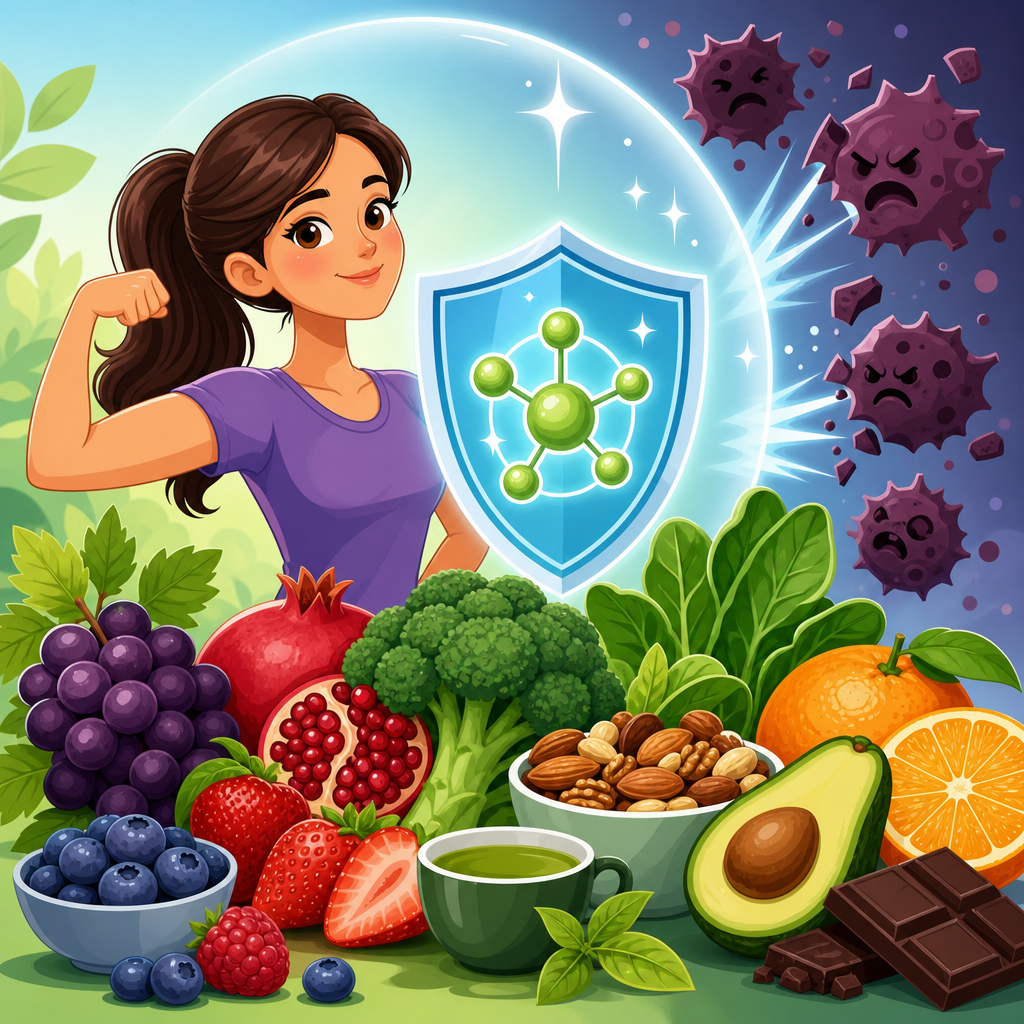
Vitamins and minerals are critical components of overall health, functioning as the building blocks for our bodies to perform essential tasks. They are often collectively referred to as micronutrients, which, despite being required in tiny amounts, sustain numerous physiological functions. These micronutrients bolster immunity, support bone health, enable wound healing, and contribute to overall vitality. As our bodies are unable to produce the necessary vitamins and minerals independently, the role of dietary sources becomes paramount. When evaluating dietary habits, prioritizing foods rich in these nutrients ensures optimal health outcomes. Moreover, with the plethora of nutritional supplements available, determining the right balance between food sources and supplements is crucial for meeting personal health goals. This guide examines various food sources rich in these vital micronutrients, highlights the roles different vitamins and minerals play, and explores how best to integrate them into daily routines. Ultimately, understanding the significance of vitamins and minerals and making informed choices is indispensable for maintaining peak mental and physical health, preventing chronic diseases, and enhancing quality of life.
Deriving sufficient micronutrients from your diet requires a well-rounded approach, where each vitamin and mineral has unique food sources. Let’s delve deeper into the most important vitamins and minerals, their roles, and their optimal dietary sources.
Vitamins: Essential Organic Compounds
Vitamins are organic compounds divided into two categories: water-soluble and fat-soluble. Each plays a vital role in maintaining bodily functions.
Water-Soluble Vitamins
Vitamin C: Known for its antioxidative properties, Vitamin C is crucial for collagen synthesis and immune function. Found abundantly in citrus fruits like oranges and grapefruits, it is also present in papayas, strawberries, and bell peppers.
Vitamin B Complex: This complex includes eight distinct vitamins which collaborate to facilitate energy production and red blood cell formation. Whole grains, meats, eggs, and dairy serve as excellent sources. Particular attention should be given to folate (B9) found in leafy greens and legumes, essential during pregnancy for fetal development.
Fat-Soluble Vitamins
Vitamin A: Vital for vision, immune response, and cell division, Vitamin A is concentrated in sweet potatoes, carrots, and dark leafy greens. Retinoids, an active form of Vitamin A, are present in liver and dairy products.
Vitamin D: Often called the “sunshine vitamin,” it regulates calcium and phosphate, critical for bone health. Although sunlight exposure aids in production, dietary sources include fatty fish like salmon and mackerel, and fortified foods such as milk and cereals.
Vitamin E: This potent antioxidant helps prevent oxidative stress. Nuts, seeds, and green vegetables like spinach are rich in Vitamin E.
Vitamin K: Integral for blood clotting and bone metabolism, Vitamin K is found in abundance in leafy greens, including kale and broccoli.
Minerals: Inorganic Elements
Minerals are categorized into macro and trace minerals, with each class being equally important for health.
Major Minerals
Calcium: Essential for bone structure and dental health, calcium is primarily sourced from dairy products, fortified plant-based milks, and yogurt. Broccoli and kale also contain calcium in a more absorbable form.
Magnesium: Recognized for its role in muscle function, nerve transmission, and enzyme activation, magnesium is abundant in nuts, whole grains, and legumes. Dark, leafy greens such as Swiss chard offer a substantial amount as well.
Electrolytes
Sodium and Potassium: Both are pivotal for maintaining fluid balance, nerve signaling, and muscle contractions. While sodium predominantly comes from table salt, potassium-rich foods include bananas, oranges, and avocados. Reducing excessive sodium intake while increasing potassium-based foods can lower hypertension risk.
Trace Minerals
Iron: A critical component of hemoglobin, iron is necessary for oxygen transport. Red meat, poultry, beans, and fortified grains offer ample iron content, but pairing these foods with Vitamin C-rich produce can enhance iron absorption.
Zinc: Important for enzymatic reactions and immune function, zinc is concentrated in meats, seafood, seeds, and nuts.
Mineral Absorption Considerations: When consuming whole foods, the bioavailability, or the degree to which nutrients are absorbed, becomes pivotal. Phytates and oxalates, naturally present in some foods, may hinder absorption of certain minerals. For instance, high levels of oxalates in spinach could decrease calcium uptake. Cooking techniques, like steaming or fermenting, often mitigate these effects and enhance nutrient availability.
The Role of Supplements
Dietary supplements can close nutritional gaps, especially in cases of medically diagnosed deficiencies or dietary restrictions. However, whole foods are preferred as they provide varied nutrients and beneficial compounds beyond vitamins and minerals, like fiber and antioxidants. When supplementing, prioritize bioavailable forms; for example, choosing methylcobalamin over cyanocobalamin for Vitamin B12. Avoid over-supplementation, as excessive intakes can lead to toxicity symptoms, especially with fat-soluble vitamins like A and D. Tailoring any supplementation regimen to individual dietary needs and medical advice ensures safety and effectiveness.
Conclusion
For optimal health, a balanced intake of vitamins and minerals is vital. Prioritizing whole, nutrient-dense foods ensures an adequate supply of these micronutrients, leveraging their full spectrum of benefits. By understanding the diverse roles and sources of essential vitamins and minerals, individuals can craft personalized dietary plans. Emphasizing seasonal produce, integrating a variety of food groups, and considering bioavailability principles support long-term wellness. While supplements can fill gaps and address specific health issues, they should never replace a foundational diet rich in whole foods. Ultimately, informed dietary choices empower individuals to achieve not merely an absence of disease but flourishing health and vitality. Adopting mindful nutritional practices today establishes the cornerstone for a healthier tomorrow.
Frequently Asked Questions
1. What are micronutrients, and why are they so important for optimal health?
Micronutrients are nutrients required by the body in minimal amounts but are crucial for maintaining good health. These micronutrients include vitamins and minerals, each playing distinct and vital roles in our body’s biological processes. Despite making up only a small portion of our diet by weight, they are indispensable for a variety of reasons. For instance, they help catalyze the chemical reactions necessary for metabolism, enabling our bodies to convert food into energy efficiently. Iron is a mineral that plays a crucial role in oxygen transportation in the blood, while vitamin C is essential for collagen production and immune defense. Further, micronutrients contribute significantly to bone health—calcium and vitamin D collaborate to maintain bone strength and density. Vitamins like A, E, and zinc bolster the immune system, helping ward off illnesses. A deficiency in these nutrients can lead to various health issues like weakened immunity, brittle bones, and even poor cognitive function. As we age, our body’s ability to absorb nutrients diminishes, making mindful nutrient intake even more crucial. Since our bodies cannot synthesize these nutrients naturally, they must be obtained through a balanced diet rich in fruits, vegetables, grains, nuts, and lean proteins, or through dietary supplements if needed.
2. How can I determine which foods are the best sources of vitamins and minerals?
Selecting foods rich in vitamins and minerals involves understanding which nutrients your body needs most and how these can be sourced from your diet. Whole foods – particularly fruits, vegetables, whole grains, nuts, seeds, lean proteins, and dairy – are potent sources of these micronutrients. For instance, leafy green vegetables like spinach and kale are excellent sources of vitamins A, C, and K, along with minerals like iron and magnesium. Berries are not only delicious but also rich in vitamin C, potassium, and manganese, offering potent antioxidant benefits as well. Eggs and fatty fish like salmon are packed with vitamin D and B-complex vitamins, crucial for brain health and energy production. Dairy products and fortified plant-based milks are valuable sources of calcium, essential for strong bones and teeth. Legumes and whole grains provide a rich supply of magnesium, iron, and zinc. It’s beneficial to consume a variety of these food items as different foods offer diverse nutritional profiles. Monitoring food choices with an eye on whole, minimally processed food will naturally increase the intake of required vitamins and minerals. Always opt for seasonal and fresh produce, as these tend to offer the highest nutrient content.
3. Are supplements necessary, or can I get all the vitamins and minerals I need from my diet?
The debate over whether supplements are necessary is ongoing, but most experts agree that a well-rounded diet can supply the necessary vitamins and minerals to most people. Diets that include a variety of fruits, vegetables, whole grains, and lean proteins should typically provide adequate nutrient coverage and prevent deficiencies. However, there are certain situations and life stages where supplementation becomes advisable or even necessary. For individuals with dietary restrictions, such as vegetarians or vegans, certain nutrients like vitamin B12, iron, or omega-3 fatty acids might be challenging to obtain in sufficient quantities from food alone. Pregnant or breastfeeding women might require additional iron or folic acid. Similarly, those with medical conditions affecting nutrient absorption or the elderly, whose nutrient uptake may decline with age, may benefit from tailored supplementation. It’s important to point out that supplements can’t completely replicate the synergistic effects of a balanced diet; hence, food should always be the primary source of nutrition. If considering supplementation, seek the advice of healthcare professionals who can recommend appropriate products based on individual needs.
4. How can I ensure I’m not consuming too many micronutrients?
While it is essential to consume a variety of vitamins and minerals, overconsumption can also pose health risks. For instance, excessive intake of fat-soluble vitamins, like A, D, E, and K, which are stored in the body’s fat tissues, can lead to toxicity. Similarly, consuming very high amounts of certain minerals, like iron or zinc, can disrupt the balance of other minerals in the body, affecting overall health. To ensure you’re not exceeding safe limits, it’s vital to adhere to recommended daily allowances specified for each nutrient. Reading food labels and monitoring portions can significantly help manage nutrient intake. Avoid mega-dose supplements unless prescribed by a doctor. Choosing a balanced diet with a variety of nutrient-dense foods, while paying attention to portion sizes and fortified foods, minimizes the risk of overconsumption. Remember, balance and moderation are key, and if you have concerns about your micronutrient intake, consulting with a dietitian or nutritionist can provide personalized advice based on current dietary habits and health status.
5. Can lifestyle factors influence the absorption of vitamins and minerals?
Absolutely, lifestyle factors significantly impact how well our bodies can absorb vitamins and minerals. For instance, the form of nutrient intake plays a role; some nutrients are better absorbed from food than supplements. Vitamin D absorption, for example, is enhanced with exposure to sunlight, so individuals with limited sun exposure might face lower vitamin D levels. Digestion and absorption can be affected by stomach acidity, which can be influenced by age and health conditions. Some foods aid absorption, like vitamin C enhancing iron uptake, while others may hinder it; for example, tannins in tea and coffee can reduce iron absorption. Eating habits and timing can also affect micronutrient absorption: some nutrients are better absorbed with food, especially those needing fat for absorption, such as vitamins A, D, E, and K. Lifestyle choices such as excessive alcohol consumption, smoking, and chronic stress can decrease nutrient absorption efficiency and increase nutrient requirements. Regular exercise and maintaining a healthy weight promote better metabolic health, facilitating more efficient nutrient use by the body. Striving for a balanced lifestyle and paying attention to how diet interacts with daily routines can optimize micronutrient absorption, thus supporting overall health.