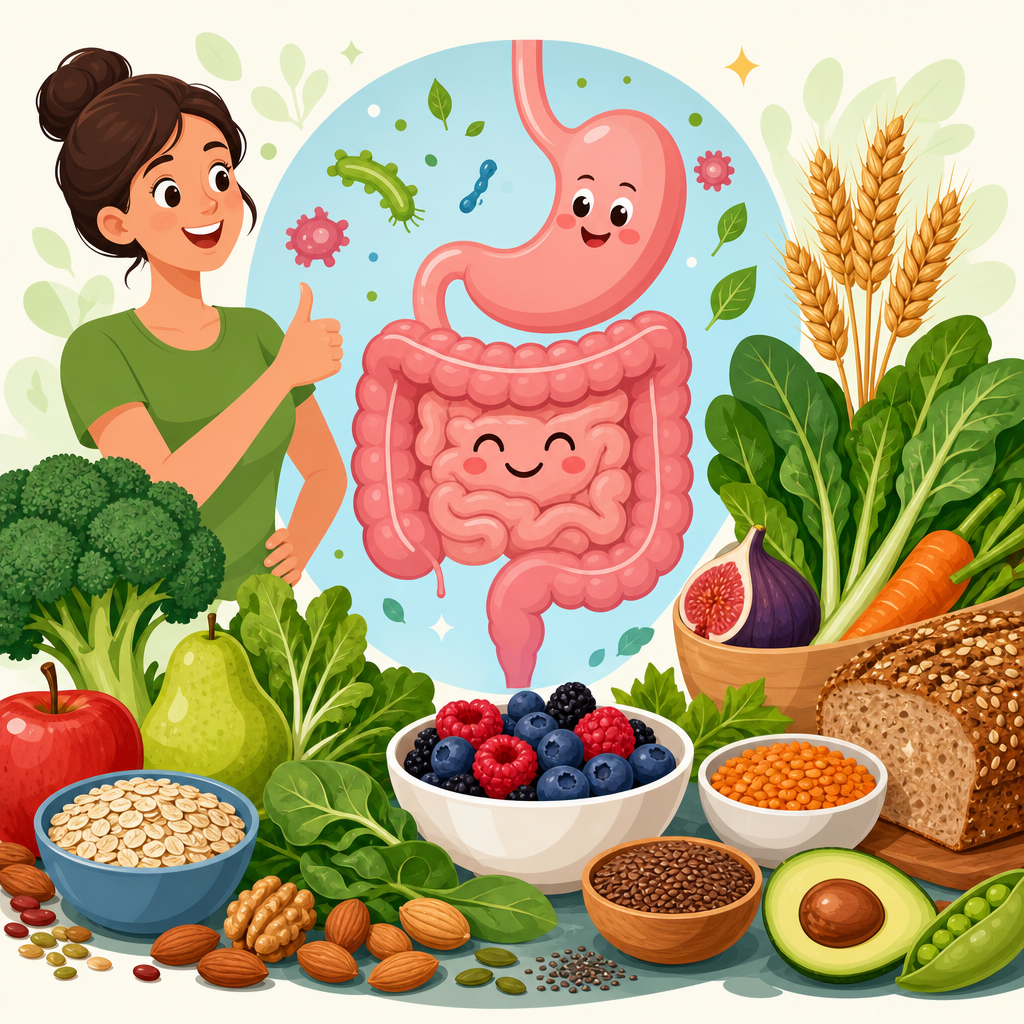
Macronutrients are the cornerstone of human nutrition, playing an essential role in fueling our bodies and maintaining optimal health. They are classified into three major categories: carbohydrates, proteins, and fats. Each of these macronutrients serves specific functions and provides unique health benefits. Understanding the science behind them is crucial for anyone interested in nutrition, weight management, and overall well-being. This article delves into the intricate details and science behind macronutrients, shedding light on how they contribute to our health.
Carbohydrates have often been the center of numerous health debates, yet they are a critical energy source, particularly for brain function and physical activity. Often misunderstood, carbohydrates can provide significant health benefits when consumed correctly. Proteins, the building blocks of life, are vital for growth, repair, and maintaining muscle mass. They have become increasingly popular in diet trends, sparking interest in how much is truly necessary for health. Fats, long demonized by low-fat diet fads, are now recognized as essential for hormone production, cellular health, and energy.
As scientific research continues to evolve, it reveals the complexities and nuanced roles of each macronutrient in maintaining health. This article will explore not only the functions and benefits of each but also the impact they have on weight management, disease prevention, and overall quality of life. With an understanding of how macronutrients interconnect with bodily functions, individuals can make informed decisions about their diets to optimize health outcomes.
Carbohydrates: The Energy Source
Carbohydrates are the primary source of energy for the body. They are broken down into glucose, which is then used by cells for energy or stored for future use. Simple carbohydrates consist of sugars, while complex carbohydrates contain starches and fiber. Both play roles in health; however, the type and amount consumed can significantly affect health outcomes.
Simple carbs provide quick energy but can lead to spikes in blood sugar levels, potentially harming long-term health. Complex carbohydrates are more beneficial as they break down slowly, offering sustained energy and improving digestive health due to their fiber content. Fiber, a type of carbohydrate, is crucial for maintaining gut health, reducing cholesterol levels, and assisting in weight management.
Scientific studies have shown that balanced carbohydrate consumption can enhance cognitive function, improve mood, and aid in athletic performance. The key is choosing carbs wisely, focusing on whole grains, fruits, vegetables, and legumes that are nutrient-dense and packed with vitamins and minerals. Misconceptions about carbs being detrimental often arise from excessive consumption of processed and refined options, which lack nutrients and contribute to health issues like obesity and diabetes.
Proteins: Building Blocks of Life
Proteins play a fundamental role in bodily functions, required for tissue growth, repair, and maintenance. They are composed of amino acids, some of which are essential, meaning they must be obtained through diet. High-quality protein sources include animal products like meat, dairy, and eggs, as well as plant-based options such as beans, lentils, and soy products.
Proteins are crucial for maintaining muscle mass, especially important as individuals age. Muscle health not only aids in physical activity but also plays a role in metabolic rate. Proteins also contribute to the production of enzymes and hormones, supporting immune function and overall health.
Balancing protein intake with physical activity can maximize health benefits, aiding in muscle recovery and growth. Consumption of protein-rich foods can also enhance satiety, reducing overeating and aiding in weight management. Excessive protein intake, however, can stress the kidneys, emphasizing the need for balanced consumption aligned with individual health goals and activities.
Fats: Not All Created Equal
Fats are an essential part of a healthy diet, providing energy, supporting cell growth, protecting organs, and aiding in nutrient absorption. They come in various forms, including saturated, unsaturated, and trans fats, each affecting health differently. Saturated and trans fats, commonly found in processed foods, are linked to increased risk of heart disease and should be limited. Unsaturated fats, found in olive oil, nuts, seeds, and fish, are heart-healthy options that can reduce inflammation and improve cardiovascular health.
Omega-3 and omega-6 fatty acids, types of unsaturated fats, are crucial for brain health, with studies showcasing their role in reducing depression and improving cognitive function. Fats are also necessary for the absorption of fat-soluble vitamins (A, D, E, and K). Hence, an entirely fat-free diet can lead to deficiencies and health declines.
Incorporating healthy fats can improve cholesterol profiles, enhance weight loss efforts when replacing carbohydrates, and provide essential fatty acids that the body cannot produce. Educating about the types and benefits of fats can alter perceptions and encourage healthier dietary choices.
The Role in Weight Management and Disease Prevention
Macronutrients significantly influence weight management and disease prevention. Carbohydrates, proteins, and fats, when consumed in appropriate amounts, support metabolic health and can aid in achieving and maintaining a healthy weight. They also influence body composition; for instance, protein intake is instrumental in preserving lean muscle mass during weight loss.
Diets balanced in macronutrients have been associated with reduced risks of chronic diseases such as cardiovascular disease, diabetes, and certain cancers. Dietary patterns, including the Mediterranean diet, emphasize a balanced intake of macronutrients and have shown to improve heart health, reduce inflammation, and promote longevity.
Understanding individual metabolic demands, lifestyle, and health conditions can tailor macronutrient intake for optimal health. Personalized nutrition approaches are emerging, recognizing that dietary needs may alter based on genetics and lifestyle factors, ultimately aiming to prevent disease and enhance quality of life.
Enabling Optimal Health
The dynamic roles and benefits of macronutrients go beyond basic physiological functions, influencing holistic health and disease prevention. An inadequate intake or imbalance can disrupt bodily processes and lead to nutrient deficiencies or excesses, negatively impacting health. Proper education on macronutrients empowers individuals to make dietary choices that reflect their health goals and needs.
The quality of macronutrients consumed is paramount, as nutrient-dense options support overall health better than processed and refined foods. Reading nutritional labels, understanding serving sizes, and recognizing the diversity of food sources can augment efforts in achieving nutritional balance.
Health professionals can provide guidance, ensuring macronutrient distribution aligns with specific health needs and lifestyle. Regular monitoring and adjustments can cater to changing physiological demands, ensuring nutrients support energy levels, mental sharpness, and long-term health.
Conclusion
The science of macronutrients—carbohydrates, proteins, and fats—reveals their vital roles in health and nutrition. Each contributes to the smooth operation of bodily systems and overall well-being. While debates around their consumption may persist, understanding their fundamental roles and health benefits allows for making informed dietary decisions.
Recognizing carbohydrates as an energy source, proteins as essential for growth and repair, and fats for health maintenance highlights the necessity of a balanced intake of all three. Misguided perceptions around their consumption often result in dietary choices that compromise health rather than enhance it. Thus, learning to prioritize nutrient-dense foods and manage portion sizes is essential for maximizing health benefits.
The role of macronutrients extends into preventive health, emphasizing their impact on chronic disease prevention and healthy aging. As nutritional science evolves, it identifies the intricate connections between diet and health outcomes, supporting evidence-based guidelines that encourage balanced nutrition.
Ultimately, embracing a comprehensive understanding of macronutrients can empower individuals to pursue healthy lifestyles tailored to personal needs, supporting a healthier, longer life. By integrating knowledge into practice, individuals can optimize nutrition for energy, vitality, and well-being, ensuring a strong foundation for overall health.
Frequently Asked Questions
1. What are macronutrients, and why are they so important for our health?
Macronutrients are the nutrients that provide the energy our bodies need to function. They are essential because they are the building blocks of our diet and are required in larger amounts than vitamins and minerals, also known as micronutrients. The three main macronutrients are carbohydrates, proteins, and fats. Each has unique characteristics and roles in our body. Carbohydrates are the body’s primary energy source, proteins are vital for tissue growth and repair, and fats provide long-term energy storage, support cell growth, and cushion our organs. Understanding how these macronutrients work can help in making balanced dietary choices that support energy levels, muscle development, and overall health.
2. How do carbohydrates function in the body, and are they necessary?
Carbohydrates are often misconceived as harmful, but they are actually essential for our bodies. They are the primary source of energy for our brain and muscles. When you consume carbohydrates, your body breaks them down into glucose, which is then used for energy. Any excess glucose can be stored in the liver and muscles as glycogen for later use. Complex carbohydrates, found in whole grains, legumes, and vegetables, provide a steady energy supply, help maintain healthy digestion, and keep blood sugar levels stable. While it’s important to choose healthy sources of carbohydrates, such as whole grains and fruits, rather than refined sugars and processed foods, they are undeniably necessary for optimal body function and satiety.
3. What roles do proteins play in the human body?
Proteins are crucial for building and repairing tissues, making enzymes, hormones, and other body chemicals. They are also the foundation for hair, nails, bones, muscles, cartilage, skin, and blood. Proteins are made up of amino acids, which are often referred to as the building blocks of the body. There are 20 different amino acids, and while the body can synthesize some, nine essential amino acids must be obtained from dietary sources. Lean meats, eggs, dairy products, and plant-based sources like beans and quinoa offer high-quality protein. Adequate protein intake supports muscle repair and growth, helps in weight management by enhancing feelings of fullness, and is essential for immune function.
4. How do fats contribute to health, and should they be minimized in the diet?
Fats have gotten a bad reputation over the years, but they are necessary for numerous bodily functions. Fats are a major energy source, especially during low-intensity activities or when carbohydrates aren’t available. They help absorb fat-soluble vitamins like A, D, E, and K, are crucial for protecting organs, and play a significant role in cell membrane structure. Healthy fats, such as those found in avocados, nuts, seeds, olive oil, and fatty fish, provide anti-inflammatory benefits and can improve heart health. Trans and excessive saturated fats, often found in processed and fried foods, can be detrimental when consumed in large quantities. Instead of minimizing fats, it’s essential to choose the right types and maintain a balanced intake to support the body’s nutritional needs.
5. How can a balanced intake of macronutrients contribute to weight management?
A balanced intake of macronutrients is key to a healthy weight management plan. Each macronutrient plays a role in energy balance and satiety. Carbs provide immediate energy, proteins are known for their satiety-inducing properties and calorie-burning effects due to their high thermogenic effect, and healthy fats ensure that you stay full and satisfy your appetite. A diet with the proper ratio of these nutrients can help regulate appetite, maintain steady energy levels, and prevent overeating. Focus on nutrient-dense, whole-food sources of macronutrients, understand portion sizes, and balance your intake according to your body’s specific needs and activity level. By doing so, you can create a sustainable and healthy eating pattern that supports weight management goals and enhances overall well-being.