In today’s fast-paced world, maintaining optimal health is more crucial than ever. A pivotal component of this lies in understanding the role of micronutrients, particularly vitamins and minerals. These essential nutrients, though required in minute quantities, hold the key to sustaining life and promoting wellness. Unlike macronutrients like carbohydrates, fats, and proteins, which are needed in large amounts, micronutrients are needed in smaller doses. Yet, their impact on the human body is profound. They facilitate a myriad of biochemical and physiological processes that are fundamental to life. From bolstering the immune system to ensuring healthy skin and strong bones, micronutrients are indispensable.
The increasing interest in health and wellness over recent decades has shone a spotlight on the significance of vitamins and minerals. While the terms are often used interchangeably, vitamins and minerals are inherently different, both in composition and function. Vitamins are organic compounds produced by plants and animals, critical for protecting the body from free radical damage and playing roles in energy production. Minerals, on the other hand, are inorganic elements sourced from soil and water, contributing to various structural and regulatory body functions, such as bone health and maintaining fluid balance.
Understanding how to incorporate the right balance of these micronutrients into our diets is key to maximizing health. This aspect is often overlooked, despite its fundamental nature in preventive health care. In this article, we delve into the intricate relationship between vitamins, minerals, and overall well-being, examining their functions, sources, and the consequences of deficiencies. Our goal is to equip you with the knowledge to optimize intake and unlock the full potential of these micro-level powerhouses for enhanced vitality.
The Role of Vitamins in Health
Vitamins are critical in maintaining health, categorized into two groups: water-soluble and fat-soluble. Water-soluble vitamins, such as vitamin C and the B-vitamin complex, including B1, B2, B3, B5, B6, B7, B9, and B12, dissolve in water and are not stored in the body. Therefore, they must be replenished daily through diet. These vitamins are essential in energy production, forming red blood cells, and maintaining nervous system health.
Vitamin C, known for its antioxidant properties, aids in repairing tissues, enzymatic production of certain neurotransmitters, and immune defense. B vitamins are powerhouses for energy metabolism, converting dietary energy into adenosine triphosphate (ATP), which cells utilize for fuel. Specifically, vitamin B12 and folate are crucial for DNA synthesis and repair, hence playing a pivotal role in growth and development.
Fat-soluble vitamins, including A, D, E, and K, are absorbed alongside dietary fats and stored in the liver and other fatty tissues. Vitamin A is imperative for vision, immune function, and cell growth. Vitamin D, synthesized by the body upon exposure to sunlight, regulates calcium and phosphate balance, essential for bone and teeth health. Vitamin E acts as an antioxidant, protecting cells from oxidative stress, while vitamin K is essential for blood clotting and bone metabolism.
The Impact of Minerals on Wellness
Minerals are categorized into macrominerals and trace minerals, each playing unique roles in the body. Macrominerals, needed in larger amounts, include calcium, phosphorus, magnesium, sodium, potassium, chloride, and sulfur. Trace minerals, such as iron, manganese, copper, iodine, zinc, and selenium, though required in smaller amounts, are equally vital.
Calcium, the most abundant mineral in the body, is critical for building and maintaining strong bones and teeth. It further facilitates muscle function and nerve signaling. Together with phosphorus and magnesium, calcium forms a mineral matrix essential for bone strength. Potassium and sodium are key electrolytes that manage fluid balance, nerve signals, and muscle contractions.
Iron plays a crucial role in oxygen transport and energy production. It forms a core component of hemoglobin and myoglobin, which carry oxygen to lungs and muscles. Iron deficiency can lead to anemia, causing fatigue and impaired immune function. Similarly, zinc is important for immune response, DNA synthesis, and cell division. Iodine is fundamental for thyroid hormone production, critical for metabolism and growth.
Often overlooked, selenium is essential for reproductive health, DNA synthesis, and protecting against oxidative damage and infection. Manganese aids bone formation, blood clotting, and reducing inflammation, while copper contributes to iron absorption, energy production, and forming connective tissues.
Sourcing Your Vitamins and Minerals
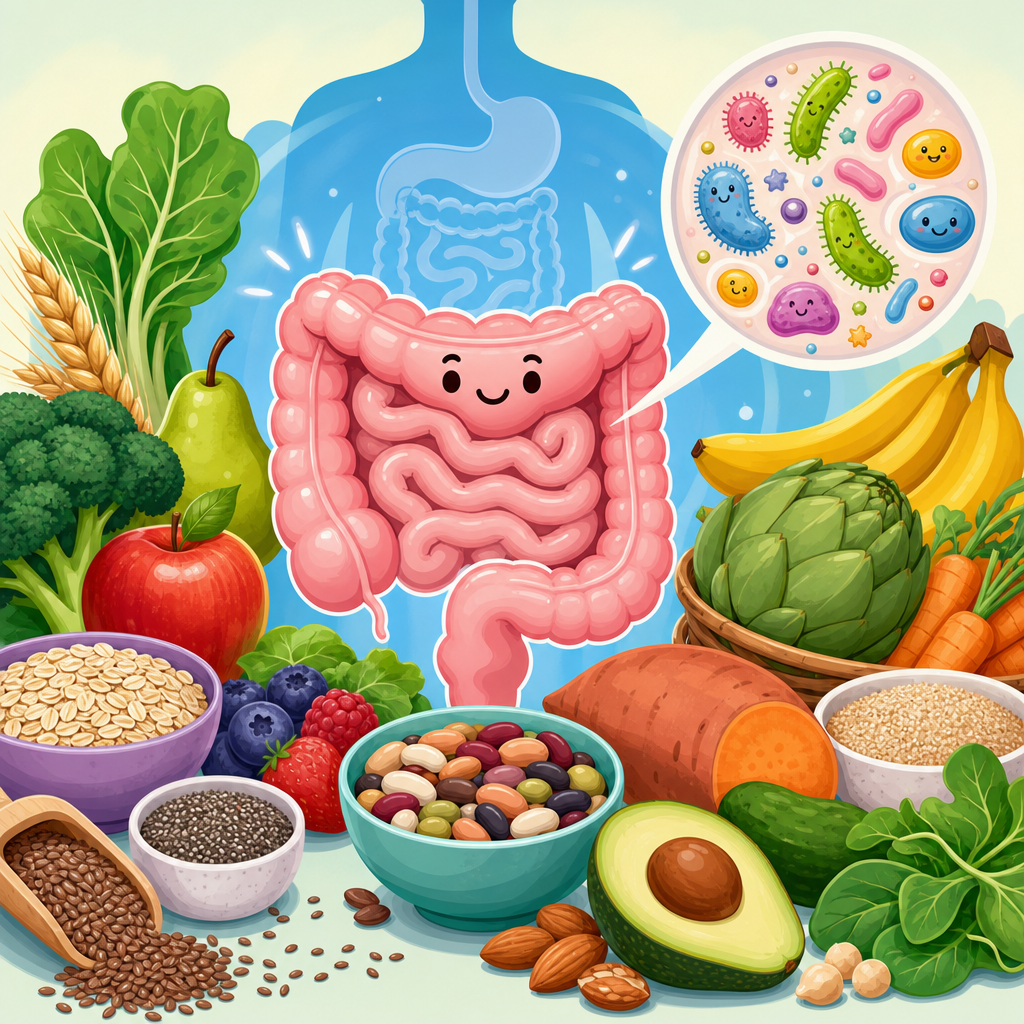
To fully benefit from vitamins and minerals, it’s essential to source them from a balanced and varied diet rich in fruits, vegetables, lean proteins, and whole grains. Leafy greens, citrus fruits, and berries are excellent for vitamin C, while nuts, seeds, and whole grains offer a rich source of B vitamins. Dairy products and fortified non-dairy alternatives provide ample supplies of vitamin D and calcium.
Lean meats, seafood, and beans are good sources of iron, while bananas, potatoes, and avocados deliver potassium. To ensure an adequate intake of zinc and selenium, include seafood, nuts, and seeds in your diet. It’s also important to focus on food combinations that enhance nutrient absorption. For example, consuming vitamin C-rich foods with iron-rich plant foods significantly enhances iron absorption.
For individuals finding it challenging to meet their nutritional needs through diet alone, supplements can fill the gaps. However, it’s crucial to approach supplementation cautiously, considering factors such as age, gender, health status, and dietary restrictions. Consultation with healthcare professionals can guide appropriate supplement use to avoid hypervitaminosis or mineral toxicity.
Consequences of Micronutrient Deficiencies
Micronutrient deficiencies, also known as hidden hunger, can lead to significant health issues, manifesting in both immediate and long-term consequences. Deficiencies in any vitamin or mineral can lead to specific clinical manifestations affecting overall health.
Vitamin A deficiency, for instance, is linked with night blindness and an increased risk of infection. A lack of vitamin D can result in rickets in children and osteomalacia in adults, characterized by poor bone health. B vitamin deficiencies are associated with anemia, neurological disorders, and impaired growth. In particular, folate deficiency during pregnancy is linked with neural tube defects in newborns.
Mineral deficiencies are equally problematic. Iron deficiency is the most widespread, leading to anemia, characterized by fatigue and weakened immune response. Iodine deficiency can lead to developmental delays and hypothyroidism. Similarly, zinc deficiency can impair immune function and slow wound healing, while calcium deficiency can result in osteoporosis.
Maintaining the Right Balance
The key to maximizing health with micronutrients lies in maintaining balance. It is imperative to consume the appropriate amounts to avoid both deficiencies and excesses, as each can have deleterious effects. Overconsumption of fat-soluble vitamins can lead to hypervitaminosis, as the body stores excess amounts, causing toxicity. Similarly, excessive mineral intake can lead to adverse health outcomes, such as stomach upset and kidney dysfunction.
Appropriate dietary habits, regular monitoring of nutritional status, and adaptation based on life stages and health conditions can help maintain micronutrient balance. Women of childbearing age, older adults, vegetarians, vegans, and individuals with specific health conditions represent populations with unique nutritional needs and considerations.
Conclusion
Micronutrients—vitamins and minerals—play an indispensable role in achieving optimal health and wellness. Their impact on the biochemical processes that sustain life can’t be overstated. While obtaining sufficient quantities through a balanced and nutrient-rich diet is essential, understanding individual nutritional needs remains key to maximizing their benefits.
Ensuring a varied diet that includes all food groups will likely provide most individuals with the necessary amounts of these vital nutrients. However, certain groups might benefit from dietary interventions or supplementation to meet their unique needs. An awareness of potential deficiencies and nutrient excesses can prevent associated health issues.
Ultimately, the journey to better health through micronutrients requires mindfulness and a commitment to making informed dietary choices. Armed with this knowledge, everyone can harness the power of these tiny but mighty nutrients to lead healthier, more balanced lives.
Efforts to understand and optimize the intake of micronutrients exemplify a fundamental stepping stone towards preventative healthcare and lifelong vitality.
Frequently Asked Questions
1. What are micronutrients and why are they important for health?
Micronutrients, which include vitamins and minerals, are essential for various bodily functions. Despite being required in smaller amounts compared to macronutrients, they play critical roles in maintaining optimal health. Vitamins such as A, C, D, and E, and minerals like calcium, iron, and zinc are vital for immune function, bone health, energy production, and overall cellular function. They even support psychological health, playing a role in mood regulation and cognitive function. Without adequate micronutrient intake, our bodies can’t perform at their best, leading to a host of health problems. Deficiencies might manifest as fatigue, weakened immunity, developmental disorders, and increased susceptibility to chronic diseases.
2. How can I ensure I’m getting enough vitamins and minerals in my diet?
Diverse and balanced diet is key to obtaining all essential micronutrients. Consuming a variety of fruits, vegetables, whole grains, lean proteins, and healthy fats can provide an extensive range of vitamins and minerals. For instance, leafy greens are rich in vitamins A, C, and K, while dairy products are excellent sources of calcium and vitamin D. It is also worth noting that different preparation methods can affect nutrient retention; steaming or grilling rather than boiling can preserve vitamins. If dietary limitations prevent you from getting enough, supplements can be a helpful addition, but they should not replace whole foods. Consulting with a healthcare provider can also help tailor your diet to meet specific health needs and prevent deficiencies.
3. Can an excess of micronutrients be harmful?
Yes, consuming too many micronutrients, particularly from supplements, can lead to toxicity and health complications. Water-soluble vitamins like vitamin C are typically excreted by the body, but fat-soluble vitamins like A, D, E, and K can accumulate in the body and cause harm. For example, too much vitamin A can lead to liver damage, while excessive vitamin D can result in calcium buildup in the blood, causing heart and kidney damage. Similarly, excessive mineral intake, such as iron, can lead to conditions like hemochromatosis, which can severely impact the liver and heart. Therefore, it is crucial to adhere to recommended daily allowances and consult a healthcare provider before starting any supplement regimen.
4. Do certain lifestyle factors affect micronutrient needs?
Absolutely! Micronutrient requirements can vary significantly based on factors such as age, gender, lifestyle, and specific health conditions. For instance, pregnant or lactating women require more iron and folic acid to support fetal development. Similarly, athletes or physically active individuals may need higher quantities of micronutrients like magnesium and B vitamins to help with energy production and muscle function. Age also plays a role; as we grow older, our bodies may require fewer calories but a greater concentration of certain vitamins and minerals to prevent age-related diseases. Stress and illness can also deplete certain nutrients, necessitating a higher intake to maintain bodily functions. Personalized nutrition advice from a registered dietitian or healthcare professional can cater to these variations.
5. Are processed and packaged foods a good source of micronutrients?
While convenient, processed and packaged foods often come with a downside when it comes to micronutrients. The refining process can strip foods of their natural vitamins and minerals. Many processed foods contain high levels of added sugars, unhealthy fats, and sodium, which can have negative health implications. Some products are fortified with synthetic vitamins and minerals to enhance their nutritional profile, but these may not be as easily absorbed by the body compared to their natural counterparts. The best approach is to focus on whole, unprocessed foods to ensure you get the full array of micronutrients in their most bioavailable form. Fresh fruits, vegetables, whole grains, nuts, seeds, and lean meats are prime choices for maximizing micronutrient intake.