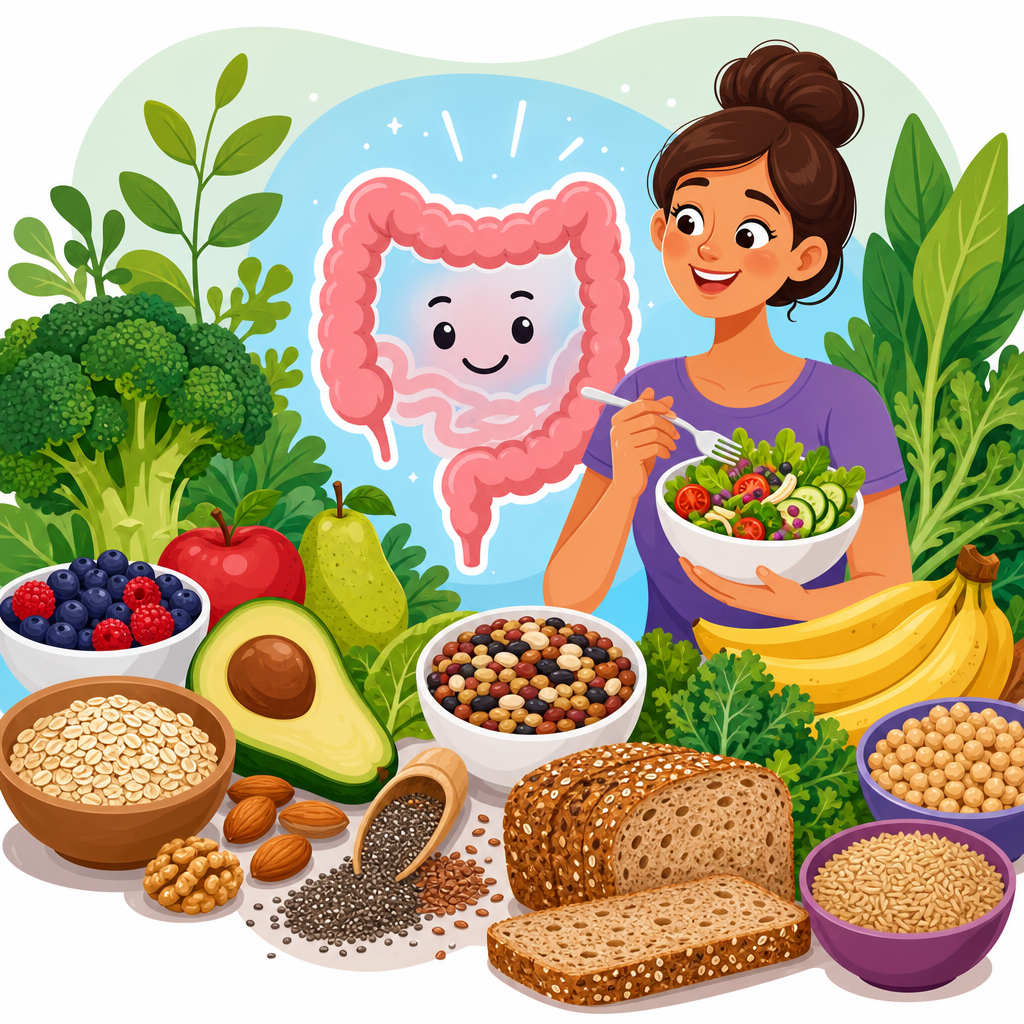
In the world of nutrition, micronutrients are often overshadowed by their more talked-about counterparts – macronutrients, which include carbohydrates, proteins, and fats. However, micronutrients are equally essential for optimal health, playing crucial roles in supporting bodily functions and maintaining wellbeing. These small but mighty components are vital nutrients we require in minute quantities, consisting primarily of vitamins and minerals. Despite their small size, they are vital for the regulation of a myriad of physiological processes such as immune function, bone health, and energy production.
Understanding micronutrients involves delving into their individual roles, sources, and how they contribute to overall health. Given that the human body cannot produce most vitamins and minerals, it becomes imperative that we obtain them through a balanced diet. Yet, with the abundance of information available, figuring out exactly what vitamins and minerals we need, how much of them, and where to source them from, can be overwhelming. To demystify these concerns, this article will provide a comprehensive breakdown of essential micronutrients, focusing on vitamins and minerals, why they matter, and how to ensure you’re getting enough of them in your diet.
The Basics of Micronutrients
Essential vitamins and minerals are categorized as micronutrients because, despite being required in smaller amounts than macronutrients, they are indispensable to health. Vitamins are organic compounds made by plants or animals, while minerals are inorganic and exist in soil or water, absorbed by plants or consumed by animals. Both play collaborative roles in supporting bodily operations such as metabolism, physical development, and disease prevention.
There are two categories of vitamins: fat-soluble and water-soluble. Fat-soluble vitamins are stored in the body’s fatty tissue and liver, including vitamins A, D, E, and K. They do not need to be consumed every day and excessive intake can lead to toxicity. Water-soluble vitamins, which include the B vitamins and vitamin C, are not stored in the body and must be regularly replenished. Anything our body does not use is excreted through urine, which makes it less likely for them to reach toxic levels. Meanwhile, minerals are classified into two groups: major minerals such as calcium, potassium, and magnesium, and trace minerals including iron, selenium, and zinc. Each one has a distinct function, reflecting in the spectrum of physiological roles they fulfill, from muscle relaxation to carrying oxygen within the bloodstream.
Vitamins: An Essential Overview
Vitamin A: Integral for maintaining vision, immune function, and skin health, Vitamin A is primarily found in dairy products, liver, and fish, as well as beta-carotene-rich vegetables like carrots and spinach.
Vitamin B Group: This group collectively supports cellular activity and energy production. Key molecules include thiamine, riboflavin, niacin, pyridoxine, biotin, cobalamin, and folate, found in whole grains, meats, eggs, dairy, and legumes. Each B vitamin has unique roles but they often work synergistically in energy metabolism and brain function.
Vitamin C: Known for its antioxidant properties, Vitamin C is crucial in collagen synthesis, improving iron absorption, and bolstering the immune system. Citrus fruits, strawberries, bell peppers, and cruciferous vegetables are excellent sources.
Vitamin D: Essential for calcium absorption and bone health, Vitamin D is unique because it can be synthesized by the body through sun exposure. Dietary sources include fortified foods, fish oils, and egg yolks.
Vitamin E: Acting as a powerful antioxidant, Vitamin E helps protect cells from oxidative damage and supports immune health. It is mostly found in nuts, seeds, and green leafy vegetables.
Vitamin K: Important for blood clotting and bone health, Vitamin K is primarily sourced from leafy greens, broccoli, and fermented foods. Deficiency is rare but crucial as it affects coagulation.
Minerals: Key Players in Health
Calcium: The most abundant mineral in the body, crucial for bone and teeth health, vascular function, and muscle contractions. Dairy products, leafy greens, and fortified foods serve as primary sources.
Iron: Important for oxygen transportation in the blood. Found in meat, poultry, seafood, beans, spinach, and iron-fortified cereals. Deficiency can lead to anemia, resulting in fatigue and weakness.
Magnesium: Assists over 300 enzyme reactions, including those involved in protein synthesis, muscle and nerve function. It’s found in nuts, seeds, whole grains, and leafy vegetables.
Potassium: Vital for fluid balance, contraction of muscles, and nerve signals. Bananas, oranges, and potatoes are potassium-rich foods. Balancing sodium with potassium is crucial for heart and muscle function.
Zinc: Supports immune function, wound healing, and DNA synthesis. Found in meat, shellfish, legumes, seeds, and dairy. It’s an essential element for maintaining skin health and growth.
Selenium: Plays a key role in metabolism and thyroid function. Found in nuts, fish, and cheese primarily, selenium has potent antioxidant properties.
The Importance of Balanced Micronutrient Intake
Ensuring adequate intake of each micronutrient is vital for overall health. Deficiencies, even minor ones, can lead to substantial health issues, manifesting in a range of symptoms from fatigue to severe disease. For instance, vitamin D deficiency examines the intersection of bone health and immune response dysfunctions. Meanwhile, an iron deficiency is notorious for causing anemia, a global public health challenge. Conversely, excessive intake, particularly of fat-soluble vitamins like A and D, can lead to toxicity and adverse effects. Hence, it’s imperative to strive for a balanced dietary intake.
As most micronutrients are sourced from food, it stresses the significance of a varied diet abundant with fruits, vegetables, lean meats, and whole grains. However, individuals might have unique dietary needs based on age, gender, health status, and lifestyle. Prenatal vitamins for pregnant women or supplements for older adults help marshal the required nutrients that might otherwise lack in everyday diets. Consulting with healthcare providers can ensure personalized nutrition plans that meet individual micronutrient needs while avoiding deficiencies or excess intake.
Challenges and Considerations
The complexity of maintaining appropriate micronutrient levels can be daunting amid modern lifestyles fraught with convenience foods, which might be calorie-dense but nutrient-deficient. Additionally, factors such as soil depletion and food processing can affect the nutrient values of foods. It becomes essential to be proactive in food selection, emphasizing nutrient density rather than merely caloric intake.
Dietary supplements are another avenue to bridge nutritional gaps but should be approached cautiously. They are not a substitute for a balanced diet, and their regulation is not as stringent as prescription medications. Supplements may interact with medications and can cause harm if misused. Hence, before introducing them into one’s routine, it’s advisable to discuss it with a nutritionist or healthcare provider.
Conclusion
Embarking on a journey to understand the role of micronutrients, namely vitamins and minerals, is pivotal in fostering long-term health. From supporting bodily functions to warding off deficiency-related ailments, the role of these vital nutrients is irrefutable. In an era where food choices and nutrition knowledge abound, grasping the essentials of micronutrient intake offers the foundation for optimal health and vitality.
Navigating through various sources of vitamins and minerals, balanced diet plans, and potential supplementation empowers individuals to take charge of their health. By recognizing the distinctive functions of each micronutrient group, one cultivates a clearer understanding of how everyday eating habits significantly influence physical and mental wellbeing.
In sum, striving for a well-rounded diet replete with diverse, nutrient-dense foods not only fulfills our body’s micronutrient requirements but also sets a solid groundwork for enhanced health and prevention against chronic conditions. Taking proactive, informed decisions and maintaining a dialogue with healthcare professionals ensure that micronutrient needs are met comprehensively, thereby contributing positively to overarching health goals.
Frequently Asked Questions
1. What are micronutrients and why are they important?
Micronutrients are essential nutrients your body needs in small amounts to function properly. They include vitamins and minerals which are crucial for a plethora of bodily processes. These micro warriors are needed for energy production, immune function, blood clotting and other functions. Vitamins like Vitamin C, D, A, E, and K each have specific roles, such as helping with vision, proper blood clotting, or boosting your immunity. Minerals, like calcium, potassium, and iron, contribute to structural strength of bones, cardiac rhythm, and oxygen transport, respectively. Though they’re needed in minute amounts, their impact is massive – consider them the nuts and bolts holding together the grand engine of your body.
2. How are vitamins different from minerals?
Vitamins and minerals, while both critical micronutrients, differ in their chemical nature and function. Vitamins are organic compounds which means they can be broken down by heat, air, or acid unlike minerals, which are inorganic. That implies cooking or exposing vitamins to air can diminish their effectiveness. Vitamins are categorized into two types: water-soluble (think Vitamin C and B-types) which need regular replenishment since they are not stored in the body, and fat-soluble (Vitamin A, D, E, K) which can be stored in the body for later use. Minerals like calcium and iron, on the other hand, are stable through different conditions and are pivotal in supporting muscle function, nerve transmission, and bone health. Consider vitamins as artists painting a beautiful canvas, while minerals are the durable canvas itself—each working together for a perfect art piece.
3. What are the symptoms of vitamin and mineral deficiencies?
Each vitamin and mineral deficiency manifests differently depending on the role they play in your body. Common symptoms of a vitamin deficiency might include fatigue, weakened immunity, or irregular heartbeats. For instance, a lack of Vitamin D can lead to bone pain or muscle weakness because it affects calcium absorption. Similarly, if you’re short on iron, you might experience fatigue, weakness, and pale skin as your red blood cells struggle to transport enough oxygen. Inadequate Vitamin C can result in scurvy, presenting with bleeding gums or joint pain because it helps repair tissue. Recognizing these symptoms early on can help you seek corrective measures swiftly. Basically, if your body starts issuing any unusual distress signals, it’s worth considering an appraisal with a health professional.
4. Can you get enough micronutrients from a regular diet?
For most individuals, a well-balanced and varied diet will typically cover your micronutrient needs, but it can depend on your personal health status, dietary preferences, and any specific health conditions. Consuming a colorful array of fruits and vegetables will help to hit multiple requirements—think greens for Vitamin K, oranges for Vitamin C, and dairy for calcium. However, vegetarians or vegans may need extra attention to nutrients like B12 (usually found in animal products), while those who live in less sunny climates might need more Vitamin D. That said, a diet rich in whole grains, fresh produce, lean protein, and dairy, intermixed with supplements if needed and advised by a healthcare provider, is the gold standard. Remember, availing regular health checks and maintaining open dialogues with your doctor can ensure you’re on top of your nutritional game.
5. Do you need to take micronutrient supplements?
Whether or not you need to take supplements should be determined on a case-by-case basis. While ideally, you should get your vitamins and minerals from food, some people might need supplements due to increased requirements, dietary restrictions, health conditions, or lifestyle factors. For instance, pregnant women often need more folic acid and iron, and older adults may require Vitamin D or B12 supplements. If you’re living in areas with limited sunlight exposure or have specific health-related restrictions, supplements might be necessary to bridge the gap. However, self-diagnosing and selecting supplements can lead to nutrient imbalances or toxicities, so it’s always wise to do this under the guidance of a healthcare professional who can provide tailored advice based on your specific needs. So, yes—they can be beneficial, but use them with caution and under professional advice.