Hydration is an essential component of overall well-being and health. In our daily lives, it’s easy to overlook the critical role that maintaining proper hydration plays in supporting bodily functions and improving quality of life. This often understated yet powerful necessity goes beyond merely quenching our thirst. Hydration involves a complex interplay of biological processes that facilitate the balance of fluids and electrolytes in our bodies, ensuring that our organs operate at their best. From boosting cognitive function to aiding digestion and enhancing physical performance, hydration is a key driver of health. Understanding hydration’s importance allows us to make informed choices that foster long-term health and vitality. This article explores the significance of hydration, its impact on physical and mental health, and practical strategies to maintain optimal hydration, offering insights that could transform your approach to health and wellness.
The journey begins with understanding how water influences our bodies at the cellular level. Every system in the human body relies on water, making it a crucial component of life. Not only does water maintain cell structure, but it also assists in the transport of nutrients and oxygen so the body can function correctly. It also plays a fundamental role in clearing out toxins and wastes, thus supporting the continual process of renewal and repair. When our bodies do not receive adequate hydration, these processes can falter, leading to an array of health problems that could potentially diminish our quality of life. Given the paramount importance of hydration, it’s essential to delve into how staying hydrated impacts our health and well-being in everyday life.
The Role of Hydration in Physical Health
Hydration is crucial for physical health, impacting everything from energy levels to temperature regulation. Our bodies are primarily composed of water, and every organ and cell system relies on it to function properly. When we talk about hydration, we refer to how water supports physiological functions. Water is vital for maintaining blood volume, transporting nutrients, and regulating body temperature. Inadequate hydration can cause dehydration, leading to a cascade of negative effects on the body, such as impaired cognitive function, kidney stones, joint pain, and muscle cramping.
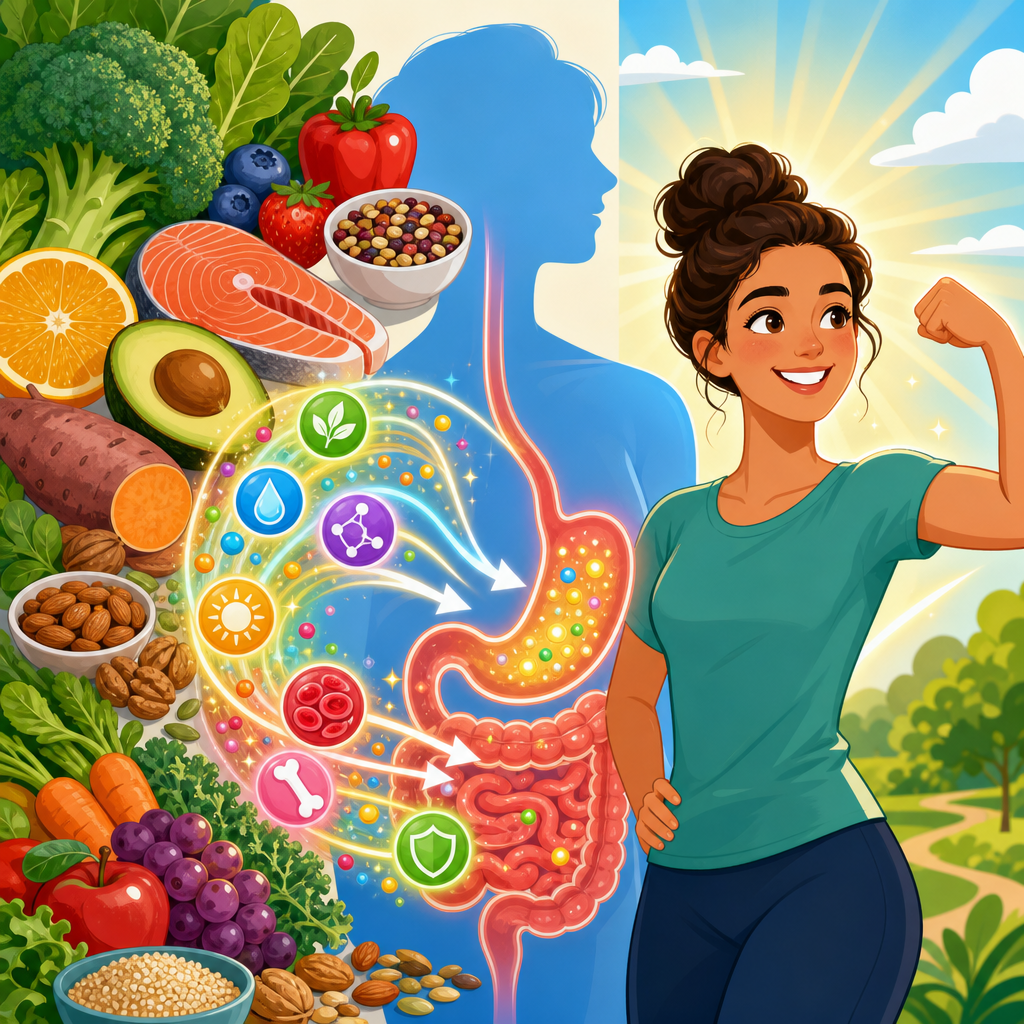
Proper hydration aids digestion and helps prevent constipation by facilitating the movement of food through the intestine. It also carries nutrients and oxygen to cells, ensuring they function efficiently. When dehydrated, the body struggles to carry out these essential processes, leading to discomfort and potential chronic issues in the digestive tract. Furthermore, staying hydrated supports cardiovascular health. Water helps maintain blood viscosity and plasma volume, allowing the heart to pump blood more effectively, reducing the risk of developing heart-related ailments over time.
In terms of joint health, water serves as a lubricant for joints, which helps maintain the integrity and movement of cartilage. It prevents friction between bones, minimizing wear and tear, especially during physical activities. For those who exercise regularly or engage in physically demanding jobs, proper hydration is key to performance and recovery. It ensures optimal muscle function and reduces the risk of cramps and strains.
Temperature regulation is another critical aspect where hydration plays an indispensable role. The body uses water to dissipate heat through sweat, maintaining a stable internal temperature. When dehydrated, the body’s ability to release heat is compromised, increasing the risk of heat exhaustion or heat stroke, especially in hot environments or during intense exercise.
The Impact of Hydration on Cognitive and Mental Health
Mental health and cognitive performance are significantly affected by hydration levels. Adequate hydration is essential for maintaining concentration, alertness, and memory functions. The brain is immensely sensitive to changes in hydration status, with even mild dehydration (a body water loss of 1-2%) potentially impairing cognitive performance and mood. Studies have shown that dehydration can lead to difficulty focusing, increased perception of task difficulty, and greater fatigue, all of which can diminish productivity and affect mental well-being.
On a neurological level, water is vital for maintaining neurotransmitter function and ensuring appropriate regulation of hormone levels, including serotonin and dopamine. These chemicals are crucial for mood regulation and the prevention of depression and anxiety. Dehydration can lead to a decrease in these mood-boosting chemicals, compounding feelings of stress and tension. Regular hydration stabilizes mood and prevents extreme fluctuations associated with mental health conditions.
The connection between hydration and sleep quality is another area that deserves attention. Adequate hydration supports the body’s natural sleep-wake cycles by regulating the production of melatonin, the sleep hormone. Conversely, dehydration can cause sleep disturbances, hindering the body’s ability to relax and regenerate during rest. This interplay emphasizes the importance of maintaining proper hydration for a good night’s sleep, which is foundational to overall psychological and emotional wellness.
Factors Influencing Hydration Needs
Understanding individual hydration needs is vital to overall health. Various factors influence how much water a person requires daily, including age, body composition, climate, physical activity level, and health status. Children and elderly individuals often need special attention as their hydration needs can be higher relative to their body size and physiological changes. Elderly persons, especially, have reduced thirst signals and altered body composition, making them more vulnerable to dehydration.
Climate and environmental conditions also play a significant role. Hot and humid weather increases fluid loss through sweat, necessitating a greater intake of water to offset this loss. Even in cold environments, dehydration can occur, as the body may require extra water to warm the inspired cold air or counteract the effects of altitude on fluid balance. For athletes or those engaging in vigorous physical activity, maintaining proper hydration is crucial to optimize performance and recovery. Sweating not only results in fluid loss but also depletes electrolytes, which are essential for muscle function and energy production. Therefore, replenishing lost fluids and electrolytes by drinking water and consuming hydrating foods is imperative for sustained physical activity.
Moreover, certain health conditions, such as diabetes or kidney disease, can exacerbate fluid requirements or impact hydration levels. People with these conditions need to work with healthcare professionals to determine a hydration plan that’s integrated with their health management goals. Medications, too, may affect hydration by altering thirst or increasing fluid loss. Diuretics, commonly used to treat high blood pressure or fluid overload, increase urine production and necessitate a higher intake of water to prevent dehydration.
Strategies to Enhance and Maintain Hydration
There are several practical strategies to maintain optimal hydration. One effective approach is to start the day by drinking a glass of water, helping kick-start metabolism and hydrate after a night’s rest. Establishing a routine, such as drinking a glass of water before meals, can seamlessly integrate hydration into daily activities.
Monitoring urine color is a simple method to gauge hydration status. Pale yellow usually indicates adequate hydration, whereas dark yellow suggests the need for more fluids. Paying attention to thirst cues is critical, but relying solely on thirst can be misleading, especially for children and older adults. Therefore, it’s beneficial to adhere to a hydration schedule or use reminders to drink water at regular intervals throughout the day.
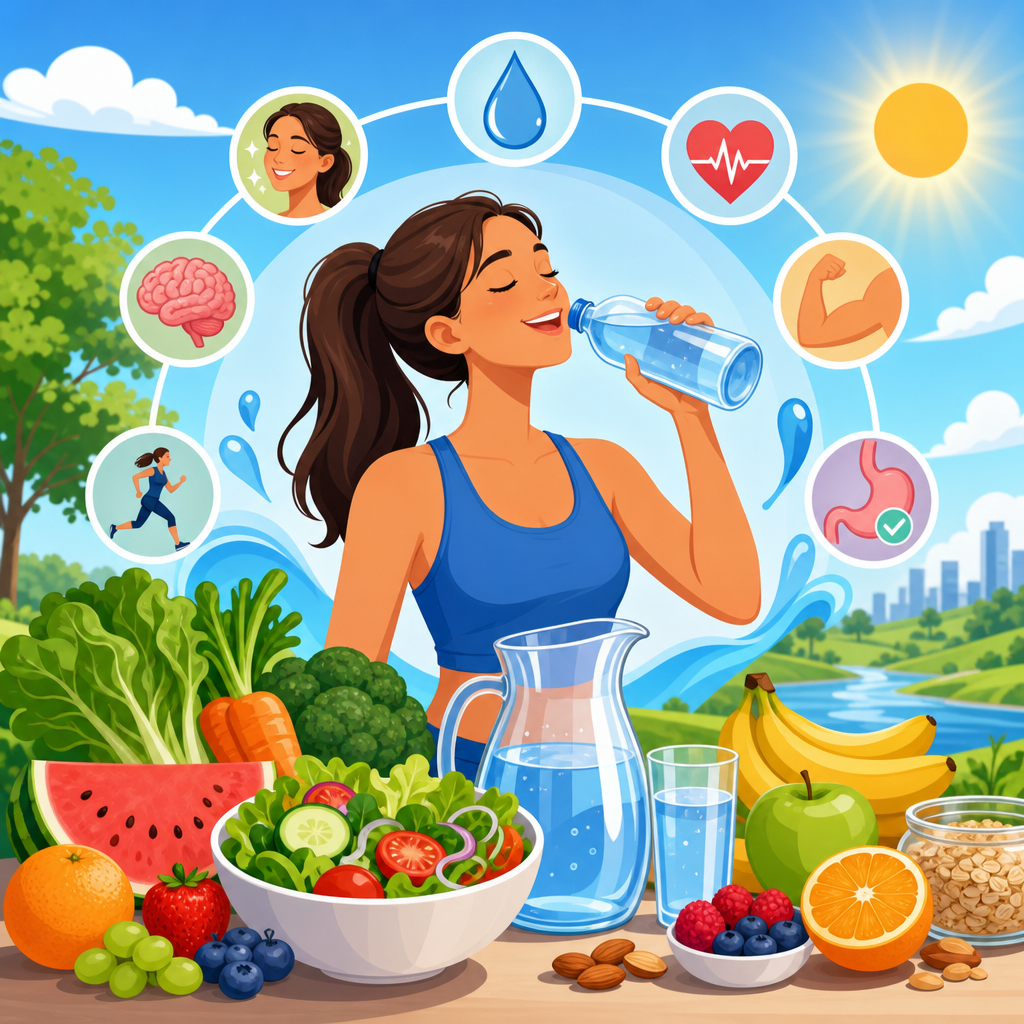
Incorporating foods with high water content into the diet is another effective strategy. Fruits and vegetables such as watermelon, cucumber, and oranges are excellent choices for naturally increasing water intake while providing essential vitamins and minerals. These foods not only keep the body hydrated but also offer the added benefit of necessary nutrients to boost overall health.
For those who find plain water unappealing, infusing water with slices of fruits or herbs can enhance the flavor without adding sugars or artificial additives found in many commercial beverages. Herbal teas and flavored water served as alternatives to encourage higher fluid intake while maintaining hydration balance.
On-the-go hydration solutions such as portable water bottles equipped with measurements can also help track and maintain daily water intake goals. Investing in a lightweight, reusable bottle encourages regular sips throughout the day, supporting a sustainable and environmentally friendly practice.
Conclusion
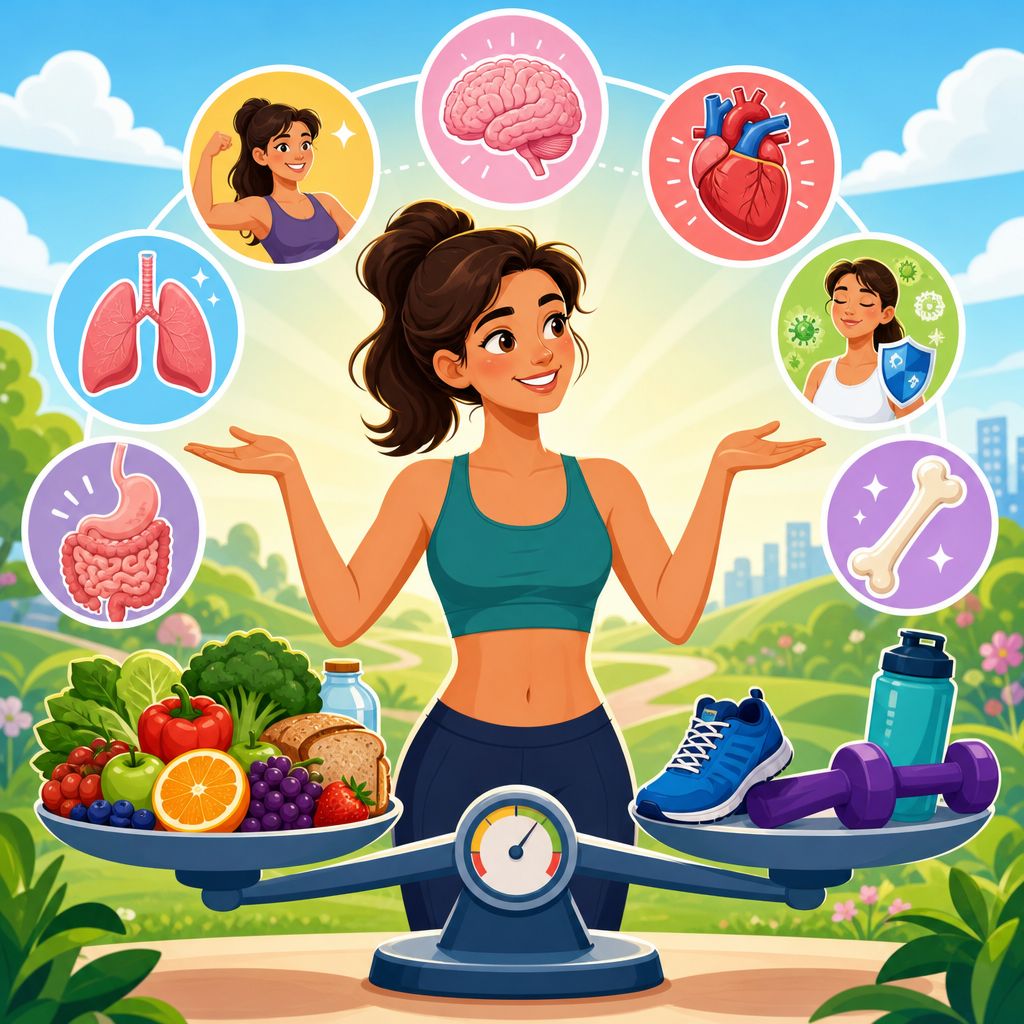
Hydration plays an integral role in sustaining physical and mental health, with far-reaching impacts on well-being. Our bodies thrive on water’s essential support of vital processes, demonstrating the importance of adequacy in hydration for optimal health. From improved digestion to enhanced cognitive functions, the positive effects of proper hydration are numerous and significant. Embracing strategies that integrate seamless hydration into everyday routines can promote quality of life and provide robust support for bodily functions.
As we understand the critical role hydration plays, prioritizing regular water intake becomes a cornerstone of a healthy lifestyle. The proactive measures required to maintain hydration are ultimately an investment in health, potentially removing barriers that dehydration puts in place affecting both physical and mental realms. Through awareness and structured hydration habits, we harness the power to enhance our vitality, manage stress, improve quality of sleep, and even increase longevity. Recognizing this connection underscores the importance of hydration as a foundational pillar of holistic health. By embracing both traditional and innovative strategies, anyone can effectively incorporate hydration into their wellness regimen, paving the way for improved health outcomes and overall well-being.
Enhancing your focus on maintaining adequate hydration, especially amidst a busy lifestyle, is not only a practical approach to health but also a transformational one that fosters a healthier, more vibrant version of yourself.
Frequently Asked Questions
1. Why is staying hydrated so important for our health?
Staying properly hydrated is crucial because every cell, tissue, and organ in your body needs water to function efficiently. Water plays a significant role in maintaining the balance of bodily fluids, which are involved in key functions like digestion, absorption, circulation, creation of saliva, transportation of nutrients, and maintenance of body temperature. When you’re well-hydrated, you’re empowering your body’s natural processes to perform optimally, keeping your organs healthy and your systems running smoothly. Dehydration can lead to numerous adverse effects such as tiredness, confusion, mood swings, and in more severe cases, organ failure. Think of staying hydrated as keeping your body’s internal systems well-oiled and working properly.
2. How does hydration affect physical performance and exercise?
Hydration is a pivotal factor in enhancing physical performance. When you’re engaged in physical exercises, your body’s muscles and joints rely on an adequate supply of water to prevent cramps and lubricate movement. Hydration also supports your body’s ability to regulate temperature during repeated bouts of activity through sweating. If you start your workout without being sufficiently hydrated, you might find your endurance and strength waning, leading to shorter workout sessions that yield fewer benefits. Furthermore, being dehydrated can increase your risk of heat injuries, such as heat exhaustion or heat stroke. To maximize your athletic potential and keep your physical health in check, make sure you’re drinking enough fluids before, during, and after exercise.
3. Can hydrating properly also impact mental performance?
Absolutely, hydration significantly influences cognitive functions and mental performance. Your brain is composed of approximately 73% water, and even subtle changes in hydration status can impact focus, alertness, and short-term memory. Staying hydrated helps boost energy levels, concentration, and cognitive abilities. If you’re dehydrated, you may experience fatigue, headaches, impaired concentration, and mood disruptions, affecting productivity at work or school. Thus, ensuring you’re drinking plenty of water throughout the day is essential for keeping your mind sharp and your mood balanced.
4. What’s the relationship between hydration and the immune system?
Proper hydration is vital for maintaining a robust immune system. Water is fundamental to the circulation of lymph, which carries white blood cells and other immune system cells throughout the body to fight infection. Furthermore, a well-hydrated body ensures the mucosal linings (such as in your throat and mouth) stay moist, which can help trap germs and pathogens from entering. Hydration aids in the efficient removal of toxins and waste materials, processes that are essential for preventing illnesses. Drinking enough fluids is a simple yet effective way to support your body’s natural defenses, making you less susceptible to catching common infectious diseases.
5. How can I ensure that I am drinking enough water daily?
Understanding how much water your body needs can be challenging, but a general guideline is to drink at least about eight 8-ounce glasses of water a day, which is also known as the 8×8 rule. However, individual needs can vary based on factors like age, activity level, climate, and personal health conditions. Listening to your body’s signals, like thirst, and monitoring the color of your urine (lighter yellow generally indicates better hydration) can also help you gauge your hydration status. To better integrate hydration into your daily routine, consider setting regular intervals to drink water, incorporating water-rich foods into your diet, and using refillable bottles to keep track of your intake. Remember, staying hydrated is not just a habit but a commitment to your overall health and well-being.