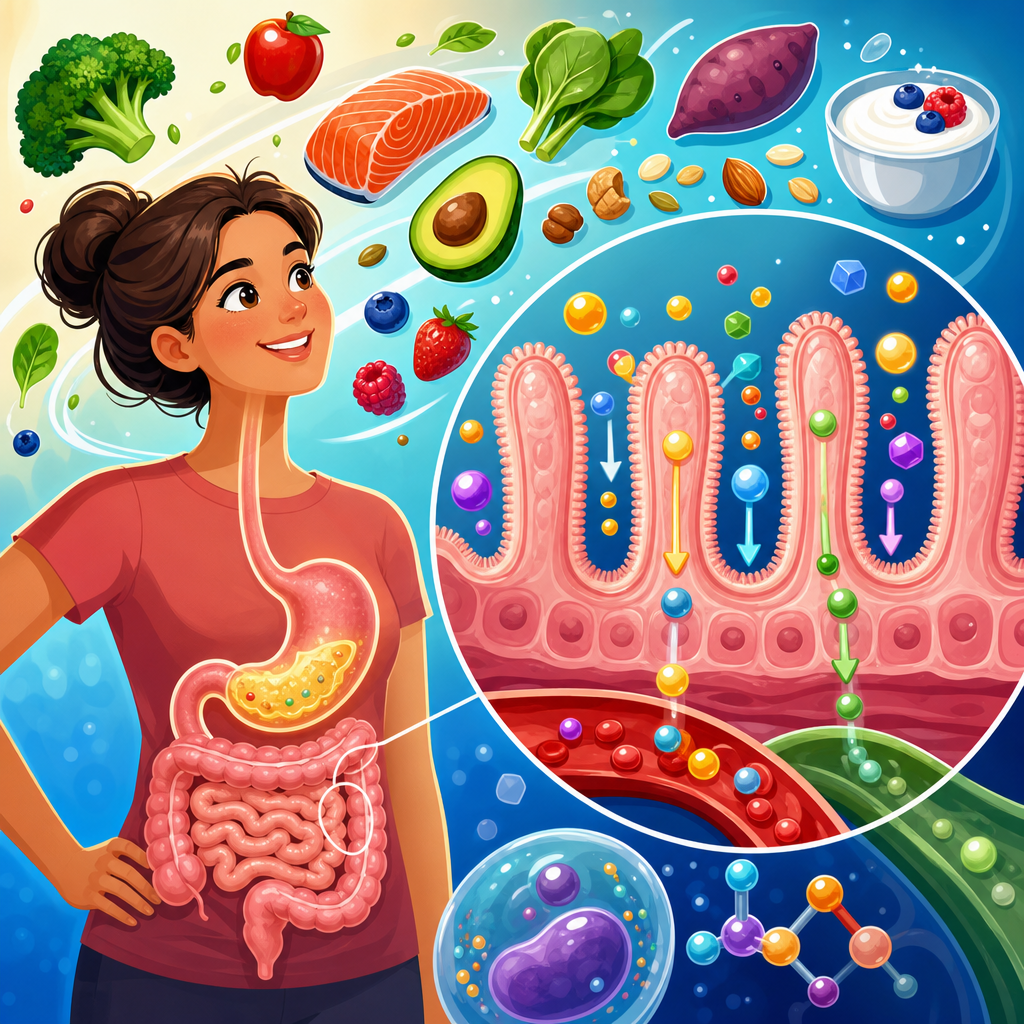
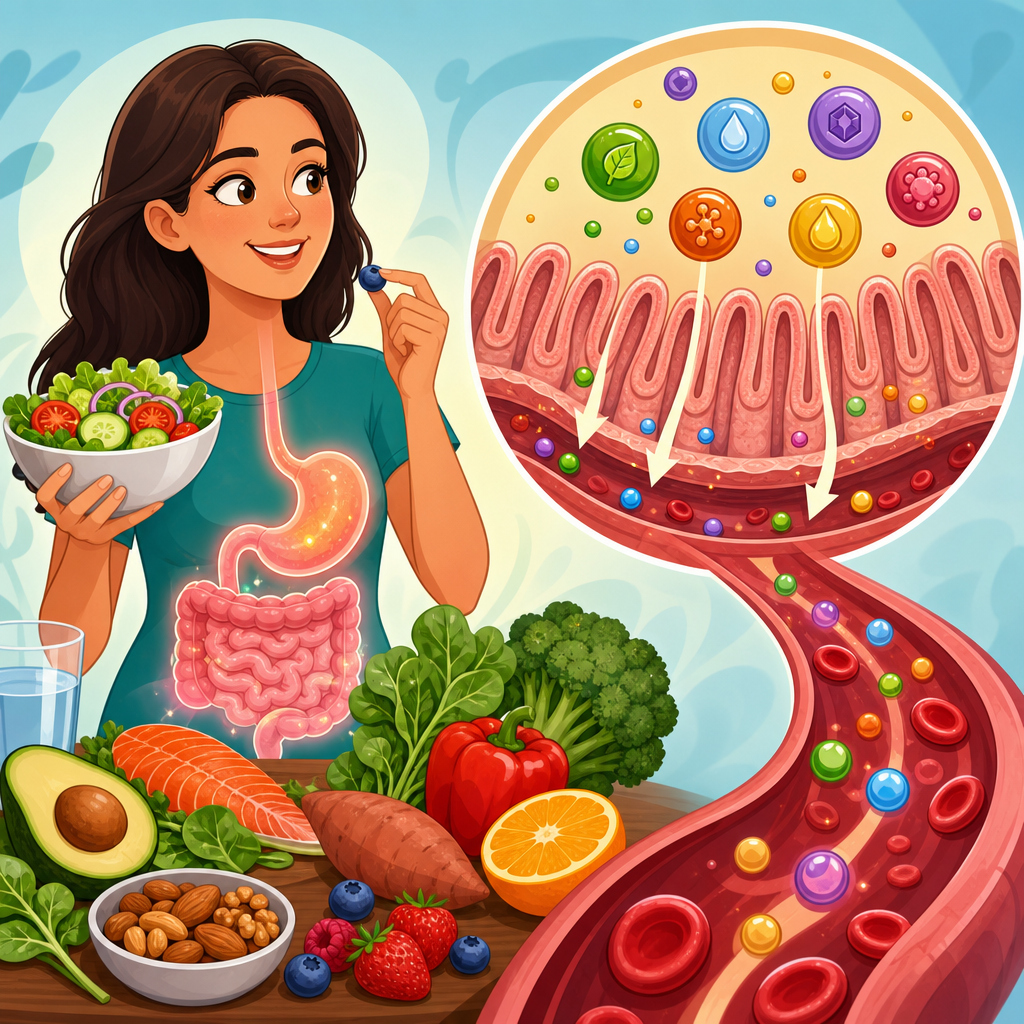
Hydration and Its Role in Health: What Science Says About Its Benefits begins with a simple fact: water is essential for every cell, tissue, and organ in the human body. Hydration refers to maintaining the right balance of fluids and electrolytes so physiological systems can function normally. In practice, that means replacing water lost through breathing, sweating, urination, digestion, and physical activity with fluids from drinks and water-rich foods. Although the idea sounds basic, hydration affects far more than thirst. It influences blood volume, temperature regulation, nutrient transport, cognitive performance, digestion, kidney function, and exercise capacity.
In clinical and sports nutrition work, I have seen hydration treated as an afterthought until symptoms appear: headaches during long meetings, fatigue in afternoon training, constipation during travel, or dizziness on hot days. Science shows that even mild fluid losses can affect how people feel and perform, especially in heat, during illness, or with sustained activity. At the same time, more water is not always better. Individual needs vary by age, body size, diet, medications, climate, and health status. A useful hydration strategy is not built on a single universal number but on understanding how the body regulates fluids, what increases losses, and how to recognize practical signs of adequacy.
Because this article serves as a hub within Nutrition Basics, it covers the foundational science and the real-world decisions people make every day. You will learn what hydration does in the body, how much fluid most people need, whether coffee counts, how electrolytes fit in, why hydration matters for the brain and kidneys, and when overhydration becomes a risk. The goal is straightforward: replace vague advice with evidence-based guidance you can actually use.
How hydration works in the body
About half to roughly two thirds of adult body weight is water, with variation based on age, sex, and body composition. Muscle contains more water than fat tissue, which is one reason leaner people often have a higher percentage of body water. This water is distributed between intracellular fluid inside cells and extracellular fluid outside cells, including blood plasma and interstitial fluid. The body tightly regulates these compartments through hormones, kidneys, and thirst mechanisms because small shifts in fluid balance can alter blood pressure, circulation, and cellular function.
Two hormones are central here. Antidiuretic hormone, also called vasopressin, signals the kidneys to retain water when the body senses higher blood osmolality or lower blood volume. Aldosterone helps regulate sodium balance, which in turn influences water retention. Thirst is triggered by receptors in the brain that detect rising solute concentration and volume changes. This is why thirst is useful but imperfect: by the time it is strong, mild dehydration may already be present, particularly in older adults whose thirst response can be blunted.
Hydration also supports thermoregulation. When body temperature rises, sweat glands release fluid onto the skin; evaporation cools the body. This system works well only if fluid losses are replaced. In hot, humid conditions, or during prolonged exercise, sweat losses can exceed one liter per hour and in some athletes much more. Blood volume then falls, heart rate rises, and perceived effort increases. That is the physiological reason a well-hydrated person usually feels and performs better in demanding conditions.
Why hydration matters for health every day
The benefits of good hydration are broad because fluid balance underpins basic physiology. Adequate hydration helps maintain blood volume, allowing oxygen and nutrients to reach tissues efficiently. It supports kidney filtration, enabling the body to remove metabolic waste products such as urea and creatinine. It lubricates joints, protects sensitive tissues, and contributes to saliva and digestive secretions needed for chewing, swallowing, and digestion.
One of the clearest day-to-day benefits is better physical and mental function. Research consistently shows that fluid losses around 1 to 2 percent of body weight can impair attention, working memory, mood, and endurance performance in at least some settings. People often describe this as brain fog, irritability, or unusual tiredness. Those sensations are not imaginary. Reduced plasma volume and changes in thermoregulation increase cardiovascular strain, while the brain appears sensitive to subtle shifts in hydration status. In practical terms, office workers, students, drivers, and older adults can all notice an effect, not just athletes.
Hydration is also strongly tied to bowel regularity. Water helps keep stool soft enough to pass comfortably, especially when dietary fiber intake rises. Many people increase fiber for heart health or weight management but forget to increase fluids, then conclude that fiber “doesn’t agree” with them. In reality, the combination of adequate fiber and fluid usually works best. For people prone to constipation, meeting fluid needs is one of the first-line lifestyle measures recommended alongside physical activity and fiber-rich foods.
Kidney health is another major area. Adequate fluid intake lowers urine concentration and can reduce the risk of certain kidney stones, especially when people produce at least about 2 to 2.5 liters of urine daily, depending on medical advice. For recurrent stone formers, urologists often recommend higher fluid intake as a core prevention strategy. That advice is grounded in straightforward chemistry: more dilute urine reduces the supersaturation of stone-forming minerals such as calcium oxalate and uric acid.
How much water do you actually need?
There is no single ideal intake that fits everyone. A commonly cited benchmark comes from the U.S. National Academies, which sets adequate intake for total water at about 3.7 liters per day for men and 2.7 liters per day for women from all beverages and foods combined. Because foods contribute roughly 20 percent of total water intake for many adults, the amount needed from drinks alone is lower. Still, these values are population-level guides, not precise prescriptions.
Fluid needs rise with heat, altitude, exercise, pregnancy, breastfeeding, fever, vomiting, diarrhea, and high-fiber or high-protein diets. They may also be altered by medications such as diuretics, laxatives, sodium-glucose cotransporter-2 inhibitors, and some blood pressure medicines. Older adults often need deliberate hydration routines because thirst may not track needs well. Children have smaller fluid reserves relative to body size and can dehydrate more quickly during illness or heat exposure.
A practical way to estimate your own needs is to combine intake planning with monitoring. Start with regular fluid opportunities across the day, then assess thirst, energy, body weight changes around exercise, and urine color. Pale yellow urine usually suggests reasonable hydration, while consistently dark urine can indicate concentration, though vitamins and medications can change color. If someone is urinating frequently with completely clear urine all day, that may suggest they are drinking more than necessary.
| Situation | What changes fluid needs | Practical target |
|---|---|---|
| Typical sedentary day | Routine losses from breathing, urine, stool, and normal sweat | Drink regularly with meals and between meals; use thirst and urine color as checks |
| Hot weather | Higher sweat rate and greater evaporative losses | Increase intake before, during, and after outdoor time; include sodium with meals |
| Exercise lasting under 60 minutes | Moderate sweat loss, limited glycogen depletion | Water is usually enough unless conditions are very hot |
| Exercise lasting over 60 to 90 minutes | Large sweat losses and rising sodium loss | Use fluids on a schedule; consider sports drink based on duration and sweat rate |
| Vomiting or diarrhea | Rapid fluid and electrolyte depletion | Use oral rehydration solutions when losses are significant |
Water, electrolytes, and the question of what counts
Water is the foundation of hydration, but it is not the whole story. Electrolytes, especially sodium and potassium, help regulate fluid distribution, nerve signaling, and muscle contraction. During ordinary daily life, most people can meet electrolyte needs through normal meals and do not need specialty drinks. During prolonged sweating, heavy labor, endurance events, or gastrointestinal illness, electrolyte replacement becomes more important because fluid alone may not restore balance effectively.
Sports drinks can be useful, but context matters. For a short walk or a basic gym session, they usually add unnecessary sugar and sodium. For a two-hour run in summer, they may help preserve performance and reduce the risk of symptomatic sodium depletion. Oral rehydration solutions are different from sports drinks. They use a specific balance of glucose and sodium, aligned with World Health Organization principles, to enhance intestinal fluid absorption during diarrhea or significant fluid loss. In clinic, I recommend them for stomach bugs far more often than trendy electrolyte packets.
Many beverages contribute to hydration. Milk, tea, coffee, sparkling water, and diluted juice all count. The old claim that coffee dehydrates everyone is overstated. Caffeine can have a mild diuretic effect in people who are not habituated, but habitual coffee and tea drinkers still gain net fluid from these beverages. Alcohol is different. It suppresses vasopressin and can increase urine output, so drinking alcohol is a poor hydration strategy, especially in heat or after exercise.
Water-rich foods matter too. Cucumbers, oranges, melons, strawberries, tomatoes, soups, yogurt, and cooked grains add meaningful fluid. This is one reason eating patterns rich in fruits and vegetables often support hydration more effectively than highly processed diets dominated by salty, dry foods. Food and fluid work together; hydration is a dietary pattern, not just a bottle on a desk.
Hydration, brain performance, and physical exercise
One of the most common questions people ask is whether dehydration truly affects concentration. The answer is yes, though the size of the effect depends on the person and the task. Studies in children and adults have found that inadequate hydration can worsen attention, short-term memory, perceived fatigue, and mood. The mechanism is likely multifactorial, involving changes in cerebral blood flow, thermoregulatory strain, and the effort the brain expends to maintain homeostasis. People often notice this first as a headache or unusual difficulty focusing.
In exercise, the evidence is even stronger. Dehydration reduces plasma volume, increases cardiovascular strain, and makes it harder to dissipate heat. Athletes then experience higher heart rates at the same workload and greater perceived exertion. Endurance performance generally declines as body mass losses from fluid increase, especially beyond about 2 percent. Team sport athletes may see poorer repeated sprint ability and skill execution in hot environments. For recreational exercisers, that often translates to slower pace, earlier fatigue, or a workout that simply feels harder than it should.
Hydration before exercise, not just during it, matters. A useful method is to begin activity well hydrated, drink according to thirst or a personalized plan during training, and replace losses afterward. Weighing before and after a long session can help estimate sweat rate. Roughly one kilogram lost during exercise corresponds to about one liter of fluid deficit, though exact replacement needs depend on ongoing sweat and urine losses. This kind of simple tracking is more reliable than guessing, and it is standard practice in serious sports nutrition.
When hydration goes wrong: dehydration and overhydration
Dehydration exists on a spectrum from mild fluid deficit to severe, medically urgent volume depletion. Early signs include thirst, dry mouth, darker urine, headache, fatigue, and reduced urine output. More serious symptoms can include dizziness, rapid heart rate, confusion, lethargy, sunken eyes, and poor skin turgor, though skin turgor is less reliable in older adults. Infants, frail older adults, and people with acute illness are at higher risk because fluid losses can progress quickly or symptoms may be missed.
Overhydration is less common but important. Drinking far beyond needs, especially during prolonged exercise while replacing sweat with plain water only, can dilute blood sodium and contribute to exercise-associated hyponatremia. Symptoms range from bloating and nausea to headache, confusion, seizures, and in severe cases life-threatening brain swelling. Marathon medicine has documented this risk for years. The prevention message is simple: do not force excessive fluid intake, and for long events use a plan that reflects sweat rate, duration, and sodium losses.
Certain medical conditions complicate hydration advice. People with heart failure, advanced kidney disease, liver cirrhosis, adrenal disorders, or syndrome of inappropriate antidiuretic hormone secretion may need individualized fluid guidance. Others, such as recurrent kidney stone patients or people using high-dose diuretics, may need deliberate targets. This is why broad hydration advice has limits. Biology is individual, and medical context matters.
Building a sustainable hydration routine
The most effective hydration plan is boring in the best sense: consistent, flexible, and matched to routine. Start the day with a drink, include fluids at each meal, and keep water accessible during work, commuting, and exercise. If you regularly forget to drink, pair hydration with existing habits such as coffee breaks, school pickups, or walking the dog. During travel, flights, high-altitude trips, and hot weather, increase fluid opportunities before thirst becomes intense.
Quality matters as much as quantity. For most people, water should be the default beverage, with coffee, tea, milk, and other drinks fitting around it. If plain water feels difficult, flavored sparkling water, citrus slices, herbal tea, or diluted juice can improve adherence without turning hydration into a sugar-heavy routine. For athletes, outdoor workers, and people who sweat heavily, planning sodium intake with meals and using sports drinks selectively is more effective than relying on water alone.
Hydration science is clear on the central point: maintaining fluid balance supports energy, cognition, digestion, kidney function, and physical performance. The practical lesson is equally clear. Use general intake benchmarks as a starting point, then adjust for your body, climate, activity, and health status. Watch for signs of both underdrinking and overdrinking. If you have a medical condition, recurrent stones, or repeated symptoms such as dizziness, headaches, or constipation, discuss a tailored hydration plan with a qualified clinician. Better hydration is not a wellness trend; it is a basic, measurable part of better health.
Frequently Asked Questions
Why is hydration so important for overall health?
Hydration is fundamental because water is involved in nearly every major process the body performs. It helps regulate body temperature, transport nutrients, remove waste, lubricate joints, cushion tissues, support digestion, and maintain normal blood volume and circulation. Every cell depends on an appropriate balance of water and electrolytes to function properly, which means even mild dehydration can affect how efficiently the body works. When fluid levels drop, the body has to compensate by conserving water, changing hormone levels, and placing additional strain on systems such as the cardiovascular and urinary systems.
From a practical standpoint, good hydration supports both day-to-day well-being and long-term health. It can influence energy levels, concentration, physical endurance, and recovery after exercise or illness. It also plays a role in kidney health by helping the body excrete waste products through urine. While hydration is not a cure-all, the scientific consensus is clear that maintaining adequate fluid intake is a basic requirement for normal physiological function. In other words, hydration is not just about quenching thirst; it is about giving the body the fluid balance it needs to operate efficiently and safely.
How much water should a person drink each day?
There is no single daily water target that fits everyone, because fluid needs vary based on age, sex, body size, diet, climate, physical activity, health status, and whether a person is pregnant or breastfeeding. General recommendations are often given as a starting point, but they should not be treated as rigid rules. Some people need substantially more fluid if they exercise intensely, work in the heat, have a fever, or lose fluids through vomiting or diarrhea. Others may need to monitor intake carefully due to certain medical conditions affecting the kidneys, heart, or endocrine system.
Science supports a more individualized approach: fluid intake should match fluid losses. Thirst is one useful biological signal, but it is not always perfect, especially in older adults, athletes, or people who are very busy and tend to ignore early signs. A practical way to judge hydration is to pay attention to thirst, urine output, and urine color; pale yellow urine usually suggests adequate hydration, while dark yellow urine may indicate a need for more fluids. It is also important to remember that total hydration comes from more than plain water. Milk, tea, coffee, soups, and water-rich foods such as fruit and vegetables can all contribute to daily fluid intake. The best goal is consistent, adequate hydration across the day rather than obsessing over a single exact number.
What are the signs and effects of dehydration?
Dehydration happens when the body loses more fluid than it takes in, reducing the water available for normal functions. Early signs often include thirst, dry mouth, darker urine, lower urine output, fatigue, headache, and difficulty concentrating. As dehydration progresses, symptoms can become more noticeable and more serious, including dizziness, rapid heartbeat, weakness, irritability, overheating, and reduced physical performance. In children, signs may also include fewer wet diapers, lethargy, crying with few tears, or unusual sleepiness. In older adults, dehydration can be harder to recognize because the sense of thirst may be blunted.
Even mild dehydration can affect mood, attention, memory, and exercise capacity. Research has shown that small fluid deficits may impair cognitive performance and increase the perception of effort during physical activity. More severe dehydration can disrupt electrolyte balance, lower blood pressure, reduce blood flow to organs, and increase the risk of heat-related illness. Persistent or significant dehydration may require medical evaluation, especially if it is linked to prolonged vomiting, diarrhea, fever, confusion, fainting, or an inability to keep fluids down. The key takeaway from the science is that dehydration exists on a spectrum, and catching it early is far better than waiting for symptoms to become severe.
Can you stay hydrated with foods and beverages besides plain water?
Yes. Plain water is an excellent choice, but it is not the only way the body becomes hydrated. Total fluid intake includes beverages such as milk, sparkling water, herbal tea, coffee, and even some juices, along with water-rich foods like cucumbers, oranges, strawberries, lettuce, tomatoes, and soups. In fact, many people get a meaningful portion of their daily hydration from food. This is one reason why hydration guidance focuses on total fluid and water intake rather than water alone.
That said, beverage quality still matters. Sugary drinks can contribute excess calories, and alcohol can increase fluid losses in some situations. Caffeinated beverages are often misunderstood; moderate caffeine intake does not automatically cause dehydration in people who consume it regularly, and drinks like coffee and tea still contribute to overall fluid intake. During prolonged exercise, heavy sweating, or illness involving substantial fluid and electrolyte loss, beverages containing electrolytes may be helpful, especially when sodium replacement is needed. For most healthy people in everyday circumstances, though, a combination of water, balanced meals, and water-rich foods is enough to maintain hydration. The smartest strategy is to choose fluids that fit your health needs, lifestyle, and activity level.
What does science say about hydration and energy, brain function, and physical performance?
Research suggests that hydration can meaningfully affect how people feel and perform, even before dehydration becomes severe. Mild fluid deficits have been associated with reduced alertness, more fatigue, headaches, poorer concentration, and changes in mood. This happens because fluid balance influences blood volume, temperature regulation, and the delivery of oxygen and nutrients throughout the body. When hydration slips, the brain and body may have to work harder to maintain normal function, which can make mental tasks feel more difficult and physical activity more exhausting.
In terms of physical performance, hydration is especially important during exercise, hot weather, or activities that cause significant sweating. Inadequate fluid intake can reduce endurance, increase the risk of overheating, elevate cardiovascular strain, and slow recovery. Athletes and highly active people may also need to think about sodium and other electrolytes, not just water, particularly during long or intense workouts. For brain function, the effects of hydration are often subtle but still important: people may notice reduced focus, slower thinking, or irritability before they notice more obvious physical symptoms. The scientific message is not that drinking extra water automatically boosts performance beyond normal, but rather that avoiding dehydration helps preserve the cognitive and physical abilities the body is already capable of delivering.