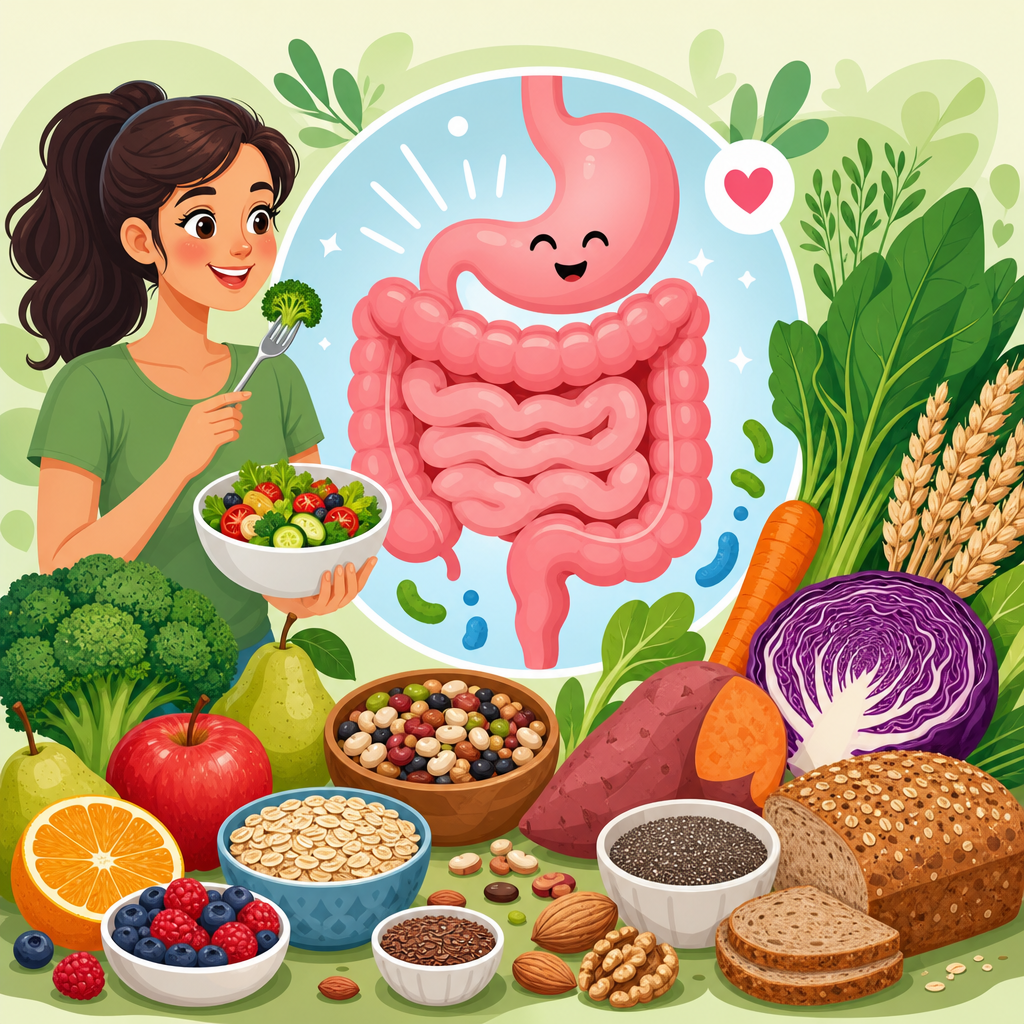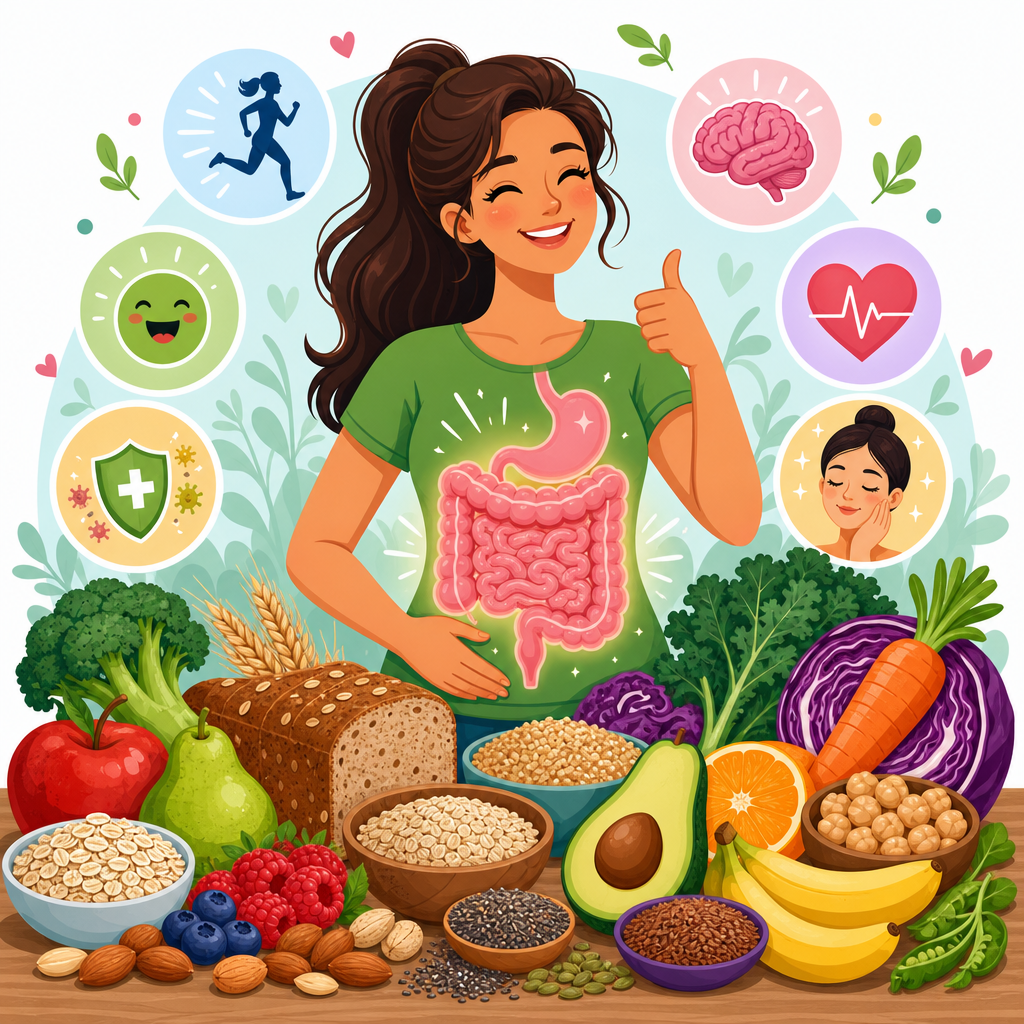
Dietary fiber and digestive health shape far more than bowel regularity; they influence blood sugar control, cholesterol levels, appetite, immune signaling, and even mood through the gut-brain axis. Fiber refers to the parts of plant foods that resist digestion in the small intestine and reach the colon largely intact, where they add bulk, slow absorption, or become food for beneficial microbes. Digestive health is the efficient breakdown of food, absorption of nutrients, normal movement through the gastrointestinal tract, and a balanced intestinal environment without persistent symptoms such as constipation, diarrhea, bloating, reflux, or abdominal pain. Together, these concepts matter because the gut is not an isolated system. In practice, when I help people improve food quality, increasing fiber is often the single change that produces the widest benefits, from steadier energy to easier weight management and more predictable digestion.
Most adults fall short of recommended intake. In the United States, women generally need about 25 grams of fiber daily and men about 38 grams, though needs vary by age, total calorie intake, and medical conditions. Yet average intake is commonly around 15 grams per day. That gap matters because low-fiber diets are associated with higher risk of constipation, diverticular disease, cardiovascular disease, type 2 diabetes, and poorer microbiome diversity. A strong dietary fiber and digestive health strategy starts with understanding the major fiber types, where they are found, and how they function inside the body. Soluble fiber dissolves in water and forms a gel-like material; insoluble fiber adds bulk and helps stool move through the intestines. Fermentable fibers, including inulin, resistant starch, and some oligosaccharides, are broken down by gut bacteria into short-chain fatty acids such as butyrate, acetate, and propionate, compounds with important metabolic and anti-inflammatory roles.
This topic also deserves a hub-level view because digestive wellness depends on more than one food list. Fiber intake interacts with hydration, meal patterns, activity levels, stress, medications, and specific diagnoses like irritable bowel syndrome, inflammatory bowel disease, celiac disease, or pelvic floor dysfunction. Someone with chronic constipation may benefit from psyllium and more fluids, while someone with active Crohn’s disease during a flare may temporarily tolerate lower-fiber foods better. The right question is not whether fiber is good in the abstract; it is which fiber, how much, how quickly to increase it, and in what health context. That practical perspective helps people make changes that stick instead of chasing trends.
What Dietary Fiber Does in the Digestive Tract
Fiber works through several mechanisms at once. Insoluble fiber, found in foods like wheat bran, nuts, seeds, and many vegetable skins, increases stool bulk and can shorten transit time through the colon. This helps prevent hard, dry stools and supports regular bowel movements. Soluble fiber, present in oats, barley, beans, lentils, apples, citrus, and psyllium, absorbs water and creates viscosity. That gel slows gastric emptying and carbohydrate absorption, which can reduce post-meal glucose spikes and prolong fullness. In the colon, fermentable fibers feed resident bacteria. A healthier microbial balance supports the intestinal barrier, influences inflammation, and helps maintain stool consistency.
One of the clearest examples is psyllium husk. Clinically, it is useful because it is gel-forming and can help both constipation and mild diarrhea by normalizing stool water content. Oats and barley contain beta-glucan, a soluble fiber with established cholesterol-lowering effects. Legumes provide a combination of soluble and insoluble fibers plus resistant starch, which often improves satiety and supports beneficial fermentation. Green bananas, cooked-and-cooled potatoes, and cooked-and-cooled rice supply resistant starch that bypasses small-intestinal digestion and nourishes colonic microbes. These are not niche foods; they are practical tools that make dietary fiber and digestive health recommendations actionable.
Fiber also influences the structural and chemical environment of the gut. Fermentation produces short-chain fatty acids, especially butyrate, the preferred fuel source for colon cells. Butyrate supports mucosal integrity and may help regulate inflammatory pathways. A resilient gut lining matters because it separates the contents of the intestine from the rest of the body while still allowing nutrient absorption. When dietary patterns are low in plant diversity and high in ultra-processed foods, microbiome diversity often declines. That does not mean every digestive symptom is a microbiome issue, but it does mean a consistent intake of varied fiber sources usually strengthens the system over time.
Best Food Sources of Fiber and How to Build Meals Around Them
The best fiber foods are minimally processed plant foods eaten in varied combinations across the day. Beans, lentils, chickpeas, split peas, oats, barley, berries, pears, apples, avocados, broccoli, carrots, Brussels sprouts, chia seeds, flaxseeds, almonds, and whole grains all contribute meaningful amounts. The easiest way to improve dietary fiber and digestive health is to layer sources rather than relying on one “superfood.” For breakfast, oatmeal with chia seeds, berries, and ground flax can provide more than 10 grams. For lunch, a lentil soup with a side salad and whole grain bread can add another 12 to 15 grams. Dinner built around roasted vegetables, quinoa, and black beans can easily supply another 10 grams.
Food labels can help, but they do not tell the whole story. A packaged cereal may advertise added fiber, yet offer little nutritional value if it is mostly refined starch and sweeteners. I generally advise prioritizing naturally fiber-rich foods first because they bring vitamins, minerals, polyphenols, and a broader range of fermentable substrates. Added fibers such as inulin, chicory root fiber, or polydextrose can help raise totals, but some people experience gas or cramping from them. Whole foods are usually better tolerated and support more complete nutrition patterns.
| Food | Typical Serving | Approximate Fiber | Digestive Benefit |
|---|---|---|---|
| Lentils, cooked | 1 cup | 15 to 16 g | Supports regularity and microbiome fermentation |
| Black beans, cooked | 1 cup | 15 g | Adds bulk, satiety, and resistant starch |
| Oats, dry | 1/2 cup | 4 g | Provides beta-glucan for cholesterol and fullness |
| Psyllium husk | 1 tablespoon | 5 to 7 g | Helps normalize stool form |
| Raspberries | 1 cup | 8 g | High fiber fruit with good tolerance for many people |
| Chia seeds | 2 tablespoons | 10 g | Absorbs water and increases stool softness |
| Pear with skin | 1 medium | 5 to 6 g | Combines soluble and insoluble fiber |
| Broccoli, cooked | 1 cup | 5 g | Adds bulk and beneficial plant compounds |
Variety matters because different fibers perform different jobs. A meal pattern heavy in bran cereal may improve stool bulk but still miss the fermentable fibers found in legumes, alliums, oats, and fruit. Conversely, getting most fiber from a few bars or supplements may overlook plant diversity that supports a broader microbial ecosystem. A practical target is to include one legume food, one whole grain, two fruits, several vegetables, and one seed or nut source most days. That approach raises intake steadily without making digestion feel like a chemistry experiment.
How Fiber Affects Constipation, Diarrhea, Bloating, and IBS
People often search dietary fiber and digestive health because they want symptom relief, not theory. For constipation, the strongest basics are enough total fiber, enough fluid, and regular movement. Fiber without adequate hydration can worsen hard stools, especially when intake rises quickly. Soluble, gel-forming fiber such as psyllium often works better than coarse bran when stools are difficult to pass. Kiwifruit, prunes, and ground flax can also help because they combine fiber with water-holding compounds and, in the case of prunes, sorbitol. Walking after meals and responding to the body’s urge to go are simple but overlooked factors.
For diarrhea, the answer depends on cause. Infectious diarrhea, medication side effects, bile acid issues, inflammatory disease, and food intolerances require different approaches. Still, soluble fiber can be useful because it absorbs excess water and improves stool consistency. During acute symptoms, lower-fat, simpler foods may be better tolerated, then fiber can be rebuilt gradually. Chronic diarrhea should not be self-treated indefinitely; red flags such as weight loss, blood in stool, nighttime symptoms, fever, or anemia need medical evaluation.
Bloating is where nuance matters most. A sudden jump from 10 grams to 30 grams of fiber can create gas because gut microbes rapidly ferment new substrates. Beans, onions, garlic, wheat, and certain fruits contain fermentable carbohydrates that are nutritious but can provoke symptoms in susceptible people. In irritable bowel syndrome, some patients tolerate soluble fiber well but feel worse with large amounts of wheat bran. A structured low-FODMAP protocol, used short term and followed by careful reintroduction, can identify triggers without unnecessarily cutting out fiber-rich foods forever. In practice, better digestive health often comes from changing the dose, form, and pace of fiber intake rather than abandoning fiber entirely.
Fiber, the Microbiome, and Whole-Body Health
The most important reason dietary fiber and digestive health influence overall well-being is that the colon is metabolically active. Gut microbes break down fermentable fiber into short-chain fatty acids that affect local and systemic physiology. Butyrate nourishes colonocytes and supports the intestinal barrier. Propionate is involved in liver metabolism and may influence appetite signaling. Acetate circulates more widely and participates in energy metabolism. These compounds help explain why high-fiber diets are linked with benefits beyond digestion.
Cardiometabolic health is a major example. Soluble fiber can reduce low-density lipoprotein cholesterol by binding bile acids and increasing their excretion, prompting the liver to use more cholesterol to make new bile. Beta-glucan from oats and barley and psyllium are especially well studied. Fiber also slows carbohydrate absorption, improving postprandial glucose response. In weight management, high-fiber foods tend to require more chewing, add volume, and increase satiety relative to their calorie content. People usually feel fuller on lentils, potatoes, apples, and oats than on refined snack foods with similar calories.
The gut-brain connection is another reason this topic belongs in any serious Nutrition Basics hub. Digestive discomfort changes daily life, but the relationship also runs in the other direction: stress can alter motility, pain sensitivity, and bowel patterns. Diets rich in diverse plant fibers appear to support a more stable microbial environment, which may influence neurotransmitter production and immune signaling. The evidence is still evolving, and fiber is not a mental health treatment, but digestive stability often improves sleep, concentration, and quality of life in ways people notice quickly.
How to Increase Fiber Safely and When to Use Supplements
The safest and most effective way to increase fiber is gradually. I usually recommend adding 3 to 5 grams per day for a week, then increasing again based on tolerance. At the same time, increase fluids, especially if you are adding psyllium, bran, chia, or flax. A sample progression might be oatmeal at breakfast in week one, beans at lunch in week two, extra vegetables at dinner in week three, and fruit or seeds as snacks in week four. This staged approach reduces cramping and lets the microbiome adapt.
Supplements have a place, but they should solve a specific problem. Psyllium is the best general option for improving stool form and boosting soluble fiber. Wheat dextrin, methylcellulose, partially hydrolyzed guar gum, and inulin are also used, though tolerance varies. Inulin and chicory root can be highly fermentable and may worsen gas in sensitive individuals. Fiber gummies and fortified snack bars may help numerically, but they do not replace legumes, whole grains, fruit, and vegetables. If you have a history of bowel obstruction, narrowing of the gut, severe motility disorders, or swallowing problems, fiber supplements require medical guidance.
There are also times when temporarily lowering fiber is appropriate. Before a colonoscopy, after some gastrointestinal surgeries, during a bowel obstruction, or in an inflammatory bowel disease flare with stricturing, low-residue or low-fiber diets may be medically necessary. That does not mean fiber is harmful in general; it means clinical context matters. Long term, the goal is usually to return to the broadest tolerated diet because restrictive eating can reduce nutrient intake and make symptoms harder to interpret.
Common Mistakes and a Smarter Long-Term Strategy
The biggest mistake is treating fiber as a single number instead of a pattern. Hitting 30 grams through cereal, supplements, and bars is not the same as getting it from beans, oats, berries, vegetables, nuts, and seeds. Another mistake is increasing intake too fast and concluding that fiber “does not work.” Digestion responds to consistency and pacing. A third common error is ignoring the basics that make fiber effective: hydration, movement, adequate sleep, and attention to symptoms that suggest an underlying disorder.
For a durable plan, build meals from recognizable plant foods, diversify sources across the week, and adjust based on your symptoms and medical history. Track what happens to stool frequency, stool form, bloating, and energy for two to three weeks after each change. If constipation persists despite adequate fiber and fluids, or if symptoms include pain, bleeding, persistent reflux, unexplained weight loss, or anemia, seek evaluation rather than experimenting endlessly. Dietary fiber and digestive health improve overall well-being because they create a more resilient internal environment, not because one ingredient fixes everything. Start with one additional fiber-rich food each day, increase gradually, and let your gut adapt to a better routine.
Frequently Asked Questions
What is dietary fiber, and why is it so important for digestive health and overall well-being?
Dietary fiber is the portion of plant-based foods that the body does not fully break down in the small intestine. Instead of being digested like fats, proteins, or simple carbohydrates, fiber moves through the digestive tract largely intact, where it performs several valuable functions. Some types of fiber add bulk to stool and help food move more efficiently through the intestines, while others dissolve in water to form a gel-like substance that can slow digestion and support steadier blood sugar levels. Certain fibers also serve as fuel for beneficial gut bacteria in the colon, helping produce compounds that support the intestinal lining and influence broader aspects of health.
This matters because digestive health is about much more than avoiding constipation. A healthy digestive system supports efficient nutrient absorption, comfortable bowel function, and a balanced gut environment. When fiber intake is adequate, it can help maintain regularity, reduce strain during bowel movements, and support a healthier balance of intestinal microbes. That microbial balance has ripple effects throughout the body, including immune function, inflammation regulation, and communication along the gut-brain axis. In practical terms, getting enough fiber can support heart health, appetite control, metabolic health, and even mood. That is why fiber is widely considered one of the most important, yet often under-consumed, components of a healthy diet.
How does fiber affect blood sugar, cholesterol, and appetite?
Fiber has a direct influence on several major systems that shape long-term health. Soluble fiber, which is found in foods such as oats, beans, lentils, apples, and barley, can help slow the digestion and absorption of carbohydrates. This leads to a more gradual rise in blood sugar after meals rather than a sharp spike followed by a crash. Over time, that steadier response can support energy levels, help with blood sugar management, and contribute to better metabolic health overall.
Fiber also plays a meaningful role in cholesterol control. Soluble fiber can bind with bile acids in the digestive tract, prompting the body to use cholesterol to make more bile. This process can help lower LDL, often called “bad” cholesterol, which is one reason high-fiber eating patterns are consistently associated with better cardiovascular health. In addition, fiber-rich foods tend to be more filling because they add volume to meals and often take longer to chew and digest. That combination can help regulate appetite, increase satiety, and reduce the urge to overeat. Rather than acting like a quick fix, fiber supports blood sugar balance, cholesterol management, and fullness in a steady, sustainable way that fits into everyday eating habits.
What is the connection between digestive health, gut bacteria, and the immune system?
The digestive tract is home to trillions of microorganisms, collectively known as the gut microbiome. These bacteria and other microbes are not just passive residents; they actively help break down certain food components, produce beneficial compounds, and interact with the immune system. Fiber is especially important here because some forms of it act as prebiotics, meaning they nourish helpful bacteria in the colon. When these microbes ferment fiber, they produce short-chain fatty acids and other substances that help maintain the integrity of the gut lining and support a balanced inflammatory response.
This relationship is important because a large portion of the immune system is closely tied to the gut. A healthy digestive environment helps the body distinguish between harmless substances and real threats, reducing the chance of unnecessary immune activation. When digestive health is compromised, whether through poor diet, chronic stress, lack of fiber, or other factors, the gut environment can become less balanced. That may affect how well the immune system functions and can contribute to discomfort, irregularity, or inflammation. Supporting digestive health with fiber-rich foods, adequate hydration, and a varied diet is one of the most practical ways to encourage a more resilient gut ecosystem and, by extension, better immune support.
Can fiber and digestive health really influence mood and mental well-being?
Yes, and this is one of the most fascinating areas of nutrition science. The gut and brain communicate constantly through what is often called the gut-brain axis, a network involving nerves, hormones, immune signals, and microbial byproducts. When digestion is working well and the gut microbiome is well supported, that communication tends to be more balanced. Fiber helps by feeding beneficial microbes that produce compounds linked to gut health and broader physiological regulation. These compounds may influence inflammation, stress responses, and signaling pathways that affect how we feel mentally and emotionally.
Digestive comfort also has a very practical effect on mood. Bloating, constipation, irregular digestion, or frequent discomfort can interfere with sleep, concentration, and everyday quality of life. On the other hand, regular bowel habits and a more stable digestive system often support better daily functioning and a greater sense of well-being. While fiber is not a stand-alone treatment for anxiety, depression, or other mental health concerns, a diet that supports digestive health can be a meaningful part of a whole-person wellness strategy. In other words, taking care of the gut is not just about digestion; it can influence how the body and mind function together.
What are the best ways to increase fiber intake without causing digestive discomfort?
The most effective way to increase fiber is to do it gradually and consistently. Jumping from a very low-fiber diet to a very high-fiber diet too quickly can lead to gas, bloating, or cramping because the digestive system and gut bacteria need time to adjust. A better approach is to add fiber-rich foods step by step, such as including fruit at breakfast, vegetables at lunch and dinner, beans or lentils a few times per week, and whole grains in place of more refined options. Nuts, seeds, oats, berries, pears, chickpeas, and leafy greens are all excellent choices that support both fiber intake and overall nutrient quality.
Hydration is also essential. Fiber works best when there is enough fluid in the digestive system, especially for fibers that add bulk to stool. Without adequate water intake, some people may feel more constipated rather than less. It also helps to vary fiber sources instead of relying on just one food or supplement, since different types of fiber offer different benefits. In many cases, a diverse, plant-forward eating pattern is the most practical way to support digestive health. If someone has a digestive condition such as irritable bowel syndrome, inflammatory bowel disease, or a history of significant gastrointestinal symptoms, it is wise to personalize fiber intake with guidance from a qualified healthcare professional. The goal is not simply to eat more fiber, but to do so in a way that improves regularity, comfort, and long-term well-being.