In recent years, the understanding of how micronutrients such as vitamins and minerals impact health and prevent disease has significantly evolved. Micronutrients are crucial elements required by the body in small quantities for a variety of physiological functions. They are vital for maintaining health, boosting the immune system, ensuring proper growth and development, and assisting in the body’s repair mechanisms. However, their role extends beyond just maintenance of basic health; they play a critical role in disease prevention as well.
Vitamins and minerals, in particular, are essential for metabolic processes, cellular efficiency, and overall body function. They act as antioxidants, protecting the body from the effects of oxidative stress by neutralizing free radicals, which play a part in chronic diseases, including heart disease, cancer, and neurodegenerative disorders. Moreover, deficiencies in these micronutrients have been linked to an increased risk of developing many diseases, making them a focal point of nutritional research.
This article delves into the intricate connection between micronutrients—specifically vitamins and minerals—and disease prevention. We will explore the various mechanisms by which these essential nutrients contribute to health and the consequences of their deficiencies. Understanding this relationship provides invaluable insights into how dietary choices can influence disease risk, thus emphasizing the importance of adequate nutrition in public health strategies.
Roles and Importance of Vitamins in Disease Prevention
Vitamins are organic compounds categorized into water-soluble and fat-soluble groups, each serving unique functions in the body. Water-soluble vitamins, such as vitamin C and the B-vitamins, are not stored in the body and thus require regular replenishment through diet. Fat-soluble vitamins, including vitamins A, D, E, and K, are stored in fatty tissues and liver, allowing the body to draw upon these reserves when needed.
Vitamin C, known for its antioxidant properties, plays an essential role in disease prevention. By combating oxidative stress, it aids in the protection of the cardiovascular system, reducing the risk of heart disease. It also boosts immune function, enhancing the body’s defense against pathogens, thereby preventing infections. Moreover, there is evidence suggesting its role in decreasing the risk of chronic diseases such as cancer by preventing damage to cells and DNA.
The B-vitamins, particularly B6, B12, and folate, are crucial in maintaining brain health and preventing cognitive decline. Folate is vital during pregnancy for preventing neural tube defects. These vitamins are also involved in lowering homocysteine levels in the blood, which is associated with a reduced risk of heart disease.
Vitamin A is vital for vision and immune function. Its role in gene expression impacts the growth and differentiation of cells, keeping epithelial tissues healthy and preventing infections. Beta-carotene, a precursor to vitamin A, also functions as an antioxidant, thereby reducing the risk of certain cancers and age-related macular degeneration.
Vitamin D stands out for its multifaceted role in disease prevention. It is crucial for calcium absorption and bone health, thus preventing rickets in children and osteoporosis in adults. But beyond bone health, adequate vitamin D levels are linked with a lowered risk of autoimmune diseases, such as multiple sclerosis, and certain types of cancer due to its ability to modulate cell growth and immune function.
Vitamin E acts as a powerful antioxidant, protecting cells from damage by free radicals. It also enhances immune function and is thought to lower the risk of heart disease by preventing LDL cholesterol oxidation. There is ongoing research into its potential role in preventing diseases like Alzheimer’s and cataracts, due to its neuroprotective effects.
Minerals: Essential Elements for Disease Prevention
Minerals, like vitamins, are vital micronutrients that play significant roles in numerous physiological processes, including enzyme function, bone formation, and fluid balance. They are categorized into macro-minerals and trace elements based on the body’s requirements.
Calcium is the most abundant mineral in the body, essential for maintaining strong bones and teeth. It plays a role in vascular contraction, vasodilation, muscle function, nerve transmission, and hormonal secretion. Adequate calcium intake throughout life is crucial in preventing osteoporosis and reducing fracture risk.
Magnesium is involved in several hundred enzymatic reactions. Its deficiency can lead to disruptions in skeletal muscle and blood glucose control. Emerging research suggests that magnesium may help regulate blood pressure, reduce inflammation, and decrease the risk of coronary heart disease by maintaining healthy endothelial function.
Iron is fundamental for oxygen transport and DNA synthesis. Iron deficiency, or anemia, is prevalent worldwide and is associated with fatigue, diminished immune function, and impaired cognitive development. Adequate iron levels are particularly vital during periods of rapid growth and pregnancy.
Zinc is critical for immune function, protein synthesis, wound healing, DNA synthesis, and cell division. It also has been shown to reduce the duration and severity of the common cold and may provide protective benefits against age-related diseases due to its role in cellular protective mechanisms.
Selenium, though required in small amounts, plays a critical antioxidant role as a component of selenoproteins, which reduce oxidative stress. Its deficiency has been associated with an increased risk of cardiovascular disease and cancers, while adequate selenium intake is linked to enhanced immune response.
Impact of Micronutrient Deficiencies on Health
Deficiencies in essential vitamins and minerals can have profound implications on health, leading to a variety of diseases. For instance, vitamin D deficiency is increasingly recognized as an epidemic linked to osteoporosis, certain cancers, cardiovascular disease, diabetes, and multiple sclerosis. A lack of vitamin A remains a leading cause of preventable childhood blindness and increases the susceptibility to infectious diseases such as measles.
Iron deficiency anemia is the most widespread nutritional disorder, primarily impacting women and children. It leads to fatigue and decreased cognitive and physical performance. Similarly, iodine deficiency remains a significant public health issue worldwide, affecting thyroid function and leading to developmental disorders.
Vitamin B12 deficiency can lead to pernicious anemia and neurological complications, including memory loss. Older adults are at risk due to diminished absorption capability, necessitating dietary monitoring. Folate deficiency during pregnancy can result in neural tube defects, underscoring the importance of adequate preconception nutrition.
Overall, micronutrient deficiencies undermine normal physiological functions and compromise the body’s ability to combat disease, highlighting the importance of a balanced diet rich in vitamins and minerals.
Conclusion
The proactive management of vitamin and mineral intake is fundamental in reducing the burden of chronic diseases and promoting optimal health. Ensuring a balanced diet that supplies all necessary micronutrients demonstrates the axiom that “prevention is better than cure.” As nutritional science continues to unravel the complexities of micronutrient pathways and their associations with diseases, the outlook for preventing disease with appropriate dietary strategies becomes more promising.
Understanding the critical roles vitamins and minerals play in cellular function, immune response, and antioxidant defense empowers individuals and public health initiatives to make informed choices. These choices strive to address deficiencies that are often subtle but have significant long-term health repercussions. Accordingly, the emphasis on dietary education and access to nutrient-rich foods cannot be overstated in an era where non-communicable diseases are increasingly prevalent.
In summary, the intersection of micronutrients and disease prevention underscores a profound opportunity to enhance health outcomes globally. Promoting awareness and enabling adequate intake of these fundamental dietary components provide a robust foundation for a healthier population and reduced health care costs.
Frequently Asked Questions
1. What is the role of micronutrients like vitamins and minerals in preventing diseases?
Micronutrients, including vitamins and minerals, play a pivotal role in the maintenance of health and the prevention of diseases. These essential nutrients are required in small quantities yet are crucial for numerous physiological functions. For instance, they support the immune system—helping to fend off infections and illnesses—and are involved in the synthesis of different enzymes and hormones that regulate body processes. Furthermore, specific micronutrients are linked to disease prevention: for example, adequate vitamin D levels are associated with a reduced risk of bone fractures and osteoporosis. Similarly, antioxidants such as vitamins C and E help to neutralize free radicals, which can reduce oxidative stress and the associated risk of chronic diseases like heart disease and cancer. Ensuring an adequate intake of all essential micronutrients can help in reducing the risk of deficiencies and their associated health issues, laying the foundation for long-term health and wellbeing.
2. How do deficiencies in specific vitamins or minerals lead to health problems?
Deficiencies in vitamins and minerals can lead to a range of health problems, each depending on the specific nutrient involved. For instance, a deficiency in vitamin C can lead to scurvy, characterized by fatigue, swollen gums, and joint pain. Similarly, insufficient iron levels can cause anemia, marked by symptoms such as fatigue, weakness, and impaired cognitive function. Calcium deficiency can result in weakened bones and an increased risk of osteoporosis and fractures. It’s essential to understand that these nutrients play interconnected roles in the body. For example, vitamin D enhances calcium absorption, so a deficiency in vitamin D can indirectly contribute to calcium deficiency. The consequences of deficiencies are not limited to physical symptoms—they can also impair mental health. A lack of certain B vitamins, such as B12, is associated with neurological issues, mental fog, and even depression. Thus, maintaining a balanced diet rich in all necessary vitamins and minerals is key to preventing these health problems.
3. Can consuming too many vitamins and minerals be harmful?
Absolutely, while vitamins and minerals are essential for health, an excess can indeed be detrimental, a phenomenon known as hypervitaminosis or mineral toxicity. Water-soluble vitamins, like those in the B-complex group and vitamin C, are generally excreted in urine, so excessive amounts are less likely to cause harm. However, fat-soluble vitamins such as A, D, E, and K, accumulate in the body and can potentially lead to toxic levels. For example, excessive vitamin A intake may lead to liver damage and reduced bone density, while too much vitamin D can result in hypercalcemia, causing kidney stones and cardiovascular problems. Regarding minerals, excess iron can lead to organ damage, while too much zinc might interfere with the absorption of other important minerals like copper. Therefore, it’s crucial to consume these nutrients in moderation, preferably through a balanced diet, and to only take supplements when recommended by a healthcare professional.
4. What are some of the best dietary sources of key vitamins and minerals for disease prevention?
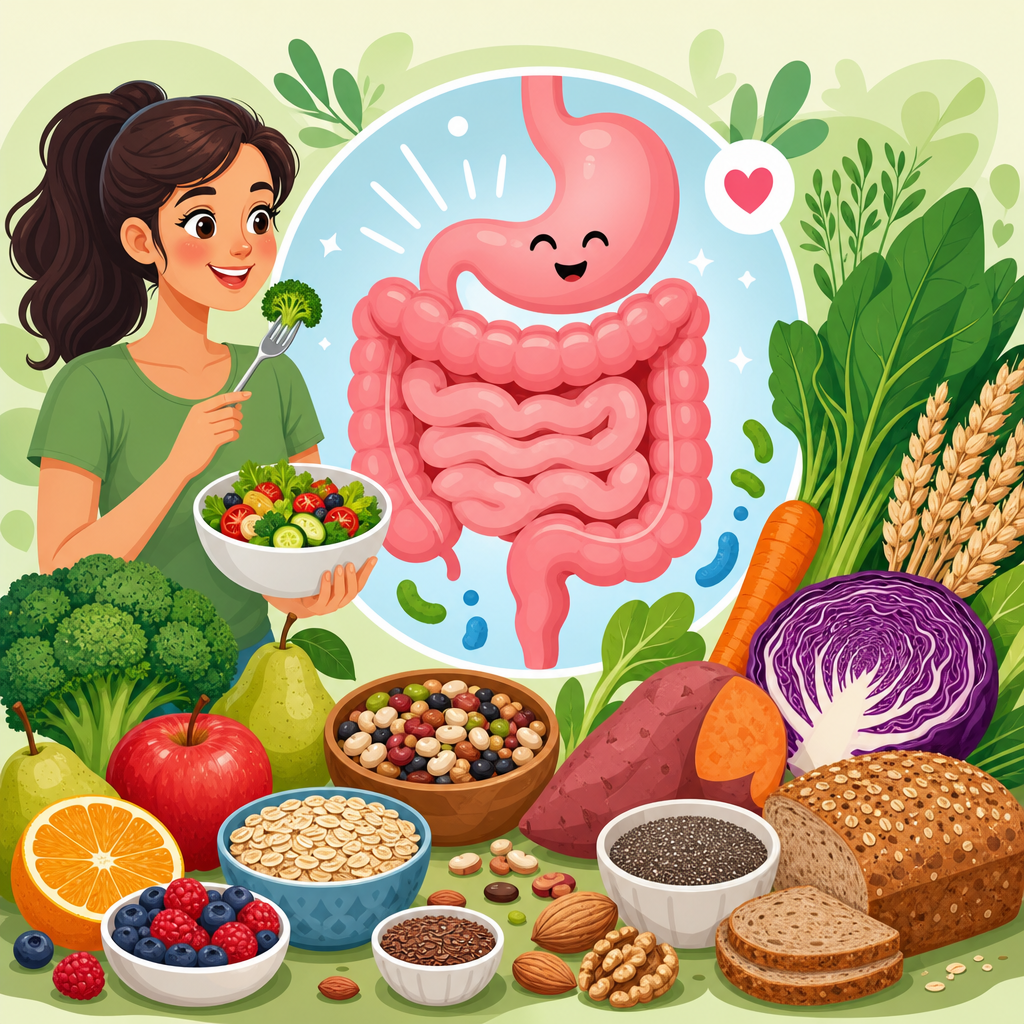
A variety of foods serve as excellent sources of the essential vitamins and minerals your body needs for disease prevention. Leafy green vegetables, such as spinach and kale, are rich in vitamins A, C, E, and K, as well as minerals like iron and calcium. Citrus fruits are well-known for their high vitamin C content, crucial for boosting immunity. Fish, particularly fatty varieties like salmon, are loaded with vitamin D and omega-3 fatty acids, which are beneficial for heart health. Nuts and seeds are great sources of vitamin E and magnesium, promoting brain and heart health. Dairy products like milk and yogurt are fortified with vitamin D and a good source of calcium for strong bones. Legumes and whole grains provide a bounty of B vitamins, along with fiber that supports digestive health. The key is in variety and balance, ensuring you consume a broad spectrum of foods to cover all your micronutrient needs naturally.
5. Are supplements necessary for meeting daily vitamin and mineral needs?
While supplements can be beneficial in certain circumstances, they are not necessary for everyone. The best way to meet your daily vitamin and mineral needs is through a balanced and varied diet rich in whole foods. However, there are specific situations where supplements might be advised. For instance, individuals with dietary restrictions, such as vegans or vegetarians, might need a B12 supplement, as this vitamin is primarily found in animal products. Pregnant women are often advised to take folic acid to prevent birth defects. Those living in regions with limited sunlight exposure might benefit from vitamin D supplementation. People with diagnosed nutrient deficiencies or absorption issues may also require targeted supplementation, as recommended by their healthcare provider. It’s crucial to approach supplements with caution—they should not replace a healthy diet but rather complement it when necessary. Always consult with a healthcare professional before starting any supplementation to ensure it’s tailored to your unique health needs.