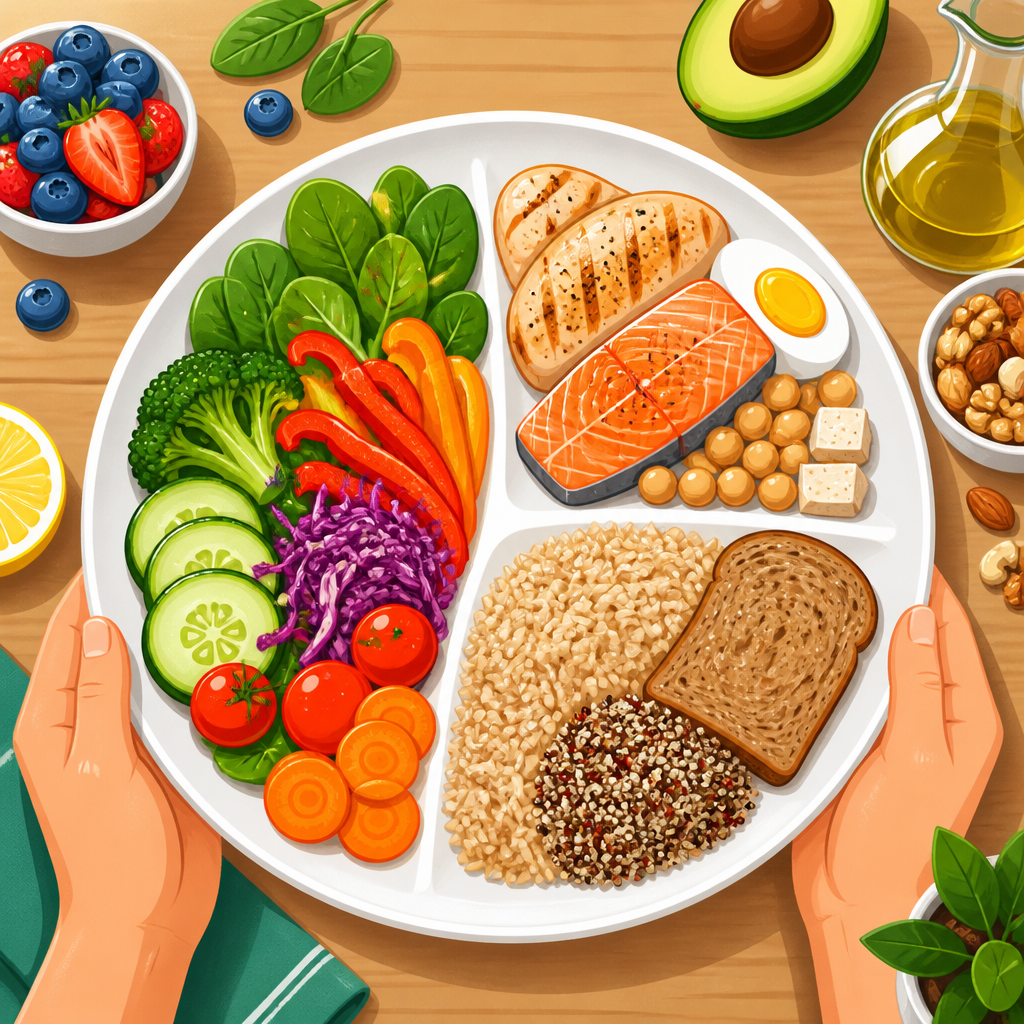
Building a balanced plate without tracking macros is one of the simplest, most sustainable ways to eat well, support energy, and improve body composition without turning every meal into math. A balanced plate means each meal contains a useful mix of carbohydrates, protein, and fat, along with fiber, fluids, and enough total food to match your needs. Macronutrients are the nutrients your body needs in large amounts: carbohydrates provide readily available fuel, protein supplies amino acids for repair and maintenance, and fats support hormones, cell membranes, and absorption of fat-soluble vitamins. This approach matters because most people do not fail at nutrition from lack of information; they struggle because detailed tracking is hard to maintain during workweeks, family meals, travel, and stress. In practice, I have found that people make better choices when they can look at a plate and recognize what is missing. Instead of counting grams, they learn a visual system they can repeat anywhere: at home, in a restaurant, at a cafeteria line, or while assembling a quick meal from convenience foods. That makes balanced eating more consistent, and consistency is what produces results.
The core idea is straightforward: build meals around visible portions of protein, high-fiber carbohydrates, produce, and satisfying fats, then adjust based on hunger, activity, and goals. This article serves as a hub for understanding macronutrients in plain terms while keeping the focus on practical eating. You will learn what each macronutrient does, how to combine them on one plate, how portion cues work, and how to tailor meals for weight loss, maintenance, muscle gain, blood sugar control, or endurance training. You will also see where common confusion comes from. Carbohydrates are not inherently fattening, protein is not only for athletes, and fat is not the enemy of a healthy diet. The quality, amount, and context of each matter. Organizations such as the USDA, Academy of Nutrition and Dietetics, and American Diabetes Association all emphasize balanced meals, whole foods, and flexible patterns over rigid perfection. That is good news, because balanced plate eating can be evidence-based and realistic at the same time.
What a balanced plate looks like in real life
A balanced plate is a visual template, not a strict rule. For most main meals, aim for about half the plate from vegetables or fruit, one quarter from protein-rich foods, and one quarter from carbohydrate-rich foods, with some fat included through the cooking method or a side. That resembles the MyPlate framework, but in real life I often refine it further by asking three questions: Where is the protein? Where is the fiber? Where is the staying power? For example, grilled salmon, roasted potatoes, and broccoli tossed with olive oil creates a plate with protein, carbohydrate, fiber, and fat. So does a burrito bowl with rice, black beans, chicken, fajita vegetables, salsa, guacamole, and lettuce. Breakfast can fit the same pattern: Greek yogurt with berries, oats, chia seeds, and walnuts is balanced even though it does not look like a lunch or dinner plate.
This visual method works because meals that contain all three macronutrients usually digest at a steadier pace and keep people full longer than meals built around only one. Compare a plain bagel with cream cheese to a bagel with eggs and fruit. The second option has more protein, more fiber, and better satiety. Or compare a salad made only of greens and vinaigrette with a salad that adds chickpeas, chicken, quinoa, avocado, and crunchy vegetables. The second meal is more likely to prevent a midafternoon energy crash because it supplies more total nutrition and a broader spread of macronutrients. The balanced plate does not mean every meal must be perfect. It means most meals should have an intentional structure.
Carbohydrates: your body’s preferred quick fuel
Carbohydrates are often misunderstood, but they are a primary energy source for the brain, central nervous system, and working muscles. During higher-intensity exercise, your body relies heavily on glycogen, the stored form of carbohydrate in muscles and the liver. Carbohydrates also come packaged with valuable nutrients when you choose minimally processed sources such as fruit, beans, lentils, potatoes, oats, rice, whole grain bread, quinoa, and dairy foods. The most useful distinction is not “carbs versus no carbs” but rather fiber-rich, nutrient-dense carbohydrate sources versus highly refined foods that digest quickly and are easy to overeat. White bread, pastries, sugary drinks, and candy are not equivalent to beans, berries, or sweet potatoes, even though all contain carbohydrate.
On a balanced plate, carbohydrate portions should generally match your activity level and appetite. Someone with a desk job and little training may do well with a smaller serving of rice or pasta and a larger serving of vegetables. Someone lifting weights or running regularly may need a fuller portion of oats, potatoes, bread, or fruit to recover well and maintain performance. A practical cue is to include one cupped hand of cooked grains, beans, pasta, or starchy vegetables at a meal, then scale up or down. Signs you may need more carbohydrate include dragging energy during workouts, persistent cravings at night, and feeling unsatisfied after otherwise healthy meals. Signs you may need less include repeatedly eating past fullness on refined starches and sweets. The answer is rarely to eliminate carbohydrates entirely; it is usually to improve the source, portion, and meal balance.
Protein: the anchor nutrient on a satisfying plate
Protein is the most common gap I see when people try to eat healthy without structure. They assemble meals with vegetables and healthy carbs, but not enough protein to support fullness, muscle repair, immune function, and healthy aging. Protein is made of amino acids, including nine essential amino acids that must come from food. Good sources include poultry, fish, eggs, Greek yogurt, cottage cheese, tofu, tempeh, edamame, lean beef, pork loin, seitan, beans, and lentils. Plant proteins can absolutely work, though some sources are lower in one or more essential amino acids, which is why variety matters across the day. Soy foods stand out because they provide a high-quality protein profile comparable to many animal proteins.
Without counting grams, make protein visible. For most adults, a palm-sized serving at meals is a reliable starting point, with larger portions often useful for athletes, taller individuals, or those in a calorie deficit who want to preserve lean mass. In practical terms, that looks like two eggs plus Greek yogurt at breakfast, a chicken breast or tofu block at lunch, or salmon, beans, or turkey meatballs at dinner. Protein also helps when meals include carbohydrate-rich foods. For example, oatmeal becomes more balanced when cooked with milk and topped with skyr, nuts, or seeds. Pasta works better as a meal when paired with shrimp, chicken, lentils, or a meat sauce than when eaten plain with a little marinara. If you routinely feel hungry an hour after eating, increasing protein is often the fastest fix.
Fats: essential, satisfying, and easy to underuse or overdo
Dietary fat has important jobs: it supports hormone production, provides essential fatty acids, helps absorb vitamins A, D, E, and K, and improves flavor and texture. Fat is not optional, but it is calorie-dense, which means portions matter. A balanced plate usually includes a moderate amount from foods such as olive oil, avocado, nuts, seeds, tahini, peanut butter, cheese, eggs, or fatty fish like salmon and sardines. These foods increase satisfaction and help meals feel complete. They are especially useful when a plate is built from very lean protein and high-fiber vegetables, which can otherwise feel dry or unsatisfying.
The challenge with fat is that it can disappear from a meal or quietly pile up. A salad with no fat may leave you hungry; the same salad with generous dressing, cheese, nuts, avocado, and fried protein may become far more energy-dense than intended. This is why visual awareness beats blind health labels. A thumb-sized portion of oils, butter, nut butter, or mayonnaise is a useful starting point, while a small handful works for nuts and seeds. Quality matters too. Unsaturated fats from olive oil, nuts, seeds, and fish are associated with better cardiovascular outcomes than patterns dominated by trans fats and frequent deep-fried foods. Saturated fat is not poisonous, but it should fit within an overall pattern centered on whole foods and fiber.
How to combine carbs, protein, and fats at meals
The easiest way to build a balanced plate is to choose your protein first, add produce second, then include a carbohydrate and a fat source. This sequence prevents the common mistake of building meals around bread, cereal, crackers, or pasta and treating protein as an afterthought. In a grain bowl, start with chicken, tofu, tuna, or beans. Add vegetables for color and fiber. Then include rice, quinoa, or roasted potatoes, and finish with olive oil dressing, avocado, or seeds. In a sandwich, think beyond the bread: include substantial turkey, chicken, egg, tuna, tempeh, or hummus, then stack vegetables and add a side of fruit or soup instead of another refined snack.
| Meal | Carbohydrate source | Protein source | Fat source | Produce |
|---|---|---|---|---|
| Breakfast bowl | Oats and berries | Greek yogurt | Walnuts or chia seeds | Berries |
| Lunch salad | Quinoa or chickpeas | Chicken or tofu | Olive oil dressing | Leafy greens, tomatoes, cucumbers |
| Dinner plate | Roasted potatoes | Salmon | Salmon and olive oil | Broccoli and carrots |
| Quick snack meal | Whole grain toast and fruit | Cottage cheese | Peanut butter | Apple slices |
Real meals do not need perfect symmetry. Chili can count as balanced when it combines beans, beef or turkey, vegetables, and toppings like avocado or yogurt. Stir-fry works when it includes rice or noodles, a generous protein, vegetables, and a measured sauce made with oil or sesame paste. Even pizza can be balanced by adding a side salad, choosing a protein topping, and noticing portion size. The skill is not memorizing rules; it is learning to spot what is absent. If a meal is mostly carbohydrate, add protein. If it is lean protein and vegetables only, add a starch or healthy fat so you feel satisfied. If it is rich and heavy, add produce and scale the dense parts appropriately.
Portion cues, hunger signals, and goal-based adjustments
Hand portions are useful because they travel with you. A palm of protein, a cupped hand of carbohydrates, a thumb of fats, and one to two fists of vegetables is a practical default for many adults. Precision is not the point; repeatability is. From there, use hunger and results to guide adjustments. If you are trying to lose body fat without tracking macros, keep protein high, emphasize vegetables and fruit, choose mostly fiber-rich carbohydrates, and be deliberate with fats and liquid calories. If you are trying to maintain weight, keep portions stable and prioritize meal regularity. If you want to gain muscle, increase protein and add extra carbohydrate around training, such as rice at dinner and fruit before or after workouts.
Blood sugar management also improves when meals are balanced. Pairing carbohydrates with protein, fiber, and fat slows digestion and can reduce sharp glucose swings compared with eating refined carbohydrates alone. That is why an apple with peanut butter tends to hold people better than juice, and why rice with salmon and vegetables often feels steadier than a large bowl of plain rice. For endurance exercise, however, there are times when faster-digesting carbohydrate is useful, such as before long runs or during events. Context matters. Balanced eating is not rigid eating. It is matching meal structure to your physiology, schedule, and goals.
Common mistakes when you stop tracking
The biggest mistake is assuming intuitive eating means unstructured eating. Most people benefit from some guardrails, especially if they have spent years eating by convenience, stress, or habit. Another common error is overestimating protein intake. A few nuts, a spoonful of hummus, or oat milk in coffee does not contribute enough protein to anchor a meal. People also underestimate energy-dense extras. Dressings, oils, nut butters, granola, trail mix, and restaurant sauces are nutritious in some contexts, but portions can expand quickly. Finally, many people swing too far in either direction with carbohydrates, either loading every meal with refined starch or cutting carbs so hard that they snack constantly later.
A better approach is to review meals honestly for patterns. If afternoons are rough, check lunch first. If late-night snacking is common, look at whether dinner included enough protein, carbohydrate, and total volume. If workouts feel flat, check whether you are chronically undereating carbohydrates. Balanced plate eating works because it is flexible enough to troubleshoot. Start with one meal per day, improve it, and build from there. Make your plate easier to read, and your nutrition decisions get easier to repeat.
A balanced plate without tracking macros gives you a durable way to eat well using visible cues instead of constant calculation. The fundamentals are clear: include a meaningful protein source, choose carbohydrate-rich foods that bring fiber and nutrients, add enough healthy fat for satisfaction, and fill much of the plate with produce. Then adjust portions based on activity, hunger, and goals. This method supports weight management, stable energy, exercise recovery, and long-term consistency because it works in ordinary life, not just inside a food log. It also builds real nutrition literacy. When you understand what carbs, proteins, and fats do, you can make better decisions anywhere, from grocery stores to restaurants to busy weeknights.
As a hub for macronutrients, this topic connects naturally to deeper questions about high-protein breakfasts, healthy carbohydrate choices, fats for heart health, meal timing, and portion control. But the big picture stays the same: every meal is a chance to create balance without obsession. Start by upgrading your next plate. Pick a protein, add produce, include a smart carbohydrate, finish with a sensible fat, and notice how you feel for the next few hours. That simple practice will teach you more than another week of overthinking nutrition.
Frequently Asked Questions
1. What does a balanced plate look like if I am not tracking macros?
A balanced plate is a simple visual way to make sure your meal includes the major nutrients your body needs without weighing, measuring, or logging every bite. In practice, that usually means building your plate around a source of protein, a source of carbohydrate, a source of fat, and at least one high-fiber food such as vegetables, fruit, beans, or whole grains. A very practical starting point is to fill about half your plate with vegetables or fruit, add a palm-sized portion of protein, include a cupped-hand portion of carbohydrate, and round out the meal with a thumb-sized portion of fat or a naturally fat-containing food. This is not a rigid formula, but it gives you structure.
For example, a balanced lunch could be grilled chicken, rice, roasted vegetables, and avocado. Breakfast might be eggs, toast, fruit, and yogurt. Dinner could be salmon, potatoes, salad, and olive oil dressing. The exact foods matter less than the overall mix. Protein helps with fullness, muscle repair, and steady energy. Carbohydrates provide fuel for your brain and body. Fat supports hormones, nutrient absorption, and satisfaction after eating. Fiber helps digestion and can make meals more filling and blood sugar responses more stable.
The real goal is not perfection. It is consistency. If most meals contain a useful mix of protein, carbs, fat, and fiber, you are likely covering the basics well. Over time, this approach becomes intuitive, which is why it is often more sustainable than macro tracking for people who want healthy structure without turning meals into a spreadsheet.
2. Can I improve body composition without counting calories or macros?
Yes, many people can improve body composition without tracking numbers, especially if they focus on meal quality, portions, hunger cues, and consistency. Body composition is influenced by more than just whether you log food. It is shaped by your total food intake over time, protein intake, activity level, strength training, sleep, stress, and how sustainable your eating habits are. A balanced plate supports this because it naturally encourages nutrient-dense meals that are satisfying and easier to regulate.
Protein is especially important here. When each meal includes enough protein, you are more likely to stay full, preserve or build lean mass with resistance training, and avoid the constant cycle of overeating and restriction. Fiber-rich carbohydrates such as fruit, potatoes, oats, beans, and whole grains can also help because they provide energy and fullness, making it easier to maintain a reasonable intake without obsessing over exact numbers. Including healthy fats in moderate amounts improves satiety and meal satisfaction, which can reduce mindless snacking later.
If your goal is fat loss, the key is usually creating a gentle calorie deficit without feeling deprived. Balanced plates help by reducing extremes. Meals that are built mostly around ultra-processed foods, very low protein, or minimal fiber are easier to overeat. In contrast, meals with lean protein, produce, and minimally processed carbs tend to be more filling. If your goal is muscle gain or better performance, a balanced plate still works well. You may simply increase overall portions, include carbohydrates more generously, and make sure protein appears regularly across the day.
The advantage of not tracking is that it teaches skills you can maintain long term: choosing balanced meals, recognizing hunger and fullness, eating enough to support recovery, and adjusting portions based on your goals and lifestyle. Those habits often matter more than perfect macro precision for the average person.
3. How do I know if I am eating the right portions without measuring everything?
Portion awareness without tracking starts with simple visual and physical cues. Hand-based serving guides are one of the easiest tools because they scale roughly to your body size. A palm-sized serving of protein, a cupped hand of carbohydrates, a thumb of fats, and one to two fists of vegetables is a helpful default for many adults at a main meal. Some people need more or less depending on body size, activity level, and goals, but this framework gives you a practical baseline.
Your appetite and energy are also useful feedback tools. If you regularly finish meals and still feel physically hungry soon after, your portions may be too small or lacking in protein, carbs, or total volume. If you often feel uncomfortably full, sluggish, or stuffed, you may be overserving yourself or eating too quickly to notice fullness cues in time. A good target is to finish most meals feeling satisfied, energized, and comfortably full rather than overly heavy.
Patterns across the day matter too. If you are constantly grazing, craving sweets at night, or crashing midafternoon, it may indicate that meals are not balanced enough or not substantial enough. On the other hand, stable energy, manageable hunger between meals, and good workout recovery are signs that portions are probably close to what your body needs. This is especially true when meals contain all the major components rather than just one or two.
It helps to think in terms of adjustment rather than precision. If fat loss is the goal and progress has stalled, you might slightly reduce calorie-dense extras or starchy portions while keeping protein and vegetables strong. If you are very active, trying to gain muscle, or always hungry, you may need larger carbohydrate portions or an extra snack. You do not need exact numbers to make smart changes. You just need a repeatable structure and the willingness to pay attention to how your body responds.
4. Are carbohydrates bad if I am trying to eat healthier or lose fat?
No, carbohydrates are not inherently bad, and they are often misunderstood. Carbohydrates are your body’s preferred quick energy source, especially for the brain and for physical activity. The problem is usually not carbs themselves, but the form, context, and quantity. Highly processed carb-heavy foods that are low in protein and fiber can be easy to overeat and may leave you hungry again quickly. That is very different from eating balanced meals that include carbs alongside protein, fat, and fiber.
In a balanced plate approach, carbohydrates are a tool, not a problem. Foods like potatoes, rice, oats, beans, fruit, whole grain bread, and pasta can all fit well. They support energy, training performance, recovery, and even appetite control when paired appropriately. For many people, removing carbs too aggressively makes eating harder to sustain, worsens cravings, and can reduce workout quality or daily energy. Balanced eating usually works better than fear-based restriction.
If your goal is better body composition, the focus should be on choosing carbohydrate sources that work well for your lifestyle and portions that match your needs. Someone with a desk job and low activity may need less carbohydrate than someone who strength trains several times per week, runs, or has a physically demanding job. The solution is not to eliminate carbs, but to right-size them. Start with a moderate portion, pair them with protein and vegetables, and adjust based on hunger, performance, and progress.
Put simply, carbs are not the enemy. They are one part of a healthy meal. When they are included in balanced portions and surrounded by protein, produce, and healthy fats, they can support both health and fat loss far better than most all-or-nothing dieting rules.
5. What should I do if I eat out, travel, or have meals that are not perfectly balanced?
You do not need every meal to be perfect for this approach to work. In fact, one of the biggest strengths of building balanced plates without tracking macros is that it is flexible enough to use in real life. When eating out, traveling, or navigating social events, focus on the same basic priorities: include a solid protein source, add some produce or another fiber-rich food when possible, choose a carbohydrate that matches your appetite and activity, and avoid letting the meal become all-or-nothing in your mind.
At restaurants, this can be as simple as ordering a protein-centered entrée and adding vegetables, salad, potatoes, rice, or another side that rounds it out. If a meal is heavier or richer than usual, that is not a failure. You can still eat slowly, enjoy it, and stop when you are satisfied. During travel, aim for easy anchors such as Greek yogurt, eggs, fruit, sandwiches with protein, salads with grains or beans, rotisserie chicken, nuts, or packaged snacks that combine carbs and protein. You are looking for good-enough options, not ideal conditions.
It is also important to zoom out and think in terms of patterns rather than single meals. One restaurant dinner will not undo your progress, just as one very balanced meal will not transform your health overnight. What matters most is how you usually eat. If breakfast and lunch are simple and balanced, and dinner out is less structured, you are still in a strong position overall. Flexibility tends to improve consistency because it removes the guilt and perfectionism that often lead to giving up.
The best mindset is to return to your usual structure at the next meal instead of trying to compensate, restrict, or overcorrect. Balanced eating is not about controlling every variable. It is about building a reliable, sustainable rhythm that works at home, at restaurants, on busy days, and during normal life.