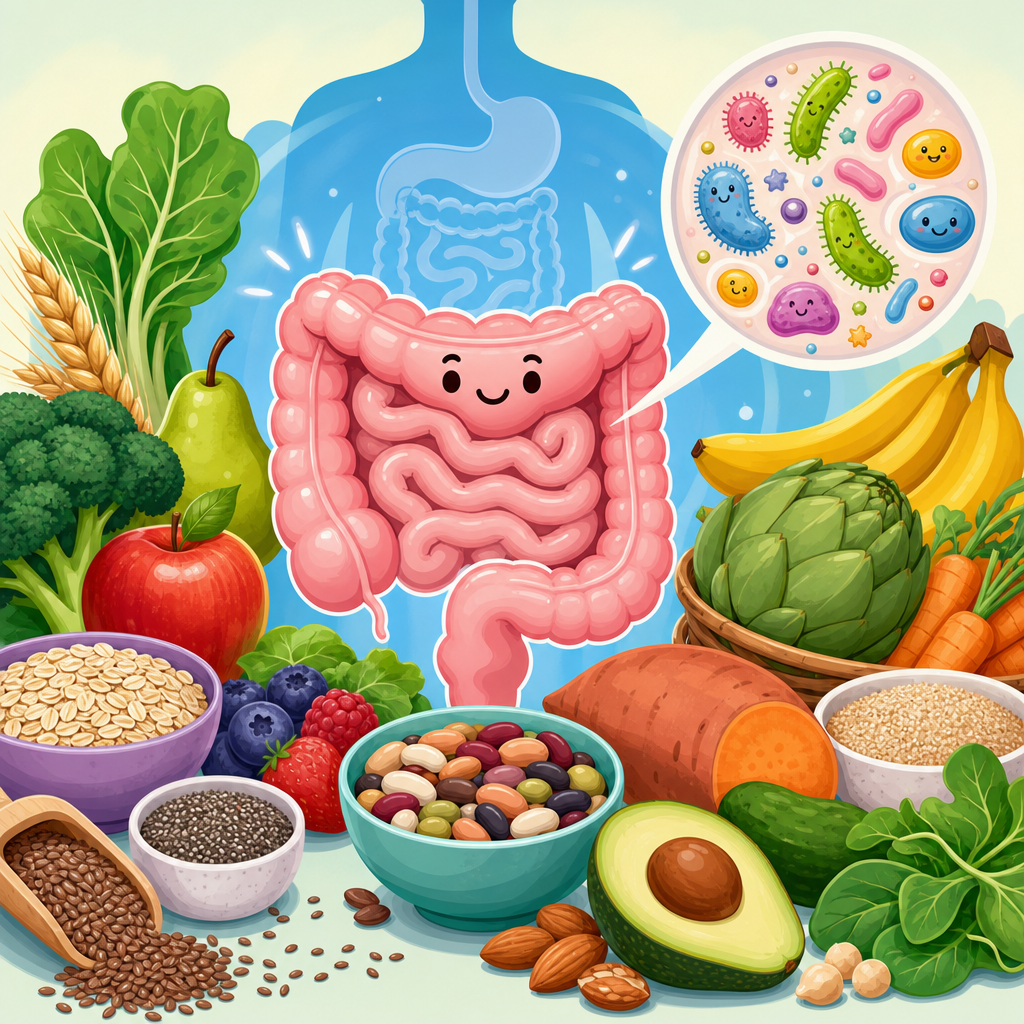
Dietary fiber and digestive health are inseparable topics because fiber shapes how food moves through the gut, how the microbiome functions, and how the body regulates blood sugar, cholesterol, and long-term disease risk. In nutrition science, dietary fiber refers to carbohydrates and lignin that resist digestion in the small intestine and reach the colon intact or partly intact, where they add bulk, absorb water, or are fermented by microbes. I have seen clients focus only on calories or protein and miss the fact that fiber often determines whether a diet feels satisfying, digestion stays regular, and lab markers improve over time. That matters because most adults consume far less fiber than recommended, despite strong evidence linking higher intake with better digestive health and lower risk of constipation, diverticular disease, cardiovascular disease, type 2 diabetes, and colorectal cancer. As a Nutrition Basics hub, this guide explains what fiber is, how it works, which foods supply it, how much you need, and how to increase intake safely and effectively.
What dietary fiber is and how it works in the digestive system
Dietary fiber is not a single substance. It includes diverse plant compounds with different physical and metabolic effects, which is why one fiber-rich food can behave differently from another. The traditional distinction is soluble versus insoluble fiber. Soluble fiber dissolves or swells in water and can form viscous gels; examples include beta-glucans in oats and barley, psyllium, pectins in fruit, and some fibers in beans. Insoluble fiber does not dissolve in water and generally adds bulk to stool; examples include cellulose, some hemicelluloses, and lignin in whole grains, vegetables, nuts, and seeds. A second, often more useful distinction is fermentable versus nonfermentable fiber. Fermentable fibers are used by gut microbes, producing short-chain fatty acids such as acetate, propionate, and butyrate. Nonfermentable fibers contribute more to stool mass and transit.
Inside the digestive tract, fiber performs several jobs at once. In the stomach and small intestine, viscous fibers slow gastric emptying and reduce the rate at which glucose is absorbed, helping moderate post-meal blood sugar. In the colon, bulking fibers increase stool weight and can reduce constipation by drawing water into the stool or by mechanically stimulating movement. Fermentable fibers feed beneficial bacteria, and the resulting short-chain fatty acids support colon cells, lower colonic pH, and influence immune and metabolic signaling. Butyrate is especially important because colonocytes use it as a fuel source, and adequate production is associated with healthier gut barrier function. This is why asking “is fiber good for digestion” is too narrow. Fiber is foundational to the structure, chemistry, and ecology of the digestive system.
Why fiber is essential for digestive health
When people ask what fiber does for digestion, the shortest accurate answer is this: it improves stool consistency, supports regular bowel movements, and nourishes the gut microbiome. Those are not minor effects. Constipation is one of the most common digestive complaints, and inadequate fiber intake is a frequent contributor, especially when paired with low fluid intake, sedentary habits, or highly processed diets. In practical work, I have found that increasing fiber from foods such as oats, kiwifruit, lentils, berries, vegetables, and whole grains often improves bowel regularity within days to weeks, provided the increase is gradual.
Fiber also helps protect against several digestive disorders. Higher fiber intake is associated with lower risk of diverticular disease, likely because bulkier stools reduce pressure in the colon and improve transit. Certain fibers may ease symptoms in some people with hemorrhoids by softening stool and reducing straining. Prebiotic fibers such as inulin, fructooligosaccharides, and resistant starch can increase beneficial bacteria, though tolerance varies and more is not always better. For people with irritable bowel syndrome, fiber is nuanced: psyllium is often helpful, while wheat bran can worsen bloating or pain in some cases. That distinction matters because fiber should be individualized, not treated as a single prescription.
Digestive health also depends on the gut barrier and the immune system. Fermentation products from fiber help maintain the mucus layer, support tight junction integrity, and influence inflammatory pathways. Research published in journals such as The Lancet and guidance from organizations including the Academy of Nutrition and Dietetics consistently show that diets higher in fiber are linked with broad health advantages, not just easier digestion. In other words, the bowel habit you notice is only the visible part of a deeper physiological effect.
Types of fiber-rich foods and what each contributes
The best sources of dietary fiber are whole plant foods, and variety matters because each category delivers a different mix of fibers and nutrients. Legumes are among the most efficient sources. Lentils, black beans, chickpeas, split peas, and edamame provide substantial fiber per serving along with protein, iron, folate, magnesium, and slow-digesting carbohydrate. Whole grains contribute insoluble and soluble fibers depending on the grain. Oats and barley are notable for beta-glucan, a viscous soluble fiber with documented cholesterol-lowering effects. Wheat bran is highly effective for increasing stool bulk. Fruits and vegetables provide fiber plus water, potassium, polyphenols, and vitamins. Berries, pears, apples, artichokes, Brussels sprouts, broccoli, carrots, and sweet potatoes are especially useful. Nuts and seeds add fiber, healthy fats, and minerals; chia and flax also absorb water and can improve stool form.
Food form changes the effect. An intact apple generally produces more satiety and slower absorption than apple juice. Steel-cut oats usually digest more slowly than instant oats. Whole beans tend to support steadier blood sugar than bean flour in many mixed meals. Cooking also matters. Cooling cooked potatoes, rice, or oats can increase resistant starch, a fermentable carbohydrate that reaches the colon and acts similarly to fiber in several respects. This is one reason overnight oats or chilled potato salad can affect digestion differently than the same foods eaten hot.
| Food | Typical serving | Approximate fiber | Main digestive benefit |
|---|---|---|---|
| Lentils, cooked | 1 cup | 15 to 16 g | Bulking plus fermentation for microbiome support |
| Oats, dry | 1/2 cup | 4 g | Viscous fiber that supports stool quality and cholesterol control |
| Pear with skin | 1 medium | 5 to 6 g | Water-rich fiber that helps regularity |
| Chia seeds | 2 tablespoons | 10 g | Gel-forming fiber that softens stool when fluids are adequate |
| Broccoli, cooked | 1 cup | 5 g | Mixed fibers with added micronutrients |
Fiber, the gut microbiome, and short-chain fatty acids
One of the most important advances in understanding dietary fiber and digestive health is the recognition that fiber is the primary fuel source for many beneficial gut microbes. When fermentable fibers reach the colon, bacteria break them down and produce short-chain fatty acids. Acetate circulates widely and participates in metabolism. Propionate is taken up largely by the liver and may help regulate lipid and glucose metabolism. Butyrate supports the cells lining the colon, contributes to an acidic environment that discourages pathogens, and influences inflammation and gut barrier function.
Different fibers feed different microbial communities. Resistant starch in cooked-and-cooled potatoes, green bananas, legumes, and whole grains does not behave exactly like inulin from chicory root or fructans from onions and garlic. That is why diversity in fiber sources is more effective than relying on one “superfood.” In practice, people who eat legumes several times a week, include whole grains daily, and rotate fruits, vegetables, nuts, and seeds usually tolerate fiber better and have more consistent digestive outcomes than people who add one supplement to an otherwise low-fiber pattern.
Microbiome changes are not always comfortable at first. Gas and bloating can increase when fermentable fibers rise quickly, especially after long periods of low intake. This does not mean fiber is harmful; it usually means the dose or type needs adjustment. A gradual progression works better: add one fiber-rich food at a time, maintain it for several days, then increase again. People with IBS, inflammatory bowel disease flares, bowel strictures, or a history of obstruction need individualized guidance, because the right fiber strategy depends on symptoms, disease activity, and tolerance.
Health benefits beyond the gut
Although this hub focuses on digestive health, the health benefits of dietary fiber extend throughout the body. Viscous fibers reduce LDL cholesterol by binding bile acids and increasing their excretion, prompting the liver to use circulating cholesterol to make more bile. Psyllium and oat beta-glucan are the classic examples, and both are recognized in clinical nutrition guidance. Fiber also improves glycemic control by slowing carbohydrate absorption, which helps reduce postprandial glucose spikes and may improve insulin sensitivity over time. For people with prediabetes or type 2 diabetes, replacing refined grains with legumes, intact whole grains, and high-fiber vegetables often produces measurable benefits on glucose patterns and satiety.
Higher fiber intake is also associated with healthier body weight, partly because fiber increases fullness, lowers dietary energy density, and often displaces ultra-processed foods. Large observational studies consistently link higher total fiber and cereal fiber intake with lower risk of cardiovascular disease and all-cause mortality. The mechanisms are plausible and overlapping: better lipid control, improved glycemic response, enhanced satiety, reduced inflammation, and healthier microbial metabolites. Colorectal cancer risk is another important area. Evidence supports a protective role for fiber-rich diets, especially those emphasizing whole grains, likely through increased stool bulk, reduced transit time, dilution of potential carcinogens, and production of butyrate.
These benefits do not mean all high-fiber products are equal. A cookie made with isolated fiber is not nutritionally equivalent to beans, oats, berries, or vegetables. The food matrix matters. Whole foods bring fiber packaged with micronutrients, water, plant compounds, and physical structure that affect chewing, digestion, and metabolic response.
How much fiber you need and how to increase it safely
Recommended intake varies by age, sex, and energy needs, but a useful benchmark is about 14 grams of fiber per 1,000 calories. In practical terms, many adult women benefit from aiming for roughly 25 grams per day and many adult men for about 38 grams per day, though individualized targets can differ. The average intake in many countries remains well below these levels. If your current intake is low, jumping from 10 grams to 35 grams overnight is a recipe for bloating, cramping, and frustration. The better approach is progressive loading.
Start with breakfast because it is easy to standardize. Replace a low-fiber refined cereal with oatmeal, high-fiber bran cereal, or overnight oats with chia and berries. Add legumes to one meal daily, even if the starting portion is only a quarter to half a cup. Swap white rice or refined pasta for brown rice, quinoa, farro, or whole-wheat pasta where tolerated. Keep fruit visible and convenient. Build plates around vegetables instead of treating them as decoration. Hydration matters because several fibers need water to work well; inadequate fluid can make symptoms worse, particularly when using supplements such as psyllium.
Supplements can help, but they should support, not replace, food. Psyllium has strong evidence for constipation, cholesterol lowering, and overall stool normalization. Methylcellulose is less fermentable and may be better tolerated if gas is a major issue. Wheat dextrin, inulin, and partially hydrolyzed guar gum each have specific uses, but effectiveness and tolerance vary. I usually suggest that people first identify the digestive goal: softer stools, less diarrhea, better cholesterol, or more fullness. The correct fiber type depends on the outcome.
Common mistakes, limitations, and practical next steps
The most common mistake is assuming more fiber is always better. It is not. Excess intake, especially from supplements or very large amounts of bran, can worsen bloating, interfere with appetite in people who already eat too little, or complicate symptoms in certain gastrointestinal conditions. Another mistake is ignoring preparation. Beans that are soaked, cooked thoroughly, and introduced gradually are often much better tolerated than a sudden large serving. A third mistake is counting only grams on labels while overlooking food quality. Fiber added to snack bars may raise the number without delivering the same benefits as intact plant foods.
There are also situations where lower fiber is temporarily appropriate. During acute gastrointestinal flares, after certain surgeries, or with strictures, clinicians may recommend reduced fiber or modified texture. That is medical nutrition therapy, not a contradiction of fiber science. Once the situation stabilizes, many people can reintroduce selected fibers carefully.
The central lesson is simple: dietary fiber and digestive health are linked through mechanics, microbiology, and metabolism. Eat a wider range of fiber-rich foods, increase intake gradually, match fiber type to your symptoms and goals, and use supplements strategically when needed. If you want a strong Nutrition Basics foundation, start by tracking your current intake for a few days, then add one proven fiber source this week—such as oats, beans, berries, or psyllium—and build from there.
Frequently Asked Questions
1. What is dietary fiber, and why is it so important for digestive health?
Dietary fiber is the part of plant foods that the human body cannot fully digest or absorb in the small intestine. Instead of being broken down like starch, sugar, or protein, fiber moves into the large intestine, where it performs several vital functions. Some types of fiber absorb water and increase stool bulk, some help slow digestion, and others are fermented by gut bacteria into beneficial compounds. This is why dietary fiber and digestive health are so closely connected: fiber directly influences how food travels through the digestive tract, how regularly the bowel moves, and how healthy the gut environment remains over time.
From a scientific perspective, fiber includes non-digestible carbohydrates and lignin found in foods such as vegetables, fruits, legumes, whole grains, nuts, and seeds. Broadly, fiber is often described as soluble or insoluble, although many foods contain a mix of both. Soluble fiber can form a gel-like substance in the gut, which helps slow gastric emptying and can improve blood sugar and cholesterol control. Insoluble fiber tends to add bulk to stool and support more efficient intestinal transit. Both roles matter for digestive health, because a healthy digestive system depends on regular movement, proper stool consistency, and a balanced gut microbiome.
Fiber also supports the gut in ways many people do not immediately notice. It helps nourish beneficial microbes in the colon, supports the integrity of the intestinal lining, and contributes to the production of short-chain fatty acids such as butyrate, acetate, and propionate when fermented. These compounds are associated with colon health, immune regulation, and reduced inflammation. In practical terms, fiber is not just about preventing constipation. It is a foundational nutrient for maintaining digestive rhythm, microbial diversity, metabolic health, and even long-term protection against chronic disease.
2. How does dietary fiber affect the gut microbiome?
The gut microbiome is the community of bacteria and other microorganisms living in the digestive tract, especially in the colon. One of fiber’s most important health benefits is that it serves as fuel for many of these beneficial microbes. Certain fibers, often called fermentable fibers or prebiotic fibers, are broken down by gut bacteria rather than by human digestive enzymes. When this happens, the microbes produce short-chain fatty acids and other metabolites that help support the intestinal barrier, regulate inflammation, and influence metabolic health throughout the body.
This relationship is important because the microbiome depends heavily on what a person regularly eats. Diets low in fiber tend to provide less nourishment for helpful gut bacteria, while diets rich in diverse plant foods tend to support greater microbial diversity. That diversity matters because a more varied microbiome is generally associated with stronger digestive resilience and better overall health outcomes. In contrast, a diet focused only on calories, protein, or processed convenience foods may overlook the fibers that beneficial microbes need to thrive.
When the microbiome is well nourished, digestive function often improves. Many people notice more regular bowel habits, better stool consistency, and less digestive discomfort when they gradually increase fiber from a variety of whole foods. There is also growing evidence that a healthy microbiome influenced by fiber intake may play a role in blood sugar regulation, cholesterol metabolism, immune balance, and even communication between the gut and brain. In short, fiber helps shape the microbial ecosystem of the gut, and that ecosystem has effects that extend far beyond digestion alone.
3. What is the difference between soluble and insoluble fiber, and do we need both?
Yes, both soluble and insoluble fiber are important, and they work in complementary ways. Soluble fiber dissolves or swells in water to form a gel-like substance. It is found in foods such as oats, beans, lentils, barley, chia seeds, flaxseeds, apples, and citrus fruits. Because it slows digestion, soluble fiber can help moderate the rise in blood sugar after meals and can also bind with substances in the digestive tract in ways that support lower LDL cholesterol levels. It may also help people feel full longer, which can be useful for appetite control and weight management.
Insoluble fiber, by contrast, does not dissolve in water and is known for adding bulk to stool. It is abundant in foods such as wheat bran, whole grains, nuts, seeds, and the skins of many vegetables. This type of fiber helps food move through the digestive tract more efficiently and is especially helpful for promoting regularity and reducing the likelihood of constipation. For many people, insoluble fiber is the form they think of first when discussing bowel health, but relying on it alone misses the broader metabolic and microbial benefits that come from soluble and fermentable fibers.
In real foods, the distinction is not always neatly separated. Many plant foods contain multiple fiber types, which is why variety matters so much. Rather than trying to obsessively categorize every food, it is more useful to eat a broad range of fiber-rich choices across the day. A diet that includes legumes, whole grains, vegetables, fruits, nuts, and seeds naturally provides a more complete fiber profile. That balanced approach supports digestive movement, nourishes the microbiome, improves satiety, and contributes to better blood sugar and cholesterol regulation over time.
4. Can dietary fiber help with blood sugar, cholesterol, and disease prevention?
Absolutely. One reason fiber is so heavily emphasized in nutrition science is that its benefits reach well beyond the digestive tract. Soluble fiber, in particular, helps slow the digestion and absorption of carbohydrates. This leads to a steadier rise in blood glucose after eating rather than a sharp spike. Over time, better blood sugar control can support insulin sensitivity and reduce risk factors associated with type 2 diabetes and metabolic syndrome. This is especially relevant in modern diets where refined carbohydrates are common and meals are often low in natural fiber.
Fiber also plays a meaningful role in cholesterol management. Certain soluble fibers can bind bile acids in the intestine, which causes the body to use cholesterol to make more bile. This process can help lower LDL cholesterol levels, a key cardiovascular risk factor. Foods like oats, barley, beans, lentils, and psyllium are especially well known for this effect. While fiber is not a replacement for medical treatment when it is needed, it is a powerful dietary tool that supports heart health in a measurable and clinically meaningful way.
Long-term research also links higher fiber intake with reduced risk of several chronic conditions, including cardiovascular disease, type 2 diabetes, colorectal disease, and in some studies certain cancers. Part of this benefit comes from improved weight regulation, better glycemic control, and lower cholesterol, but the microbiome and anti-inflammatory effects likely matter as well. In other words, fiber helps create a healthier internal environment. It supports regular bowel movements, healthier gut bacteria, more stable metabolism, and better markers of disease risk. That combination is why fiber is consistently considered one of the most beneficial and underconsumed components of a healthy diet.
5. How can someone increase fiber intake safely without causing gas or bloating?
The best way to increase fiber is gradually and consistently. A sudden jump from a low-fiber diet to a very high-fiber diet can cause gas, bloating, abdominal discomfort, or changes in bowel habits because the digestive system and gut microbes need time to adapt. This is especially true when fermentable fibers increase quickly. A smart approach is to add one or two fiber-rich foods at a time, such as beans with lunch, berries at breakfast, or an extra serving of vegetables at dinner, and then build from there over several weeks.
Hydration is also essential. Many fibers absorb water, and without enough fluid, increasing fiber may worsen constipation rather than improve it. Drinking water regularly throughout the day helps fiber do its job more effectively by supporting stool softness and movement through the intestines. It also helps to choose whole-food sources first, because fruits, vegetables, legumes, and cooked whole grains tend to be easier for many people to tolerate than taking a large fiber supplement all at once. Preparation methods matter too; soaking beans, cooking vegetables well, and choosing less processed but manageable foods can improve tolerance.
For people with irritable bowel syndrome, inflammatory bowel disease, recent gastrointestinal surgery, or other digestive conditions, fiber needs can be more individualized. Some may tolerate certain fibers very well and struggle with others. In those cases, working with a registered dietitian or healthcare professional is the best way to find the right type, amount, and pace. In general, though, most people benefit from aiming for a wider variety of plant foods rather than focusing only on calories or protein. Fiber works best when it becomes part of a balanced daily eating pattern, not a last-minute add-on. Done gradually, it can improve regularity, support the microbiome, and provide meaningful health benefits that extend far beyond digestion.